Spotted Hyena
Crocuta crocuta
About the Spotted Hyena
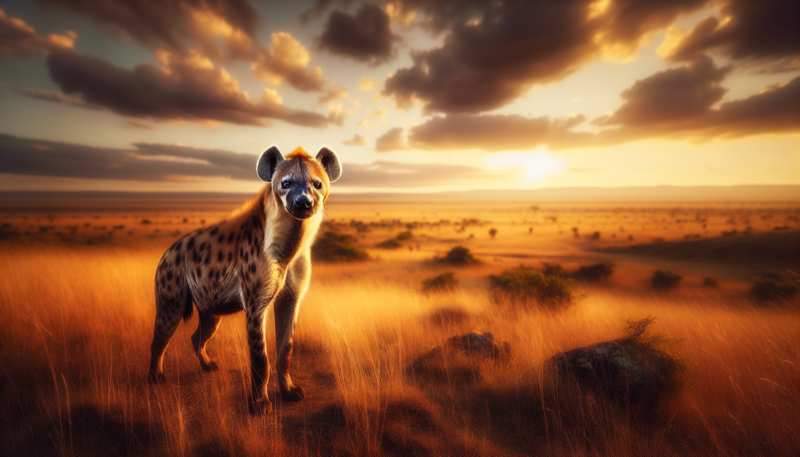
The spotted hyena is Africa's most successful large predator, responsible for more kills than lions in many ecosystems. Living in complex matriarchal clans of up to 80 individuals, they possess one of the strongest bites in the mammal kingdom and can crush bones that no other predator can process. Far from mere scavengers, they are highly intelligent, cooperative hunters.
Fun Facts
- Spotted hyenas have a bite force of over 1,100 PSI — strong enough to crush giraffe bones.
- Female hyenas outrank all males in the clan hierarchy and are larger and more aggressive.
- Their famous "laugh" is actually a sign of nervousness or submission, not amusement.
Where to See Spotted Hyena in the Wild
Masai Mara National Reserve
KenyaLarge clans are easily observed, especially near wildebeest herds during the migration.
Ngorongoro Crater
TanzaniaThe crater hosts one of the densest hyena populations in Africa.
Kruger National Park
South AfricaHyenas are common throughout the park and frequently seen on night drives.
Explore Spotted Hyena by Country
Country guides connect the species with other wildlife, featured places, planning context, and responsible-viewing advice.
Habitats Used by Spotted Hyena
Species may rely on several ecosystems across their range. Explore how conditions and conservation pressures differ.
Responsible Spotted Hyena Experiences
Compare activity formats, physical conditions, operator questions, animal-welfare risks, and relevant destinations before choosing a tour.
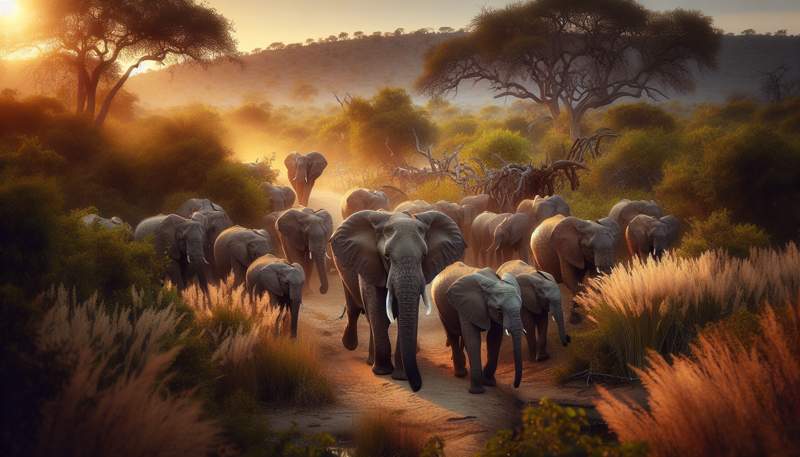
Safari Game Drives
A game drive uses a vehicle to explore protected landscapes with a guide or, where rules allow, as a self-drive visitor. It is the most accessible…
Plan the experience →
Walking Safaris
A walking safari shifts attention from covering distance to reading an ecosystem at ground level. Tracks, dung, plants, insects, alarm calls, wind,…
Plan the experience →Where to See Spotted Hyena at Zoos
Browse Spotted Hyena Tours & Experiences
Current Viator listings matched to this species. Confirm where the activity operates, its wildlife policy, recent reviews, availability, and cancellation terms before booking.

Night Safari in Singapore with Tram Ride
4h 30m
Doha : Night Desert Safari | Transit Safari | Camel ride | Dune Bashing
3 hours
Night Safari Ticket Including Tram Ride
3 hours
Dubai: Night Desert safari with Camel Ride & Stargazing
4 hours
Night Safari in Jaipur on an Open Jeep
4 hours
Singapore Night Safari
24 hoursSafari Packages to See Spotted Hyena
Safari.com itinerary examples that may include spotted hyena habitat. Request a current quote and confirm the operator, exact route, wildlife policy, recent reviews, and cancellation terms before booking.
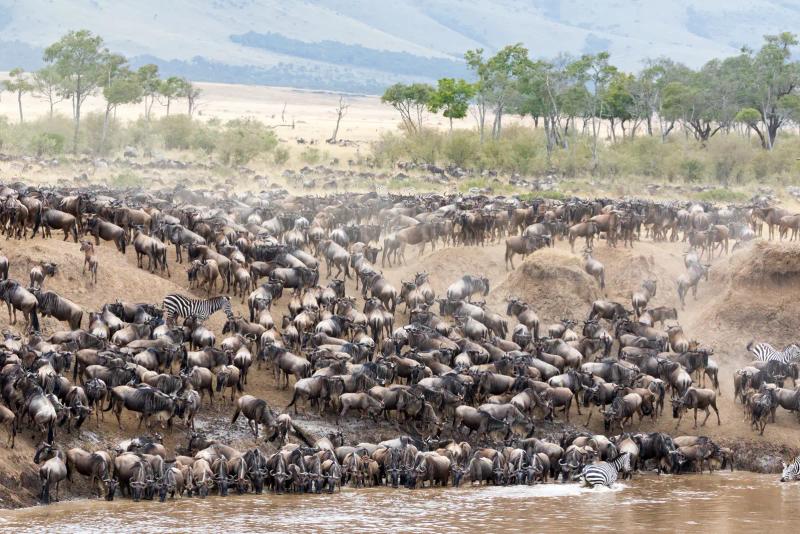
4 Day Fly-in Masai Mara Safari
The Masai Mara is well known for its year-round concentration of animals, big cat sightings and the Great Mammal Migration which occurs annu...
- 3 nights at &Beyond Kichwa Tembo Tented Camp in the Masai Mara
- Dawn and dusk game drives tracking lion, cheetah, elephant and buffalo
- Hot-air balloon safari at sunrise with champagne breakfast on the plains
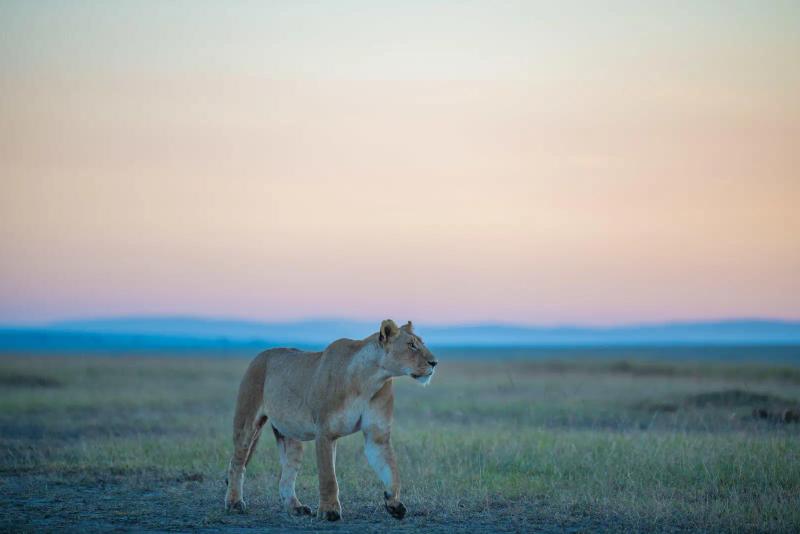
3-Day Masai Mara Fly-in Safari with Governors Camp
- 2 nights at Governors' Camp on the banks of the Mara River
- 45-minute scenic flight from Wilson Airport over the Great Rift Valley
- Morning, afternoon and sunrise game drives across the Masai Mara Reserve
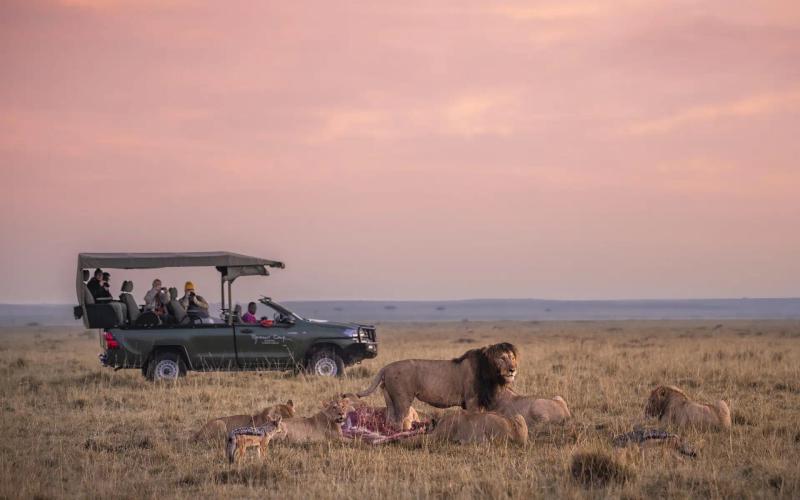
7-Day All-Inclusive Masai Mara to Zanzibar Safari
This 7-day bush and beach safari delivers an unforgettable journey, blending the wild, open plains of the Masai Mara with the serene, turquo...
- 3 nights at Governors' Camp on the Masai Mara, then 3 at Nungwi Dreams in Zanzibar
- Twice-daily game drives and guided bush walks in the Masai Mara
- Big cat and plains game viewing from open Landcruisers
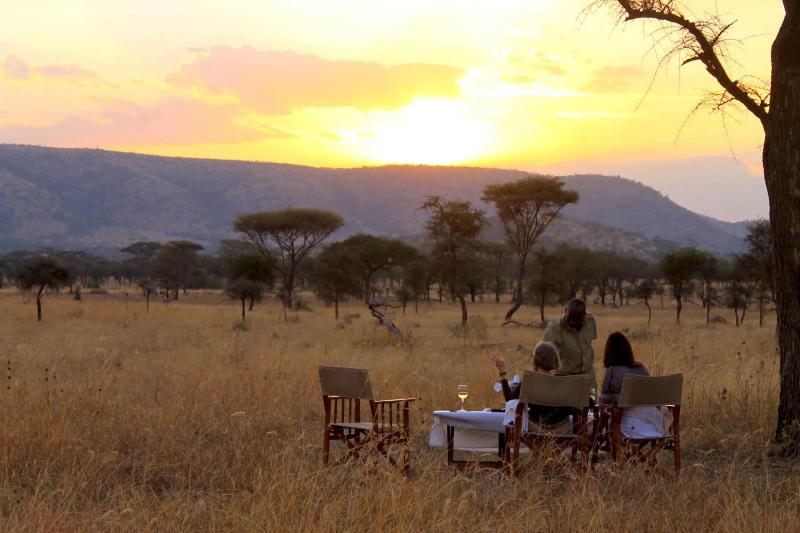
10 Day Luxury Fly-in Kenya & Tanzania Tour
Embark on the ultimate East Africa safari with this 10-day journey through Kenya and Tanzania’s top game reserves. Stay in luxury safari lod...
- 1 night at Gran Meliá Arusha, then 2 nights at Meliá Ngorongoro Lodge
- Guided game drive on the floor of the Ngorongoro Crater
- 3 nights at Nimali Serengeti in the heart of the migration corridor
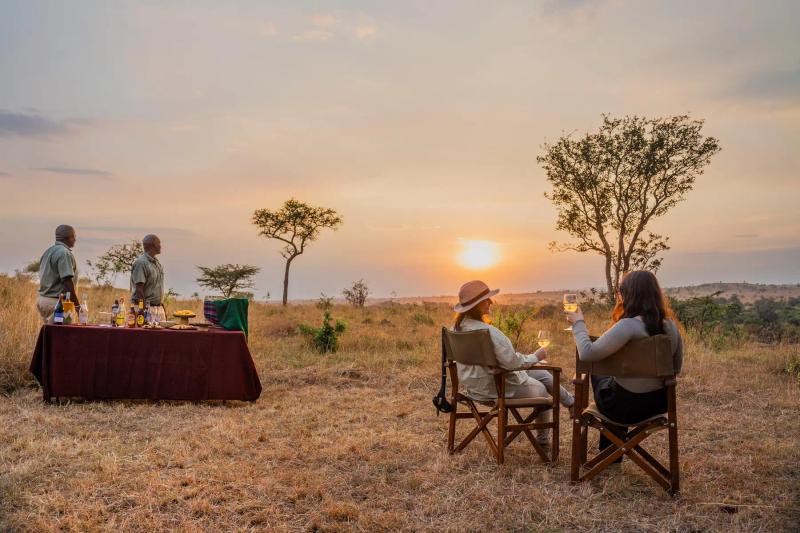
10-Day Best of East Africa Migration Safari
Your adventure starts in Nairobi, showcasing modern Kenyan style, before heading to the Masai Mara to see the Big Five, Mara Cats, and the G...
- 2 nights at Karen Blixen Cottages with visits to David Sheldrick Trust and Giraffe Centre
- 2 nights at Kichwa Tembo in the Masai Mara for Big Five game drives
- 2 nights at Simbavati Grumeti Camp in the Serengeti with private guide
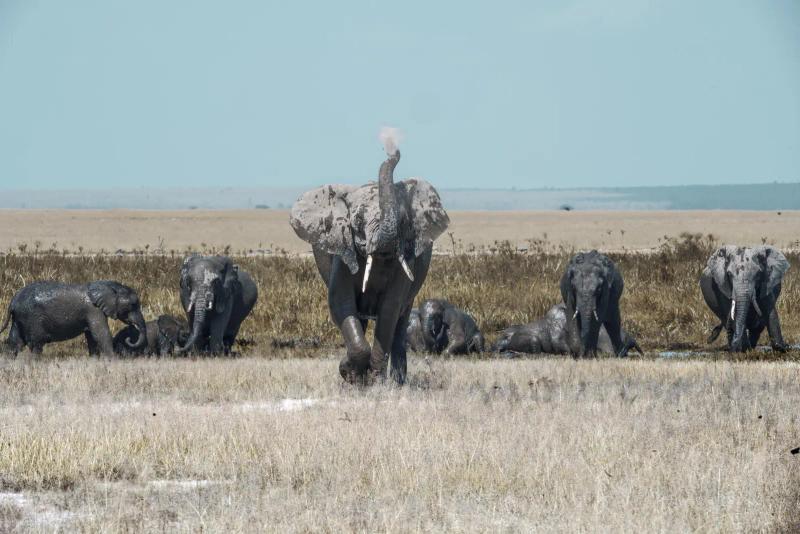
8 Day Amboseli, Mount Kenya & Masai Mara Flying Safari
This 8-day tour explores the capital city of Nairobi, the Amboseli National Park which offers spectacular views of Tanzania's Mt Kilimanjaro...
- 1 night at Nairobi Tented Camp inside Nairobi National Park
- 2 nights at Porini Amboseli Camp with Kilimanjaro views and night game drives
- 2 nights at Porini Rhino Camp in Ol Pejeta, visiting the Chimpanzee Sanctuary and Baraka the Black Rhino
Photography Tips for Spotted Hyena
Hyenas are most active at dawn, dusk, and after dark. Night drives with spotlights offer dramatic shots. Capture them at den sites in the morning for relaxed, social behaviour.
Safety Guide
Hyenas are bold around camps and lodges — never leave food outside tents. They have incredibly powerful jaws and should never be approached on foot. Keep car windows up if hyenas are near.