African Wild Dog
Lycaon pictus
About the African Wild Dog
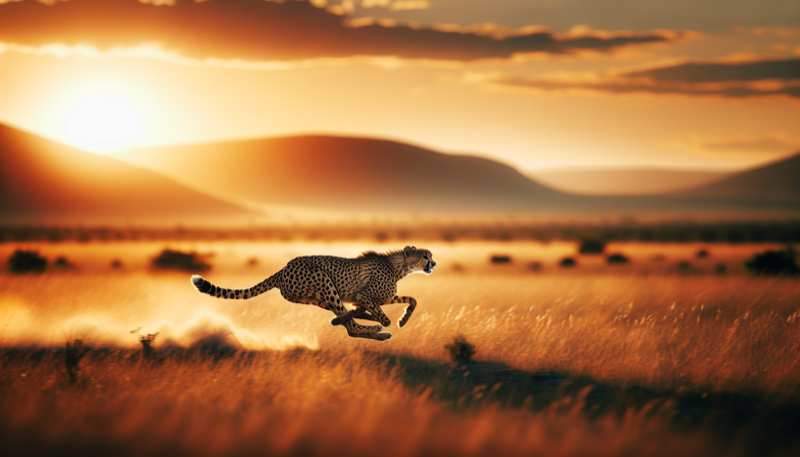
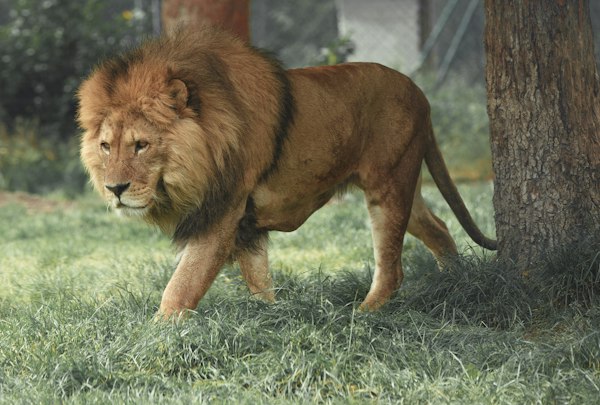
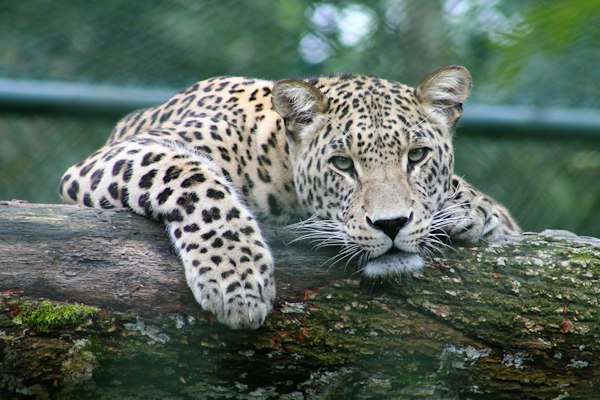
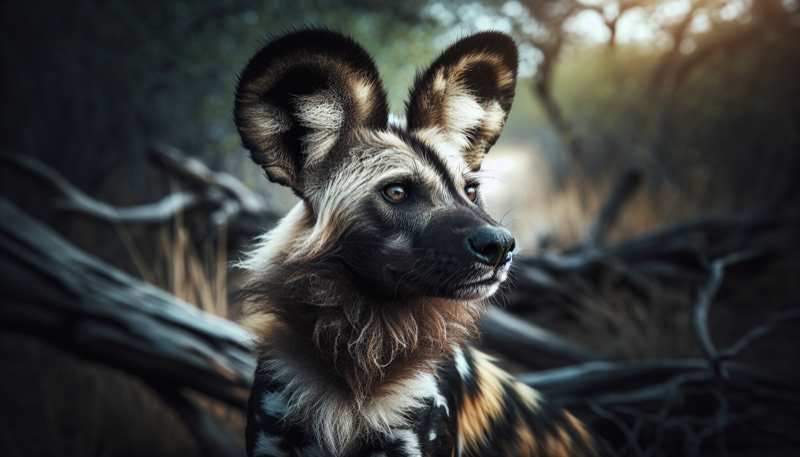
African wild dogs are the most efficient hunters in Africa, with a success rate of up to 80% — far higher than lions or cheetahs. They live in tight-knit packs with complex social bonds, caring for sick and injured members and regurgitating food for pups and pack members who stayed behind.
Fun Facts
- No two wild dogs have the same coat pattern — each is uniquely painted.
- Packs vote on whether to hunt by sneezing. The more sneezes, the more likely the pack will move out.
- Fewer than 6,600 wild dogs remain in the wild.
Where to See African Wild Dog in the Wild
Okavango Delta
BotswanaOne of the best places in Africa to see wild dog packs.
South Luangwa
ZambiaExcellent wild dog sightings, especially during denning season.
Kruger National Park
South AfricaSeveral packs roam the southern sections.
Featured Destinations to See African Wild Dog
Compare practical destination guides with seasonal timing, travel logistics, other wildlife, tours, and places to stay.
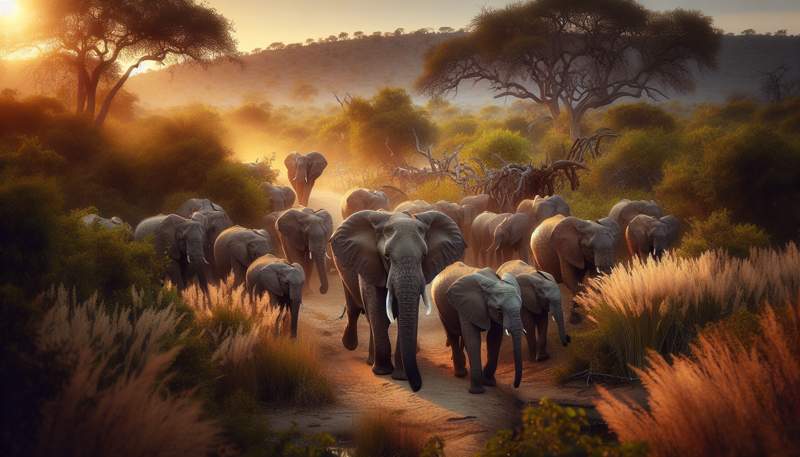
Kruger National Park
Kruger is one of the largest game reserves in Africa, covering nearly 20,000 km2. It offers an accessible, affordable safari experience with exce...
Plan your visit →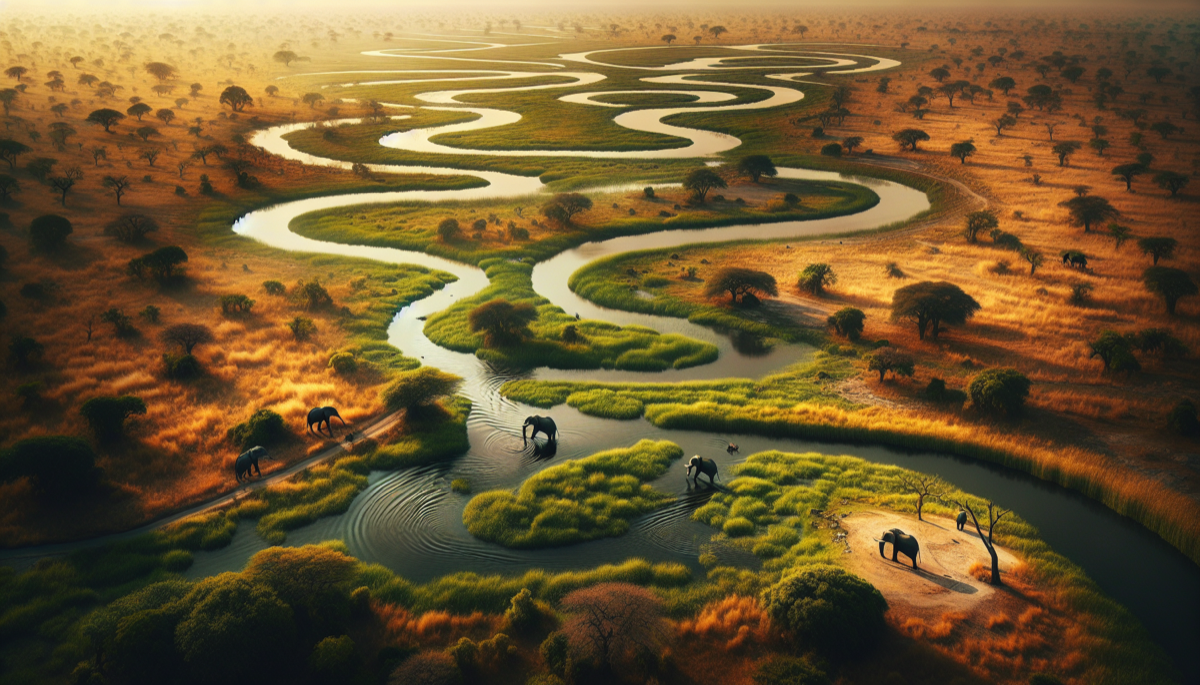
Okavango Delta
The Okavango Delta is one of the world's largest inland deltas and a UNESCO World Heritage Site, where the Okavango River fans out across the Kal...
Plan your visit →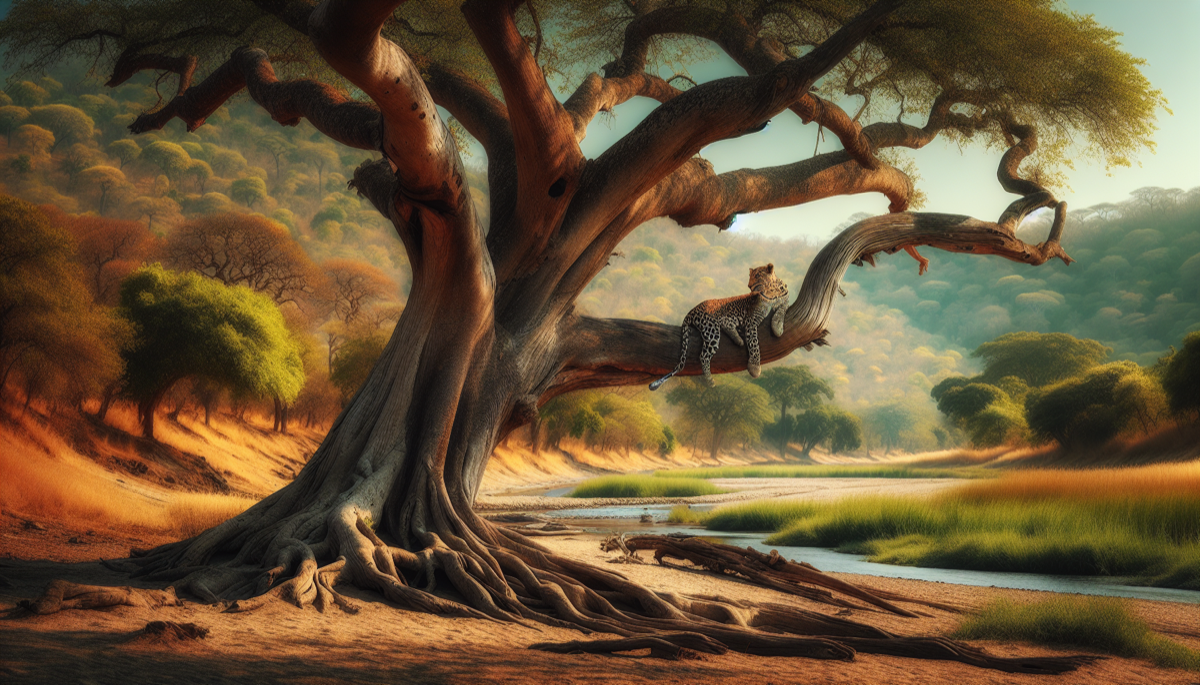
South Luangwa National Park
South Luangwa National Park is one of Africa's finest wildlife sanctuaries, located in eastern Zambia along the winding Luangwa River. Often call...
Plan your visit →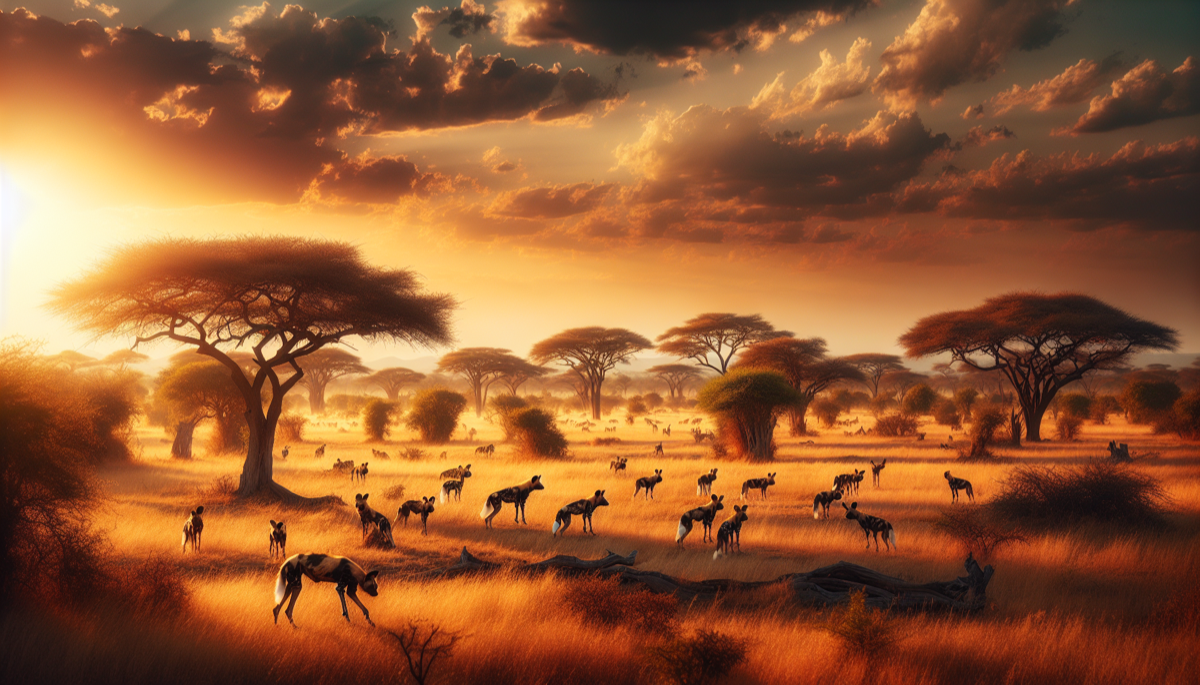
Hwange National Park
Hwange National Park is Zimbabwe's largest and oldest national park, covering 14,651 km2 of semi-arid bushveld, grassland, and teak woodland. The...
Plan your visit →Explore African Wild Dog by Country
Country guides connect the species with other wildlife, featured places, planning context, and responsible-viewing advice.
Habitats Used by African Wild Dog
Species may rely on several ecosystems across their range. Explore how conditions and conservation pressures differ.
Responsible African Wild Dog Experiences
Compare activity formats, physical conditions, operator questions, animal-welfare risks, and relevant destinations before choosing a tour.
Where to See African Wild Dog at Zoos
Denver Zoo
Denver, USA
Support Independent Conservation Work
These third-party programmes offer relevant ways to adopt symbolically, foster, donate, or learn. We do not process contributions or receive commission.
Painted Dog Conservation Donation
A donation route for field monitoring, anti-poaching, rehabilitation and release, conservation education, and community outreach focused on painted dogs in and around Zimbabwean strongholds.
Review programme →Due DiligenceCheck Before You Contribute
Understand symbolic adoption, verify the organisation, and review current terms and use of funds.
Open the programme directory →Browse African Wild Dog Tours & Experiences
Current Viator listings matched to this species. Confirm where the activity operates, its wildlife policy, recent reviews, availability, and cancellation terms before booking.

2 Day South African Wildlife Tour with 4x4 Safari from Cape Town
48 hours
Sharjah Safari: A Wildlife Adventure Like No Other
1 hour
Wilderness Dog Sled Ride and Tour in Seward
1h 30m
Exclusive Quad Safari A High End Escape in Agadir’s Wild Dunes
2h 30m
Wild South West Tour : SAFARI & TULAWAKA CASELA PARK & LE MORNE
1 hour
Aquila Big Five Game Reserve Safari with options from Cape Town
9 hoursSafari Packages to See African Wild Dog
Safari.com itinerary examples that may include african wild dog habitat. Request a current quote and confirm the operator, exact route, wildlife policy, recent reviews, and cancellation terms before booking.
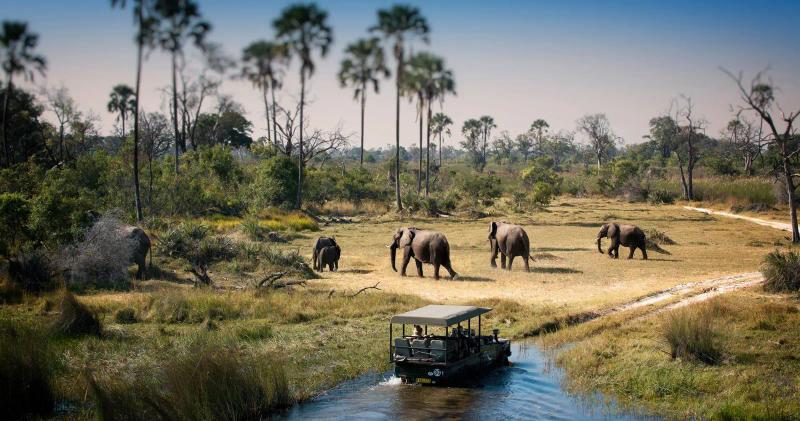
11 Day Botswana Luxury Safari
This incredible fly-in safari includes all the regions that Botswana is famous for, starting with elephants at the Chobe River, then moving ...
- 2 nights each at Chobe Game Lodge, Savute Safari Lodge, Camp Moremi, Camp Okavango and Leroo La Tau
- Sundowner cruise on the Chobe River amongst its famous elephant herds
- Game drives in Savute's predator territory and across Moremi Game Reserve
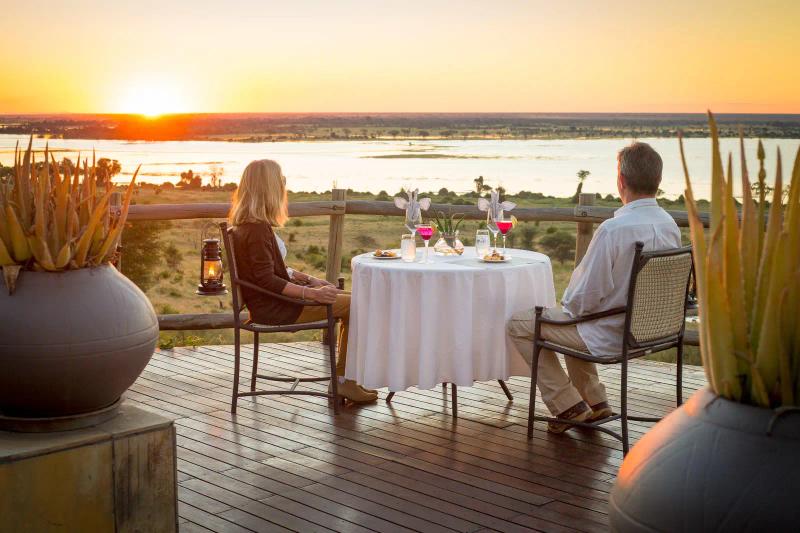
6 Day Romantic Chobe & Okavango Safari
The private Ngoma Safari Lodge, is located on the edge of a plateau, offering endless views over the seasonal Chobe flood plain. Thereafter ...
- 2 nights at Ngoma Safari Lodge overlooking the Chobe floodplains
- Full-day Chobe safari with river cruise and picnic lunch
- Night drives and walking safaris in the Chobe Forest Reserve
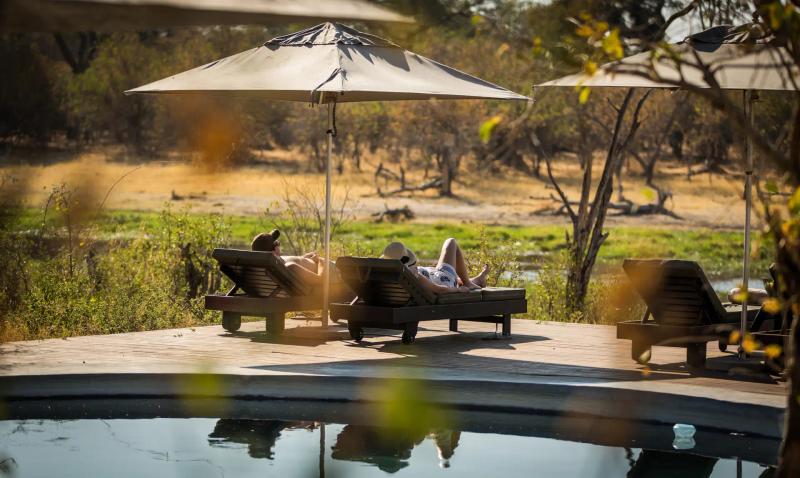
9-Day Classic Botswana Safari
A 9-day journey through Botswana’s most iconic wilderness regions, from the elephant-rich Chobe River to the untamed beauty of the Okavango ...
- 2 nights at Ngoma Safari Lodge overlooking the Chobe River
- Game drives in Chobe National Park among vast elephant herds
- 2 nights at Machaba Camp on the Khwai River with mokoro excursions
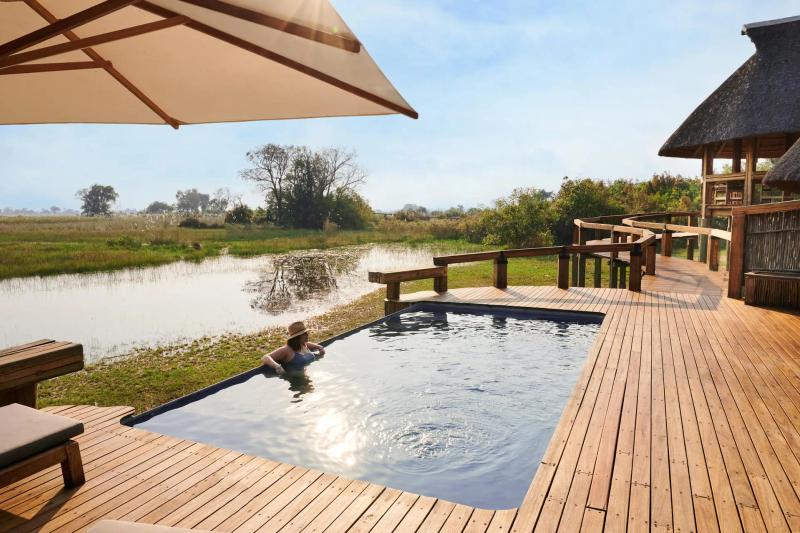
9-Day Desert and Delta Ultra-Lux Safari
- 2 nights each at Camp Xakanaxa, Camp Okavango, Leroo La Tau and Chobe Game Lodge
- Game drives and boat cruise in Moremi Game Reserve
- Mokoro and motorboat safaris through the Okavango Delta
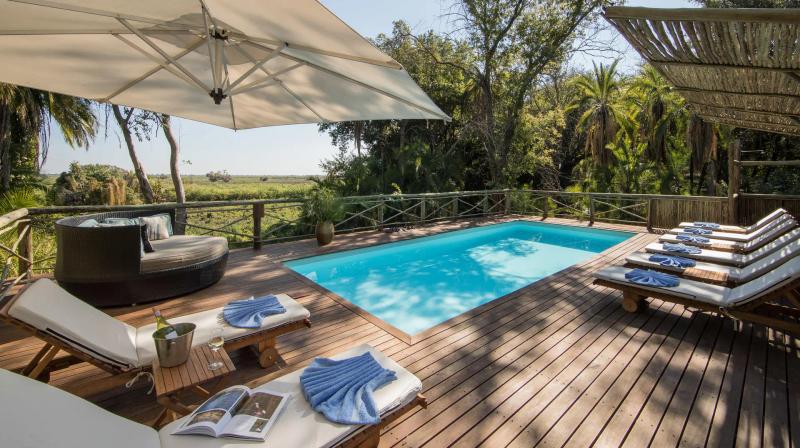
7-Day Fly-In Chobe and Okavango Delta Luxury Safari
This 7-day fly-in safari offers an extraordinary adventure, whisking guests away to the stunning Chobe waterfront and the enchanting waterwa...
- 3 nights at Muchenje Safari Lodge on the Chobe waterfront
- Full-day Chobe River boat cruise, night drives and seasonal walking safaris
- Light-aircraft flight from Kasane to Jedibe Airstrip in the Okavango Delta
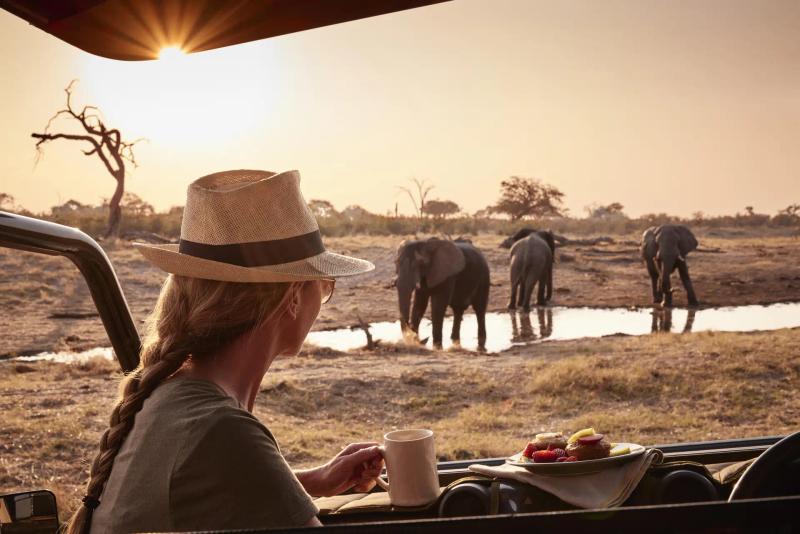
15-Day Safari Adventure: Botswana, Victoria Falls & Zanzibar
- 4 nights at Belmond Mount Nelson with Table Mountain and Cape Peninsula sightseeing
- 2 nights at Belmond Savute Elephant Lodge tracking large elephant herds and predators
- 2 nights at Belmond Eagle Island Lodge with mokoro and boat safaris in the Okavango
Photography Tips for African Wild Dog
Wild dogs are constantly on the move. Use continuous autofocus and high frame rates to capture pack dynamics.
Safety Guide
Wild dogs are not a threat to humans and are very shy. Maintain distance to avoid disrupting pack behaviour.
You Might Also Like
See how African Wild Dog compares to other animals