Western Lowland Gorilla
Gorilla gorilla gorilla
About the Western Lowland Gorilla
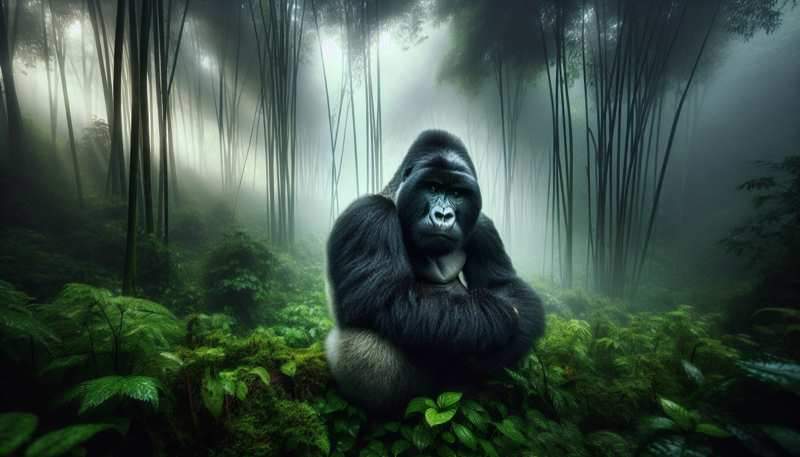
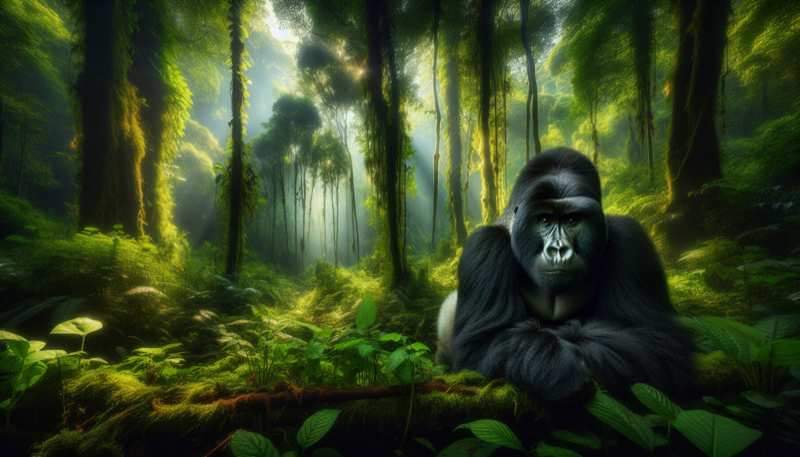
The western lowland gorilla is the most numerous and widespread gorilla subspecies, yet it is critically endangered due to poaching, disease, and habitat loss. Unlike their mountain cousins, these gorillas inhabit dense lowland tropical forests in central Africa. They are the gorilla subspecies most commonly seen in zoos worldwide.
Fun Facts
- Western lowland gorillas have been observed using tools in the wild, including sticks to test water depth before crossing streams.
- A silverback can weigh up to 180 kg and is roughly 10 times stronger than an adult human.
- They are important seed dispersers — their fruit-heavy diet helps regenerate the tropical forests they inhabit.
Where to See Western Lowland Gorilla in the Wild
Dzanga-Sangha Reserve
Central African RepublicOne of the few places to trek habituated western lowland gorillas in the wild.
Odzala-Kokoua National Park
Republic of CongoPristine rainforest with habituated gorilla groups and forest elephant bais.
Explore Western Lowland Gorilla by Country
Country guides connect the species with other wildlife, featured places, planning context, and responsible-viewing advice.
Habitats Used by Western Lowland Gorilla
Species may rely on several ecosystems across their range. Explore how conditions and conservation pressures differ.
Where to See Western Lowland Gorilla at Zoos
Bronx Zoo
New York, USA
Support Independent Conservation Work
These third-party programmes offer relevant ways to adopt symbolically, foster, donate, or learn. We do not process contributions or receive commission.
WCS Gorilla Conservation Support
A general WCS donation route paired here with verified official information about its long-running western lowland gorilla conservation, research, health monitoring, law-enforcement, and community work in Central Africa.
Review programme →Due DiligenceCheck Before You Contribute
Understand symbolic adoption, verify the organisation, and review current terms and use of funds.
Open the programme directory →Browse Western Lowland Gorilla Tours & Experiences
Current Viator listings matched to this species. Confirm where the activity operates, its wildlife policy, recent reviews, availability, and cancellation terms before booking.

1 Day Rwanda Gorilla Trekking Tour In The Volcanoes National Park
12 hours
From Kigali: 1-Day Uganda Gorilla tracking experience
6 hours
Private Gorilla Trekking Transfer from kigali to Volcanoes N.Park
7 hours
Gorilla Trekking Adventure - A Day trip (Only transfer)
8 hours
4 Days Rwanda Tour with Gorilla and Chimpanzee Trekking
96 hours
From Kigali: 10 Hour Day-trip Rwanda Gorilla Trekking with Lunch
10 hoursSafari Packages to See Western Lowland Gorilla
Safari.com itinerary examples that may include western lowland gorilla habitat. Request a current quote and confirm the operator, exact route, wildlife policy, recent reviews, and cancellation terms before booking.
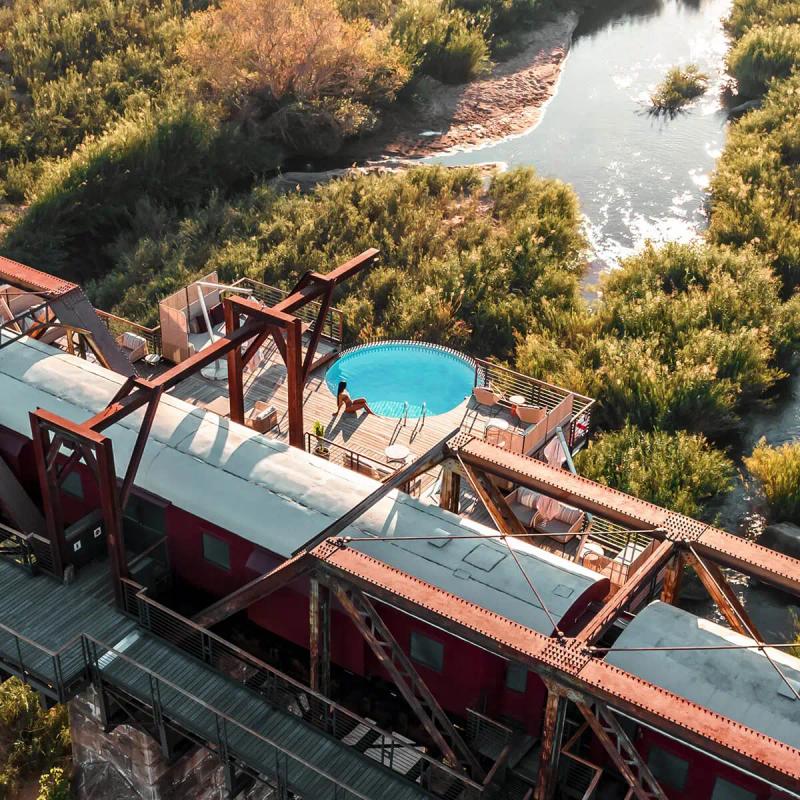
3 Day Unrivaled Views of the Kruger & Sabie River Safari
Experience the Kruger National Park, suspended over the Sabie River.
- 2 nights aboard Kruger Shalati, a luxury train stationed on a bridge over the Sabie River
- Twice-daily game drives in southern Kruger in search of the Big Five
- Swim in the overhanging pool above crocodiles, hippos and elephants
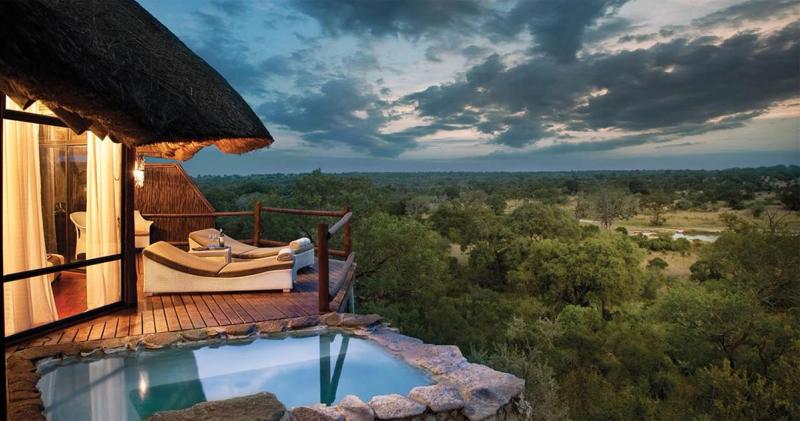
5 Day Luxury Sabi Sands Promotion
Travelling soon? Enjoy a 42% last-minute discounted price when booking this 5-day Premier Sabi Sands luxury safari package. You'll be in the...
- 4 nights at 5-star Leopard Hills Lodge in the Sabi Sands
- Twice-daily game drives with off-roading for close-up Big Five sightings
- Guided bush walks and wildlife photography tips from expert rangers
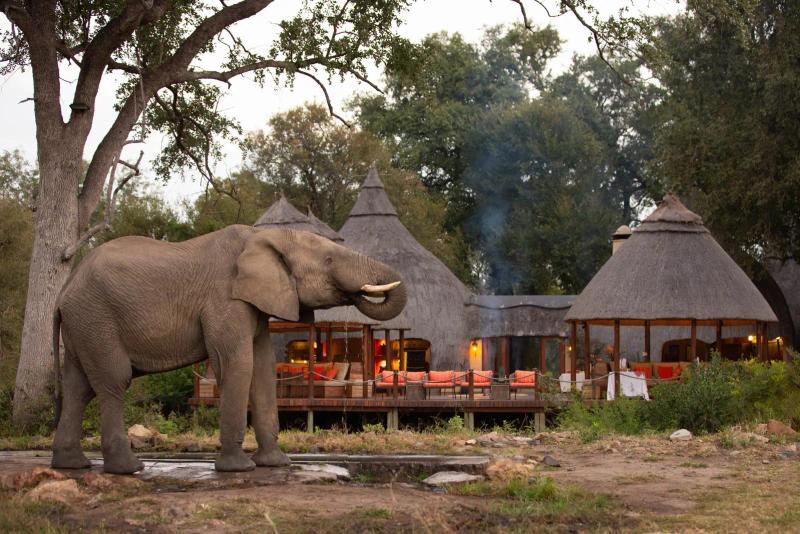
4 Day All-Inclusive Kruger Safari with Hoyo Hoyo
Enjoy an All-inclusive 4-day Kruger National Park safari! Round-trip flights from Johannesburg, airport transfers, luxury accommodation, mea...
- 3 nights at 5-star Hoyo Hoyo Safari Lodge in Kruger National Park
- Twice-daily Big Five game drives in open 4x4 vehicles with ranger and tracker
- Three-course dinner under the stars
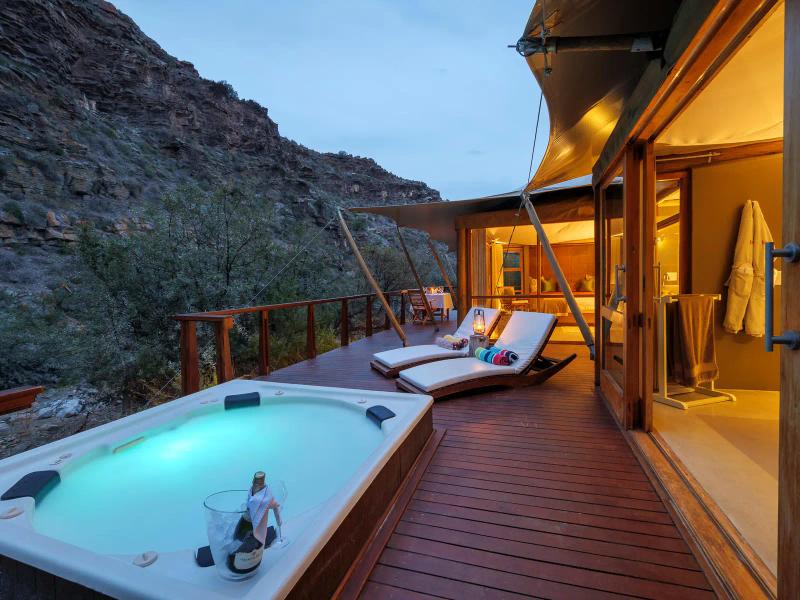
3-Day BIG 5 Safari at Sanbona Wildlife Reserve (Combine with Cape Town)
Experience three days at Sanbona Wildlife Reserve on a 5-star BIG 5 safari - offering an exclusive and unique malaria-free safari, with the ...
- 2 nights at Dwyka Tented Lodge in malaria-free Sanbona Wildlife Reserve
- Big Five game drives across open plains and Cape Fold Mountains
- Guided wilderness walks, ancient San rock art and Karoo stargazing
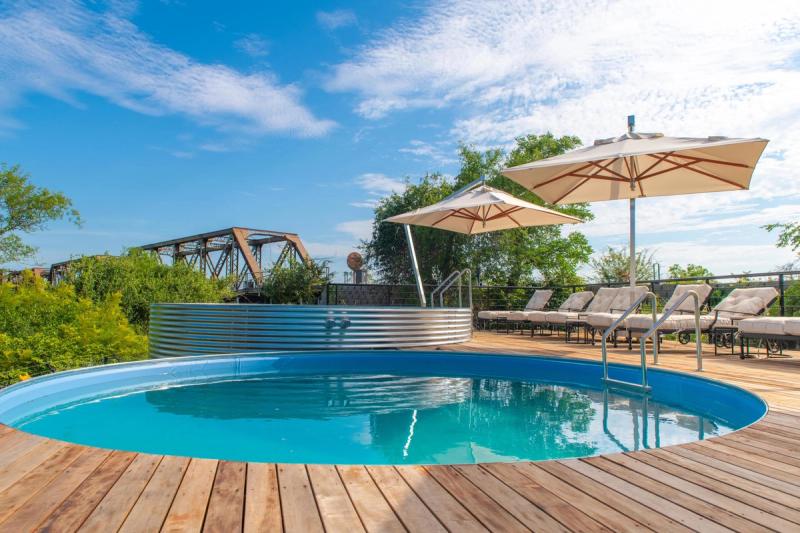
7-Day Kruger Park and Vic Falls Combo
Experience the ultimate safari adventure with a 7-day journey through Kruger National Park and Victoria Falls.
- 3 nights aboard Kruger Shalati, the train on the bridge over the Sabie River
- Twice-daily game drives in open Land Rovers across Kruger National Park
- 3 nights at The Wallow Lodge in Victoria Falls
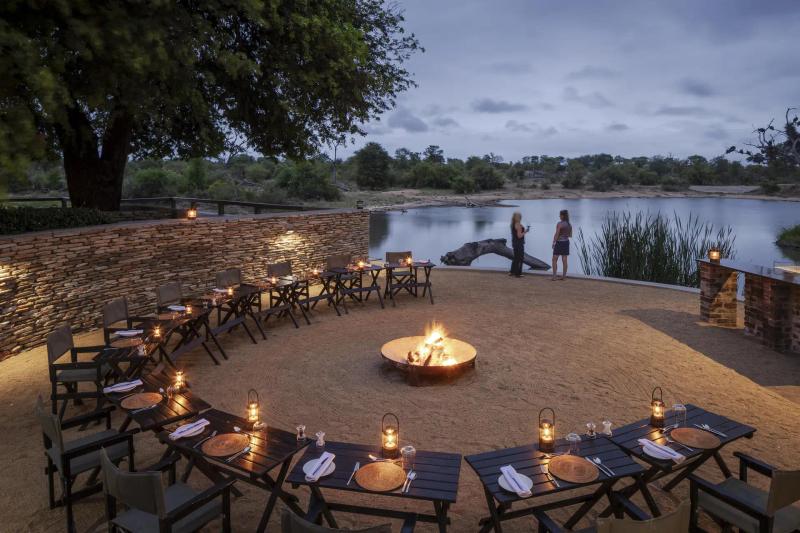
7-Day Fly-In Cape Town to Kruger Luxury Safari
Embark on a luxury safari from the stunning Cape Town Waterfront Village to the deep wilderness of Simbavati Waterside Klaserie Nature Reser...
- 3 nights at Waterfront Village on Cape Town's V&A Marina
- Walking distance to Two Oceans Aquarium, Watershed and Food Market
- Fly to Hoedspruit for 3 nights at Simbavati Waterside Lodge
Photography Tips for Western Lowland Gorilla
Dense forest means low light — use a fast lens (f/2.8) and high ISO. At bais (forest clearings), you can photograph gorillas from hides at closer range.
Safety Guide
Follow tracker instructions at all times. Maintain at least 7 metres distance. Avoid direct eye contact with silverbacks, which can be perceived as a challenge. Never use flash photography.