Not all safari destinations are created equal when it comes to photography. Some offer incredible wildlife density but terrible light. Others have beautiful landscapes but skittish animals that keep their distance. For serious wildlife photographers, the right destination can mean the difference between a portfolio of stunning images and a memory card full of distant blobs.
This guide ranks the best safari destinations for wildlife photography in 2026, based on factors that genuinely matter to photographers: light quality, vehicle positioning rules, animal habituation, photographic hides, and the variety of species available.
1. Masai Mara, Kenya
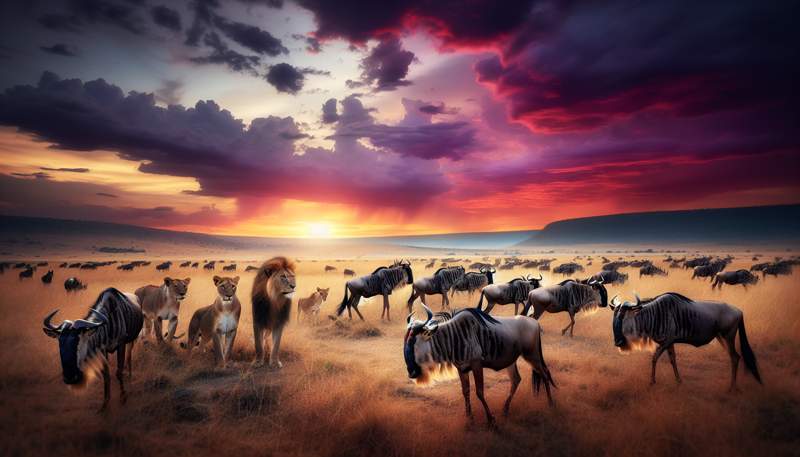
The Masai Mara consistently tops photographer rankings, and for good reason. The open savannah provides clean backgrounds free of obstructing vegetation. The light during golden hour is extraordinary, with warm tones that flatter every subject from lions to lilac-breasted rollers.
Why Photographers Love It
- Off-road driving: Private conservancies surrounding the Mara allow off-road driving, meaning your guide can position the vehicle for optimal light and angles
- Habituated predators: The Mara's big cats are remarkably relaxed around vehicles, allowing close-up portraits and natural behaviour shots
- The Great Migration: River crossings between July and October offer some of the most dramatic wildlife action photographs on the planet
- Golden hour quality: The Mara's slightly elevated position creates exceptional morning and evening light
Best for: Big cat photography, action shots, landscape-wildlife combinations
2. Sabi Sands, South Africa
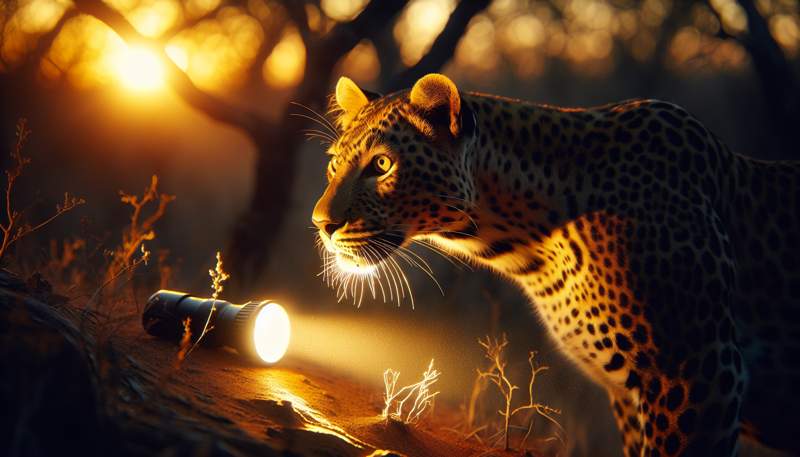
Sabi Sands is widely regarded as the best destination in the world for leopard photography. The reserve's leopards are so habituated to vehicles that they will walk within metres of you, hunt in front of you, and even use your vehicle as cover while stalking prey.
Why Photographers Love It
- Leopard encounters: Nowhere else offers such consistently close, prolonged leopard sightings
- Off-road driving: Guides can position for optimal backgrounds and lighting
- Night photography: Spotlight game drives offer unique opportunities for nocturnal wildlife images
- Photographic vehicles: Some lodges offer specially modified vehicles with camera mounts and bean bag supports
Best for: Leopard portraits, intimate Big Five encounters, night photography
3. Okavango Delta, Botswana
The Okavango offers something no other safari destination can match: water-based photography. Gliding silently through channels in a mokoro (traditional canoe) puts you at eye level with hippos, crocodiles, and a stunning array of waterbirds.
Why Photographers Love It
- Unique perspectives: Water-level photography from mokoros creates dramatic compositions
- Reflections: Still water channels provide mirror-like reflections that elevate any wildlife image
- Aerial potential: Scenic helicopter flights over the delta offer extraordinary landscape photography opportunities
- Diverse habitats: From floodplains to dry islands, the variety of ecosystems means diverse photographic subjects
Best for: Creative compositions, waterbird photography, landscape-wildlife fusion
4. Serengeti, Tanzania
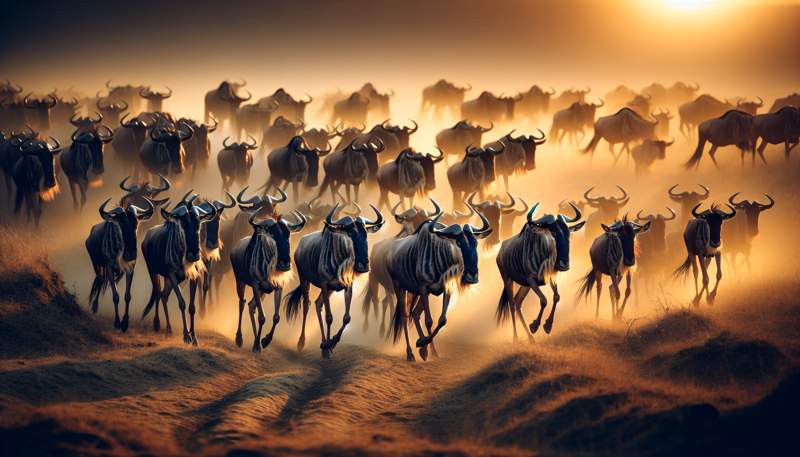
The Serengeti is the gold standard for vast, epic wildlife photography. Enormous herds of wildebeest stretching to the horizon, solitary acacia trees silhouetted against fiery sunsets, and cheetahs sprinting across open plains all deliver images with a powerful sense of scale.
Why Photographers Love It
- Scale and drama: The sheer numbers of animals during migration season create images of incredible impact
- Classic African landscapes: Kopjes, acacia trees, and endless plains provide iconic backdrops
- Predator-prey action: The concentration of herbivores attracts high predator numbers, increasing chances of action shots
- Balloon photography: Hot air balloon rides over the migration offer once-in-a-lifetime aerial perspectives
Best for: Migration photography, epic landscapes, predator-prey interactions
5. Ranthambore, India
For tiger photography, Ranthambore is in a class of its own. The park's tigers are habituated to safari vehicles and frequently appear against stunning backdrops of ancient Rajput ruins, lakes, and lush deciduous forests.
Why Photographers Love It
- Habituated tigers: Several resident tigers regularly approach vehicles, allowing frame-filling portraits
- Unique backdrops: The 10th-century Ranthambore Fort and lake reflections add artistic depth to wildlife images
- Consistent sightings: High tiger density relative to the park's size means good odds of encounters
Best for: Tiger portraits, wildlife in architectural settings, tropical forest photography
Honourable Mentions
Mana Pools, Zimbabwe
Famous for walking safaris that put you on foot with elephants, creating extraordinary low-angle images. The park also allows you to photograph from canoes on the Zambezi River.
South Luangwa, Zambia
Birthplace of the walking safari and home to superb leopard sightings. Night drives offer excellent opportunities for photographing nocturnal species rarely seen elsewhere.
Pantanal, Brazil
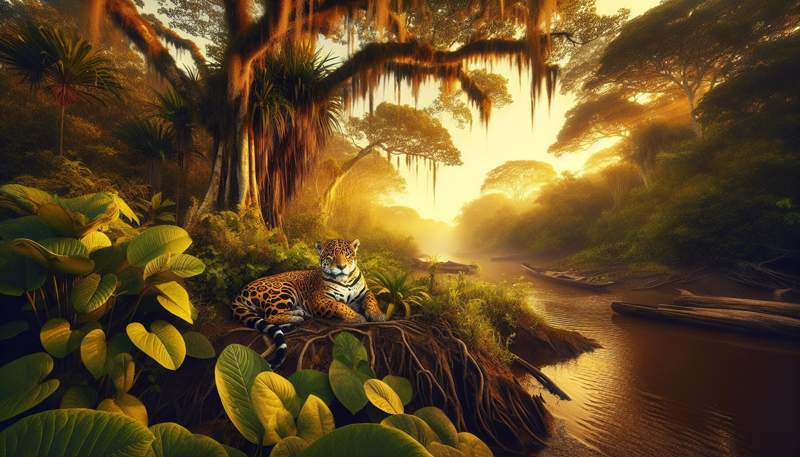
The best destination for jaguar photography. Boat-based safaris along the Cuiaba River provide consistent, close encounters with these powerful cats in a lush tropical setting.
Choosing the Right Photographic Safari
When booking a photographic safari, look for operators who understand the difference between a standard game drive and a photography-focused outing. Key features to prioritize include:
- Maximum 4 guests per vehicle (fewer is better for positioning)
- Guides trained in photographic techniques and animal behaviour prediction
- Flexible drive times that prioritize golden hour shooting
- Bean bags, camera mounts, or gimbal heads provided
- Dedicated photographic hides at waterholes
For curated photographic safari experiences, GetYourGuide offers photography-specific tours with expert guides, while Safari.com can arrange bespoke photographic itineraries across multiple destinations.