
Destinations
Kenya vs Tanzania Safari: Which Trip Fits You?
Detailed comparison of Kenya and Tanzania safaris covering wildlife, cost, accessibility, and when to go.
Read guide →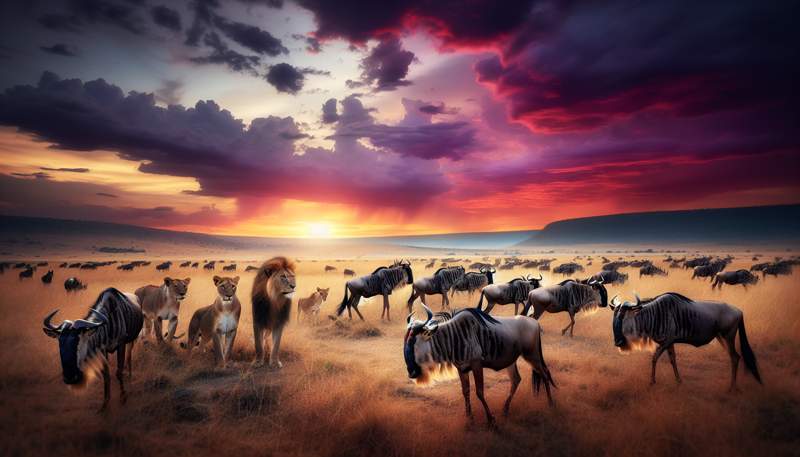
Best time: July - October (Great Migration arrives)
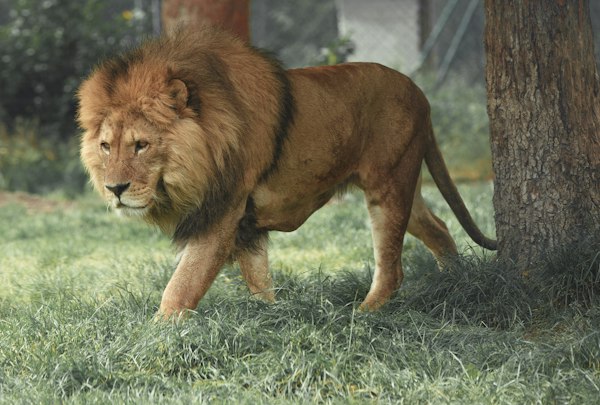
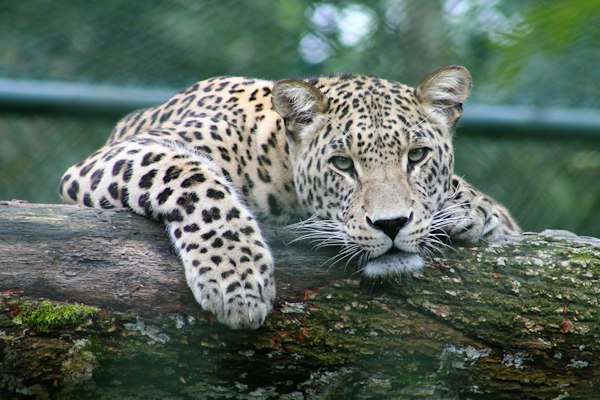
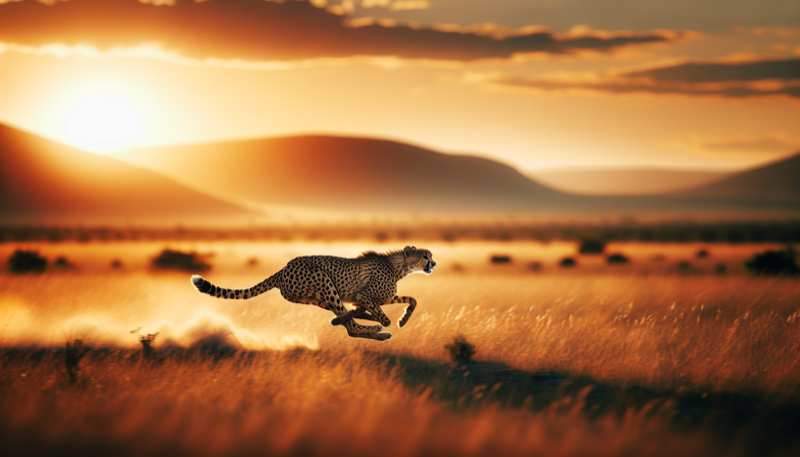
The Masai Mara is Kenya's most celebrated wildlife reserve, forming the northern extension of the Serengeti ecosystem. It offers some of the most reliable big cat sightings in Africa, with large prides of lions, cheetah families on the open plains, and leopards in the riverine forests.
Fly into Nairobi (NBO) and take a domestic flight or drive 5-6 hours to the Mara.
Nearest airport: Jomo Kenyatta International (NBO)
Dry season: Jul-Oct and Jan-Feb: Best wildlife viewing, clear skies.
Wet season: Mar-May (long rains), Nov-Dec (short rains): Fewer tourists, muddy roads.
Temperature: 14°C-28°C (57°F-82°F). Cool mornings and evenings.
Stay in vehicle (fines for exiting). Follow guide instructions. Don't walk between tents at night without escort.
Tipping: Guide: $10-20/day per person. Lodge staff: $5-10/day. Tips in USD or KES.
Local transport: Safari 4x4s. Flights from Wilson Airport (Nairobi) to Mara airstrips (~45 min). Or 5-6 hour drive.
Country guides connect this destination with other habitats, species, planning considerations, and responsible-viewing advice.
Habitat guides explain the viewing conditions and conservation pressures shared with similar ecosystems elsewhere.
These editorial guides explain the activity format, physical conditions, animal-welfare questions, and operator checks to make before booking.
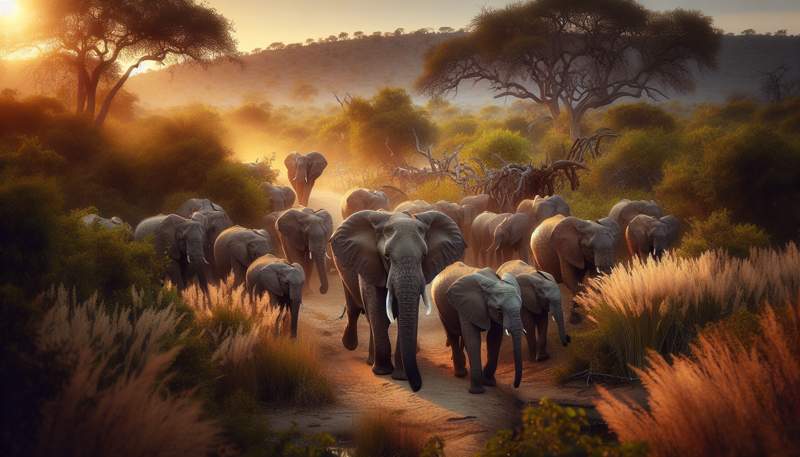
A game drive uses a vehicle to explore protected landscapes with a guide or, where rules allow, as a self-drive visitor. It is the most accessible…
Read the responsible guide →A wildlife photography tour should improve access, fieldcraft, and learning without turning animal welfare into a competition for the closest frame.…
Read the responsible guide →Go deeper on itineraries, seasonal decisions, trip costs, photography, and responsible ways to experience wildlife in this region.
Detailed comparison of Kenya and Tanzania safaris covering wildlife, cost, accessibility, and when to go.
Read guide →Current Viator listings matched to this destination. Confirm the itinerary, operator, recent reviews, availability, and cancellation terms before booking.


Share your preferences for possible referral to an independent Africa safari-planning partner. There is no fee to submit this request; any trip proposal is separate and optional.
Safari.com itinerary examples matched to Masai Mara National Reserve. Request a current quote and confirm the operator, exact route, inclusions, recent reviews, and cancellation terms before booking.
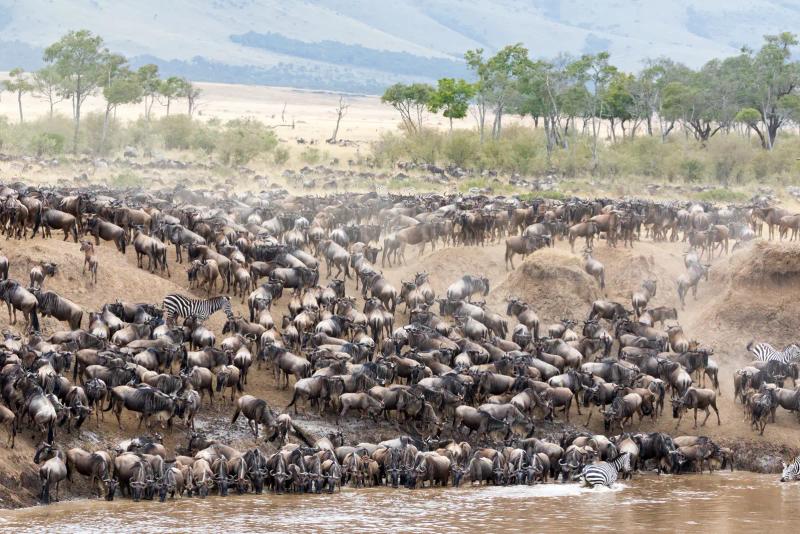
The Masai Mara is well known for its year-round concentration of animals, big cat sightings and the Great Mammal Migration which occurs annu...
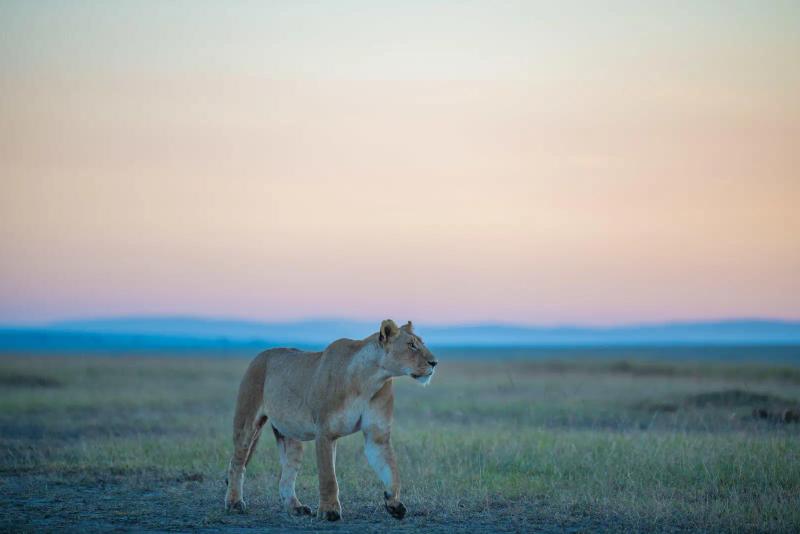
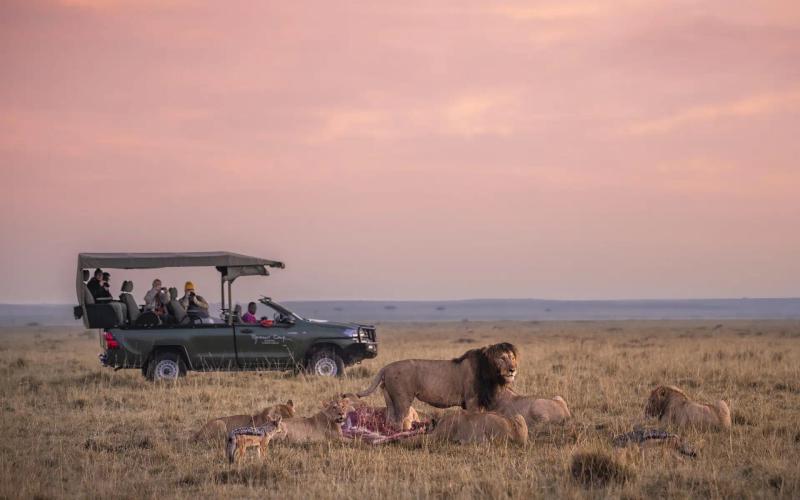
This 7-day bush and beach safari delivers an unforgettable journey, blending the wild, open plains of the Masai Mara with the serene, turquo...
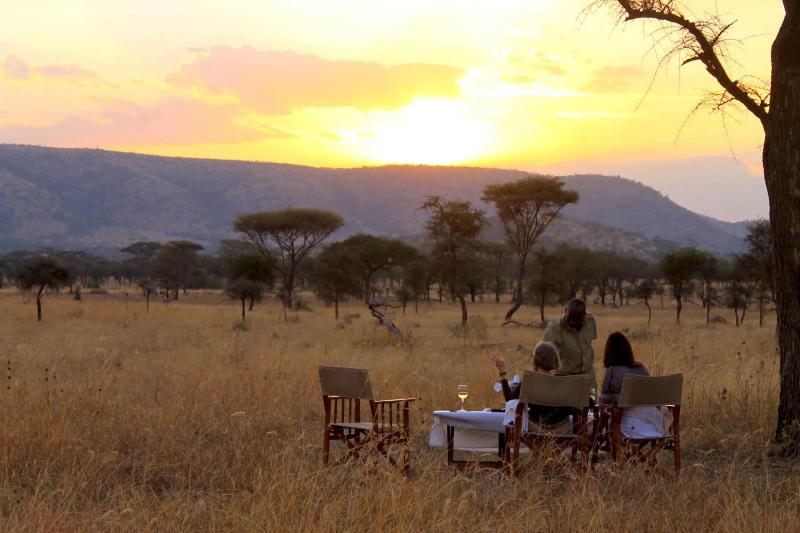
Embark on the ultimate East Africa safari with this 10-day journey through Kenya and Tanzania’s top game reserves. Stay in luxury safari lod...
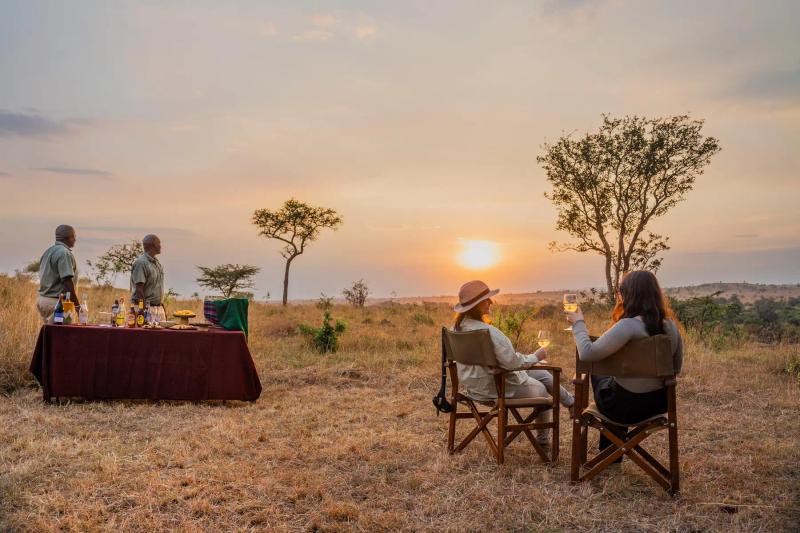
Your adventure starts in Nairobi, showcasing modern Kenyan style, before heading to the Masai Mara to see the Big Five, Mara Cats, and the G...
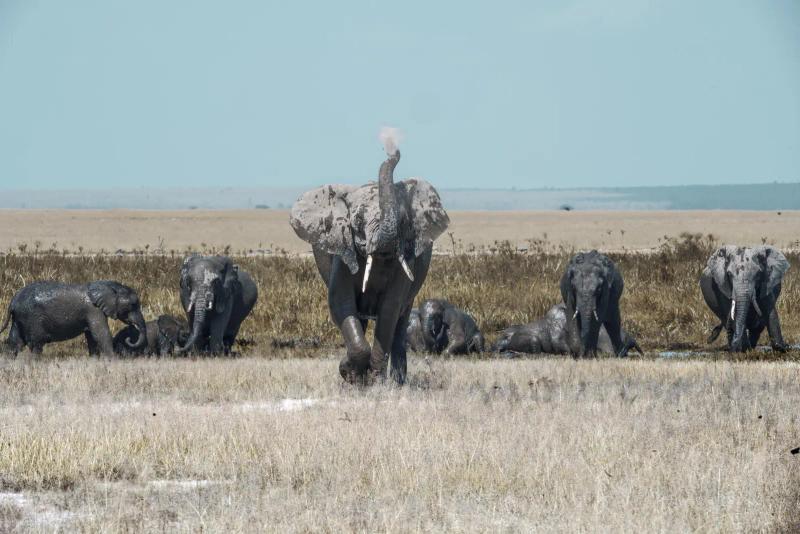
This 8-day tour explores the capital city of Nairobi, the Amboseli National Park which offers spectacular views of Tanzania's Mt Kilimanjaro...
Build your complete trip with our free trip builder. We'll help you find flights, hotels, and tours.
Build Your Trip →
The planning window currently listed for Masai Mara National Reserve is July - October (Great Migration arrives). Use it as a starting point, not a sighting promise: weather, animal movement, access, and local rules can change. Check current conditions with the relevant park or protected-area authority before booking.
Build a current total for transport, entry fees or permits, guiding, accommodation, meals, insurance, equipment, and taxes. Prices and currencies change too often for a generic daily figure to be dependable. Compare dated quotes with the same inclusions and confirm official fees and cancellation terms before paying.
Our current route note is: Fly into Nairobi (NBO) and take a domestic flight or drive 5-6 hours to the Mara. Verify operating schedules, border or entry requirements, road and seasonal access, baggage limits, and transfers with the relevant authorities and providers for your travel dates.
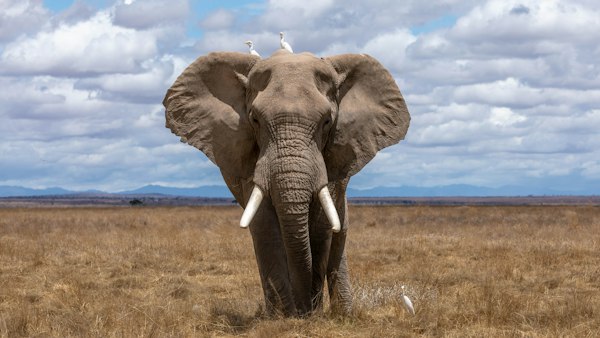
This guide connects Masai Mara National Reserve, Kenya, with Lion, Leopard, Cheetah, African Elephant, Hippopotamus, Zebra. The list is a planning aid rather than a complete inventory or guarantee. Ask a current local authority or responsible operator which species and public areas are realistic for your dates.
Use legal public access and follow the current instructions of park staff, guides, and local communities. Keep a safe distance, never feed, call, chase, or block wildlife, and do not ask for sensitive nesting, den, or release locations. Choose operators that explain group size, viewing rules, community benefit, and what happens when animals move away.