Planning a safari adventure with your family can be one of the most rewarding and educational experiences you'll ever share together. Watching your children's faces light up as they spot their first lion or elephant in the wild creates memories that last a lifetime. However, organizing a successful family safari requires careful planning, especially when traveling with kids who have different needs and attention spans than adult travelers.
Why Choose a Family Safari Adventure?
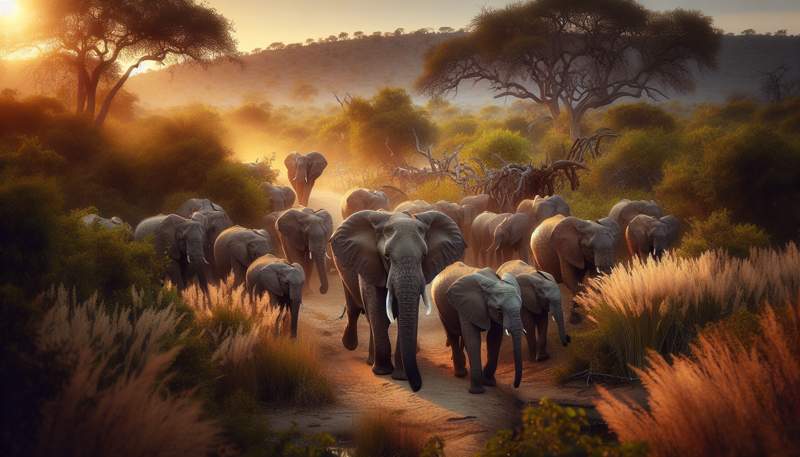
A safari offers children an unparalleled opportunity to connect with nature and witness wildlife in their natural habitat. Unlike zoo visits, safari experiences provide authentic encounters with animals like African elephants, lions, giraffes, and countless other species. These adventures foster environmental awareness, cultural understanding, and create lasting family bonds while exploring some of the world's most spectacular destinations.
Educational benefits extend far beyond wildlife observation. Children learn about ecosystems, conservation efforts, and different cultures while developing patience, observation skills, and appreciation for nature's complexity. The immersive experience of staying in safari lodges and interacting with local guides provides cultural insights that textbooks simply cannot match.
Best Safari Destinations for Families
Kenya and Tanzania
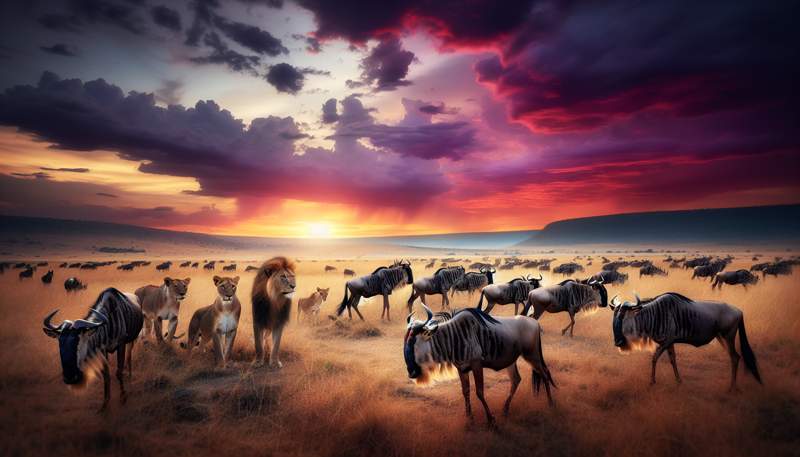
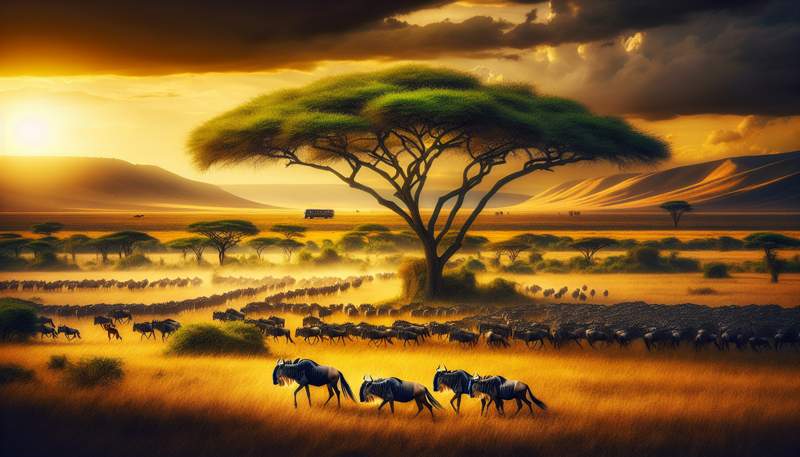
East Africa remains the quintessential safari destination for families, offering diverse wildlife viewing opportunities and well-established tourism infrastructure. The Masai Mara in Kenya and Serengeti in Tanzania provide excellent game viewing year-round, with the Great Migration offering spectacular wildlife encounters between July and October. These East Africa destinations feature family-friendly lodges with swimming pools, cultural activities, and shorter game drives suitable for children.
South Africa
South Africa offers malaria-free safari options in private reserves, making it ideal for families with young children. Kruger National Park and surrounding private reserves provide excellent wildlife viewing with luxury family accommodations. The country's excellent infrastructure, medical facilities, and diverse activities beyond safari make it perfect for multi-generational trips.
Botswana and Zambia
For families seeking more exclusive experiences, Botswana's Okavango Delta and Zambia's South Luangwa offer intimate wildlife encounters with smaller crowds. These destinations typically accommodate children over six years old and provide unique experiences like walking safaris and mokoro (dugout canoe) excursions.
Age-Appropriate Safari Planning
Families with Toddlers (Ages 2-4)
Traveling with toddlers requires selecting destinations with shorter game drives, flexible schedules, and child-friendly accommodations. South Africa's malaria-free reserves or Kenya's conservancies offer excellent options. Plan for frequent stops, bring entertainment for vehicle time, and choose lodges with swimming pools and open spaces for energy release.
School-Age Children (Ages 5-12)
This age group typically shows the most enthusiasm for safari experiences. They can participate in longer game drives, educational activities, and cultural interactions. Consider destinations with junior ranger programs, walking safaris, and hands-on conservation activities. Tanzania and Kenya offer excellent family programs during this stage.
Teenagers (Ages 13+)
Teenagers often appreciate more adventurous activities like walking safaris, night drives, and photography workshops. They can handle longer travel days and more remote destinations. Consider involving them in trip planning and selecting activities that align with their interests, such as conservation projects or cultural immersion experiences.
💡 Pro Tip: Book your safari through reputable operators like Safari.com or GetYourGuide to ensure family-friendly guides and age-appropriate activities are included in your package.
Essential Packing List for Family Safaris
Clothing and Sun Protection
Pack lightweight, neutral-colored clothing in earth tones like khaki, brown, and olive green. Avoid bright colors and patterns that might disturb wildlife. Essential items include:
- Wide-brimmed hats for sun protection
- Long-sleeved shirts for evening mosquito protection
- Comfortable walking shoes and sandals
- Lightweight rain jackets for unexpected showers
- Warm layers for early morning game drives
Health and Safety Items
Prioritize health preparations, especially when traveling to malaria-prone areas. Consult your pediatrician about appropriate medications and vaccinations. Pack comprehensive first aid supplies, including:
- Insect repellent (DEET-based for areas with malaria risk)
- Sunscreen (SPF 30 or higher)
- Hand sanitizer and wet wipes
- Basic medications for common ailments
- Thermometer and any prescription medications
Find quality safari gear and health supplies on Amazon to ensure you have everything needed for a safe and comfortable trip.
Entertainment and Education
Keep children engaged during travel and downtime with safari-themed activities:
- Wildlife identification books and field guides
- Binoculars sized for small hands
- Travel journals for recording sightings
- Coloring books and crayons
- Tablets with downloaded educational content
Budgeting for Your Family Safari
Safari costs vary significantly based on destination, accommodation level, and trip duration. Understanding typical safari expenses helps in planning an appropriate budget. Family safaris typically range from $3,000 to $15,000 per person, depending on luxury level and destination choice.
Cost-Saving Strategies
Reduce expenses without compromising experience quality by:
- Traveling during shoulder seasons (April-May, November)
- Choosing family-friendly group tours over private safaris
- Selecting destinations closer to main airports
- Booking accommodations with family room options
- Comparing packages through BookAllSafaris for competitive pricing
Health and Safety Considerations
Medical Preparations
Schedule medical consultations 6-8 weeks before departure to discuss necessary vaccinations and malaria prophylaxis. Common recommended vaccines include hepatitis A and B, typhoid, and yellow fever (required for certain destinations). Discuss age-appropriate malaria prevention with your pediatrician, as some medications aren't suitable for young children.
Travel Insurance
Comprehensive travel insurance becomes even more critical when traveling with children to remote safari destinations. Ensure coverage includes medical evacuation, trip cancellation, and adventure activity coverage. World Nomads offers specialized adventure travel insurance suitable for family safari trips.
⚠️ Important: Always carry copies of important documents, including passports, medical records, and emergency contacts. Store digital copies in cloud storage and physical copies in separate luggage pieces.
Accommodation Options for Families
Safari Lodges and Camps
Family-friendly lodges offer amenities like connecting rooms, swimming pools, and supervised children's activities. Many provide cultural programs where kids can learn about local traditions through craft-making, traditional games, and storytelling sessions. Look for accommodations that offer flexible meal times and child-friendly menu options.
Self-Drive Safari Options
Self-drive safaris in destinations like South Africa provide flexibility for families with varying schedules and interests. This option allows for spontaneous stops, personalized pacing, and cost savings. However, ensure you're comfortable with local driving conditions and have reliable vehicle support.
Book family-friendly accommodations through platforms like Expedia to compare options and read family-specific reviews.
Making the Most of Your Family Safari Experience
Educational Opportunities
Transform your safari into a comprehensive learning experience by engaging children in wildlife identification games, ecosystem discussions, and conservation education. Many lodges offer junior ranger programs that teach tracking skills, animal behavior, and environmental stewardship.
Photography Tips for Families
Encourage children to document their experiences through photography, whether using simple point-and-shoot cameras or smartphones. This creates personal connection with wildlife encounters and provides lasting memories. Consider bringing disposable cameras for younger children to avoid concerns about expensive equipment damage.
Cultural Integration
Incorporate cultural experiences by visiting local communities, learning traditional crafts, or participating in cultural performances. These interactions provide broader understanding of the regions you're visiting and create meaningful connections beyond wildlife viewing.
Conclusion
Planning a successful family safari requires careful consideration of your children's ages, interests, and needs, but the rewards far exceed the planning efforts. From witnessing incredible wildlife like cheetahs in action to learning about conservation efforts firsthand, safari experiences create educational and bonding opportunities unlike any other family vacation. Start planning early, choose age-appropriate destinations and activities, prioritize health and safety preparations, and prepare for an adventure that will inspire your family's love of wildlife and nature for generations to come. The memories created during your family safari will become treasured stories shared for years to come, making every aspect of the planning process worthwhile.