Photography
How to Photograph Big Cats on Safari: Expert Tips
Professional techniques for photographing lions, leopards, and cheetahs on safari. Camera settings, positioning, lighting, and behavior prediction from expert photographers.
Read guide →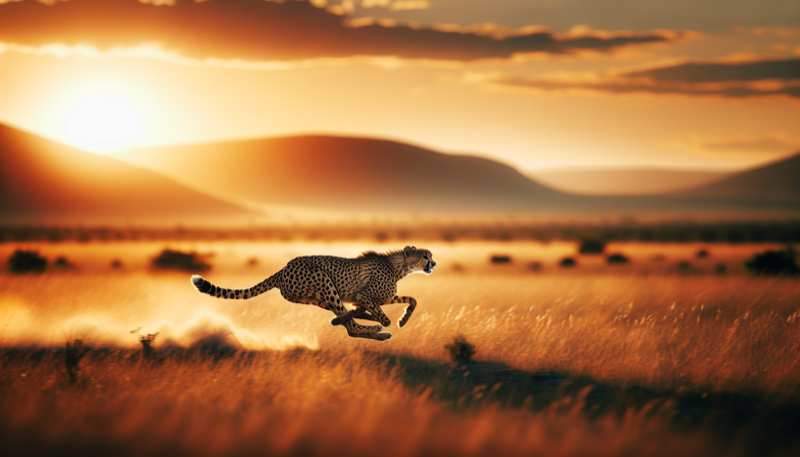
Acinonyx jubatus
The cheetah is the fastest land animal, reaching speeds of 112 km/h in short bursts. Unlike other big cats, cheetahs have a slender build, non-retractable claws for grip, and a deep chest for large lungs. They are diurnal hunters, relying on speed rather than stealth.
Migration: Non-migratory, enormous home ranges up to 1,500 km².
Best time of day: Early morning (6-10am) and late afternoon (3-6pm).
Typical viewing distance: 30-80 metres
Camera settings: 1/2000s-1/4000s for running, f/4-f/5.6, ISO 400-1600, 200-500mm
Open plains ideal for witnessing cheetah hunts.
Excellent cheetah viewing especially during the migration.
Open landscapes provide great visibility for cheetah sightings.
Compare practical destination guides with seasonal timing, travel logistics, other wildlife, tours, and places to stay.
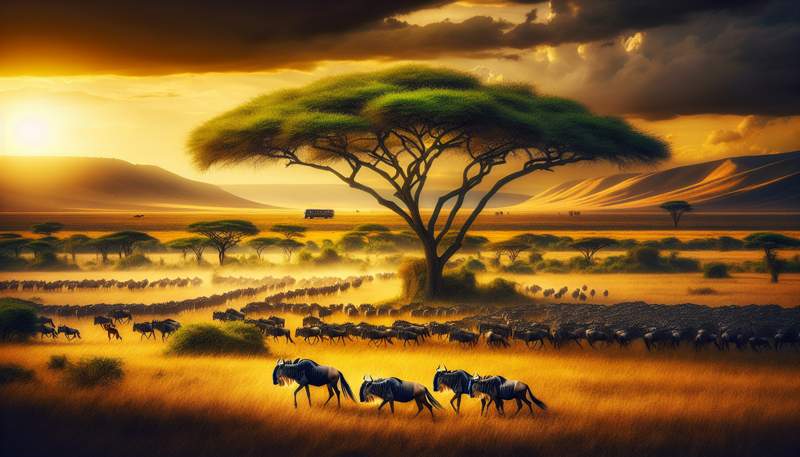
The Serengeti is synonymous with African safari. Spanning 14,750 km2 of savanna, it hosts the Great Migration — the largest overland animal movem...
Plan your visit →The Masai Mara is Kenya's most celebrated wildlife reserve, forming the northern extension of the Serengeti ecosystem. It offers some of the most...
Plan your visit →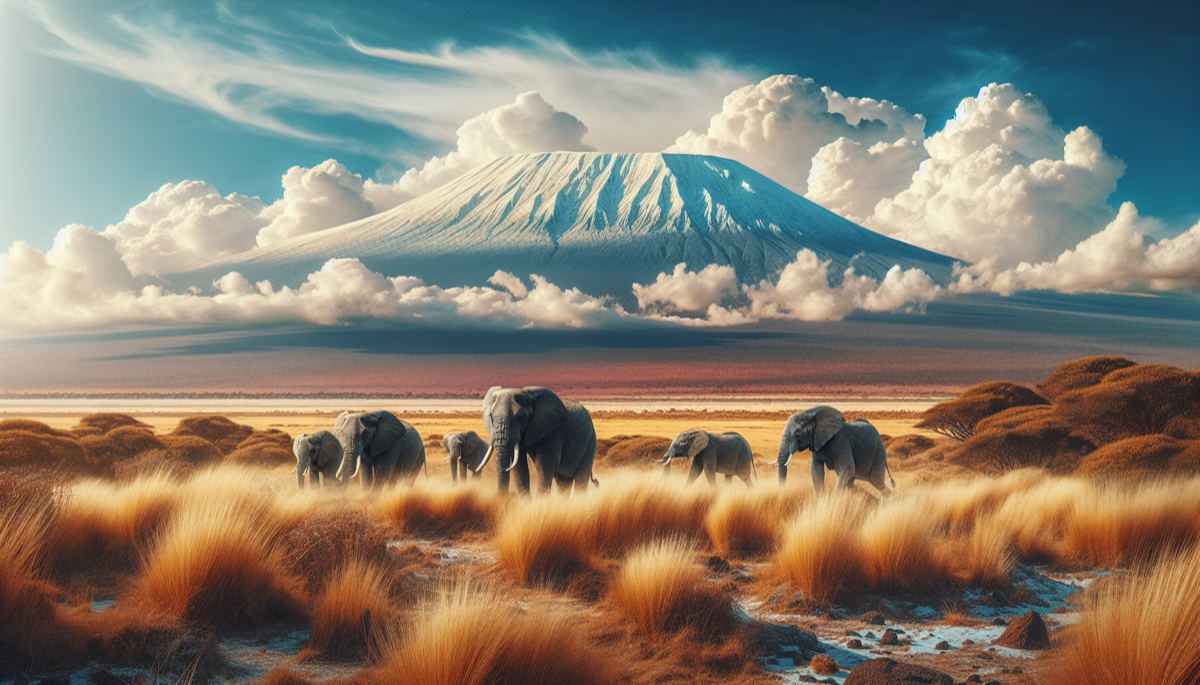
Amboseli National Park is one of Kenya's most iconic wildlife destinations, famous for its large elephant herds set against the dramatic backdrop...
Plan your visit →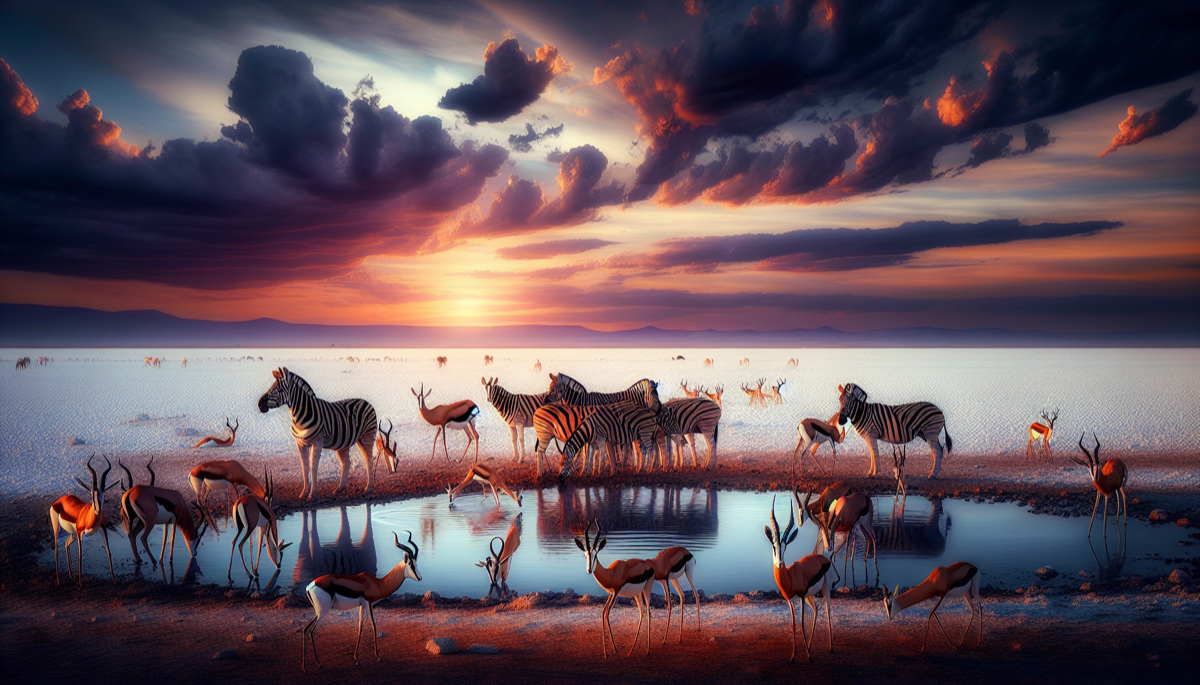
Etosha National Park is Namibia's premier wildlife destination, centred around a vast, shimmering salt pan that stretches 120 km across the park'...
Plan your visit →Country guides connect the species with other wildlife, featured places, planning context, and responsible-viewing advice.
Species may rely on several ecosystems across their range. Explore how conditions and conservation pressures differ.
Compare activity formats, physical conditions, operator questions, animal-welfare risks, and relevant destinations before choosing a tour.
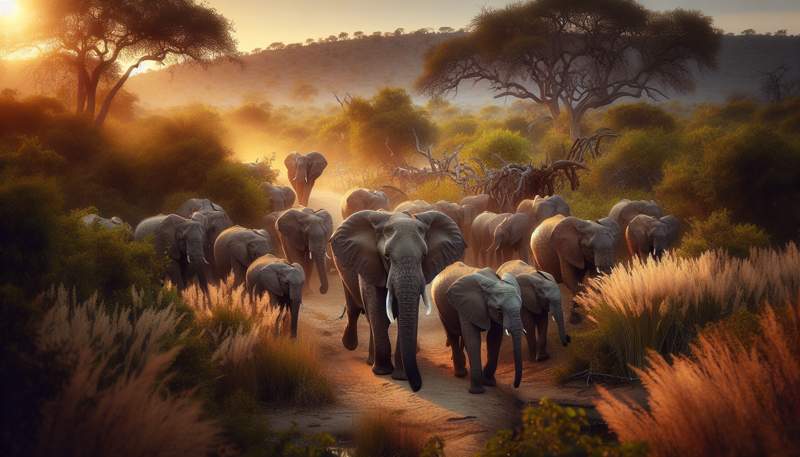
A game drive uses a vehicle to explore protected landscapes with a guide or, where rules allow, as a self-drive visitor. It is the most accessible…
Plan the experience →A wildlife photography tour should improve access, fieldcraft, and learning without turning animal welfare into a competition for the closest frame.…
Plan the experience →Washington, D.C., USA
Dunstable, UK
These third-party programmes offer relevant ways to adopt symbolically, foster, donate, or learn. We do not process contributions or receive commission.
A general support route for science-led wild-cat conservation, including species research, protected landscapes and corridors, conflict reduction, and action against poaching and illegal trade.
Review programme →Due DiligenceUnderstand symbolic adoption, verify the organisation, and review current terms and use of funds.
Open the programme directory →Current Viator listings matched to this species. Confirm where the activity operates, its wildlife policy, recent reviews, availability, and cancellation terms before booking.


Only species-relevant partner routes are shown. Confirm the exact location, wildlife policy, availability, current price, and cancellation terms before booking.
These links open third-party searches. Verify the exact operator, route, guide team, wildlife policy, field time, and no-sighting terms.
Search stays only after the gateway and field route are confirmed.
Compare current routes, baggage rules, buffers, and total booking terms.
Check medical, cancellation, activity, altitude, equipment, and evacuation terms for the exact itinerary.
Match equipment to guide advice, distance, weather, baggage limits, and safe handling.
Premium tailor-made packages from Africa's top operators. High-value bookings with expert planning.
Safari.com itinerary examples that may include cheetah habitat. Request a current quote and confirm the operator, exact route, wildlife policy, recent reviews, and cancellation terms before booking.
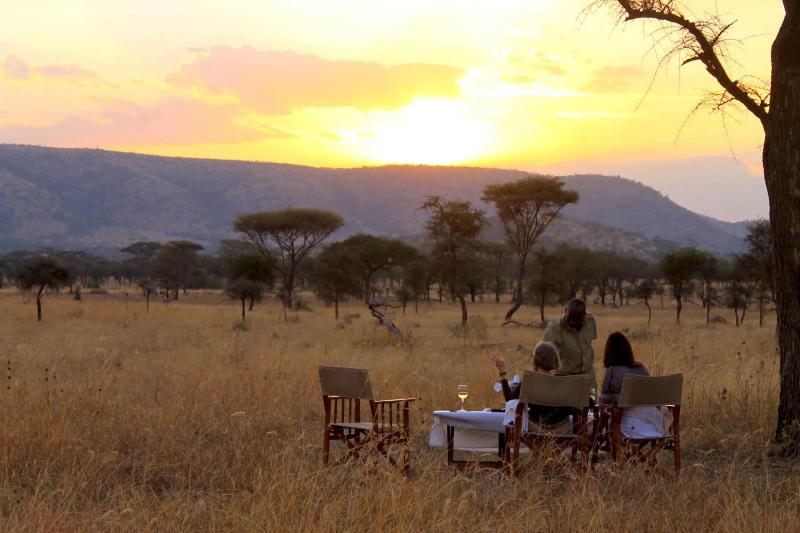
Embark on the ultimate East Africa safari with this 10-day journey through Kenya and Tanzania’s top game reserves. Stay in luxury safari lod...
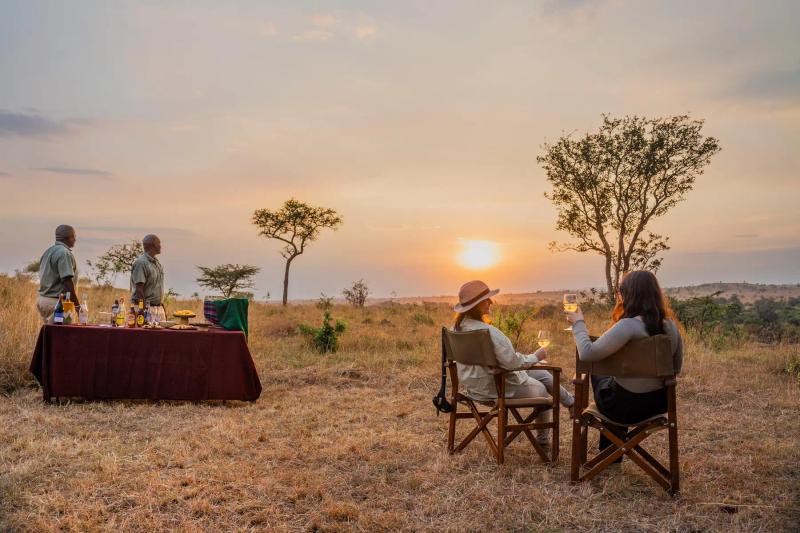
Your adventure starts in Nairobi, showcasing modern Kenyan style, before heading to the Masai Mara to see the Big Five, Mara Cats, and the G...
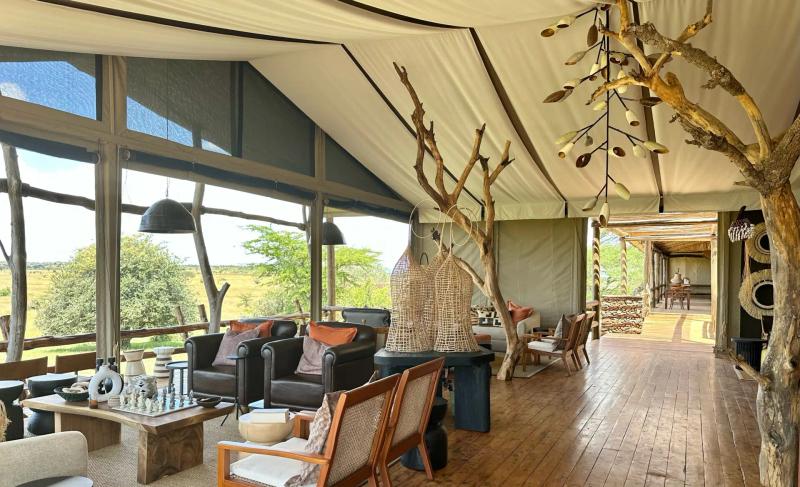
Home of the Great Migration. Simbavati Grumeti is nestled on the open plains between the Serengeti National Park and the Grumeti River, with...
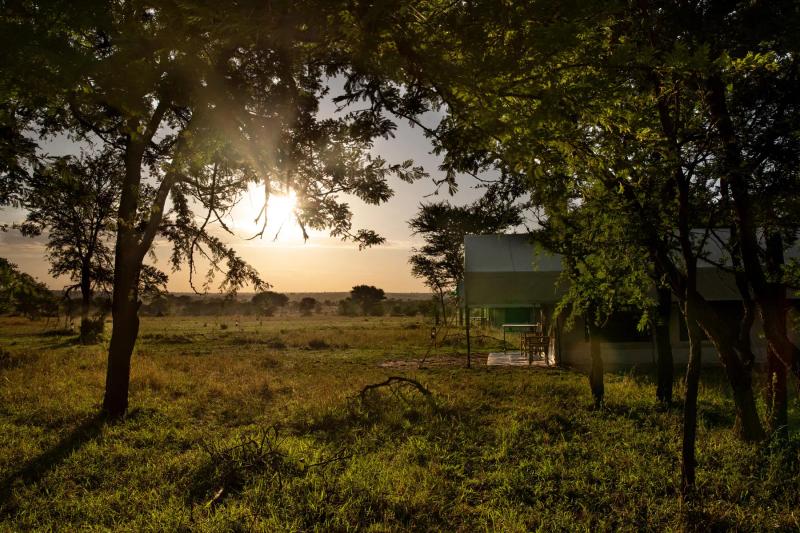
Embark on a 10-day journey of a lifetime that combines thrilling safaris with barefoot luxury. From iconic wildlife encounters in the heart ...
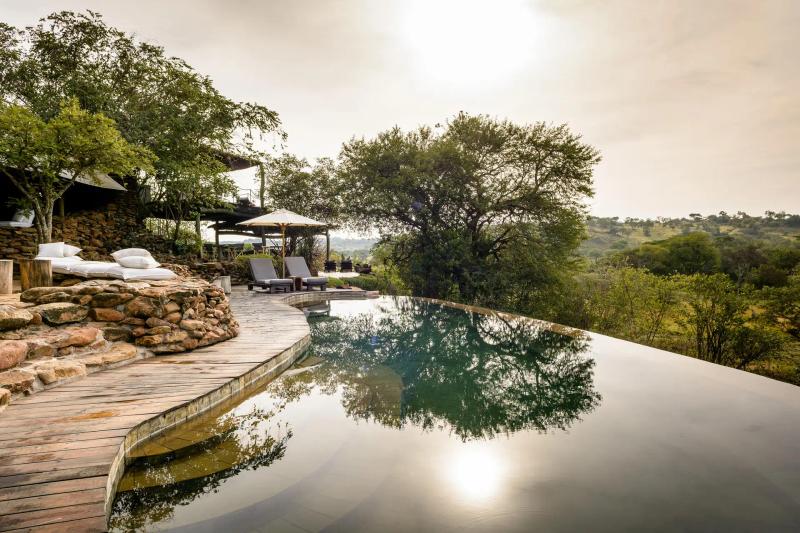
Singita Faru Faru Lodge offers a luxurious and immersive safari experience in the heart of the African wilderness. The lodge is renowned for...
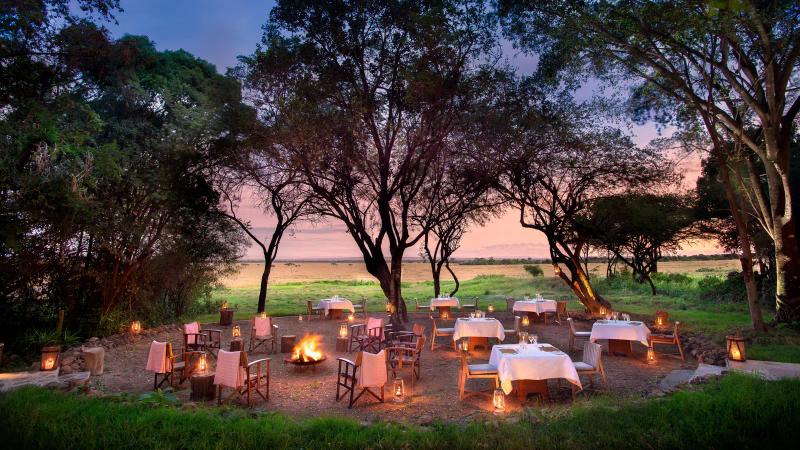
Explore some of Africa's best game parks on this 10-day safari through Kenya and Tanzania. Set out on an adventure combined with 5-star luxu...
Cheetahs hunt during the day, making them easier to photograph than nocturnal cats. A fast shutter speed (1/2000+) is essential to freeze their sprints.
Cheetahs rarely attack humans. Maintain distance and do not block their hunting path. Stay in your vehicle on safari.
See how Cheetah compares to other animals
Use these in-depth guides to compare destinations, timing, costs, photography, and responsible wildlife-viewing choices.
Professional techniques for photographing lions, leopards, and cheetahs on safari. Camera settings, positioning, lighting, and behavior prediction from expert photographers.
Read guide →