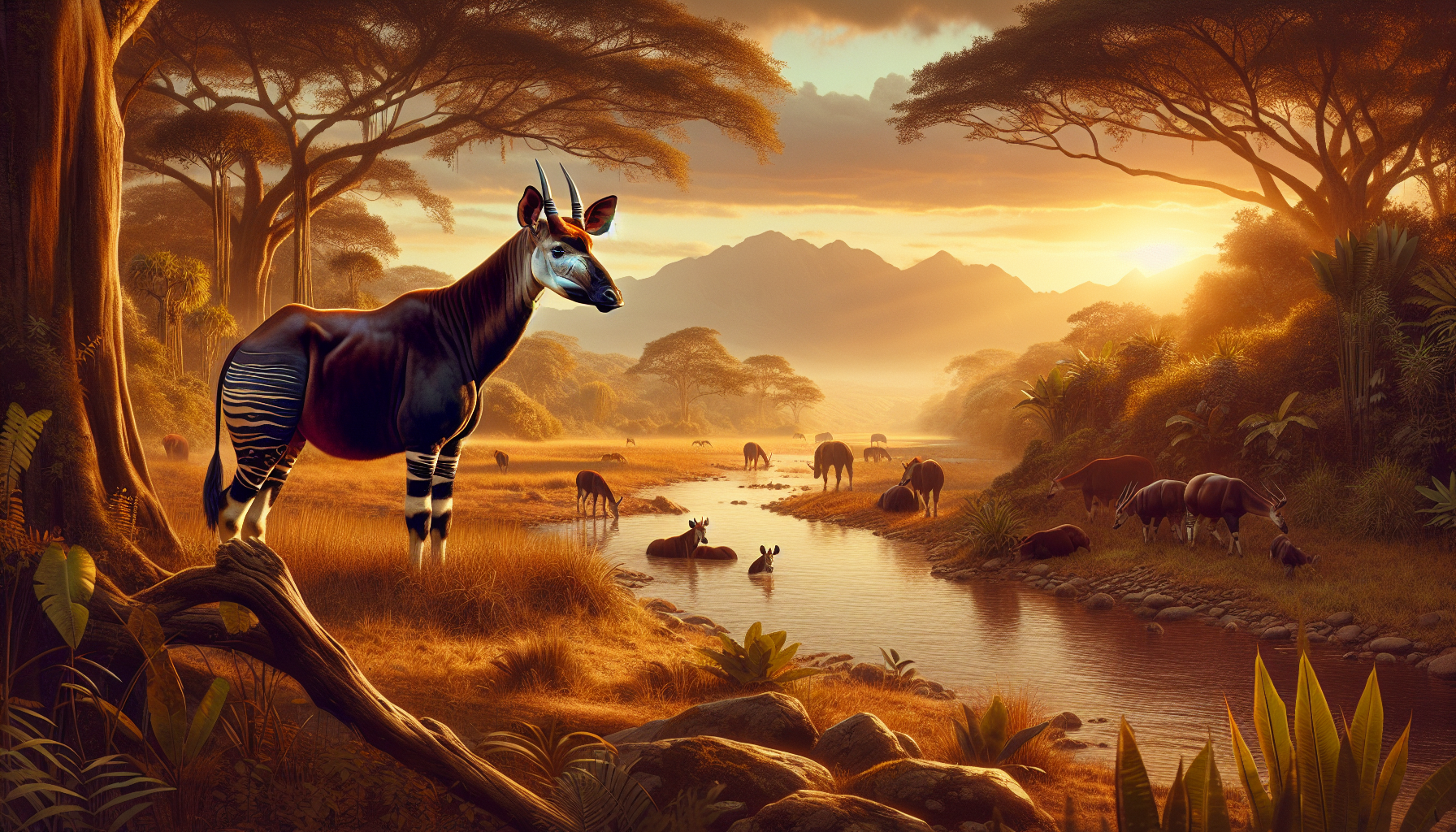
Deep in the heart of the Democratic Republic of Congo's rainforests lives one of Africa's most mysterious and fascinating creatures—the okapi. Often called the "forest giraffe" or "unicorn of the rainforest," this elusive animal combines the elegant neck of its savanna cousin with striking zebra-like stripes that have captivated wildlife enthusiasts for generations. Despite being discovered by Western science only in 1901, the okapi has roamed the dense Ituri Forest for millions of years, perfectly adapted to its shadowy world beneath the canopy. Let's explore everything you need to know about this remarkable animal that seems like nature's own creative masterpiece.
What Is an Okapi? Understanding the Forest Giraffe
The okapi (Okapia johnstoni) is a large mammal native exclusively to the dense rainforests of the Democratic Republic of Congo. Standing about 5 feet tall at the shoulder and weighing between 440-770 pounds, okapis are the only living relatives of giraffes, sharing a common ancestor that lived around 16 million years ago. Unlike their towering savanna cousins, okapis have evolved to navigate the thick undergrowth of tropical rainforests with remarkable grace.
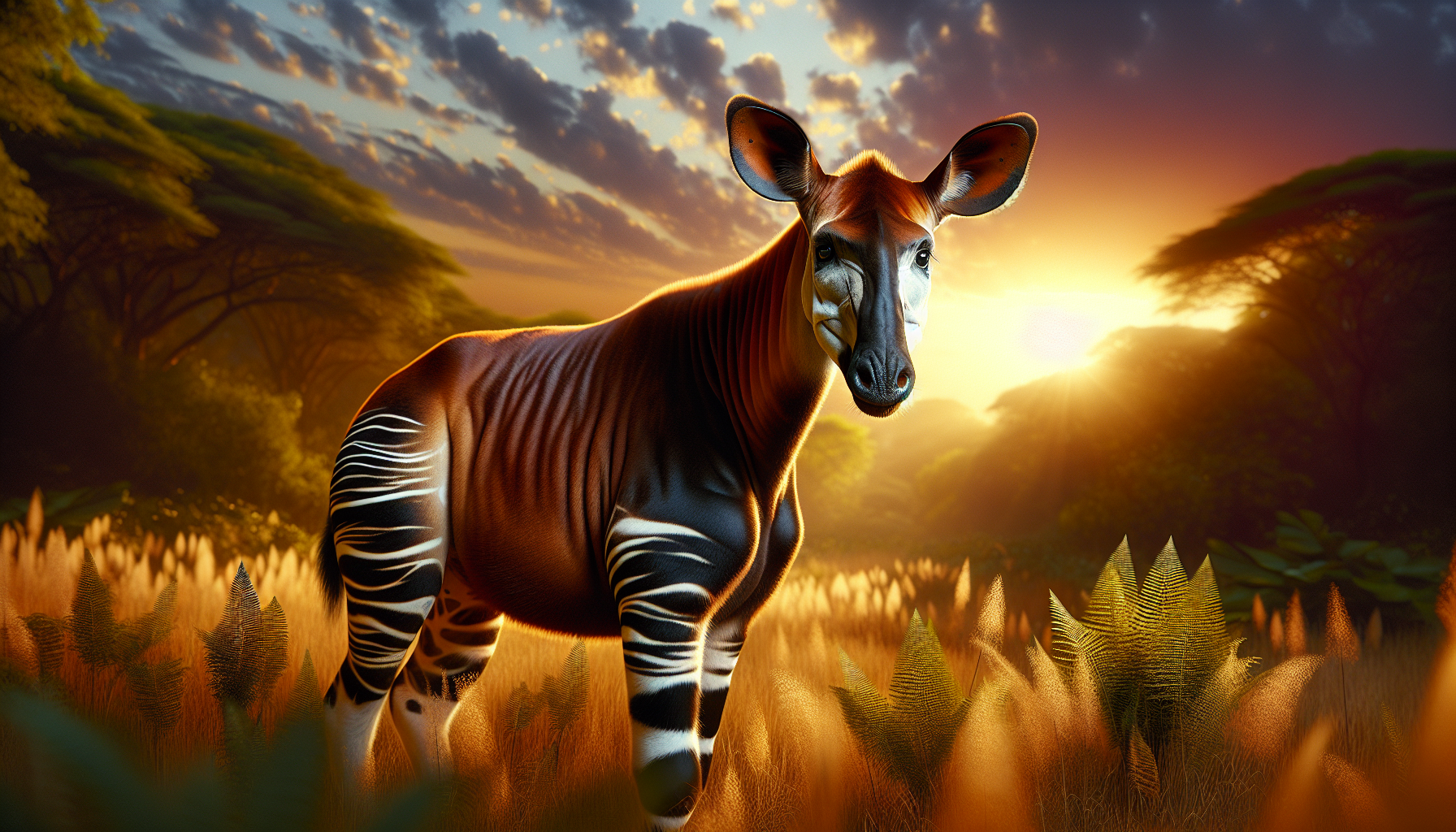
These magnificent creatures possess a unique chocolate-brown coat with a subtle reddish hue, complemented by their most distinctive feature—bold white horizontal stripes adorning their legs and rear end. Their long, flexible tongues can extend up to 14 inches, allowing them to strip leaves from branches and even clean their own ears. Male okapis sport short, skin-covered horns called ossicones, similar to giraffes, while females are hornless.
Okapis are primarily browsers, feeding on over 100 different plant species including leaves, buds, shoots, and fruits. Their keen senses and ability to move silently through dense vegetation make them perfectly suited for their rainforest home. If you're planning to witness these incredible animals in their natural habitat, consider finding wildlife experiences on GetYourGuide that specialize in Central African wildlife tours.
The Mystery Behind Okapi Zebra Stripes
One of the most intriguing aspects of okapi anatomy is their zebra-like striping pattern. These distinctive white stripes serve multiple purposes in their forest environment, making them a perfect example of evolutionary adaptation. The stripes are found exclusively on their legs and hindquarters, creating what scientists call "disruptive coloration."
In the dappled light of the rainforest floor, these stripes help break up the okapi's outline, making it difficult for predators like leopards to distinguish where the animal begins and ends. This camouflage technique is particularly effective when okapis stand motionless among the vertical lines of tree trunks and the play of light and shadow filtering through the canopy.
The stripes also serve a social function, helping okapis recognize members of their own species in the dense forest environment. Young okapis follow their mothers by focusing on these bold white markings, which remain visible even in low-light conditions. Interestingly, each okapi's stripe pattern is unique, much like human fingerprints, allowing researchers to identify individual animals in the wild.
Okapi Habitat: Life in the Ituri Forest
Okapis are found exclusively in the Ituri Forest of the Democratic Republic of Congo, making them one of the world's most geographically restricted large mammals. This vast rainforest, covering approximately 63,000 square kilometers, provides the perfect environment for these forest dwellers. The region's dense canopy, high humidity, and year-round temperatures between 70-85°F create ideal conditions for the okapi's survival.
The Ituri Forest is part of the larger Congo Basin rainforest system, which also supports other remarkable wildlife including mountain gorillas and forest elephants. Okapis prefer areas with dense understory vegetation, particularly near streams and clearings where their favorite food plants thrive. They establish territories ranging from 1-4 square miles, with males maintaining larger territories that may overlap with several female ranges.
Unfortunately, political instability, deforestation, and poaching have significantly impacted okapi populations. The Okapi Wildlife Reserve, established in 1996, protects about 13,700 square kilometers of crucial habitat, but continued conservation efforts are essential for the species' survival. Learn more about conservation initiatives on our conservation page to understand how you can contribute to protecting these remarkable animals.
Fascinating Okapi Facts and Behaviors
Okapis exhibit numerous fascinating behaviors and characteristics that set them apart from other mammals. Here are some remarkable facts about these forest giraffes:
- Silent Communication: Okapis primarily communicate through low-frequency sounds called infrasonic calls, which can travel long distances through dense forest without alerting predators
- Pregnancy Duration: Female okapis have one of the longest gestation periods among ungulates, carrying their young for 440-450 days (nearly 15 months)
- Solitary Lifestyle: Unlike their social giraffe relatives, okapis are largely solitary animals, coming together only for mating
- Scent Marking: Both males and females mark their territories using scent glands located on their feet
- Swimming Ability: Unlike giraffes, okapis are excellent swimmers and often cross rivers within their forest habitat
- Lifespan: In the wild, okapis typically live 15-20 years, though they can reach up to 30 years in captivity
Baby okapis, called calves, remain hidden for their first few months of life, with mothers returning only to nurse them. This behavior helps protect the vulnerable young from forest predators. The striking leg stripes become more pronounced as okapis mature, reaching full intensity by their first birthday.
Conservation Status and Threats
The okapi is currently classified as Endangered by the International Union for Conservation of Nature (IUCN), with an estimated population of fewer than 25,000 individuals remaining in the wild. This represents a significant decline from historical numbers, with populations decreasing by approximately 50% over the past two decades.
Primary threats to okapi survival include:
- Habitat Loss: Deforestation for agriculture, logging, and human settlement continues to fragment okapi habitat
- Poaching: Okapis are hunted for their meat and skin, with their distinctive striped hides being particularly valued
- Political Instability: Ongoing conflict in the Democratic Republic of Congo hampers conservation efforts and increases illegal hunting
- Mining Activities: Gold and coltan mining operations destroy forest habitat and increase human presence in okapi territories
Conservation organizations are working tirelessly to protect remaining okapi populations through anti-poaching patrols, community education programs, and habitat restoration projects. The Okapi Conservation Project, established in 1987, plays a crucial role in protecting both okapis and the broader ecosystem of the Ituri Forest. For more information about endangered species you can still observe in the wild, check out our comprehensive endangered animals guide.
Visiting Okapis: Planning Your Congo Adventure
Observing okapis in their natural habitat is an extraordinary but challenging experience that requires careful planning and realistic expectations. Due to their elusive nature and the remote location of their habitat, okapi sightings are relatively rare and require patience, persistence, and expert local guidance.
The primary location for okapi viewing is the Okapi Wildlife Reserve near Epulu in northeastern Congo. The reserve's research station offers the best opportunity to see these magnificent creatures, though visitors should be prepared for basic accommodations and challenging travel conditions. The best viewing months are during the drier seasons from December to February and June to August, when forest paths are more accessible.
Practical Information for Okapi Viewing:
- Cost: Specialized Congo wildlife tours typically range from $3,000-$8,000 per person for 7-10 day expeditions
- Best Time: December-February and June-August offer the most favorable weather conditions
- Duration: Plan for at least 5-7 days in the forest to maximize sighting opportunities
- Group Size: Small groups of 4-6 people are most effective for wildlife viewing
Before embarking on your okapi adventure, ensure you have comprehensive travel insurance from World Nomads and research current safety conditions. Consider combining your okapi expedition with visits to other unique Central African wildlife, and browse safari packages on BookAllSafaris for comprehensive wildlife experiences.
For photography enthusiasts hoping to capture these elusive creatures, lightweight, quiet camera equipment is essential. Check our wildlife photography guide for specific tips on photographing in dense forest environments. Remember that okapi photography requires extreme patience and respect for these sensitive animals and their fragile ecosystem.
The okapi truly represents one of nature's most remarkable evolutionary achievements—a living link between past and present, perfectly adapted to its unique rainforest home. By understanding and appreciating these incredible creatures, we can better support the conservation efforts needed to ensure that future generations will have the opportunity to marvel at the forest giraffe with zebra stripes roaming the ancient forests of Central Africa.