Tips
What Is an Okapi? Biology, Diet and Conservation
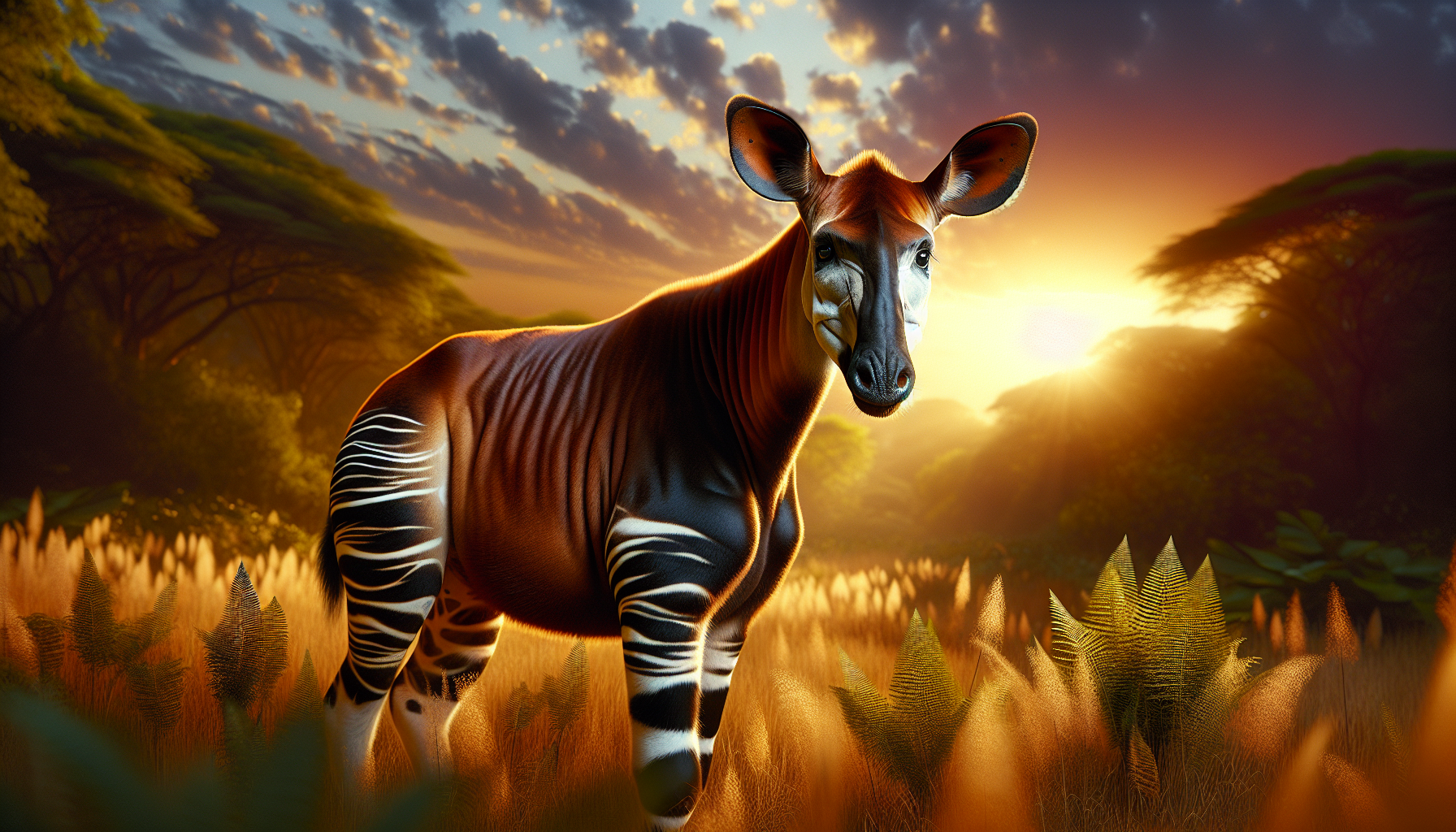
Understand what an okapi is, how it is related to giraffes, where it lives, what it eats, and why protecting Congo Basin rainforest matters.
Read guide →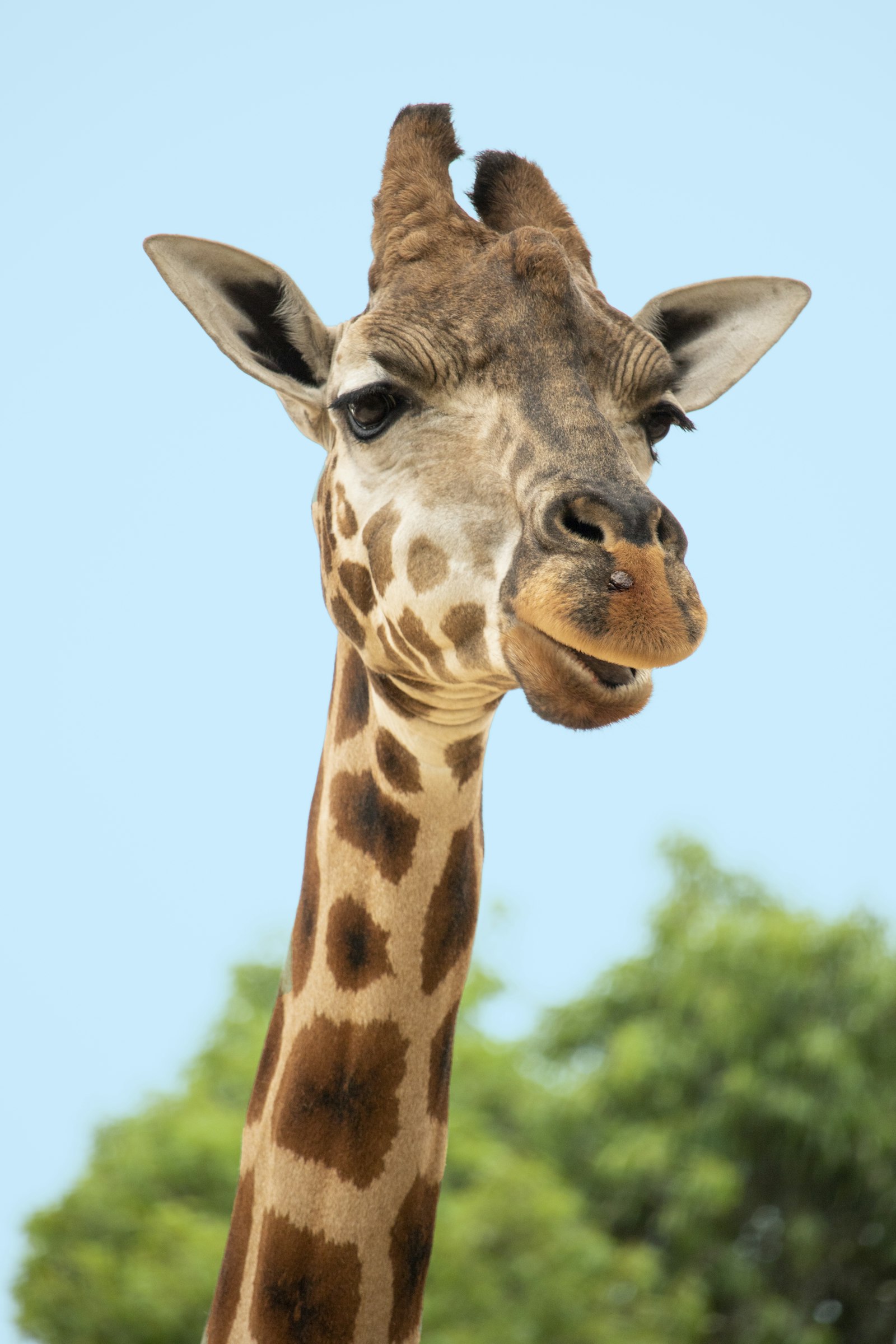
Giraffa camelopardalis
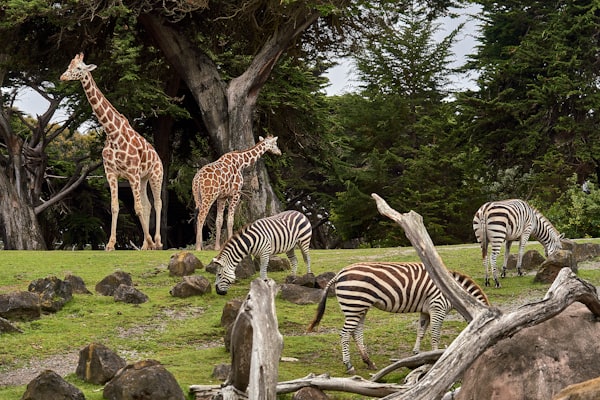
The tallest living terrestrial animal, giraffes can reach nearly 6 metres in height. Their long necks contain the same number of vertebrae as humans — just seven, but each one can be over 25 cm long. Giraffes are gentle browsers, feeding primarily on acacia leaves at heights no other herbivore can reach.
Migration: Non-migratory, move within large home ranges following food.
Best time of day: Active throughout the day. Best photography light morning and evening.
Typical viewing distance: 20-50 metres from vehicle
Camera settings: 1/500s, f/5.6-f/8, ISO 200-800, 70-200mm or wide-angle for silhouettes
Masai giraffes roam the plains in large groups.
Angolan giraffes at waterholes make for stunning photography.
Excellent giraffe sightings along most roads.
Compare practical destination guides with seasonal timing, travel logistics, other wildlife, tours, and places to stay.
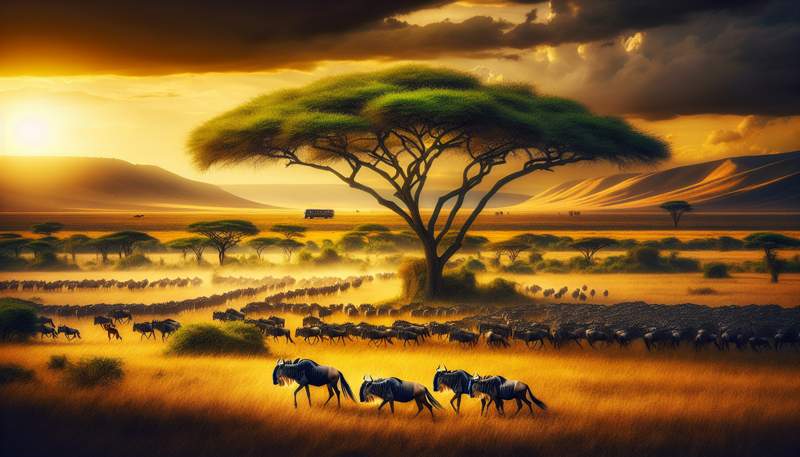
The Serengeti is synonymous with African safari. Spanning 14,750 km2 of savanna, it hosts the Great Migration — the largest overland animal movem...
Plan your visit →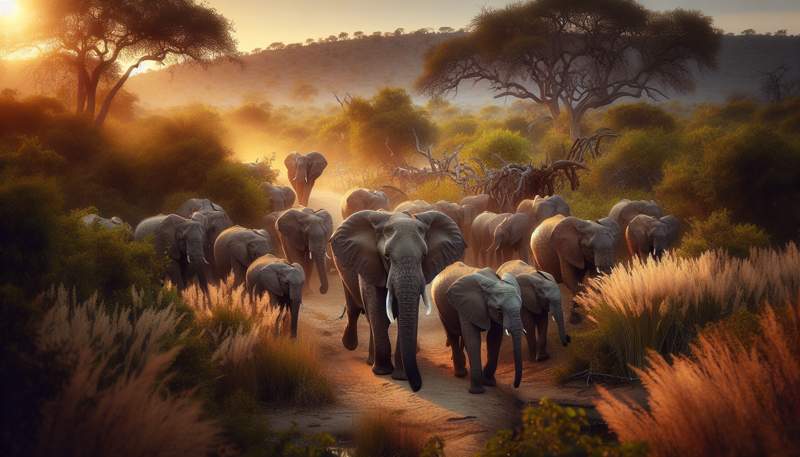
Kruger is one of the largest game reserves in Africa, covering nearly 20,000 km2. It offers an accessible, affordable safari experience with exce...
Plan your visit →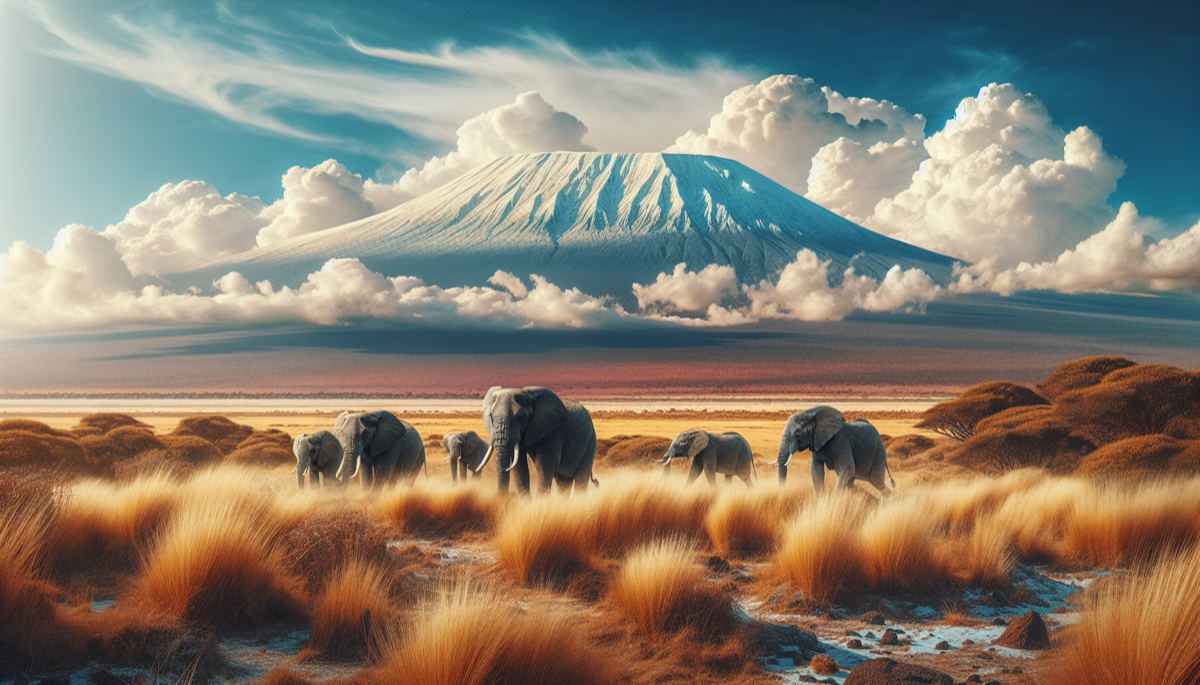
Amboseli National Park is one of Kenya's most iconic wildlife destinations, famous for its large elephant herds set against the dramatic backdrop...
Plan your visit →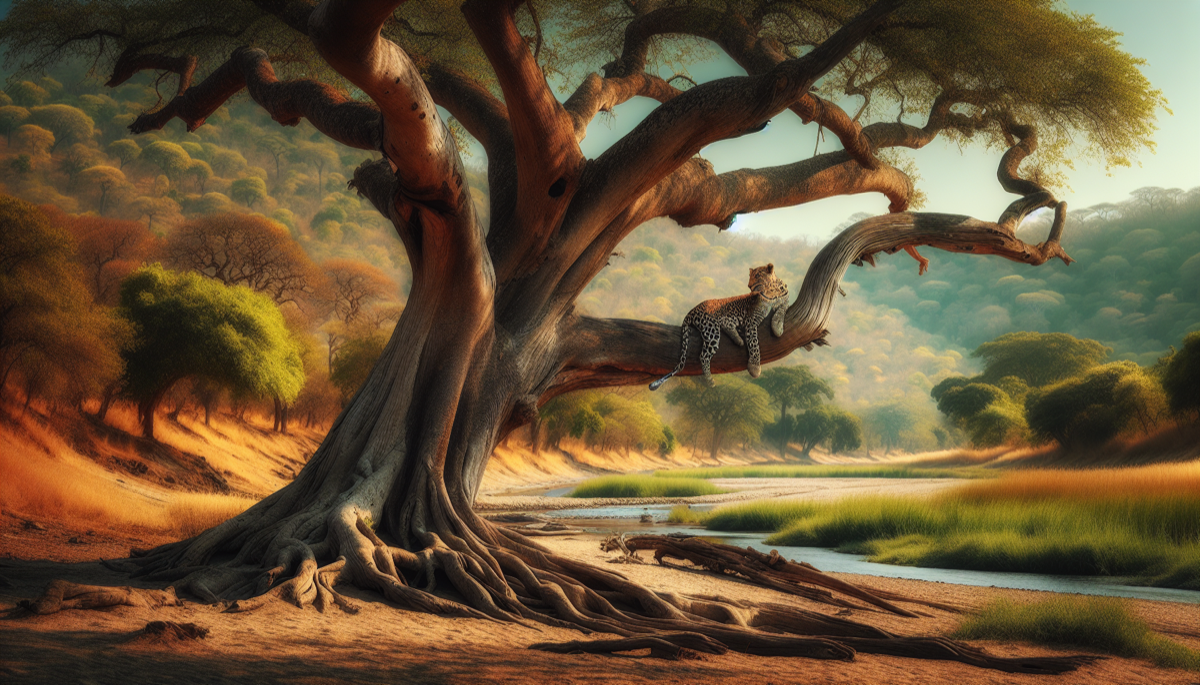
South Luangwa National Park is one of Africa's finest wildlife sanctuaries, located in eastern Zambia along the winding Luangwa River. Often call...
Plan your visit →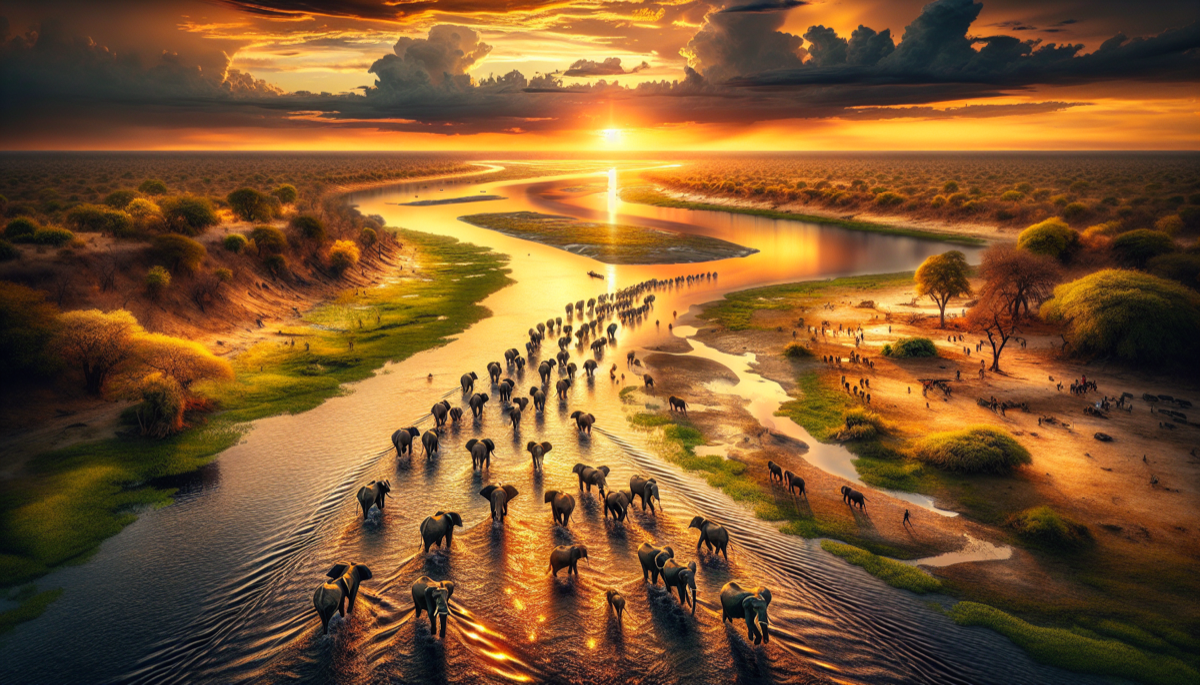
Chobe National Park in northern Botswana is home to the largest elephant population in Africa, with an estimated 120,000 elephants moving through...
Plan your visit →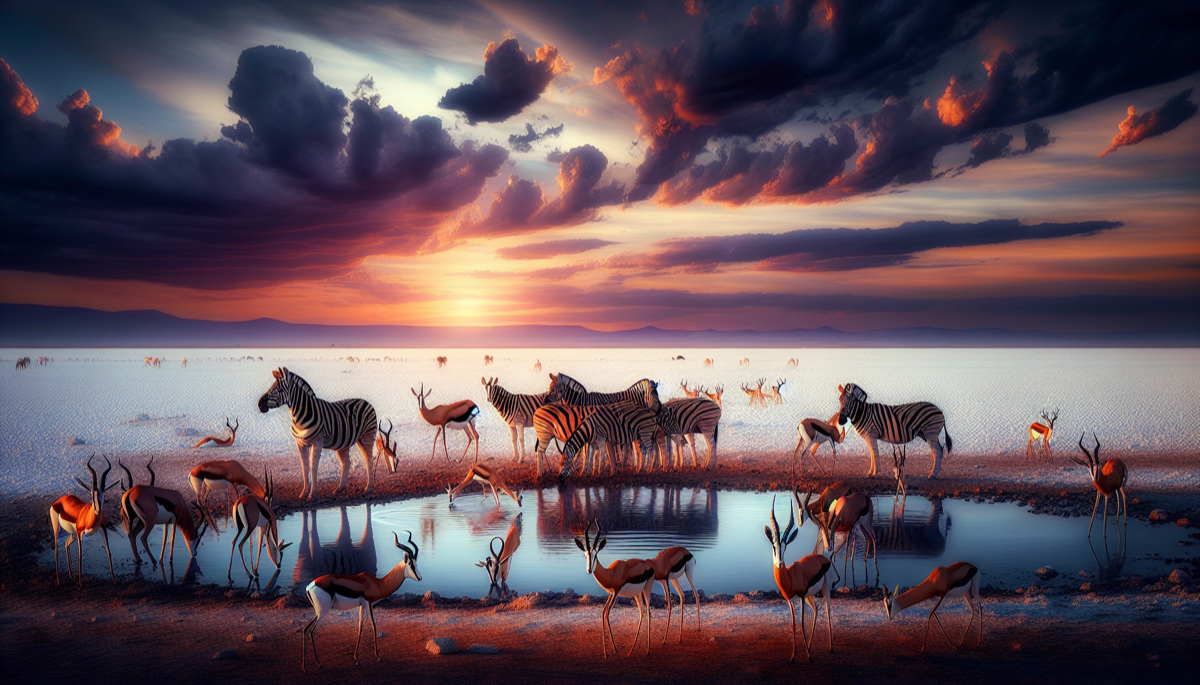
Etosha National Park is Namibia's premier wildlife destination, centred around a vast, shimmering salt pan that stretches 120 km across the park'...
Plan your visit →Country guides connect the species with other wildlife, featured places, planning context, and responsible-viewing advice.
Species may rely on several ecosystems across their range. Explore how conditions and conservation pressures differ.
Compare activity formats, physical conditions, operator questions, animal-welfare risks, and relevant destinations before choosing a tour.
A game drive uses a vehicle to explore protected landscapes with a guide or, where rules allow, as a self-drive visitor. It is the most accessible…
Plan the experience →A walking safari shifts attention from covering distance to reading an ecosystem at ground level. Tracks, dung, plants, insects, alarm calls, wind,…
Plan the experience →These third-party programmes offer relevant ways to adopt symbolically, foster, donate, or learn. We do not process contributions or receive commission.
An adoption programme featuring rescued elephants and other orphans in the Trust's care, within a wider programme of veterinary response, rehabilitation, protected-area work, and eventual return to the wild where possible.
Review programme →AdoptA symbolic giraffe adoption and giving route connected to field programmes for giraffe research, monitoring, translocations, habitat, and country-led conservation across Africa.
Review programme →Due DiligenceUnderstand symbolic adoption, verify the organisation, and review current terms and use of funds.
Open the programme directory →Current Viator listings matched to this species. Confirm where the activity operates, its wildlife policy, recent reviews, availability, and cancellation terms before booking.


Safari.com itinerary examples that may include giraffe habitat. Request a current quote and confirm the operator, exact route, wildlife policy, recent reviews, and cancellation terms before booking.
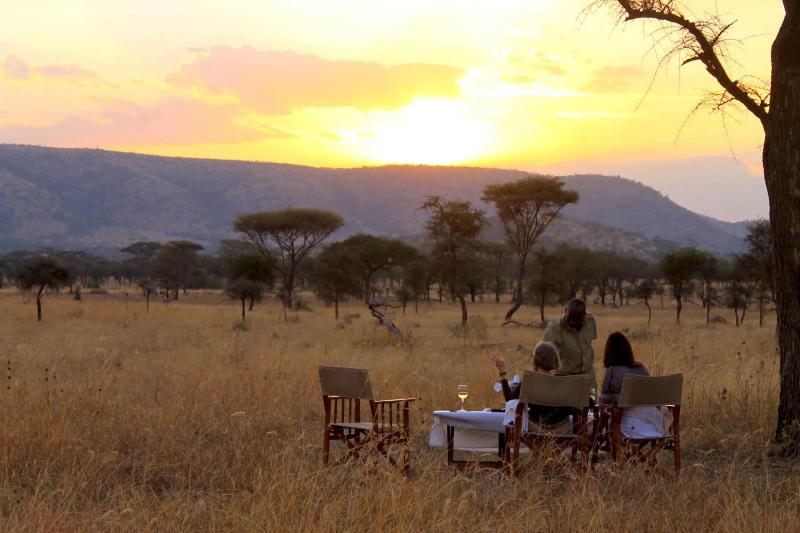
Embark on the ultimate East Africa safari with this 10-day journey through Kenya and Tanzania’s top game reserves. Stay in luxury safari lod...
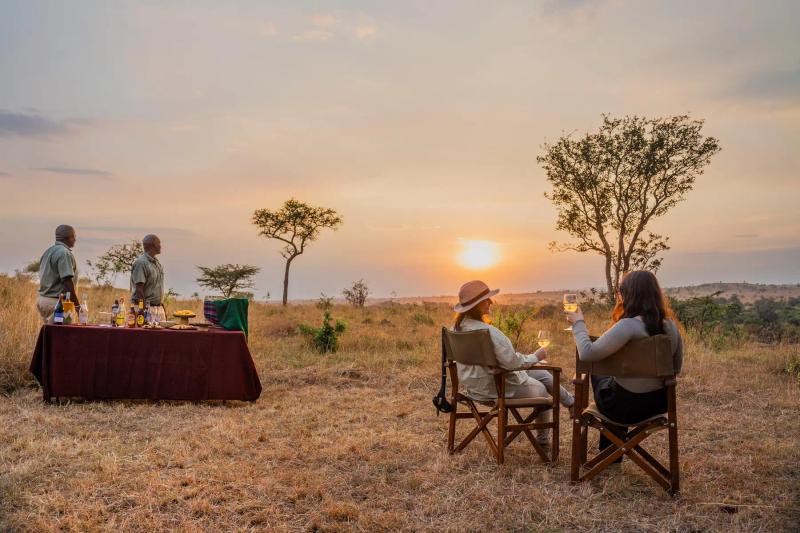
Your adventure starts in Nairobi, showcasing modern Kenyan style, before heading to the Masai Mara to see the Big Five, Mara Cats, and the G...
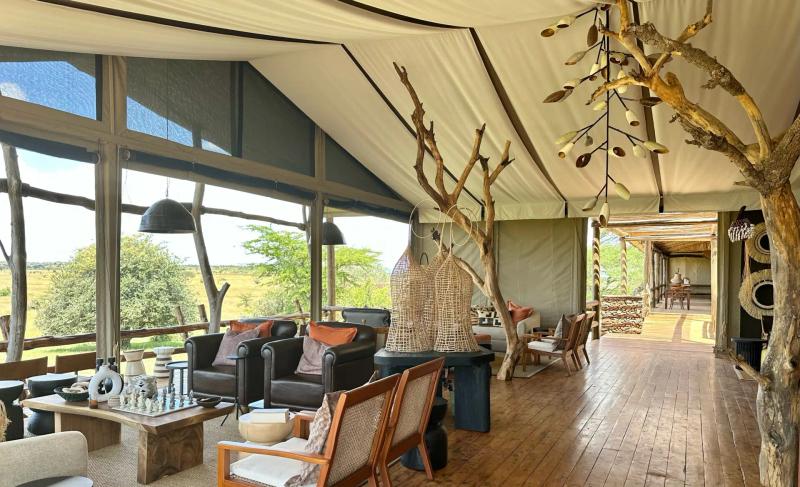
Home of the Great Migration. Simbavati Grumeti is nestled on the open plains between the Serengeti National Park and the Grumeti River, with...
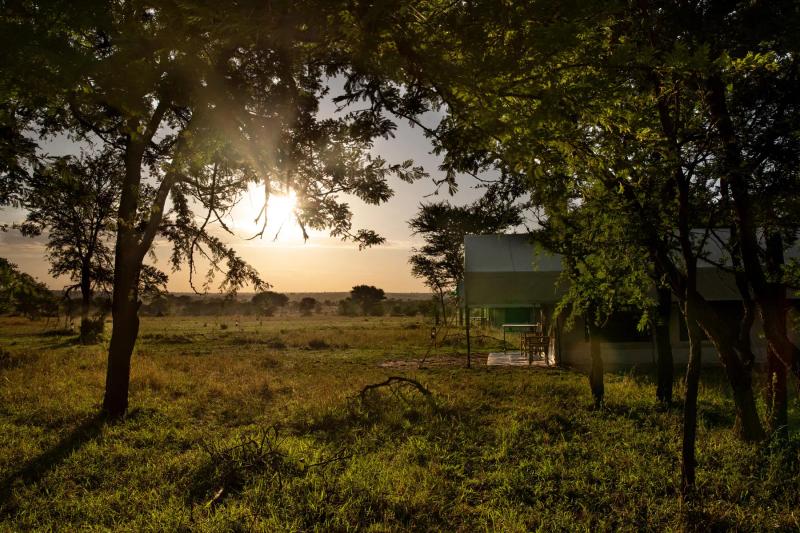
Embark on a 10-day journey of a lifetime that combines thrilling safaris with barefoot luxury. From iconic wildlife encounters in the heart ...
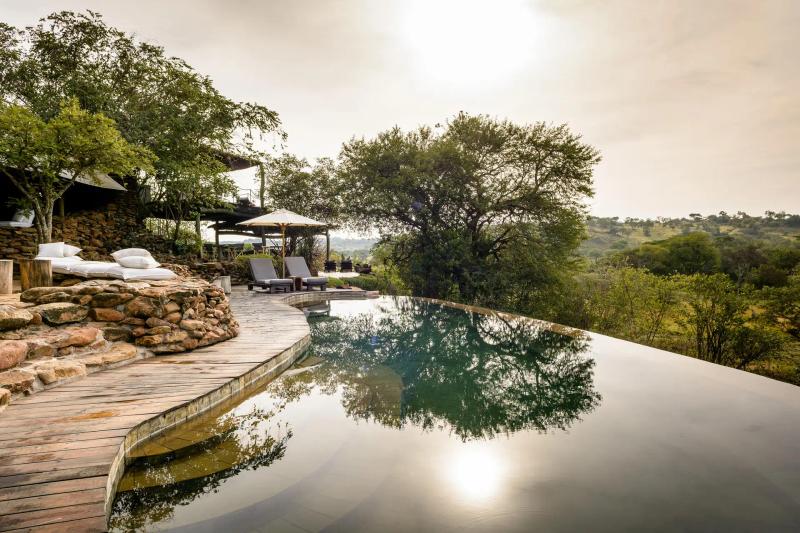
Singita Faru Faru Lodge offers a luxurious and immersive safari experience in the heart of the African wilderness. The lodge is renowned for...
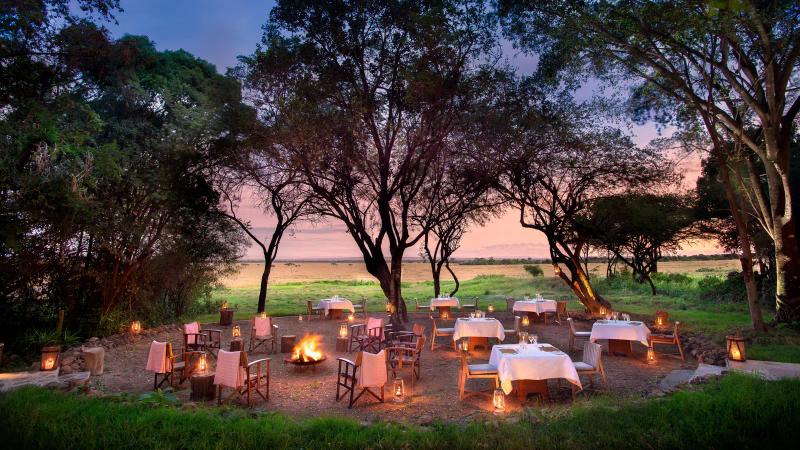
Explore some of Africa's best game parks on this 10-day safari through Kenya and Tanzania. Set out on an adventure combined with 5-star luxu...
Use their height to create dramatic silhouettes against sunrise/sunset. Wide-angle lenses work well to show their full stature against the landscape.
Giraffes are generally docile but can deliver a powerful kick. Keep a safe distance, especially from mothers with calves.
See how Giraffe compares to other animals
Use these in-depth guides to compare destinations, timing, costs, photography, and responsible wildlife-viewing choices.
Understand what an okapi is, how it is related to giraffes, where it lives, what it eats, and why protecting Congo Basin rainforest matters.
Read guide →