Your first African safari will be one of the most memorable experiences of your life, but it helps to know what to expect so you can relax and enjoy every moment. Safari veterans often say they wish someone had told them certain things before their first trip. This guide covers everything, from the daily routine to realistic wildlife expectations, so you arrive prepared and leave with incredible memories.
A Typical Safari Day
Early Morning (5:00-5:30 AM Wake-Up)
Safari mornings start early. Very early. Your wake-up call will come around 5:00 AM, sometimes earlier, delivered by a gentle knock on your door or a radio call. This is not optional, as the best wildlife viewing happens in the first two hours after sunrise when animals are most active.
You will have time for a quick cup of coffee or tea and a light snack (biscuits, rusks, or fruit) before climbing into the game drive vehicle. Dress in layers because early mornings on an open vehicle can be surprisingly cold, even in tropical Africa.
Morning Game Drive (6:00-9:30 AM)
The morning game drive is typically the highlight of the day. Your guide drives through the reserve, stopping whenever wildlife is spotted. The pace is relaxed but purposeful. Guides communicate with each other by radio, sharing sighting information, so if a leopard has been spotted in a nearby area, you will know about it.
Most morning drives include a "bush breakfast" stop, where the guide finds a scenic, safe spot and sets up coffee, tea, and snacks under a tree. These stops are wonderful opportunities to stretch your legs, use the bush toilet (behind a designated bush), and absorb the landscape.
Mid-Morning to Afternoon (10:00 AM - 3:30 PM)
After returning to the lodge, a full brunch or late breakfast is served. The middle of the day is rest time. Animals are typically less active during the hottest hours, and lodges encourage guests to relax by the pool, nap, read, or enjoy spa treatments.
Some lodges offer optional activities during this period: guided bush walks, visits to local communities, or presentations on tracking and conservation.
Afternoon Game Drive (3:30-6:30 PM)
The afternoon drive begins with tea and cake at the lodge, followed by another 3-hour drive. As the heat fades, animals become active again. Predators begin to stir, and the golden afternoon light creates stunning photography conditions.
Most afternoon drives include a "sundowner" stop: drinks and snacks in a scenic location while watching the African sunset. This is one of the most magical safari traditions.
Evening (7:00-9:30 PM)
Dinner is a social affair, often served around a communal table or in a boma (open-air enclosure). The food at most safari lodges is excellent, with multi-course meals featuring local and international cuisine. After dinner, the star-gazing is extraordinary, as most safari areas have minimal light pollution.
Most guests are in bed by 9:30 PM. The 5:00 AM wake-up comes fast.
Wildlife Expectations: Be Realistic
You Will Not See Everything on Day One
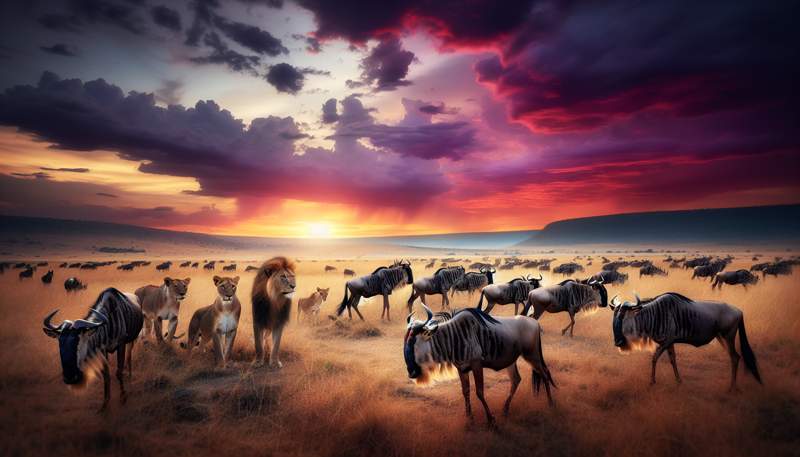
The Big Five (lion, leopard, elephant, rhino, buffalo) are the headline act, but seeing all five in a single drive is rare. Most guests see all five over a 3-4 night stay in a good reserve. Some sightings take patience, and leopards in particular can be elusive.
Animal Behaviour is Unpredictable
Wild animals do not perform on cue. You might spend 30 minutes watching sleeping lions (they sleep up to 20 hours a day) or follow a leopard for an hour only to have it disappear into thick bush. This is reality, not a zoo. Embrace the unpredictability; it makes the dramatic moments even more special.
The "Little Things" Are Often the Best
Many safari veterans say their favourite moments were not the big predator sightings but the unexpected encounters: a dung beetle rolling its ball across the road, a chameleon changing colour on a branch, or an elephant calf learning to use its trunk. Keep your mind open to the small wonders.
Game Drive Etiquette
- Stay seated: Never stand up in the vehicle, even for a better photo. Animals see the vehicle as a single non-threatening shape, and a standing person can alarm them
- Keep quiet: Whisper during close encounters. Loud voices and sudden movements can cause animals to flee
- Trust your guide: If your guide says it is time to move on, there is usually a good reason. They know the animals' behaviour patterns and are making judgment calls about safety and animal welfare
- No flash photography: Camera flashes can startle and stress animals, especially at close range
- Ask questions: Good guides love questions. Ask about tracks, dung, bird calls, trees, anything. Your guide's knowledge is one of the most valuable parts of the safari experience
What to Pack: The Essentials
For a complete packing list, see our dedicated safari packing guide. The essentials include:
- Neutral-coloured clothing (khaki, olive, brown)
- A warm fleece or jacket for early morning drives
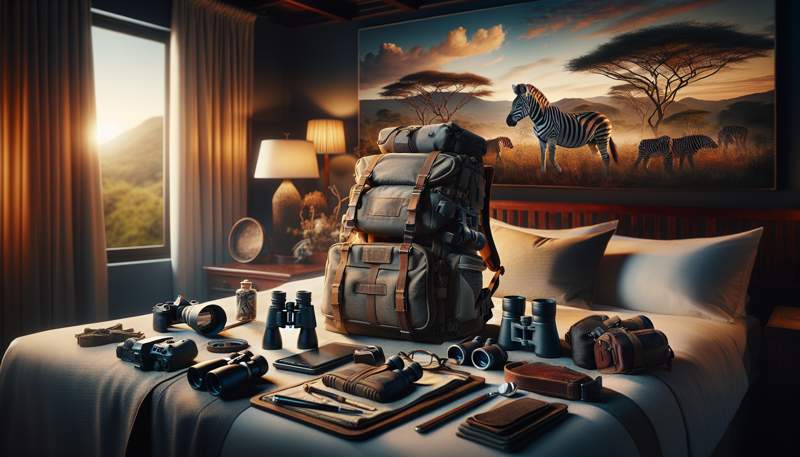
- Binoculars (even a basic pair dramatically improves your experience)
- Sunscreen (SPF 50+), sunglasses, and a hat
- Camera with a zoom lens (200mm minimum for wildlife)
- Insect repellent containing DEET
Browse essential safari gear on Amazon to ensure you have everything you need before departure.
Choosing Your First Safari Destination
For first-time safari-goers, we recommend destinations with reliable wildlife sightings and good infrastructure:
- Masai Mara, Kenya: Exceptional Big Five viewing, dramatic landscapes, and the Great Migration (July-October)
- Kruger, South Africa: Self-drive option, affordable accommodation, and incredible biodiversity
- Serengeti, Tanzania: Vast wilderness, the Great Migration, and iconic African landscapes
For help planning your first safari, explore packages on Safari.com or compare options on GetYourGuide. Both platforms offer beginner-friendly safari experiences with expert guides who specialize in making first-time safaris unforgettable.