
Where to See
Best Wildlife Destinations in Europe
Compare Andújar, Abruzzo, Białowieża, the Danube Delta, Isle of May, the Azores, and Svalbard by wildlife, access, safety, season, and trip fit.
Read guide →Best time: Activity-specific: match daylight or polar night, snow and sea-ice conditions, vessel operations, legal landing access, weather, wildlife sensitivity, and the operator's current route; no season guarantees any species
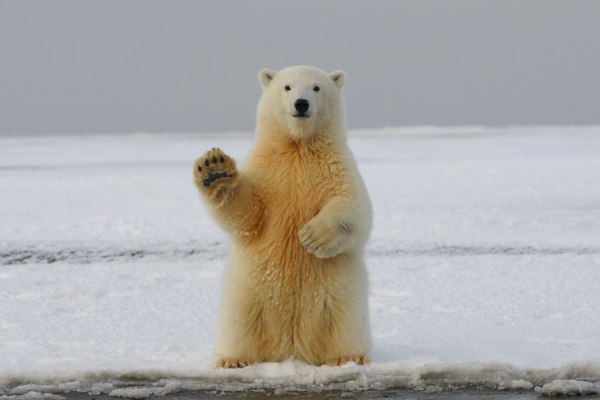
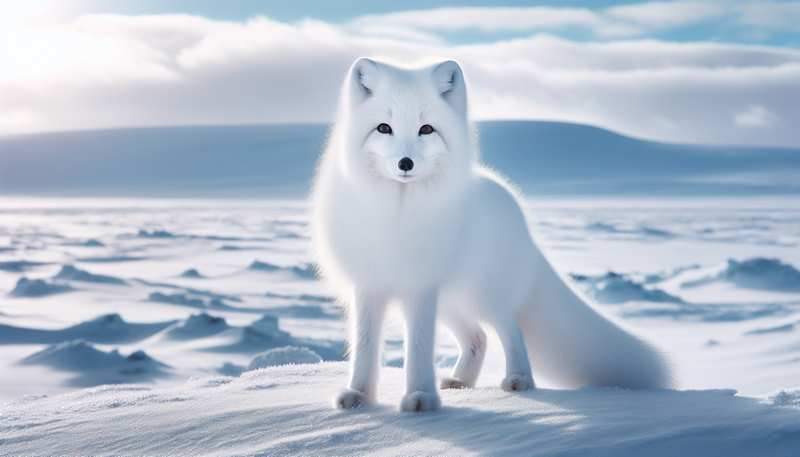
Svalbard is a Norwegian Arctic archipelago reached by most independent visitors through Longyearbyen. It rewards a route-first plan: a town-based stay can combine museums and operator-led land, fjord, snow, or dog activities, while an expedition vessel can reach a wider coastal route subject to ice, weather, protected-area landing sites, ship-capacity rules, wildlife response, and the vessel's permits. Possible wildlife includes Svalbard reindeer, Arctic foxes, walruses, seabirds, seals, whales, and polar bears, but no species or encounter is guaranteed. Polar bears must never be pursued or used as a close-viewing objective: current law sets a 300-metre minimum distance, increasing to 500 metres from 1 March through 30 June, and requires withdrawal if an animal is encountered closer. The practical booking question is therefore not “which tour guarantees a bear?” but which lawful route, field method, operator, safety system, environmental practice, and cancellation terms fit the trip.
Use Svalbard Airport (LYR) and the airline or Avinor live schedule for the exact travel date; do not assume a historic route or frequency still operates. Because Svalbard is outside Schengen, verify passport and mainland-Norway transit permissions, baggage through-check, weather buffers, and missed-voyage terms before buying separate tickets.
Nearest airport: Svalbard Airport, Longyearbyen (LYR); verify current service and mainland-Norway transit before ticketing
Dry season: There is no useful universal “dry season.” A vessel, hiking, kayaking, dog, snowmobile, ski, or photography plan needs different daylight, snow, sea-ice, avalanche, wind, visibility, and operating conditions.
Wet season: Weather, ice, wildlife response, protected-area access, and safety can change a route or cancel a landing or field session. Compare the operator's alternatives and refund or rebooking terms before paying.
Temperature: Use a current forecast and the operator's activity-specific packing list. Wind, wet clothing, cold water, changing snow and ice, and limited shelter matter more than a copied monthly temperature range.
Outside settlements, visitors need a suitable polar-bear deterrence plan; ordinary travellers should use an established operator that manages current field safety rather than treating firearm carriage as a do-it-yourself visitor activity. Keep at least 300 metres from polar bears, or 500 metres from 1 March through 30 June, withdraw if an encounter begins closer, and never lure, pursue, or unnecessarily disturb one. Also assess avalanche, glacier, sea-ice, cold-water, boat, weather, and drone risks. At the 15 July 2026 review, the Governor reported H5N5 in a polar bear and walrus and advised avoiding direct contact with sick or dead animals; recheck current notices and report observations through the official channel.
Tipping: Ask the hotel or operator for its current written service-charge and gratuity policy, accepted currency, and distribution between guides, boat crew, drivers, and support staff. Never tip for approaching or disturbing wildlife.
Local transport: Use the live Avinor and airline schedule for Svalbard Airport (LYR). Longyearbyen has a limited road network; wider travel may use an organised boat, vehicle, snowmobile, ski, or expedition vessel when conditions and rules allow. From 2026, tourism operators need Governor permission and carry responsibility for organised-tour requirements. Approved Svalbard guides become mandatory for relevant tourism and field activities outside inhabited areas on 1 July 2027—not universally before that date.
Country guides connect this destination with other habitats, species, planning considerations, and responsible-viewing advice.
Habitat guides explain the viewing conditions and conservation pressures shared with similar ecosystems elsewhere.
These editorial guides explain the activity format, physical conditions, animal-welfare questions, and operator checks to make before booking.

Whale watching can mean a short coastal boat trip, a shore-based migration watch, or several days at sea in a remote region. Success depends on…
Read the responsible guide →
Polar wildlife travel covers two different ends of the planet. Arctic trips may search for polar bears, walruses, whales, and tundra wildlife around…
Read the responsible guide →Go deeper on itineraries, seasonal decisions, trip costs, photography, and responsible ways to experience wildlife in this region.
Compare Andújar, Abruzzo, Białowieża, the Danube Delta, Isle of May, the Azores, and Svalbard by wildlife, access, safety, season, and trip fit.
Read guide →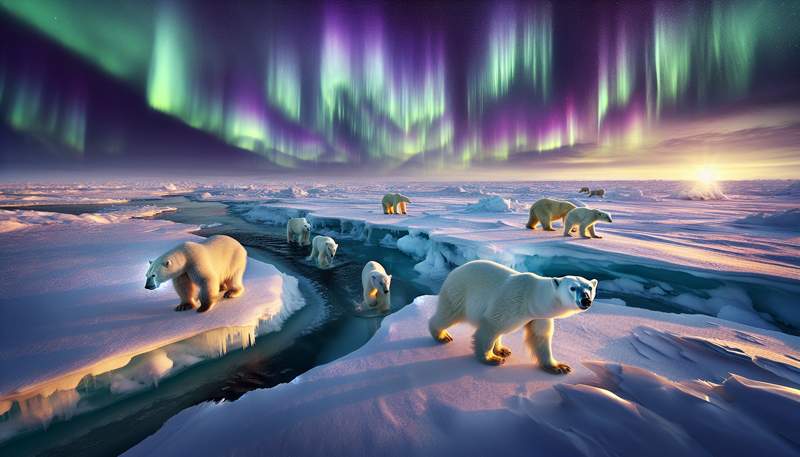
When and where to see the aurora borealis in Svalbard. Month-by-month conditions, best viewing spots, and how to combine polar lights with Arctic wildlife.
Read guide →Build your complete trip with our free trip builder. We'll help you find flights, hotels, and tours.
Build Your Trip →
The planning window currently listed for Svalbard is Activity-specific: match daylight or polar night, snow and sea-ice conditions, vessel operations, legal landing access, weather, wildlife sensitivity, and the operator's current route; no season guarantees any species. Use it as a starting point, not a sighting promise: weather, animal movement, access, and local rules can change. Check current conditions with the relevant park or protected-area authority before booking.
Build a current total for transport, entry fees or permits, guiding, accommodation, meals, insurance, equipment, and taxes. Prices and currencies change too often for a generic daily figure to be dependable. Compare dated quotes with the same inclusions and confirm official fees and cancellation terms before paying.
Our current route note is: Use Svalbard Airport (LYR) and the airline or Avinor live schedule for the exact travel date; do not assume a historic route or frequency still operates. Because Svalbard is outside Schengen, verify passport and mainland-Norway transit permissions, baggage through-check, weather buffers, and missed-voyage terms before buying separate tickets. Verify operating schedules, border or entry requirements, road and seasonal access, baggage limits, and transfers with the relevant authorities and providers for your travel dates.
This guide connects Svalbard, Norway, with Polar Bear, Arctic Fox. The list is a planning aid rather than a complete inventory or guarantee. Ask a current local authority or responsible operator which species and public areas are realistic for your dates.
Use legal public access and follow the current instructions of park staff, guides, and local communities. Keep a safe distance, never feed, call, chase, or block wildlife, and do not ask for sensitive nesting, den, or release locations. Choose operators that explain group size, viewing rules, community benefit, and what happens when animals move away.