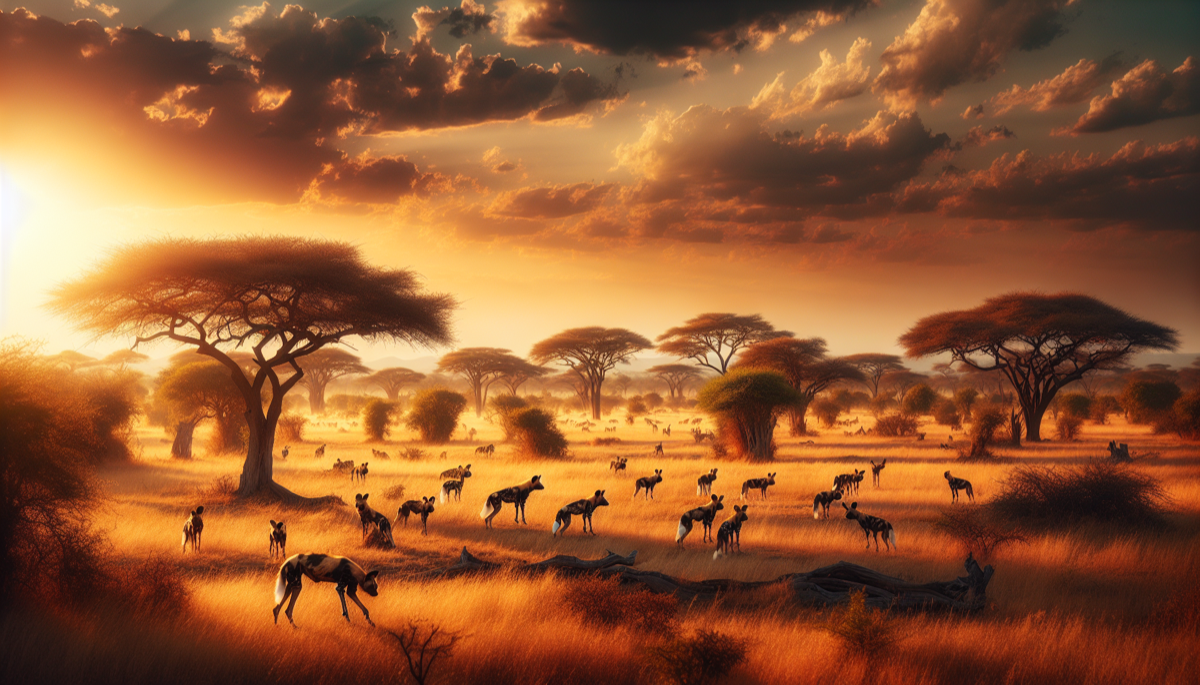
What to Pack for Hwange National Park
Hwange is Zimbabwe's largest national park, famous for its enormous elephant herds and pump-fed waterholes. Conditions can be extreme, with baking October heat followed by cool June mornings. Walking safaris are popular here, so good boots and durable clothing are essential. Remote camps mean limited electricity, so plan your power usage carefully.
Clothing
Essential for walking safaris. Thorn-resistant and sun-protective.
Buy on Amazon →Thick fabric for walking safaris through thorn bush.
Footwear
Essential for walking safaris. Ankle support protects on rough terrain.
Buy on Amazon →Quality socks prevent blisters on long bush walks.
Buy on Amazon →Closed-toe recommended at night. Scorpions are present.
Camera & Optics
Waterhole photography can range from very close to quite distant.
Buy on Amazon →Remote bush camps have limited or no electricity.
Health & Safety
Hwange is in a malaria zone, especially near water sources.
Exposed terrain with little shade. Sun protection is essential.
Buy on Amazon →Include rehydration salts and blister treatment for walking safaris.
October heat is extreme. Dehydration is a serious risk.
Buy on Amazon →Accessories
Bush camps are unlit. Red light mode avoids disturbing nocturnal wildlife.
Buy on Amazon →Zimbabwe uses UK-style three-pin plugs.
🎒 Don't Forget!
- Check luggage limits — internal/charter flights often have strict 15–20 kg limits for soft bags only.
- Pack a small daypack — essential for carrying water, camera, and sunscreen on excursions.
- Wear your heaviest items — boots and jackets worn on the plane save luggage weight.
- Leave room for souvenirs — pack at 80% capacity so you can bring treasures home.
- Photograph your documents — store copies of passport, insurance, and permits in your phone and email.
Shop Your Gear
Get everything you need from our trusted partners
Continue Planning
More guides for your Hwange National Park trip
What to Pack for Hwange National Park FAQ
Pack neutral layers for variable temperatures, binoculars, strong insect repellent, and a dustproof bag for your camera equipment.
Comfortable walking shoes are recommended as some hides require short walks. Self-drivers should have sturdy shoes in case of vehicle issues.
A 200 to 500mm lens captures elephants at waterholes. A wide-angle lens is useful for photographing large herds in the landscape.
Neutral, muted colours. Long sleeves for evening mosquito protection. Pack warm layers for cold early morning game drives in winter.