Hwange National Park
Best time: July - October (dry season, best waterhole game viewing)
About Hwange National Park
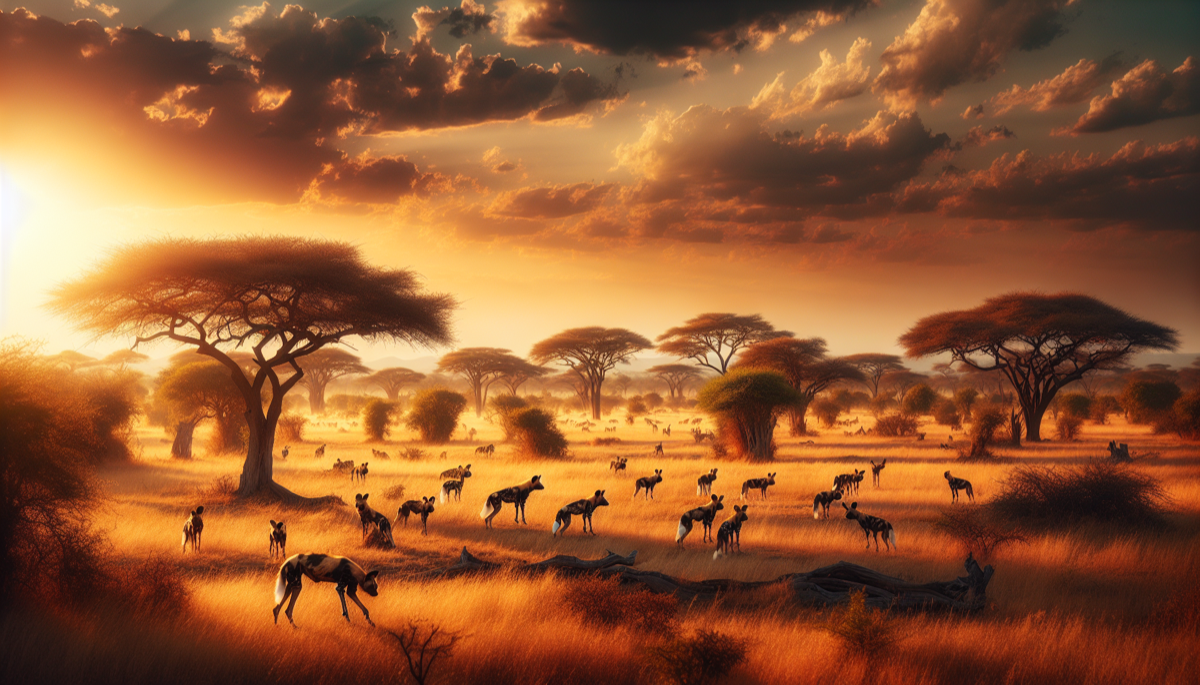
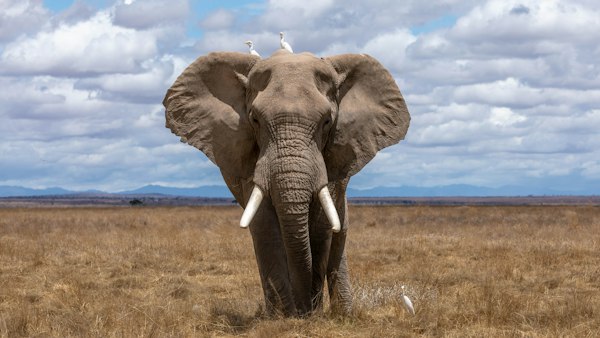
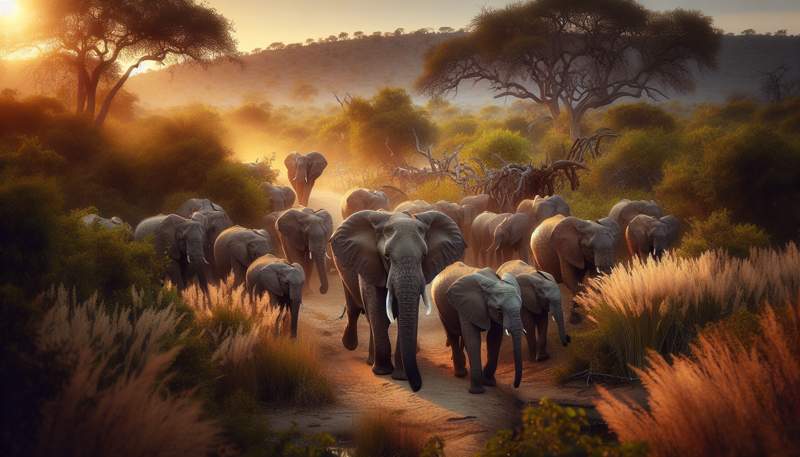
Hwange National Park is Zimbabwe's largest and oldest national park, covering 14,651 km2 of semi-arid bushveld, grassland, and teak woodland. The park is renowned for its enormous elephant population, estimated at over 40,000 individuals, and one of Africa's healthiest populations of African painted dogs (wild dogs). Artificial waterholes, originally established by park managers to sustain wildlife through dry winters, have become iconic game viewing hotspots where visitors can watch a constant procession of animals. The park supports over 100 mammal species and 400 bird species, including all of Africa's Big Five. Hwange's painted dog population is one of the most accessible in Africa, with several packs denning near the main camp areas during the breeding season. The park's varied terrain ranges from Kalahari sands in the south to basalt ridges and mopane woodland in the north, creating a mosaic of habitats that supports exceptional biodiversity. Hwange is easily accessed from Victoria Falls, making it an ideal addition to any southern African itinerary. Both guided safaris and self-drive options are available throughout the park.
Highlights
- One of Africa's best destinations for painted dog sightings
- Over 40,000 elephants in the park
- Waterhole hides for intimate, close-range viewing
- Easy to combine with Victoria Falls
Getting There
Fly into Victoria Falls Airport (VFA) and drive 2-3 hours to Hwange. Charter flights to park airstrips are also available.
Nearest airport: Victoria Falls Airport (VFA) - 2 hour drive
Travel Essentials
Vaccinations
- Yellow Fever (if arriving from endemic country)
- Hepatitis A & B
- Typhoid
- Rabies
Budget Guide
Weather & Climate
Dry season: Jun-Oct: Animals gather at pumped waterholes. Dry, cool. Best viewing.
Wet season: Nov-Mar: Green season, dispersed wildlife. Excellent birding (400+ species).
Temperature: 5°C-38°C (41°F-100°F). Cold winter mornings, hot October.
Sample 5-Day Itinerary
- Day 1: Arrive Victoria Falls. Transfer to Hwange. Afternoon game drive to Ngweshla pan.
- Day 2: Dawn drive. Sit at a waterhole hide for elephants and predators. Afternoon drive.
- Day 3: Full-day drive through Sinamatella area. Night drive for spotted hyena and aardvark.
- Day 4: Walking safari with guide. Afternoon game drive. Sundowner at a pan.
- Day 5: Final morning drive. Transfer to Victoria Falls for the Falls visit or departure.
Safety & Tips
Enormous elephant population, give them space. Stay in vehicle. Pumped waterholes attract predators at night, stay in camp.
Tipping: Guide: $15-25/day. Camp staff: $10-15/day. Tips in USD.
Local transport: 4x4 recommended (sandy roads). Drive from Victoria Falls (2 hrs) or Bulawayo (3 hrs). Charter flights to camp airstrips.
Animals You Can See Here

Explore Wildlife Beyond Hwange National Park
Country guides connect this destination with other habitats, species, planning considerations, and responsible-viewing advice.
Ecosystems at This Destination
Habitat guides explain the viewing conditions and conservation pressures shared with similar ecosystems elsewhere.
Responsible Wildlife Experiences in Hwange National Park
These editorial guides explain the activity format, physical conditions, animal-welfare questions, and operator checks to make before booking.
Safari Game Drives
A game drive uses a vehicle to explore protected landscapes with a guide or, where rules allow, as a self-drive visitor. It is the most accessible…
Read the responsible guide →
Walking Safaris
A walking safari shifts attention from covering distance to reading an ecosystem at ground level. Tracks, dung, plants, insects, alarm calls, wind,…
Read the responsible guide →Book Hwange National Park Tours & Experiences
Current Viator listings matched to this destination. Confirm the itinerary, operator, recent reviews, availability, and cancellation terms before booking.

2-Day Hwange National Park Safari from Victoria Falls
48 hours
Hwange (Safari) Day Trip from Victoria Falls
24 hours
Chobe Day Trip From Victoria Falls Zimbabwe
1 hour
Full-Day Hwange National Park Tour from Victoria Falls
12 hoursRequest Hwange National Park Safari Planning Options
Share your preferences for possible referral to an independent Africa safari-planning partner. There is no fee to submit this request; any trip proposal is separate and optional.
Hwange National Park Safari Packages
Safari.com itinerary examples matched to Hwange National Park. Request a current quote and confirm the operator, exact route, inclusions, recent reviews, and cancellation terms before booking.
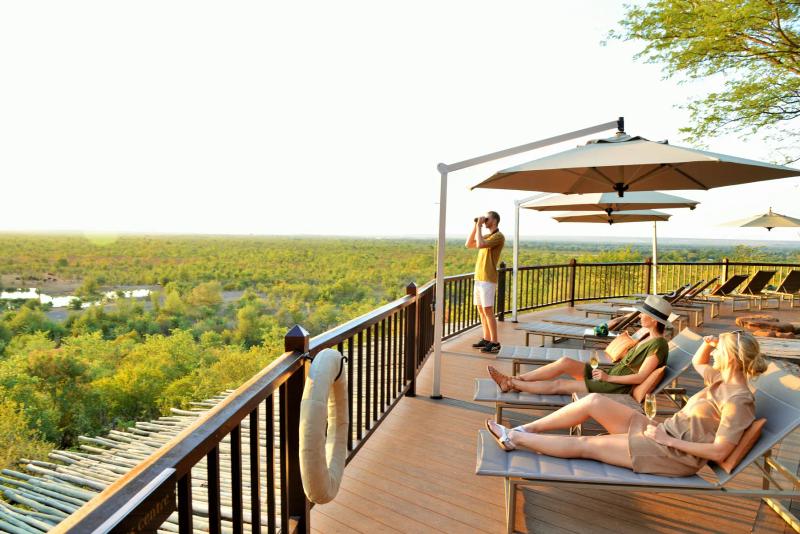
3 Day Victoria Falls Fly-in Safari
Waterfalls, Wildlife & River Sunsets: Discover the magic of Victoria Falls on this unforgettable 3-day safari. Fly from Johannesburg to one ...
- 2 nights at the award-winning Victoria Falls Safari Lodge
- Guided walking tour through the rainforest at Victoria Falls
- Sunset cruise on the Zambezi with drinks and snacks
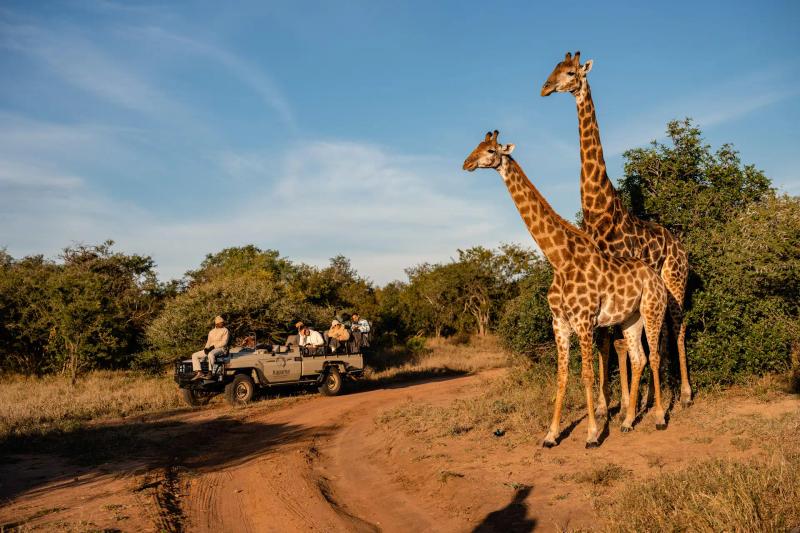
7-Day Safari in Kapama Game Reserve and Victoria Falls
Travel through the Greater Kruger National Park into the Kapama Game Reserve to stay at Kapama River Lodge in a suite with uninterrupted vie...
- 3 nights at Kapama River Lodge in the Greater Kruger
- Twice-daily Big Five game drives and guided bush walks
- 3 nights at the ultra-luxe Victoria Falls Safari Club
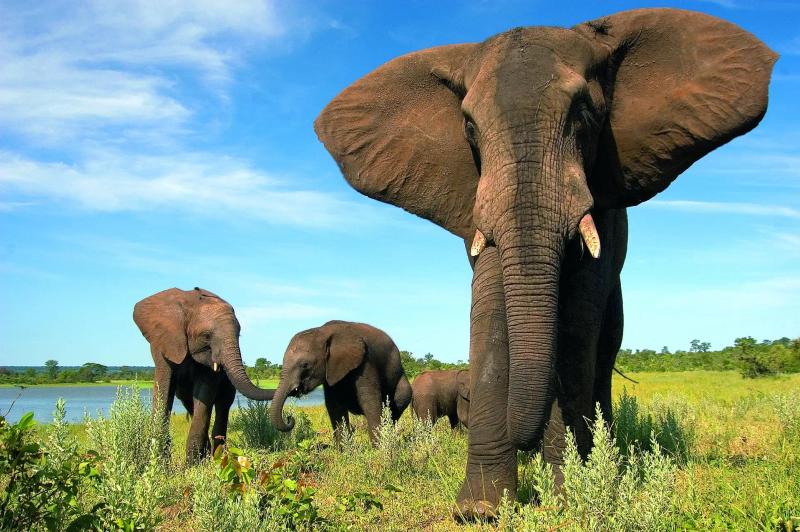
4-Day-All-Inclusive Victoria Falls Safari at Elephant Camp
The Elephant Camp is rated one of the top luxury lodges in Zimbabwe, being in close proximity to the Victoria Falls.
- 3 nights at Elephant Camp inside Victoria Falls National Park
- Suites with private plunge pools overlooking the Zambezi Gorges
- Guided tour of Victoria Falls and the Canopy Tour
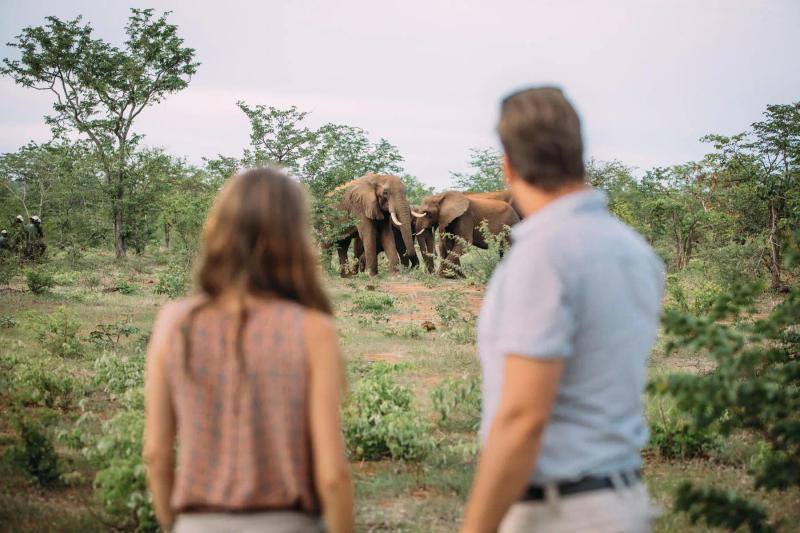
7-Day Safari Promotion: From Sabi Sands to Victoria Falls
Big Five Safari & Victoria Falls Elegance: From the wild heart of Sabi Sands to the iconic thundering spray of Victoria Falls, this seamless...
- 3 nights at Sabi Sabi Bush Lodge, then 3 at The Elephant Camp
- Twice-daily open-vehicle game drives and a walking safari in Sabi Sand
- Big Five tracking across the unfenced Sabi Sand and Kruger wilderness
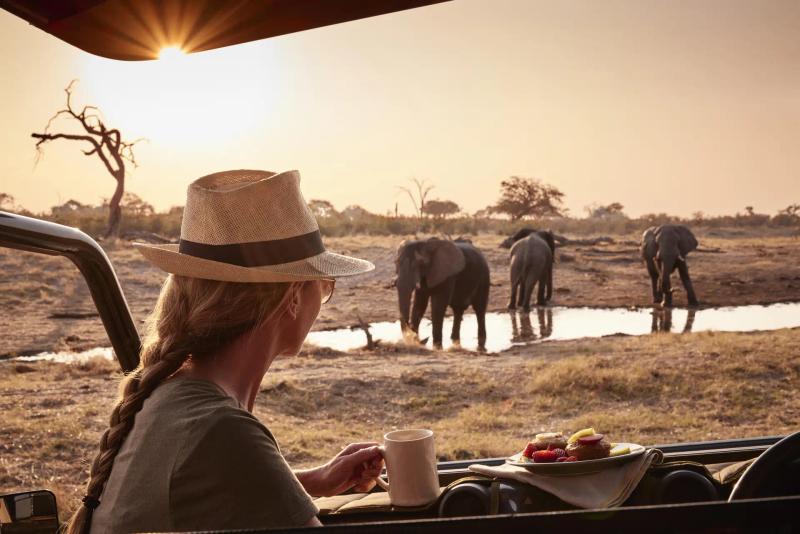
15-Day Safari Adventure: Botswana, Victoria Falls & Zanzibar
- 4 nights at Belmond Mount Nelson with Table Mountain and Cape Peninsula sightseeing
- 2 nights at Belmond Savute Elephant Lodge tracking large elephant herds and predators
- 2 nights at Belmond Eagle Island Lodge with mokoro and boat safaris in the Okavango
4 Day Victoria Falls Rovos Rail Journey
Experience a four-day journey through the most scenic areas of Southern Africa starting in Pretoria and ending at the magnificent Victoria F...
- 3 nights aboard Rovos Rail in a 5-star Pullman Suite
- Departs Pretoria, travelling north through Warmbaths and across the Limpopo
- 114 km along one of Africa's longest straight stretches of railway
Ready to Visit Hwange National Park?
Build your complete trip with our free trip builder. We'll help you find flights, hotels, and tours.
Build Your Trip →Hwange National Park FAQ
The planning window currently listed for Hwange National Park is July - October (dry season, best waterhole game viewing). Use it as a starting point, not a sighting promise: weather, animal movement, access, and local rules can change. Check current conditions with the relevant park or protected-area authority before booking.
Build a current total for transport, entry fees or permits, guiding, accommodation, meals, insurance, equipment, and taxes. Prices and currencies change too often for a generic daily figure to be dependable. Compare dated quotes with the same inclusions and confirm official fees and cancellation terms before paying.
Our current route note is: Fly into Victoria Falls Airport (VFA) and drive 2-3 hours to Hwange. Charter flights to park airstrips are also available. Verify operating schedules, border or entry requirements, road and seasonal access, baggage limits, and transfers with the relevant authorities and providers for your travel dates.
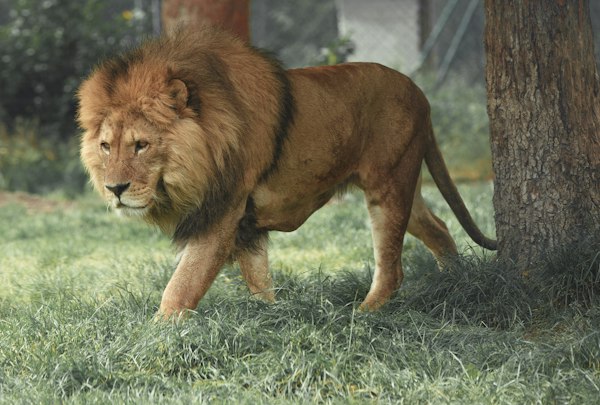
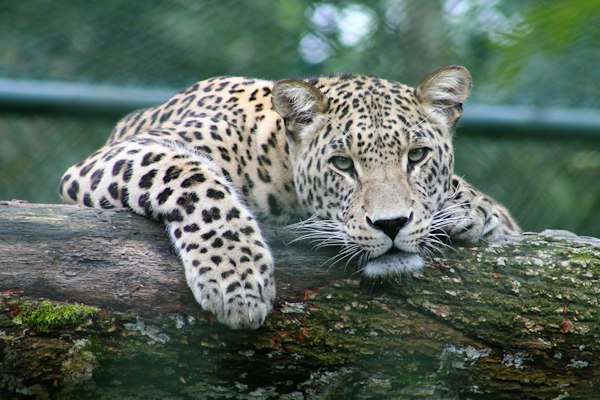
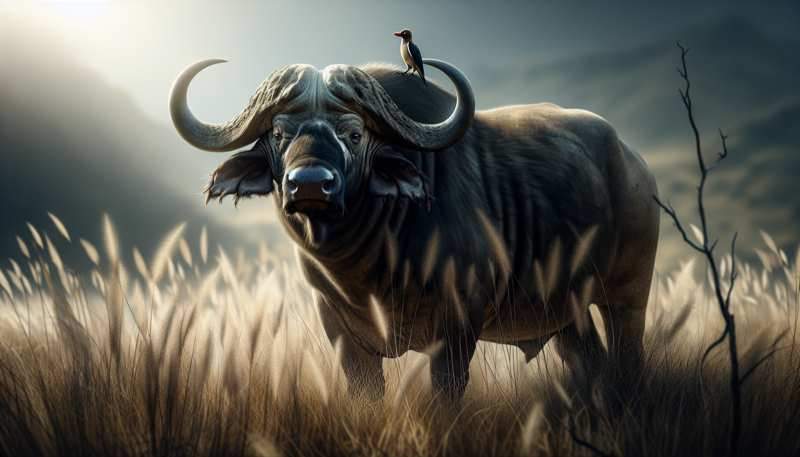
This guide connects Hwange National Park, Zimbabwe, with African Wild Dog, African Elephant, Lion, Leopard, Cape Buffalo. The list is a planning aid rather than a complete inventory or guarantee. Ask a current local authority or responsible operator which species and public areas are realistic for your dates.
Use legal public access and follow the current instructions of park staff, guides, and local communities. Keep a safe distance, never feed, call, chase, or block wildlife, and do not ask for sensitive nesting, den, or release locations. Choose operators that explain group size, viewing rules, community benefit, and what happens when animals move away.