Asian Elephant
Elephas maximus
About the Asian Elephant
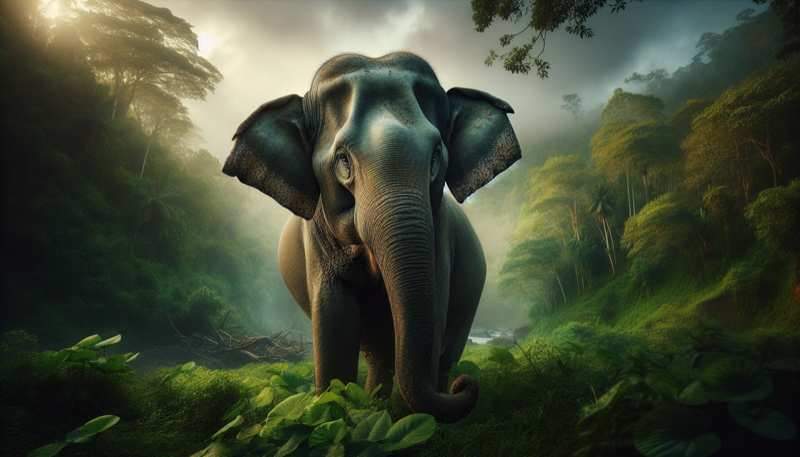
The Asian elephant is slightly smaller than its African cousin but no less magnificent. Revered across Asian cultures for millennia, these intelligent giants have been integral to human history as working animals, cultural icons, and religious symbols. Fewer than 50,000 remain in the wild, scattered across fragmented habitats from India to Borneo.
Fun Facts
- Only some male Asian elephants grow tusks — females never do, unlike African elephants where both sexes can be tusked.
- Asian elephants have been observed mourning their dead, covering deceased herd members with branches and returning to visit remains.
- They have a single, finger-like projection on the tip of their trunk, compared to the African elephant's two.
Where to See Asian Elephant in the Wild
Udawalawe National Park
Sri LankaSri Lanka's best elephant park with herds of 50+ commonly seen.
Kaziranga National Park
IndiaFamous for one-horned rhinos but also home to large elephant herds.
Kui Buri National Park
ThailandOne of the best places to see wild Asian elephants in Southeast Asia.
Featured Destinations to See Asian Elephant
Compare practical destination guides with seasonal timing, travel logistics, other wildlife, tours, and places to stay.
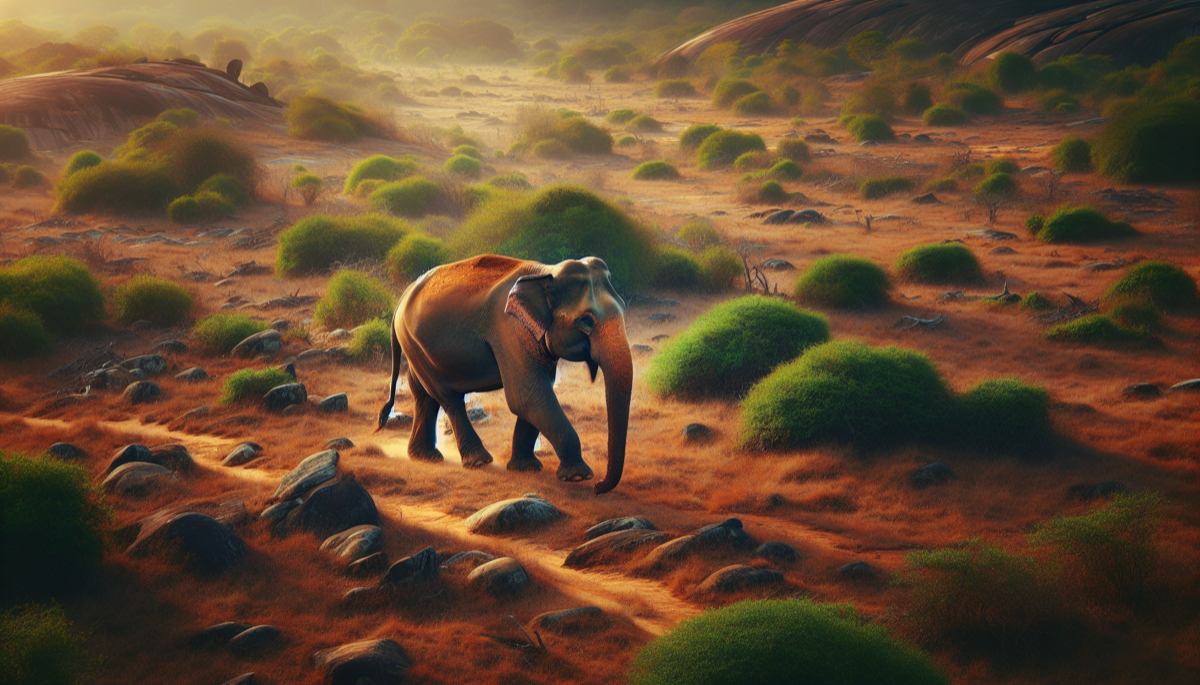
Sri Lanka
Sri Lanka is a compact island nation in the Indian Ocean that punches far above its weight as a wildlife destination. Despite its small size, the...
Plan your visit →
Yala National Park
Yala National Park is Sri Lanka's most visited and second-largest national park, covering 979 km2 of dry monsoon forest, scrubland, and coastal l...
Plan your visit →Explore Asian Elephant by Country
Country guides connect the species with other wildlife, featured places, planning context, and responsible-viewing advice.
Habitats Used by Asian Elephant
Species may rely on several ecosystems across their range. Explore how conditions and conservation pressures differ.
Responsible Asian Elephant Experiences
Compare activity formats, physical conditions, operator questions, animal-welfare risks, and relevant destinations before choosing a tour.
Safari Game Drives
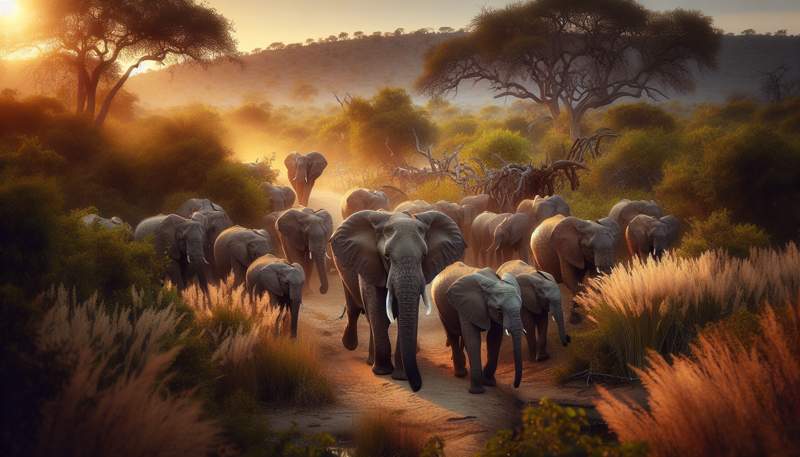
A game drive uses a vehicle to explore protected landscapes with a guide or, where rules allow, as a self-drive visitor. It is the most accessible…
Plan the experience →
Orangutan Trekking
Orangutan trips range from guided walks near rehabilitation landscapes to multi-day rainforest journeys and river-based wildlife expeditions. The…
Plan the experience →Where to See Asian Elephant at Zoos
Support Independent Conservation Work
These third-party programmes offer relevant ways to adopt symbolically, foster, donate, or learn. We do not process contributions or receive commission.
Wildlife SOS Rescue and Care Support
A general donation route supporting Wildlife SOS work that includes rescue, veterinary care and lifetime sanctuary for animals that cannot be released, alongside conservation, research, conflict reduction, and education.
Review programme →Due DiligenceCheck Before You Contribute
Understand symbolic adoption, verify the organisation, and review current terms and use of funds.
Open the programme directory →Browse Asian Elephant Tours & Experiences
Current Viator listings matched to this species. Confirm where the activity operates, its wildlife policy, recent reviews, availability, and cancellation terms before booking.

A Morning with the Elephants at Phuket Elephant Sanctuary
3h 30m
Phuket Elephant Sanctuary Canopy Walkway Tour
1h 30m
Phuket Elephant Nature Reserve Ethical Sanctuary
3h 30m
Elephant Nature Care, the largest elephant sanctuary on Koh Samui
3 hours
Private Elephant Sanctuary
2 hours
Living Green Elephant Sanctuary Tour from Bangkok and Pattaya
5 hoursPhotography Tips for Asian Elephant
Asian elephants in national parks can be photographed from jeeps. Look for family groups at water sources during the dry season. A 200mm lens is sufficient.
Safety Guide
Wild Asian elephants can be very dangerous, especially solitary bulls (known as "rogues"). Never approach on foot. Keep at least 30 metres distance from vehicles. If an elephant trumpets or mock-charges, back away slowly.