
Where to See
Tiger Safari in India: Reserves, Seasons and Planning
The best tiger reserves in India compared — Ranthambore, Bandhavgarh, Kanha, Tadoba. Costs, best time to visit, booking tips, and photography advice.
Read guide →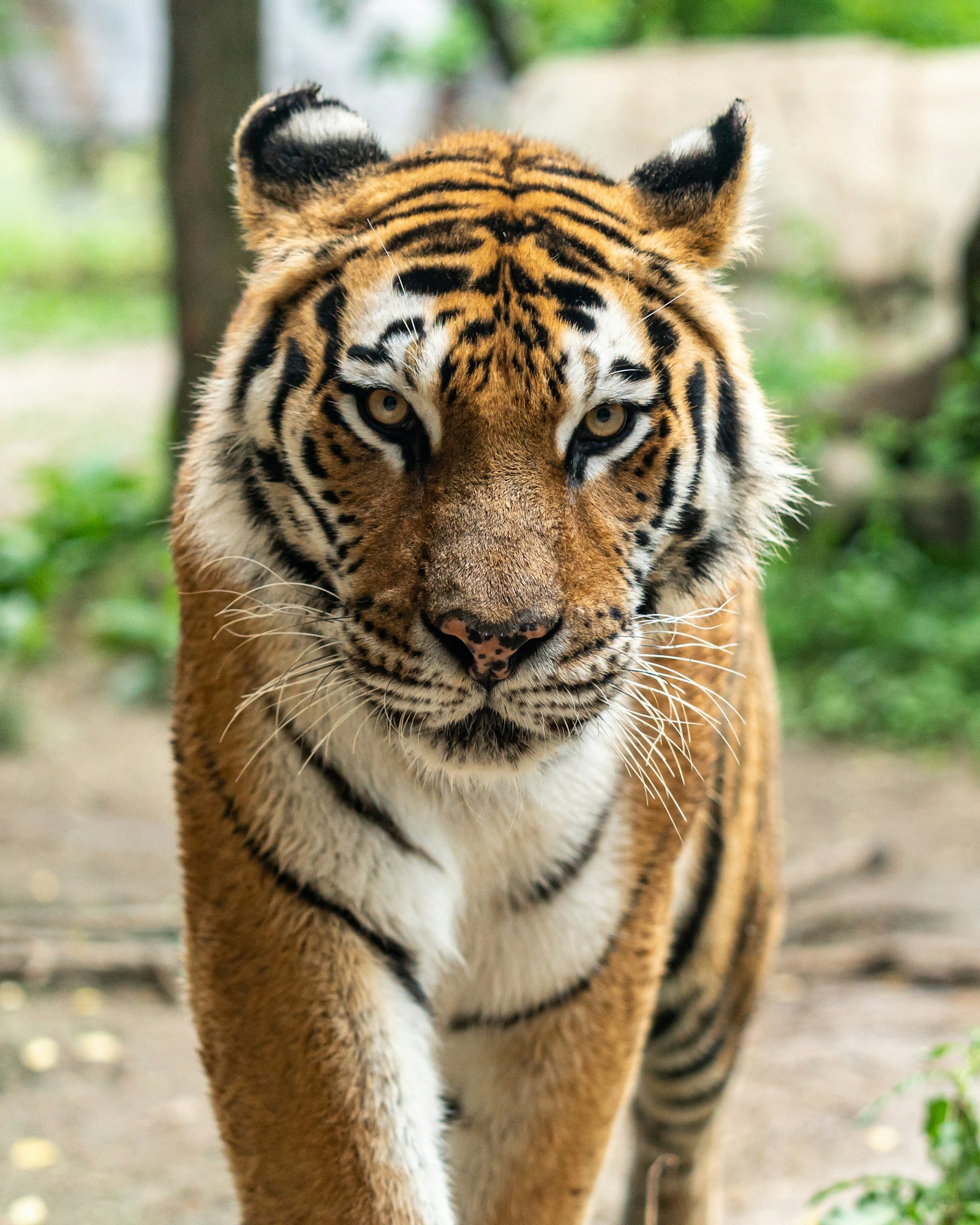
Panthera tigris tigris
The Bengal tiger is the most numerous tiger subspecies, yet fewer than 3,000 remain in the wild. India's national animal is a solitary, powerful predator that can weigh up to 260 kg. Tiger safaris in India's national parks offer one of the most thrilling wildlife experiences in Asia.
Migration: Non-migratory. Young tigers disperse 100+ km.
Best time of day: Early morning (5:30-9am) and late afternoon (3:30-6pm).
Typical viewing distance: 20-60 metres from vehicle or elephant
Camera settings: 1/500s-1/1000s, f/4-f/5.6, ISO 800-3200, 200-500mm
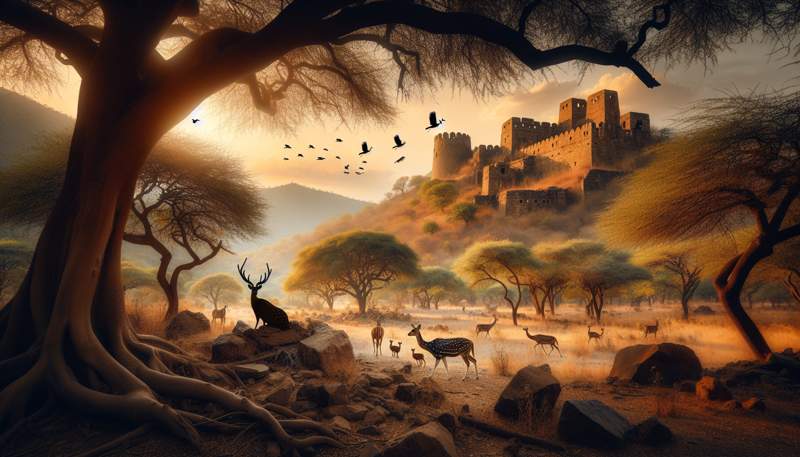
India's most famous tiger park, with tigers often seen against ancient fort ruins.
Highest density of tigers in India.
The world's largest mangrove forest, home to swimming tigers.
Compare practical destination guides with seasonal timing, travel logistics, other wildlife, tours, and places to stay.
Country guides connect the species with other wildlife, featured places, planning context, and responsible-viewing advice.
Species may rely on several ecosystems across their range. Explore how conditions and conservation pressures differ.
Compare activity formats, physical conditions, operator questions, animal-welfare risks, and relevant destinations before choosing a tour.
A game drive uses a vehicle to explore protected landscapes with a guide or, where rules allow, as a self-drive visitor. It is the most accessible…
Plan the experience →
A wildlife photography tour should improve access, fieldcraft, and learning without turning animal welfare into a competition for the closest frame.…
Plan the experience →New York, USA
These third-party programmes offer relevant ways to adopt symbolically, foster, donate, or learn. We do not process contributions or receive commission.
A general support route for science-led wild-cat conservation, including species research, protected landscapes and corridors, conflict reduction, and action against poaching and illegal trade.
Review programme →Due DiligenceUnderstand symbolic adoption, verify the organisation, and review current terms and use of funds.
Open the programme directory →Current Viator listings matched to this species. Confirm where the activity operates, its wildlife policy, recent reviews, availability, and cancellation terms before booking.


Only species-relevant partner routes are shown. Confirm the exact location, wildlife policy, availability, current price, and cancellation terms before booking.
These links open third-party searches. Verify the exact operator, route, guide team, wildlife policy, field time, and no-sighting terms.
Search stays only after the gateway and field route are confirmed.
Compare current routes, baggage rules, buffers, and total booking terms.
Check medical, cancellation, activity, altitude, equipment, and evacuation terms for the exact itinerary.
Match equipment to guide advice, distance, weather, baggage limits, and safe handling.
Premium tailor-made packages from Africa's top operators. High-value bookings with expert planning.
A 500mm+ lens is ideal. Early morning game drives offer the best light and tiger activity. Be patient — sightings require persistence.
Always remain inside your safari vehicle. Tigers are ambush predators — never turn your back on one. Follow park rules and guide instructions exactly.
Use these in-depth guides to compare destinations, timing, costs, photography, and responsible wildlife-viewing choices.
The best tiger reserves in India compared — Ranthambore, Bandhavgarh, Kanha, Tadoba. Costs, best time to visit, booking tips, and photography advice.
Read guide →