Wildlife Guides
The Big Five Safari Guide: See All Five in One Trip
Where and how to see all Big Five animals (lion, leopard, elephant, rhino, buffalo) on a single African safari.
Read guide →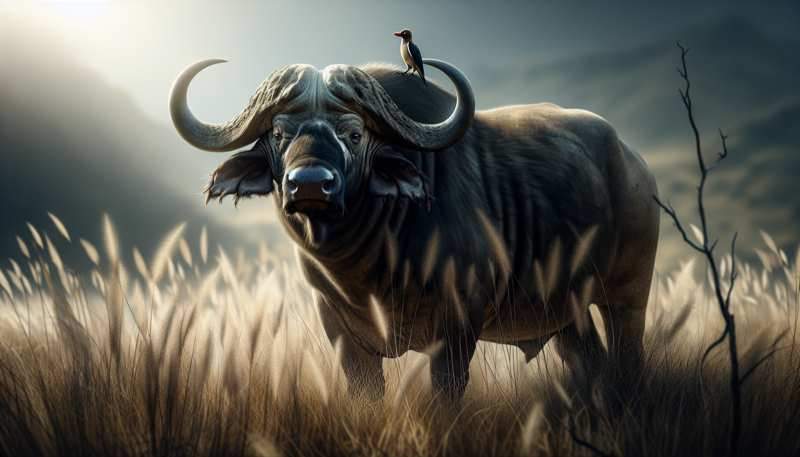
Syncerus caffer
The Cape buffalo completes Africa's "Big Five" and is considered the most dangerous of the group by many experienced hunters and guides. Large herds of several hundred roam the savannas, while old bulls — known as "dagga boys" — are solitary and notoriously unpredictable.
Migration: Non-migratory. Seasonal movements following green grass.
Best time of day: Active morning and evening. Rest and ruminate midday.
Typical viewing distance: 20-50 metres from vehicle
Camera settings: 1/500s, f/5.6-f/8, ISO 200-800, 70-200mm for herds, 200-400mm for portraits
Massive herds are a common sight.
Large herds roam the open plains.
Compare practical destination guides with seasonal timing, travel logistics, other wildlife, tours, and places to stay.
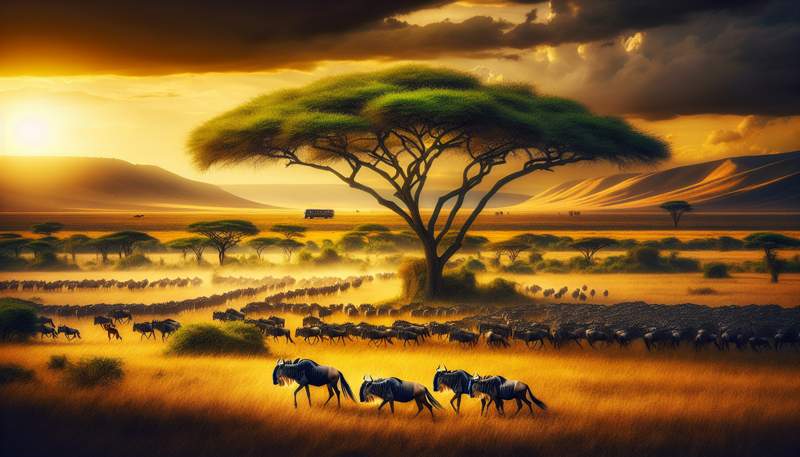
The Serengeti is synonymous with African safari. Spanning 14,750 km2 of savanna, it hosts the Great Migration — the largest overland animal movem...
Plan your visit →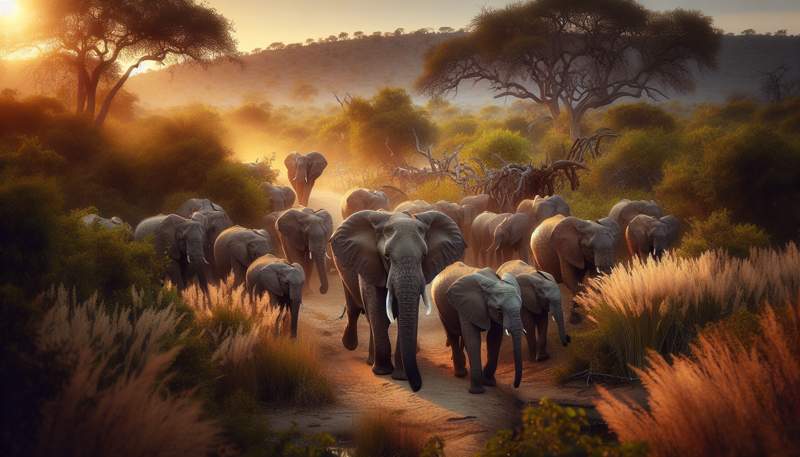
Kruger is one of the largest game reserves in Africa, covering nearly 20,000 km2. It offers an accessible, affordable safari experience with exce...
Plan your visit →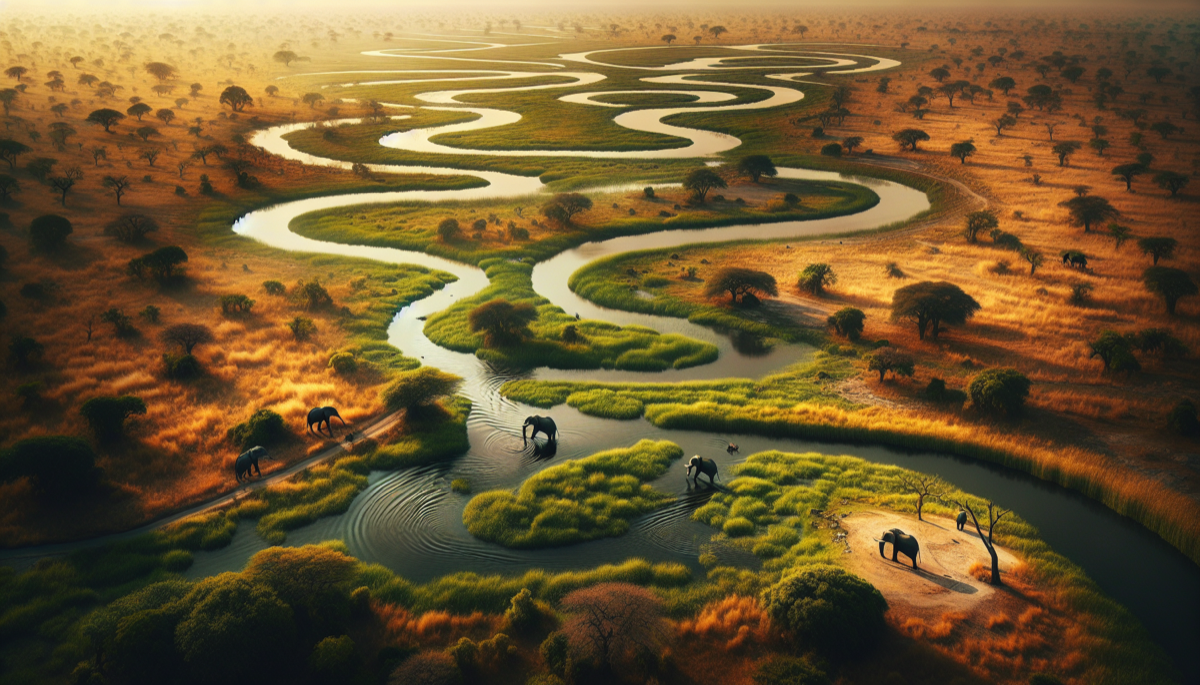
The Okavango Delta is one of the world's largest inland deltas and a UNESCO World Heritage Site, where the Okavango River fans out across the Kal...
Plan your visit →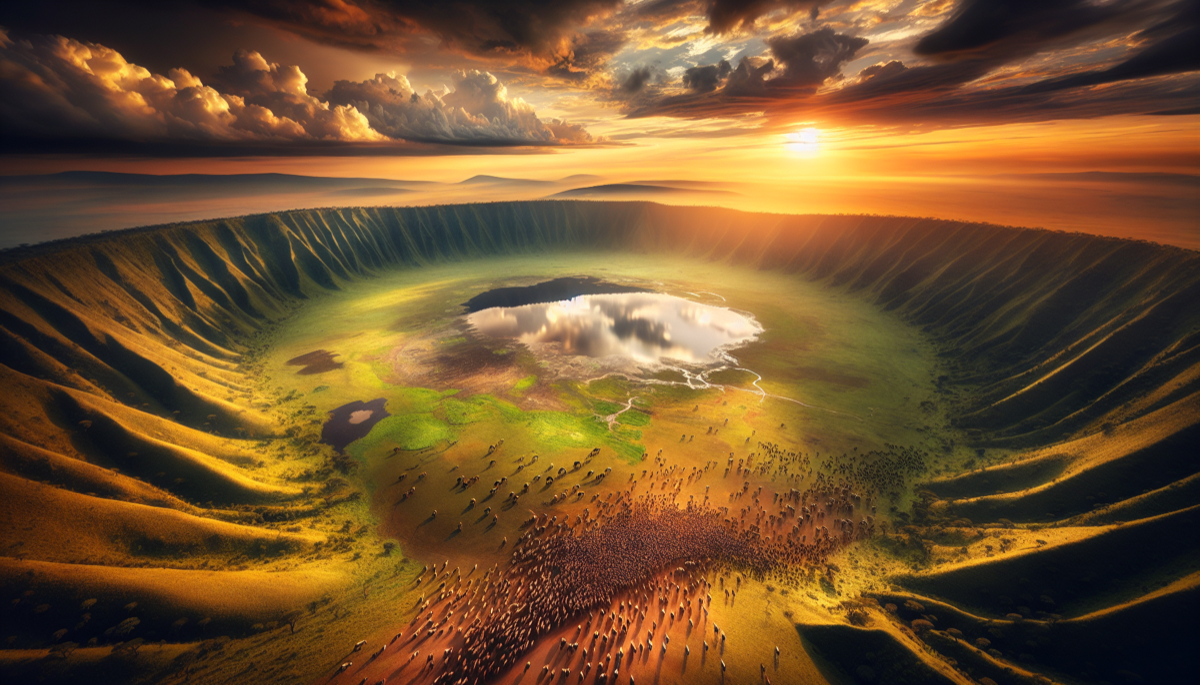
The Ngorongoro Crater is the world's largest unbroken volcanic caldera and one of Africa's most spectacular wildlife destinations. This natural a...
Plan your visit →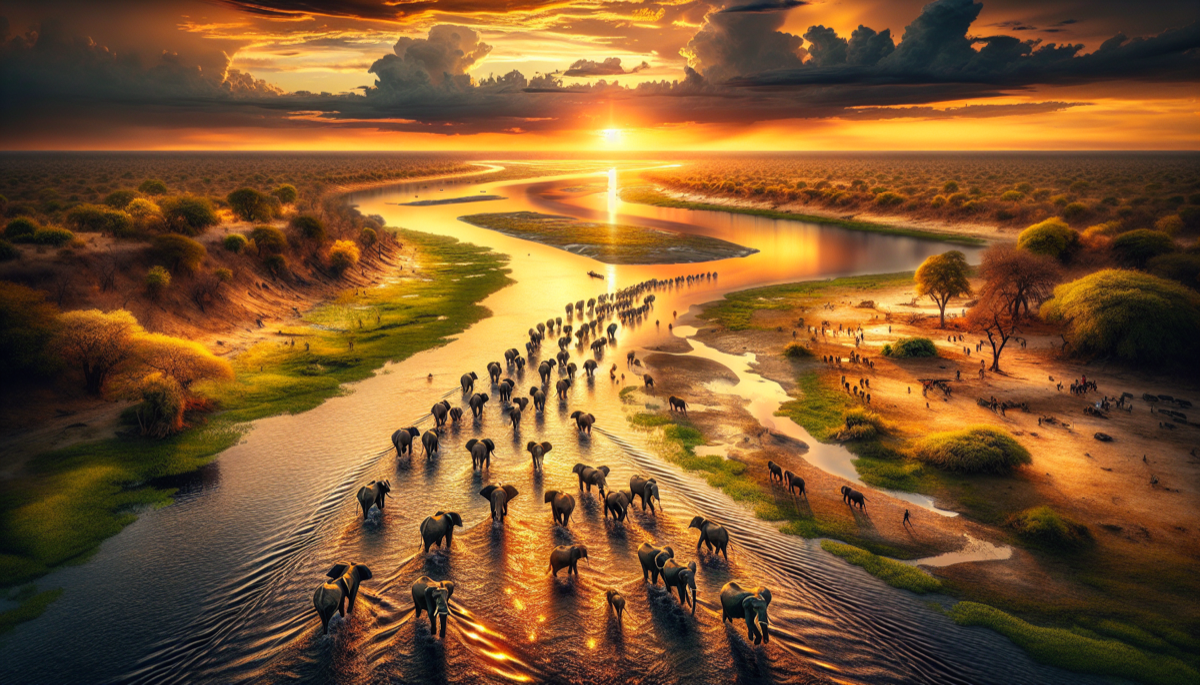
Chobe National Park in northern Botswana is home to the largest elephant population in Africa, with an estimated 120,000 elephants moving through...
Plan your visit →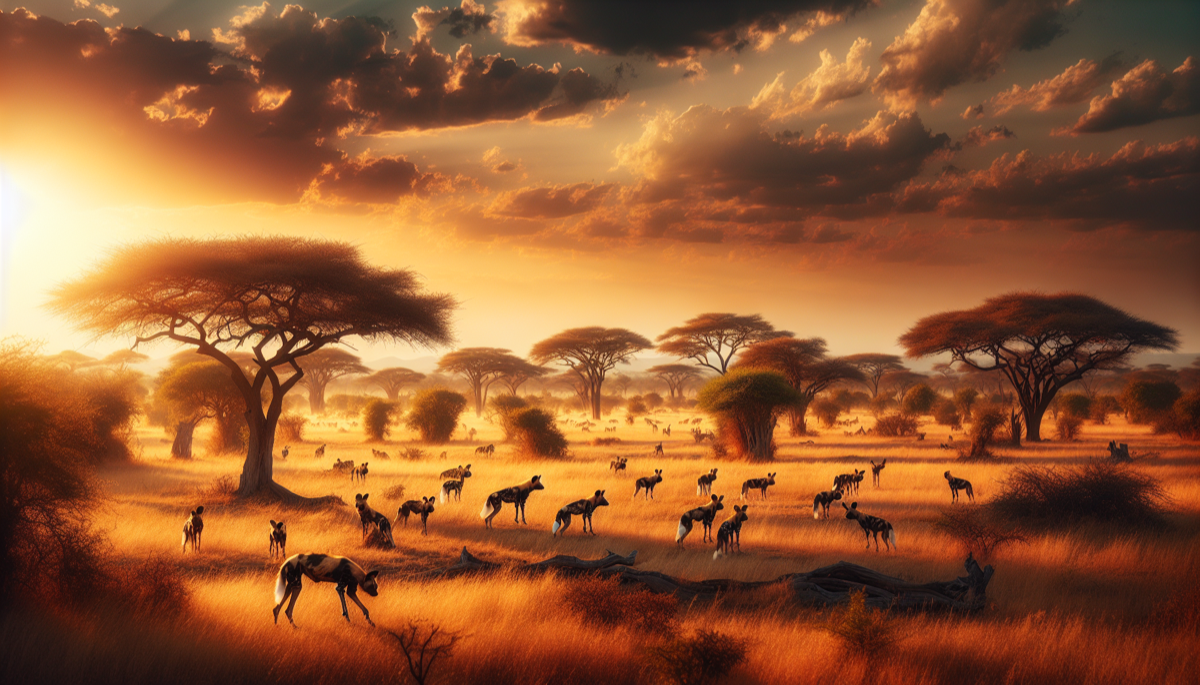
Hwange National Park is Zimbabwe's largest and oldest national park, covering 14,651 km2 of semi-arid bushveld, grassland, and teak woodland. The...
Plan your visit →Country guides connect the species with other wildlife, featured places, planning context, and responsible-viewing advice.
Species may rely on several ecosystems across their range. Explore how conditions and conservation pressures differ.
Compare activity formats, physical conditions, operator questions, animal-welfare risks, and relevant destinations before choosing a tour.
A game drive uses a vehicle to explore protected landscapes with a guide or, where rules allow, as a self-drive visitor. It is the most accessible…
Plan the experience →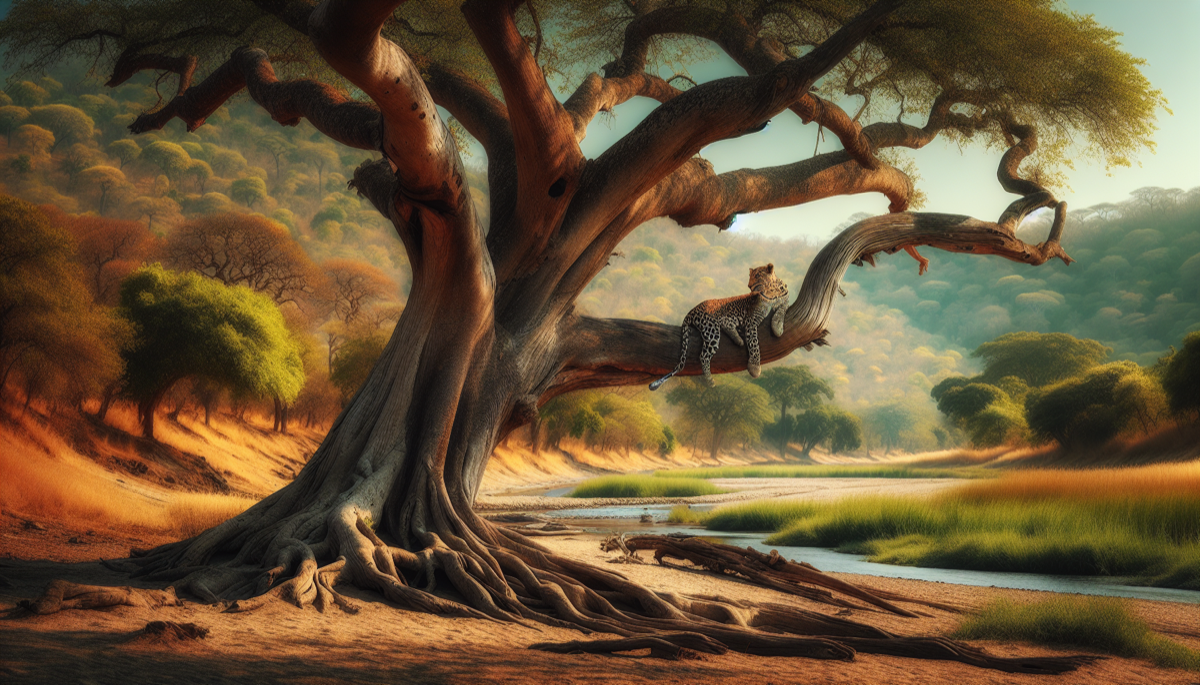
A walking safari shifts attention from covering distance to reading an ecosystem at ground level. Tracks, dung, plants, insects, alarm calls, wind,…
Plan the experience →San Diego, USA
Current Viator listings matched to this species. Confirm where the activity operates, its wildlife policy, recent reviews, availability, and cancellation terms before booking.


Safari.com itinerary examples that may include cape buffalo habitat. Request a current quote and confirm the operator, exact route, wildlife policy, recent reviews, and cancellation terms before booking.
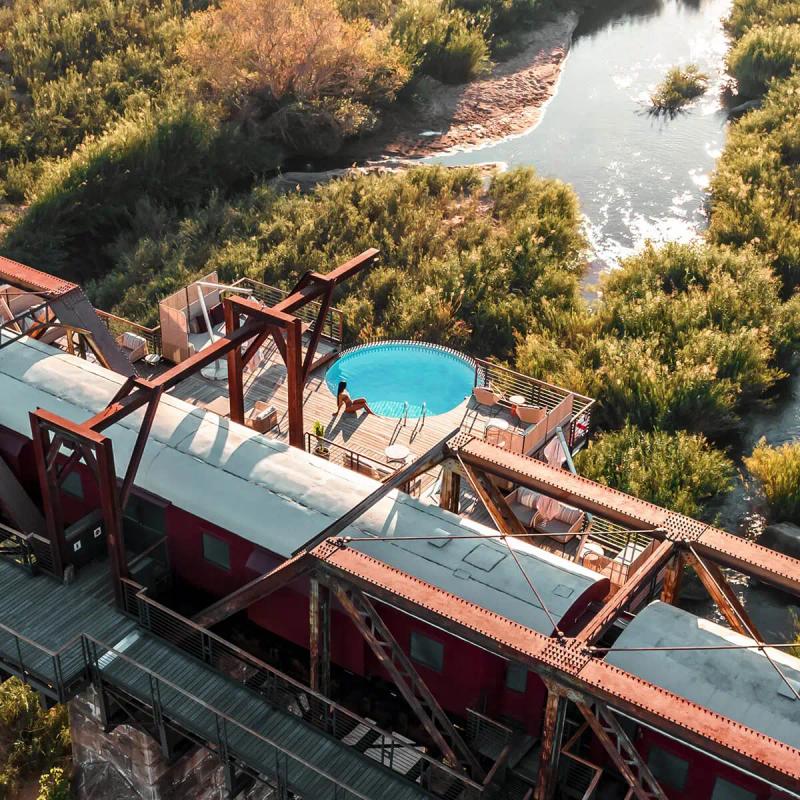
Experience the Kruger National Park, suspended over the Sabie River.
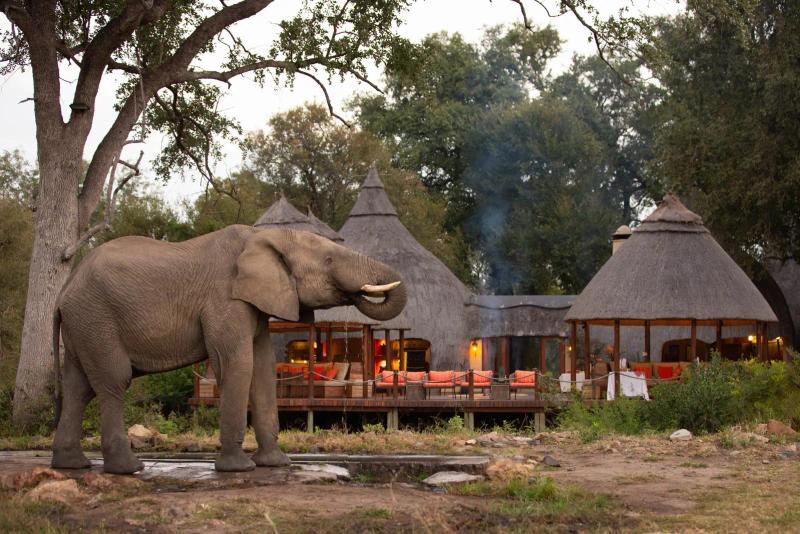
Enjoy an All-inclusive 4-day Kruger National Park safari! Round-trip flights from Johannesburg, airport transfers, luxury accommodation, mea...
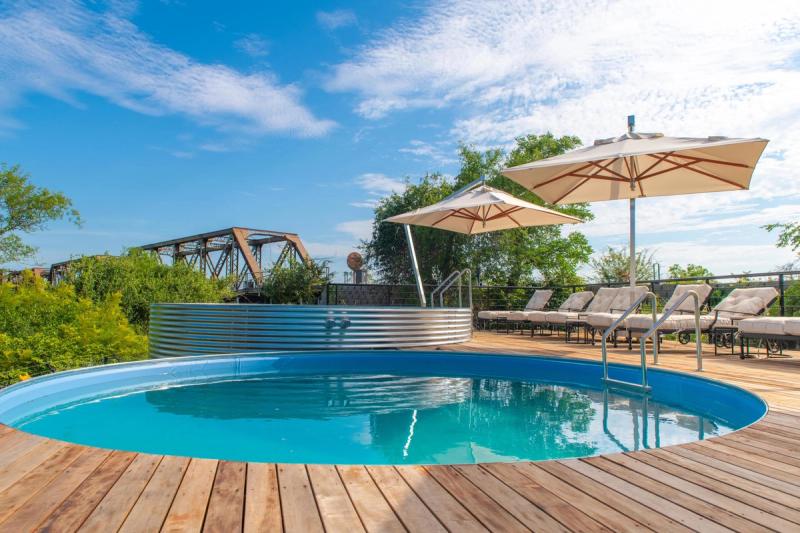
Experience the ultimate safari adventure with a 7-day journey through Kruger National Park and Victoria Falls.
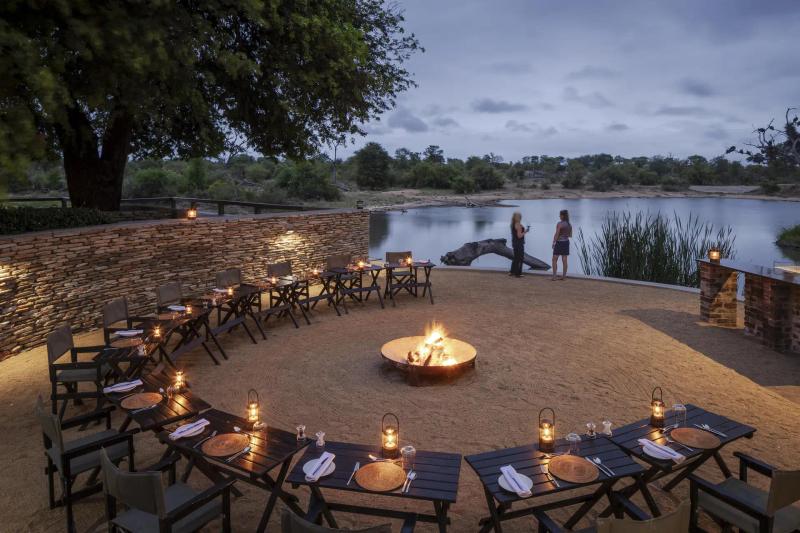
Embark on a luxury safari from the stunning Cape Town Waterfront Village to the deep wilderness of Simbavati Waterside Klaserie Nature Reser...
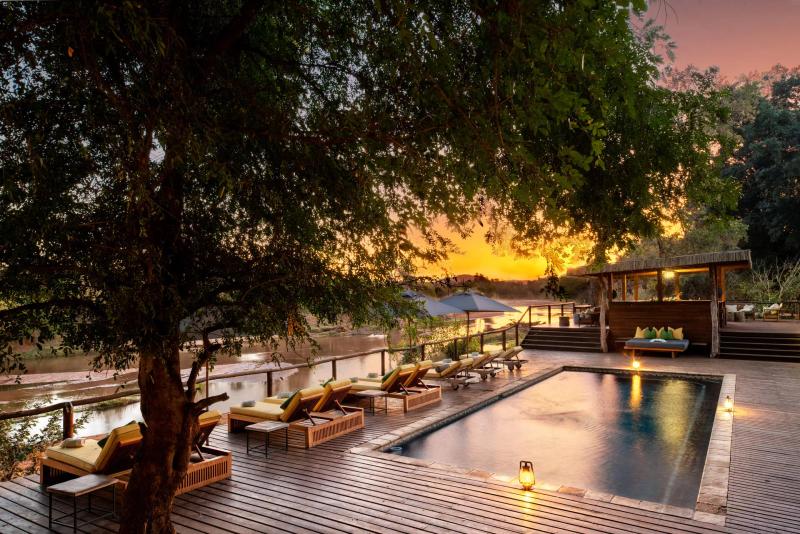
Embark on an unforgettable journey to uncover the hidden gems of South Africa. Begin your adventure with a stay at the charming Romney Park ...
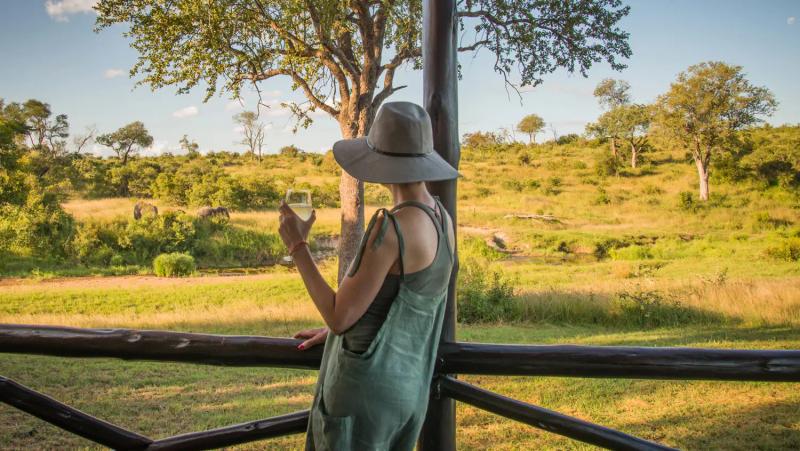
Book a combination of two nights in the Kruger Park and two nights in the Sabi Sand Private Game Reserve and discover an excellent mix of ga...
Large herds at waterholes create dramatic scenes. Capture the oxpecker birds that often sit on their backs for interesting compositions.
Lone buffalo bulls are extremely dangerous and unpredictable. Never approach on foot. They are responsible for killing an estimated 200 people per year in Africa.
Use these in-depth guides to compare destinations, timing, costs, photography, and responsible wildlife-viewing choices.
Where and how to see all Big Five animals (lion, leopard, elephant, rhino, buffalo) on a single African safari.
Read guide →
Everything about walking safaris: best destinations, what to expect, fitness requirements, and safety.
Read guide →
Compare the top safari destinations across Africa — Serengeti, Masai Mara, Kruger, Okavango Delta, and more. Find the perfect safari for your budget and style.
Read guide →