Where to See
Where to See Rhinos in the Wild
Compare Kaziranga, Kruger, Hluhluwe-iMfolozi, Etosha, and Ol Pejeta by rhino species, access, security, tours, welfare, and conservation support.
Read guide →Rhinocerotidae — five living species
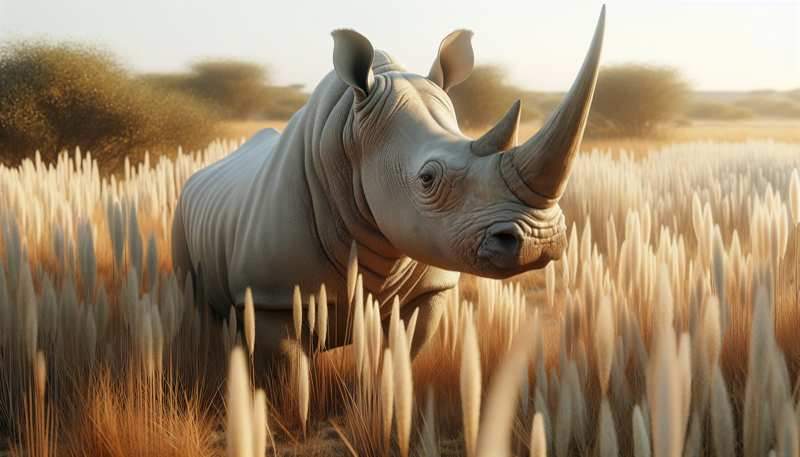
Rhinoceros is a five-species family, not one interchangeable safari animal. Africa has the black rhinoceros (Diceros bicornis), assessed as Critically Endangered, and white rhinoceros (Ceratotherium simum), assessed as Near Threatened. Asia has the Vulnerable greater one-horned rhinoceros (Rhinoceros unicornis), Critically Endangered Javan rhinoceros (Rhinoceros sondaicus), and Critically Endangered Sumatran rhinoceros (Dicerorhinus sumatrensis). Their habitats span African savannas and shrublands, South Asian floodplain grasslands and forests, and Southeast Asian rainforest. Wild viewing is a realistic public activity for some populations; Javan and Sumatran rhinos are not ordinary wildlife-tourism targets. Poaching for horn, small and fragmented populations, habitat pressure, and the security cost of protection shape every responsible visit.
Migration: No single family-wide migration pattern. Rhinos move within protected landscapes in response to forage, water, flooding, disturbance, breeding, and management; exact movement data can be security-sensitive.
Best time of day: Use the protected area’s legal operating hours and current guide advice. Activity and visibility vary by species, weather, water, vegetation, disturbance, and management.
Typical viewing distance: No universal number. Stay in the vehicle or authorised position and follow the current ranger and protected-area rule; greater distance is appropriate if behaviour or security requires it.
Camera settings: Use a telephoto zoom from the assigned vehicle, road, hide, or ranger position. Select shutter speed for subject and vehicle movement, then adjust aperture and ISO to the available light; never trade protected-area compliance for a cleaner frame.
A public vehicle-based route through greater one-horned rhinoceros habitat. Check current Assam park opening, zone, permit, and vehicle arrangements; a sighting is never guaranteed.
Public self-drive and official guided options in black and southern white rhinoceros range. Keep sightings and photographs security-safe and follow SANParks rules.
A major landscape in southern white rhinoceros conservation history that also protects black rhinos, with public self-drive and official guided activities.
A public park where black rhinoceros may be observed from roads, official drives, or camp waterholes. Presence at a particular waterhole is not promised.
A public conservancy visit can include black and southern white rhinos. Its two northern white rhinos live under managed protection; they are not a surviving wild population.
Compare practical destination guides with seasonal timing, travel logistics, other wildlife, tours, and places to stay.
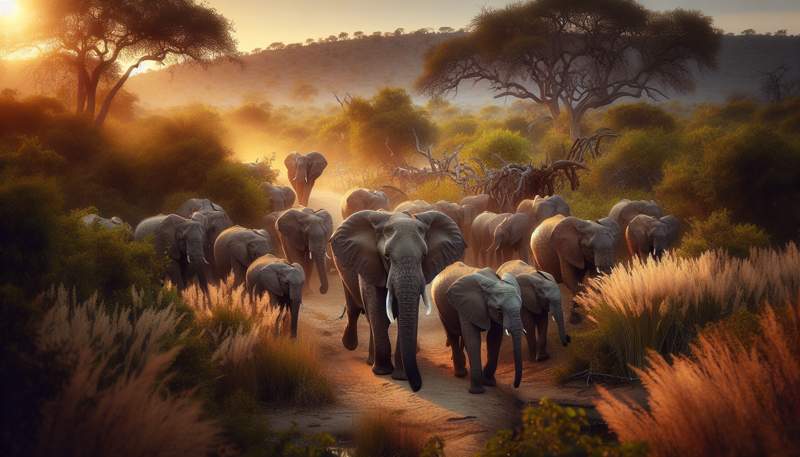
Kruger is one of the largest game reserves in Africa, covering nearly 20,000 km2. It offers an accessible, affordable safari experience with exce...
Plan your visit →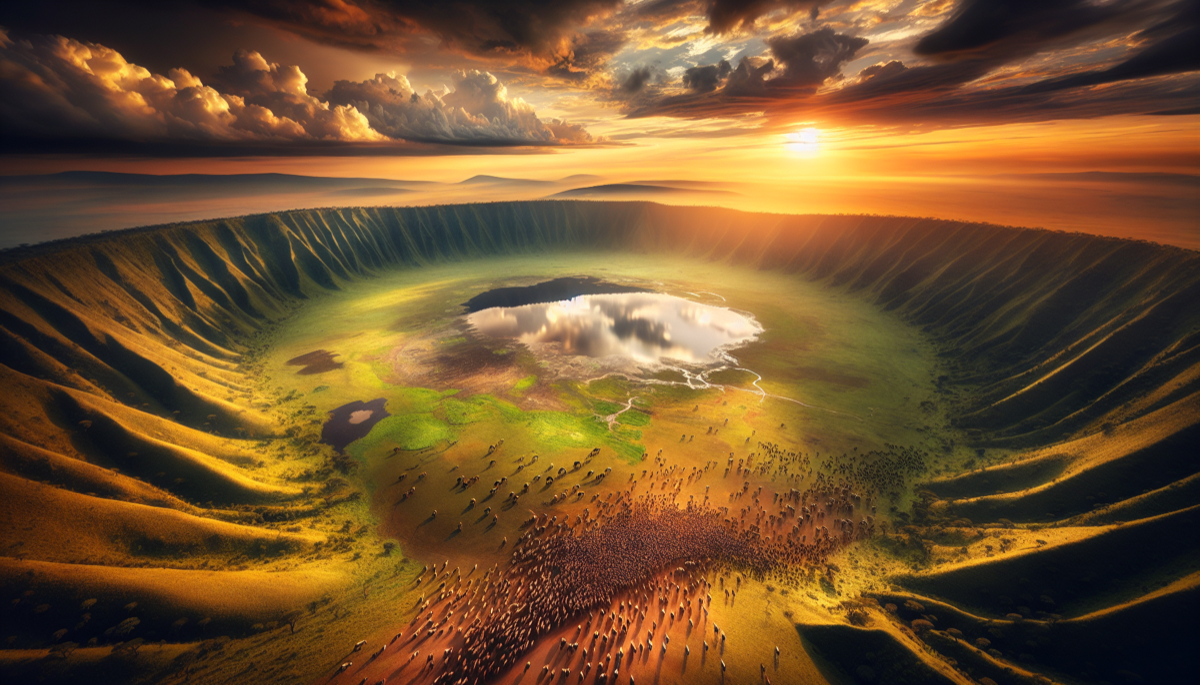
The Ngorongoro Crater is the world's largest unbroken volcanic caldera and one of Africa's most spectacular wildlife destinations. This natural a...
Plan your visit →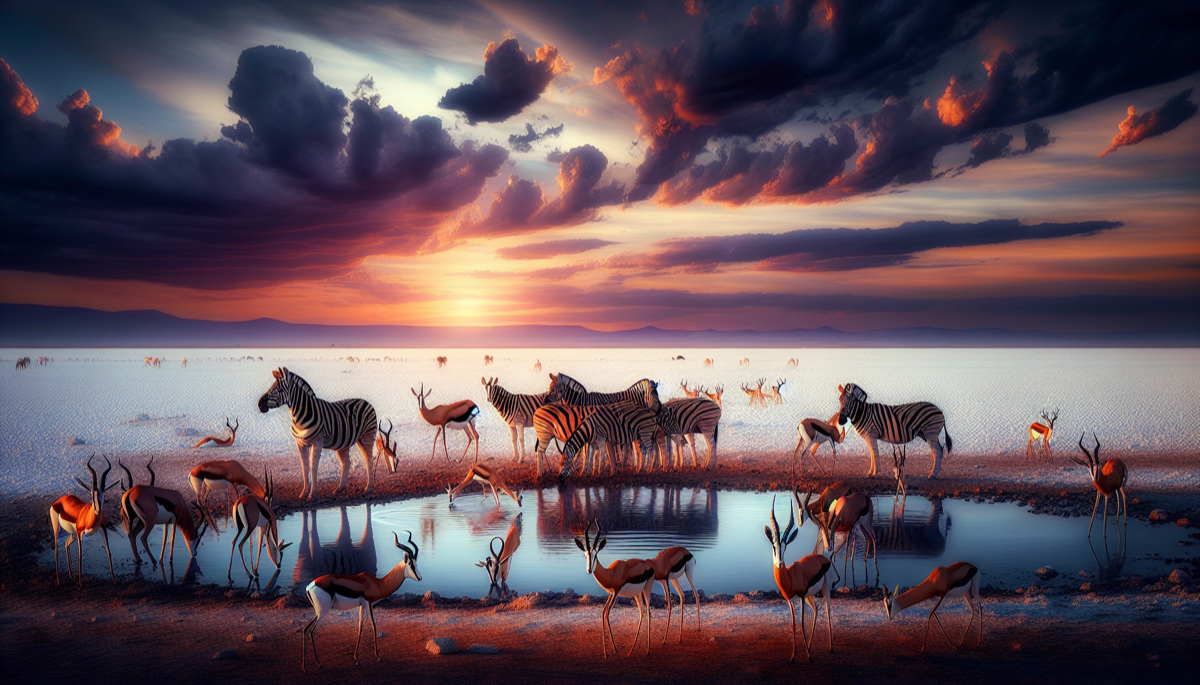
Etosha National Park is Namibia's premier wildlife destination, centred around a vast, shimmering salt pan that stretches 120 km across the park'...
Plan your visit →Country guides connect the species with other wildlife, featured places, planning context, and responsible-viewing advice.
Species may rely on several ecosystems across their range. Explore how conditions and conservation pressures differ.
Compare activity formats, physical conditions, operator questions, animal-welfare risks, and relevant destinations before choosing a tour.
A game drive uses a vehicle to explore protected landscapes with a guide or, where rules allow, as a self-drive visitor. It is the most accessible…
Plan the experience →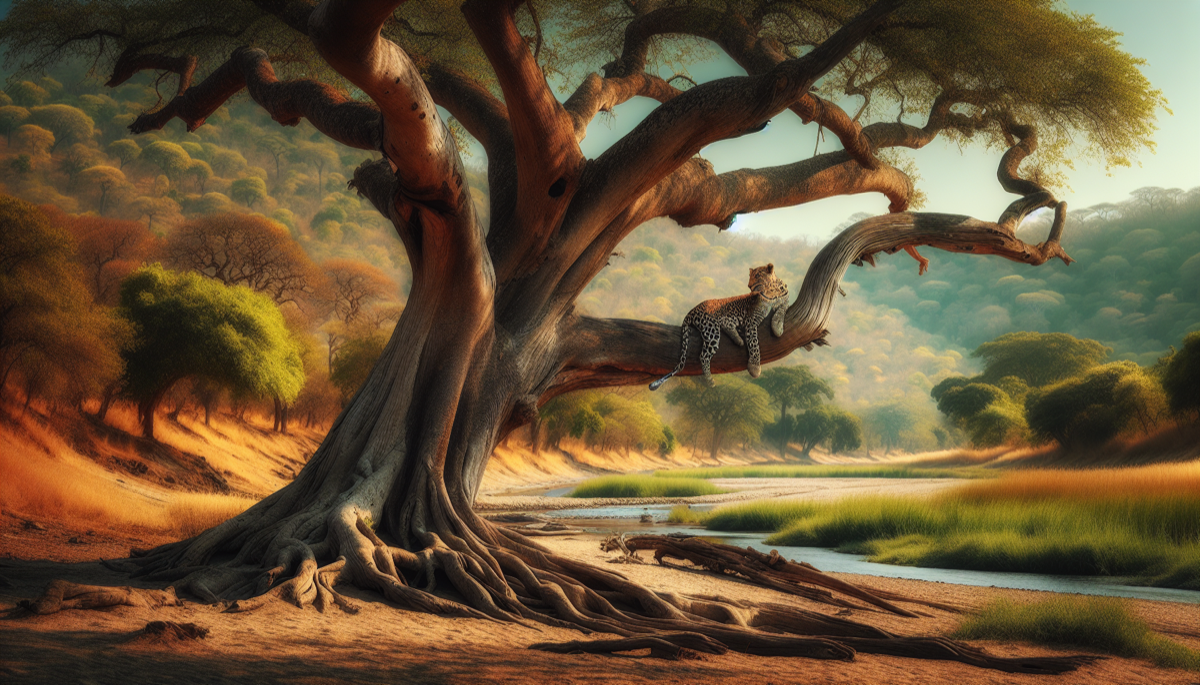
A walking safari shifts attention from covering distance to reading an ecosystem at ground level. Tracks, dung, plants, insects, alarm calls, wind,…
Plan the experience →These third-party programmes offer relevant ways to adopt symbolically, foster, donate, or learn. We do not process contributions or receive commission.
An adoption programme featuring rescued elephants and other orphans in the Trust's care, within a wider programme of veterinary response, rehabilitation, protected-area work, and eventual return to the wild where possible.
Review programme →DonateA one-off or regular donation route supporting rhino conservation partners, ranger and protection work, efforts against wildlife trafficking, habitat programmes, and community collaboration.
Review programme →Due DiligenceUnderstand symbolic adoption, verify the organisation, and review current terms and use of funds.
Open the programme directory →Current Viator listings matched to this species. Confirm where the activity operates, its wildlife policy, recent reviews, availability, and cancellation terms before booking.


Only species-relevant partner routes are shown. Confirm the exact location, wildlife policy, availability, current price, and cancellation terms before booking.
These links open third-party searches. Verify the exact operator, route, guide team, wildlife policy, field time, and no-sighting terms.
Search stays only after the gateway and field route are confirmed.
Compare current routes, baggage rules, buffers, and total booking terms.
Check medical, cancellation, activity, altitude, equipment, and evacuation terms for the exact itinerary.
Match equipment to guide advice, distance, weather, baggage limits, and safe handling.
Premium tailor-made packages from Africa's top operators. High-value bookings with expert planning.
Safari.com itinerary examples that may include rhinoceros habitat. Request a current quote and confirm the operator, exact route, wildlife policy, recent reviews, and cancellation terms before booking.
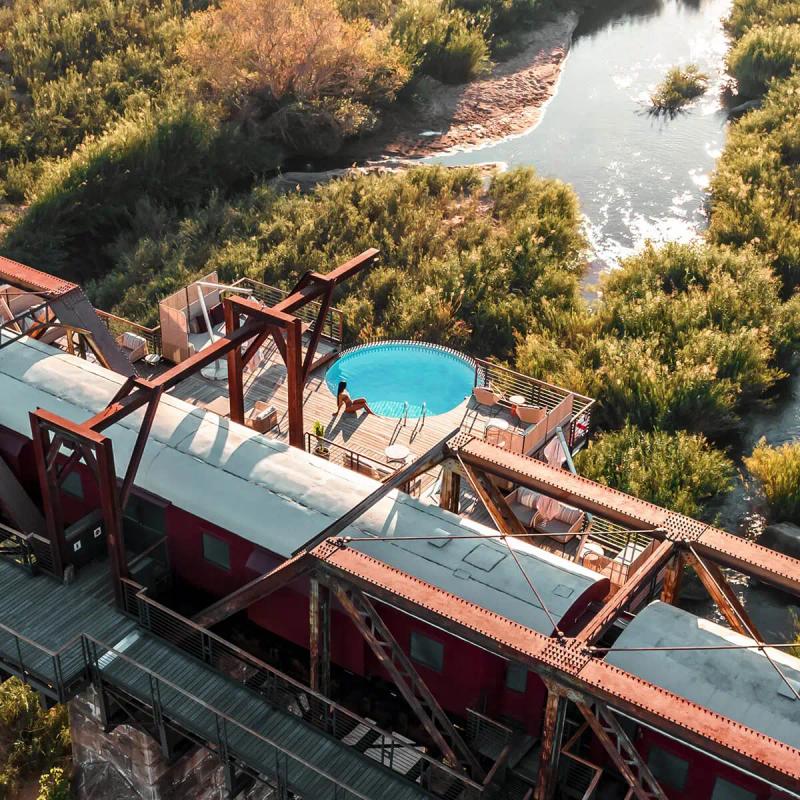
Experience the Kruger National Park, suspended over the Sabie River.
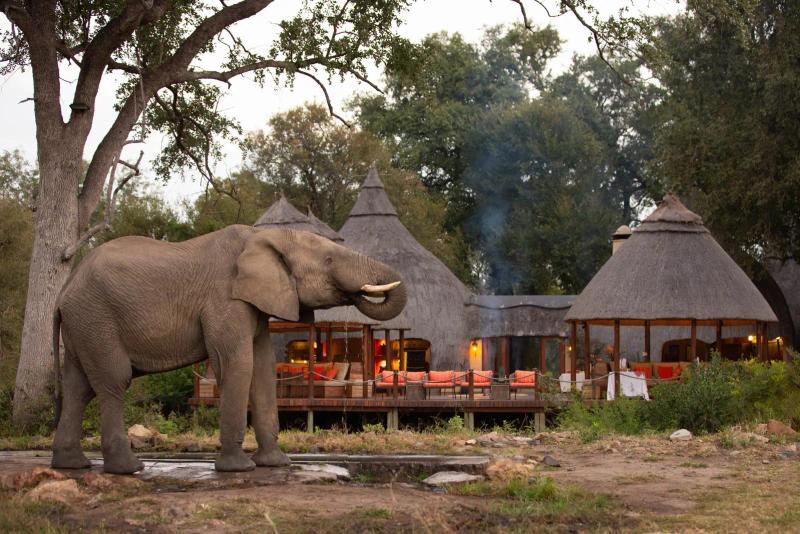
Enjoy an All-inclusive 4-day Kruger National Park safari! Round-trip flights from Johannesburg, airport transfers, luxury accommodation, mea...
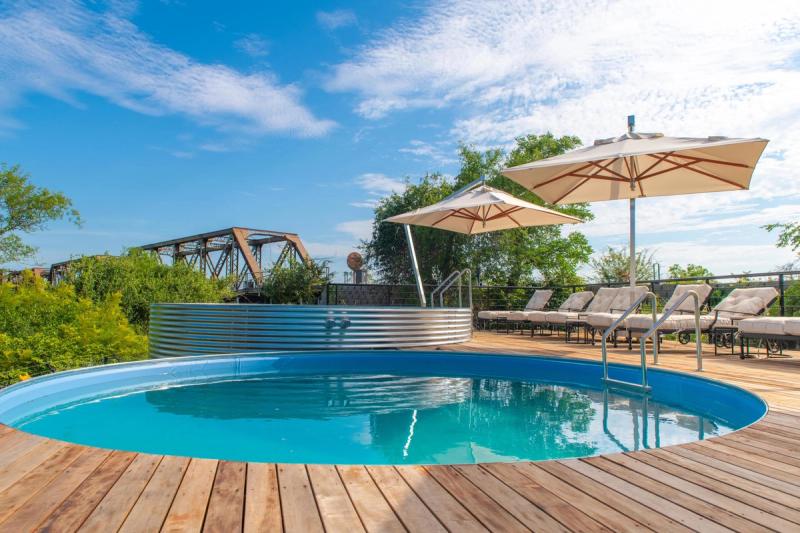
Experience the ultimate safari adventure with a 7-day journey through Kruger National Park and Victoria Falls.
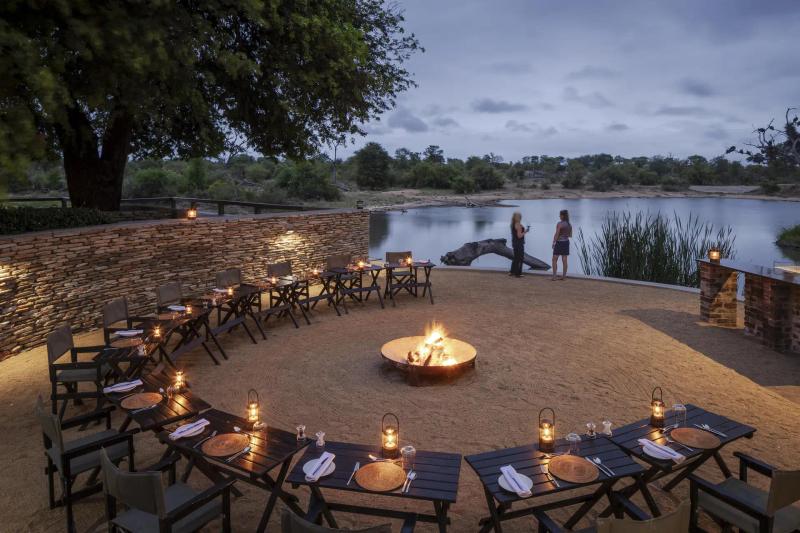
Embark on a luxury safari from the stunning Cape Town Waterfront Village to the deep wilderness of Simbavati Waterside Klaserie Nature Reser...
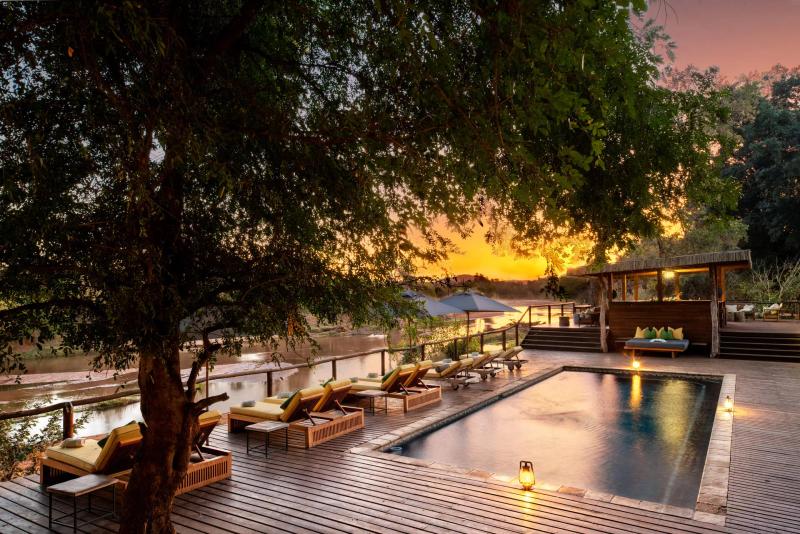
Embark on an unforgettable journey to uncover the hidden gems of South Africa. Begin your adventure with a stay at the charming Romney Park ...
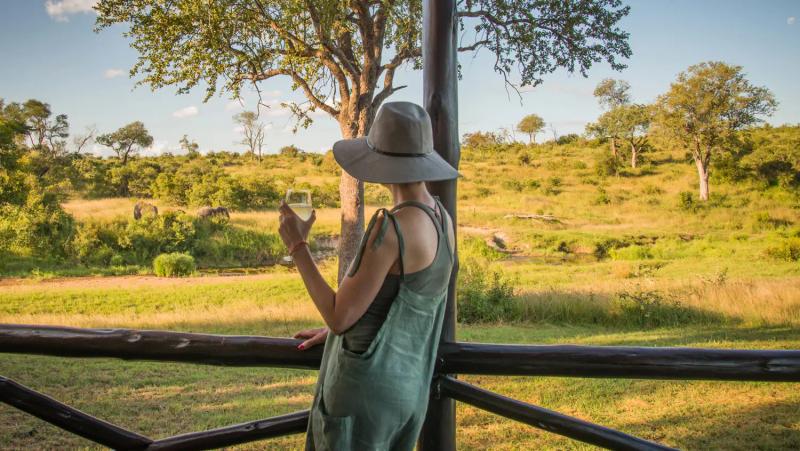
Book a combination of two nights in the Kruger Park and two nights in the Sabi Sand Private Game Reserve and discover an excellent mix of ga...
Photograph only from the public road, vehicle, hide, or ranger-assigned position. A telephoto zoom helps preserve space, but the correct distance is the one set by the protected area and guide. Never ask for an off-road chase or publish a precise real-time rhino location.
Stay in the vehicle unless you are taking part in an authorised ranger-led activity that explicitly requires otherwise. Follow the ranger or protected-area instruction immediately; do not rely on generic charge-escape advice or species stereotypes. Never walk toward, block, call, feed, or pursue a rhino. Do not post exact coordinates, real-time sightings, patrol details, ranger identities, access routines, or other security-sensitive information. Never buy rhino horn or a product represented as containing it.
See how Rhinoceros compares to other animals
Use these in-depth guides to compare destinations, timing, costs, photography, and responsible wildlife-viewing choices.
Compare Kaziranga, Kruger, Hluhluwe-iMfolozi, Etosha, and Ol Pejeta by rhino species, access, security, tours, welfare, and conservation support.
Read guide →
Where and how to see all Big Five animals (lion, leopard, elephant, rhino, buffalo) on a single African safari.
Read guide →
Everything about walking safaris: best destinations, what to expect, fitness requirements, and safety.
Read guide →
This guide currently identifies Kaziranga National Park (India), Kruger National Park (South Africa), Hluhluwe-iMfolozi Park (South Africa). A species range is not automatically a visitor area, so confirm public access, closures, permits, and wildlife rules with the relevant authority before travelling. No wild sighting is guaranteed.
Our species-level planning note is: Plan by species and protected area; there is no universal rhino season. The listed location windows are Kaziranga National Park: Use current Assam Forest and Tourism notices; Kruger National Park: Check live SANParks access and conditions; Hluhluwe-iMfolozi Park: Check live Ezemvelo access and activity information. Treat these as starting points and verify current weather, access, and local wildlife guidance for the exact destination.
Build a current total from transport, permits or entry fees, guiding or hides, accommodation, insurance, equipment, and enough field sessions for an uncertain sighting. Prices and currencies vary too much by region and date for one daily figure to be reliable; use official booking pages and written operator terms.
Stay in the vehicle unless you are taking part in an authorised ranger-led activity that explicitly requires otherwise. Follow the ranger or protected-area instruction immediately; do not rely on generic charge-escape advice or species stereotypes. Never walk toward, block, call, feed, or pursue a rhino. Do not post exact coordinates, real-time sightings, patrol details, ranger identities, access routines, or other security-sensitive information. Never buy rhino horn or a product represented as containing it. Local rules and ranger instructions take priority over general advice, and a guide should never manufacture proximity by feeding, calling, chasing, or blocking an animal.
Photograph only from the public road, vehicle, hide, or ranger-assigned position. A telephoto zoom helps preserve space, but the correct distance is the one set by the protected area and guide. Never ask for an off-road chase or publish a precise real-time rhino location. The image is secondary to legal access, safe distance, natural behaviour, and the privacy of sensitive locations.