Zebra
Equus quagga
About the Zebra
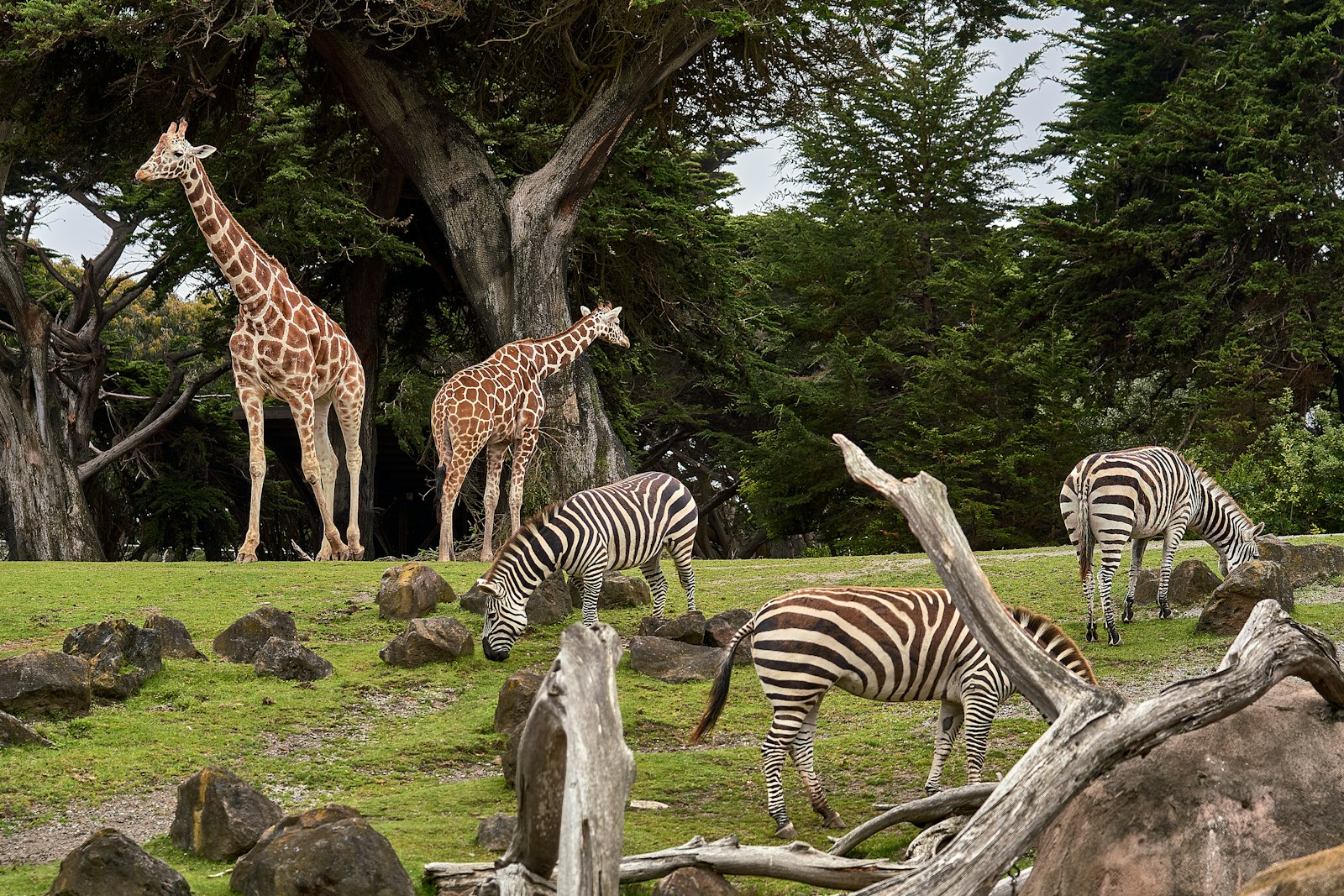
Zebras are iconic African herbivores recognizable by their black-and-white striped coats. Scientists believe their stripes may confuse biting flies, regulate body temperature, or serve as individual identification. They are a key part of the Great Migration in the Serengeti-Mara ecosystem.
Biology & Stats
Migration: Great Migration (1.5M wildebeest + 400K zebras). Longest African mammal migration in Botswana (500km).
Best time of day: Active throughout the day. Migration crossings during daylight.
Typical viewing distance: 10-30 metres from vehicle
Camera settings: 1/500s-1/1000s, f/8-f/11 for herds, ISO 200-800, 70-200mm. Slightly overexpose (+0.3-0.7 EV).
Fun Facts
- Each zebra's stripe pattern is unique — like a human fingerprint.
- Zebras sleep standing up.
- A group of zebras is called a "dazzle".
Where to See Zebra in the Wild
Serengeti National Park
TanzaniaMassive zebra herds during the Great Migration.
Etosha National Park
NamibiaZebras at salt pans create striking contrast.
Featured Destinations to See Zebra
Compare practical destination guides with seasonal timing, travel logistics, other wildlife, tours, and places to stay.
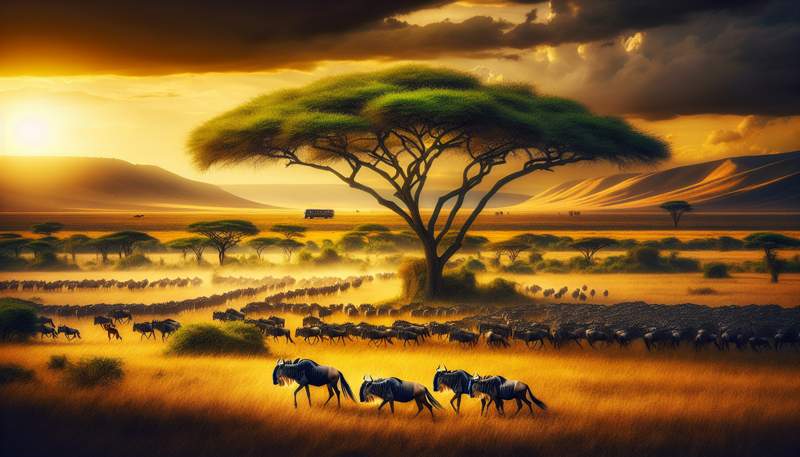
Serengeti National Park
The Serengeti is synonymous with African safari. Spanning 14,750 km2 of savanna, it hosts the Great Migration — the largest overland animal movem...
Plan your visit →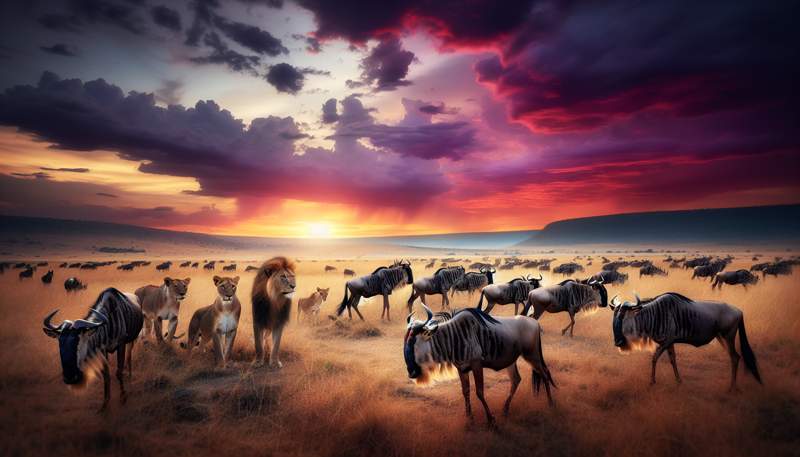
Masai Mara National Reserve
The Masai Mara is Kenya's most celebrated wildlife reserve, forming the northern extension of the Serengeti ecosystem. It offers some of the most...
Plan your visit →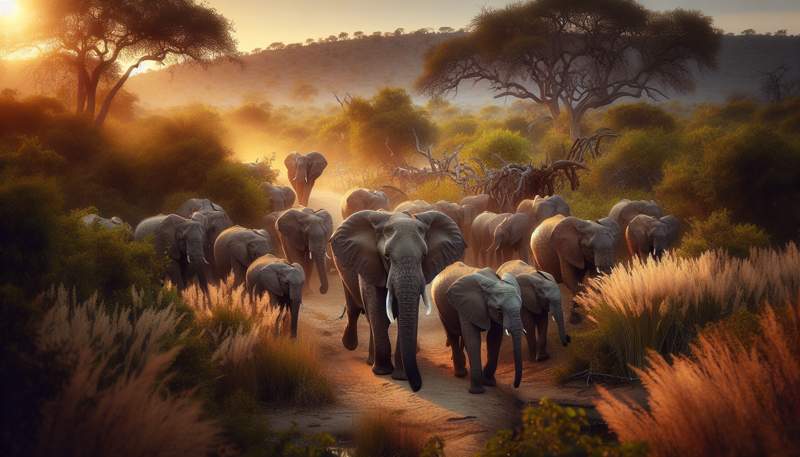
Kruger National Park
Kruger is one of the largest game reserves in Africa, covering nearly 20,000 km2. It offers an accessible, affordable safari experience with exce...
Plan your visit →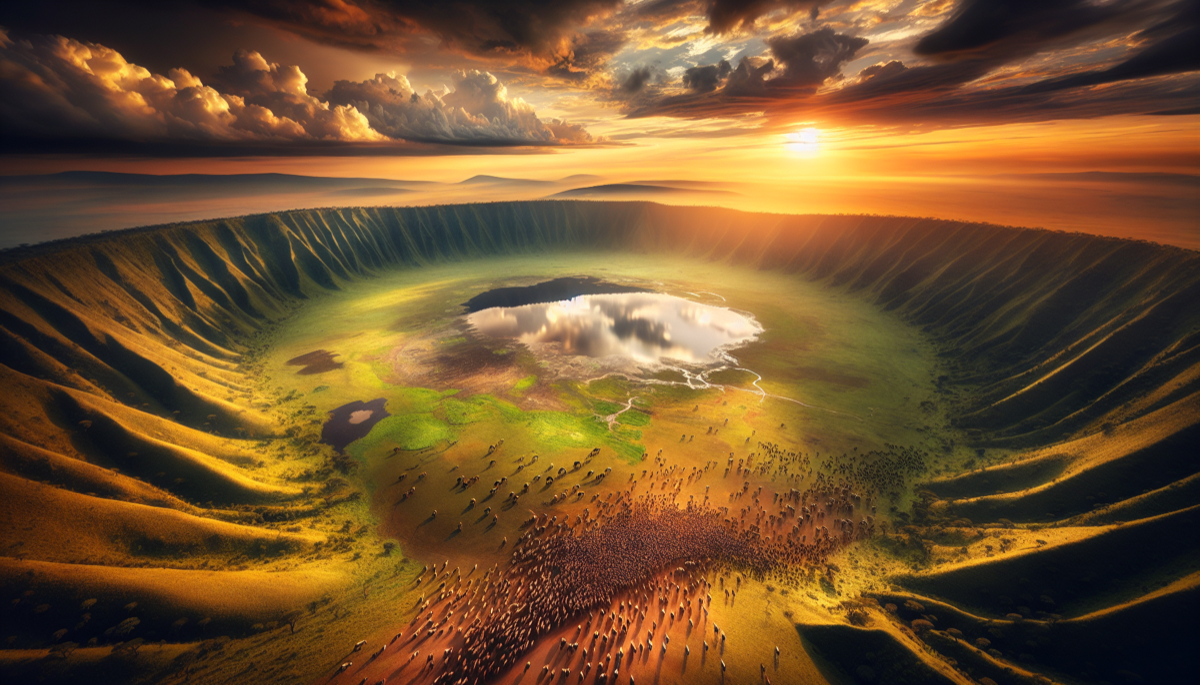
Ngorongoro Crater
The Ngorongoro Crater is the world's largest unbroken volcanic caldera and one of Africa's most spectacular wildlife destinations. This natural a...
Plan your visit →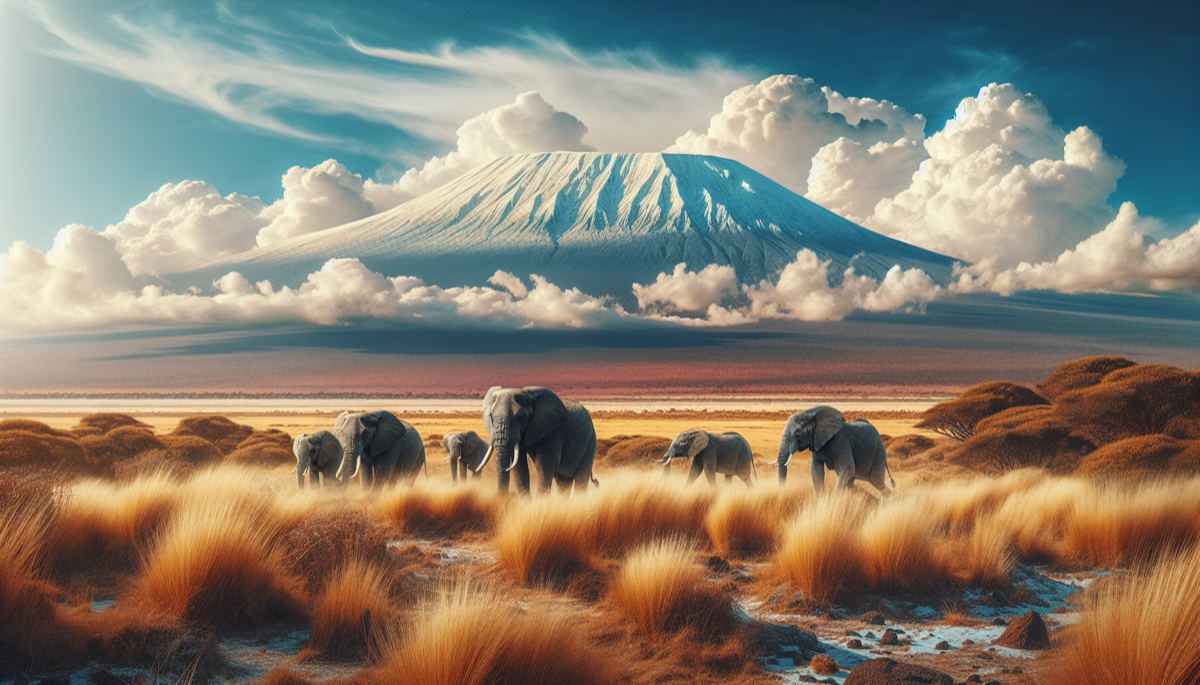
Amboseli National Park
Amboseli National Park is one of Kenya's most iconic wildlife destinations, famous for its large elephant herds set against the dramatic backdrop...
Plan your visit →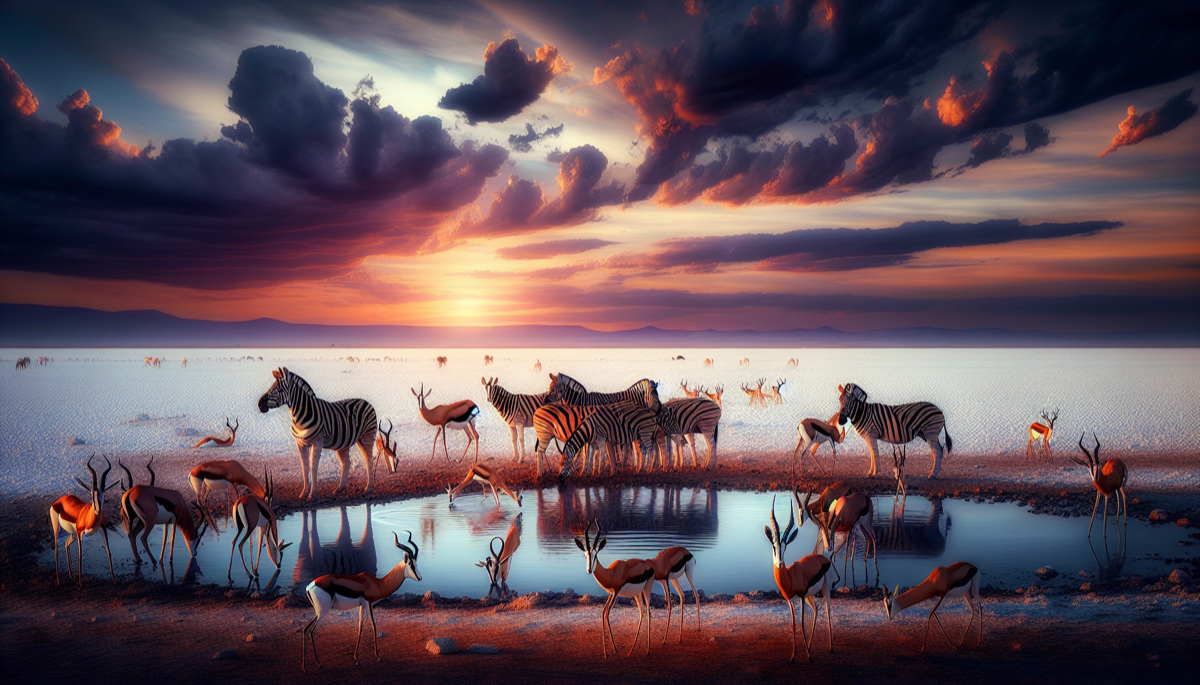
Etosha National Park
Etosha National Park is Namibia's premier wildlife destination, centred around a vast, shimmering salt pan that stretches 120 km across the park'...
Plan your visit →Explore Zebra by Country
Country guides connect the species with other wildlife, featured places, planning context, and responsible-viewing advice.
Habitats Used by Zebra
Species may rely on several ecosystems across their range. Explore how conditions and conservation pressures differ.
Responsible Zebra Experiences
Compare activity formats, physical conditions, operator questions, animal-welfare risks, and relevant destinations before choosing a tour.
Safari Game Drives
A game drive uses a vehicle to explore protected landscapes with a guide or, where rules allow, as a self-drive visitor. It is the most accessible…
Plan the experience →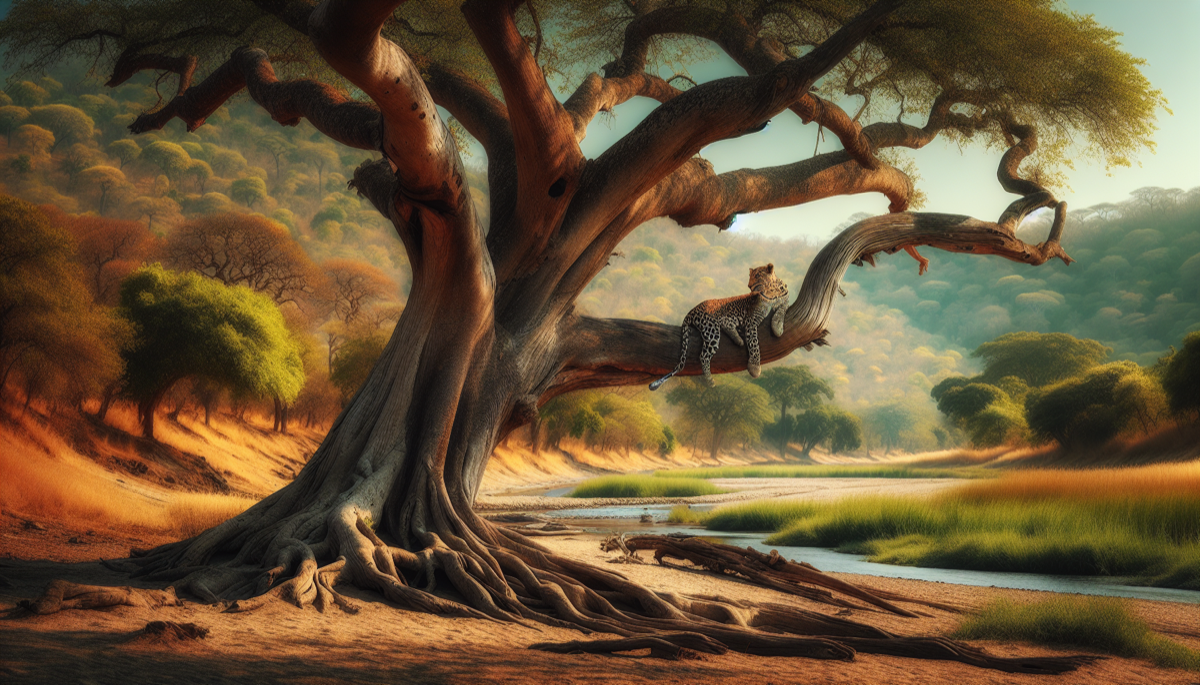
Walking Safaris
A walking safari shifts attention from covering distance to reading an ecosystem at ground level. Tracks, dung, plants, insects, alarm calls, wind,…
Plan the experience →Where to See Zebra at Zoos
Browse Zebra Tours & Experiences
Current Viator listings matched to this species. Confirm where the activity operates, its wildlife policy, recent reviews, availability, and cancellation terms before booking.

Safari Game Drive - Yzerfontein
3 hours
Yala National Park Wildlife Safari/ Game Drive - by Ajith Safari
4 hours
3-Hour Scheduled Safari Game Drive in Pilanesberg National Park
3 hours
Safari Game Drive in Private Reserve out of Hoedspruit
3h 30m
Aquila Big Five Game Reserve Safari with options from Cape Town
9 hours
Safari Game Drive Zambezi National Park
3 hoursSafari Packages to See Zebra
Safari.com itinerary examples that may include zebra habitat. Request a current quote and confirm the operator, exact route, wildlife policy, recent reviews, and cancellation terms before booking.
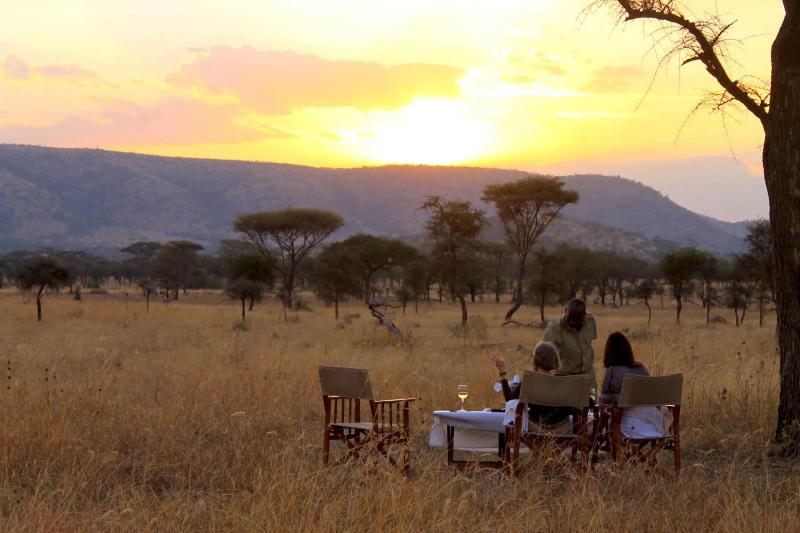
10 Day Luxury Fly-in Kenya & Tanzania Tour
Embark on the ultimate East Africa safari with this 10-day journey through Kenya and Tanzania’s top game reserves. Stay in luxury safari lod...
- 1 night at Gran Meliá Arusha, then 2 nights at Meliá Ngorongoro Lodge
- Guided game drive on the floor of the Ngorongoro Crater
- 3 nights at Nimali Serengeti in the heart of the migration corridor
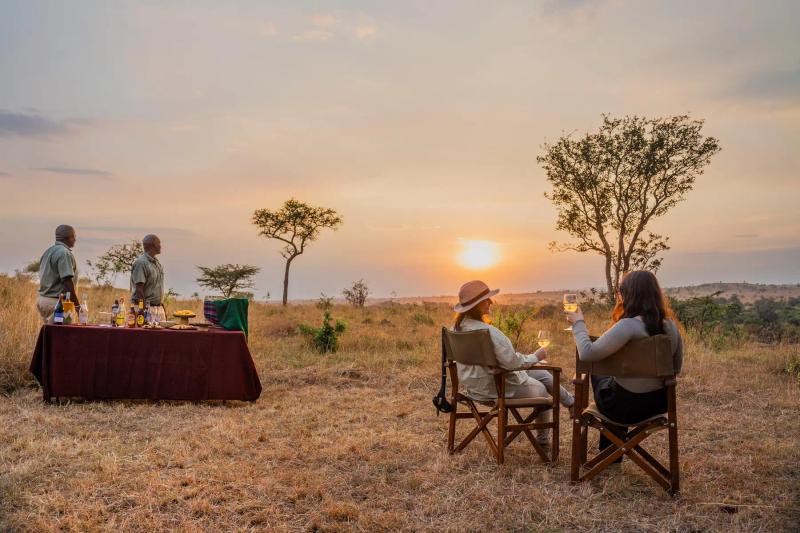
10-Day Best of East Africa Migration Safari
Your adventure starts in Nairobi, showcasing modern Kenyan style, before heading to the Masai Mara to see the Big Five, Mara Cats, and the G...
- 2 nights at Karen Blixen Cottages with visits to David Sheldrick Trust and Giraffe Centre
- 2 nights at Kichwa Tembo in the Masai Mara for Big Five game drives
- 2 nights at Simbavati Grumeti Camp in the Serengeti with private guide
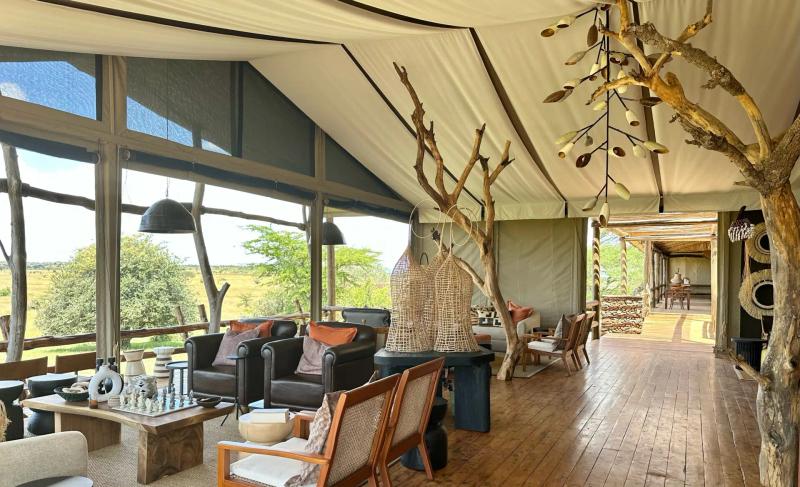
6-Day Grumeti Safari Promotion
Home of the Great Migration. Simbavati Grumeti is nestled on the open plains between the Serengeti National Park and the Grumeti River, with...
- 5 nights at Simbavati Grumeti between the Serengeti and Grumeti River
- Daily open-vehicle game drives across the acacia-dotted plains
- Walking safari, night drive and full-day game drive included
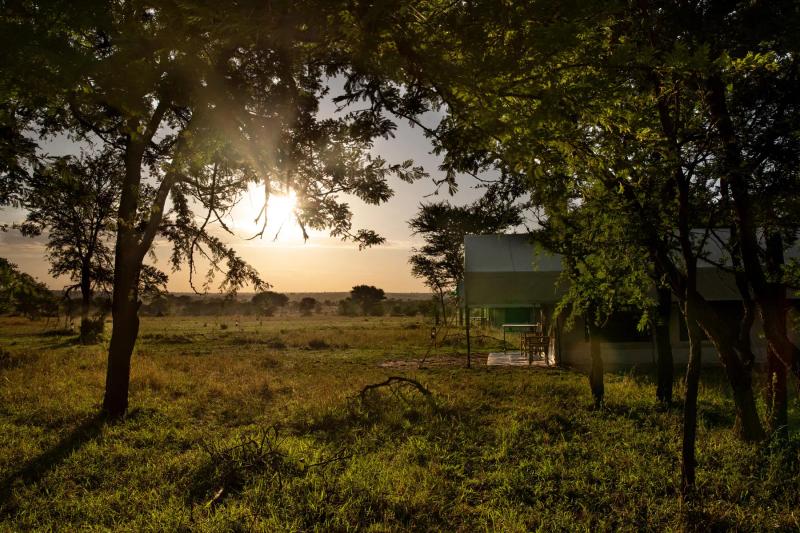
10 Day Bush and Beach Safari
Embark on a 10-day journey of a lifetime that combines thrilling safaris with barefoot luxury. From iconic wildlife encounters in the heart ...
- 2 nights at Mount Meru Hotel in Arusha bookending the safari
- Game drive in Lake Manyara, home to tree-climbing lions
- 2 nights at Serengeti Kati Kati Tented Camp with full-day Central Serengeti drives
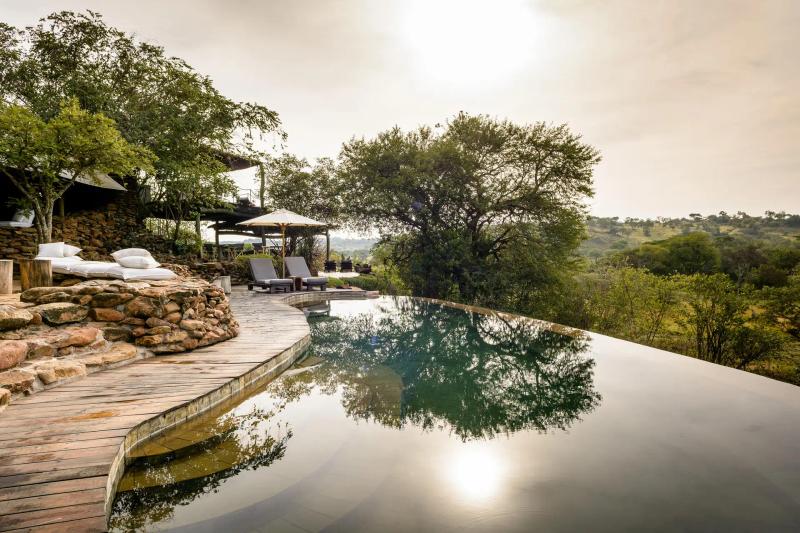
3-Day Singita Faru Faru Luxury Fly-In Safari
Singita Faru Faru Lodge offers a luxurious and immersive safari experience in the heart of the African wilderness. The lodge is renowned for...
- 2 nights at Singita Faru Faru Lodge in the Grumeti Game Reserve
- Twice-daily open-vehicle game drives across the Grumeti plains
- Tennis at neighbouring Sasakwa Lodge
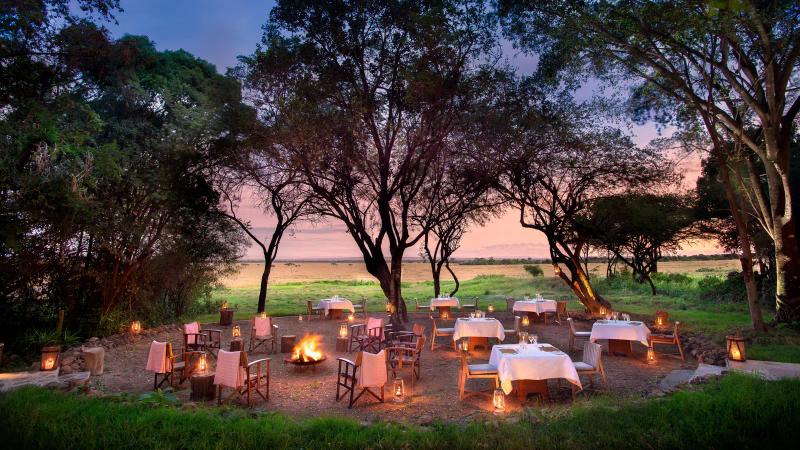
9 Day Masai Mara, Serengeti & Manyara Safari
Explore some of Africa's best game parks on this 10-day safari through Kenya and Tanzania. Set out on an adventure combined with 5-star luxu...
- 1 night at Hemingways Nairobi on arrival
- 2 nights at andBeyond Bateleur Camp in the Masai Mara tracking the Big Five
- 2 nights at Serengeti under Canvas, a mobile camp following the Great Migration
Photography Tips for Zebra
Black-and-white stripes look stunning in monochrome. Try converting zebra shots to B&W for artistic impact.
Safety Guide
Zebras can deliver a powerful kick. Maintain distance in the wild and never approach on foot.