Photography
Underwater Wildlife Photography: A Beginners Complete Guide
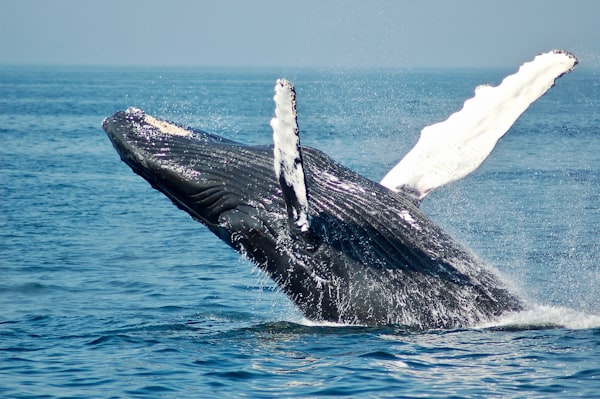
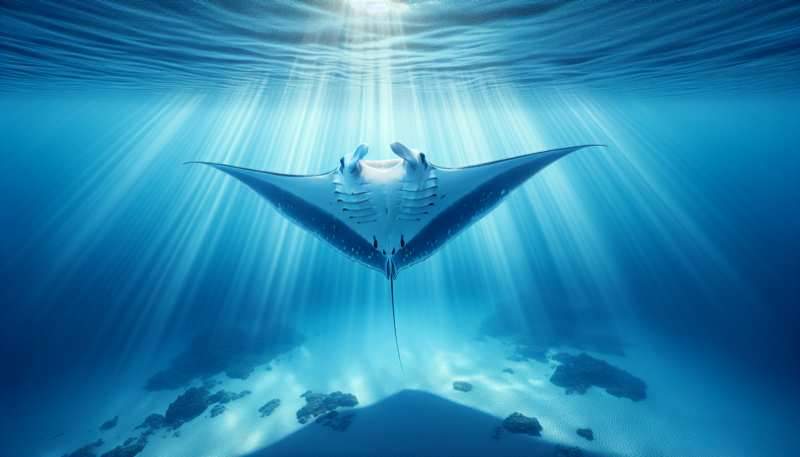
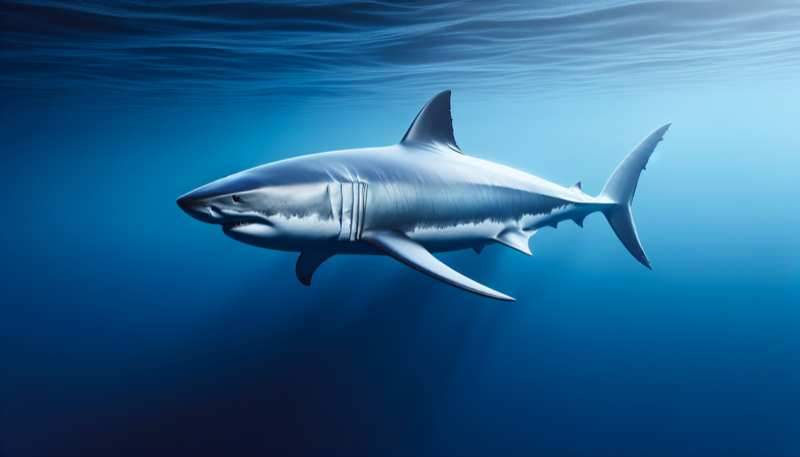
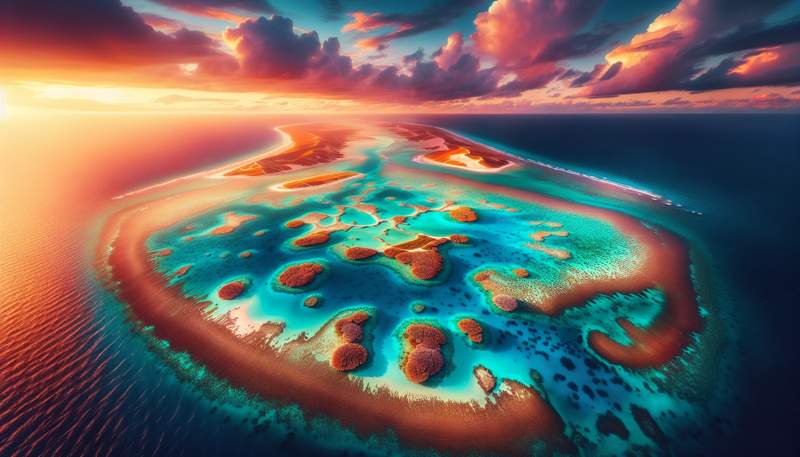
Learn underwater wildlife photography from scratch. Gear, settings, techniques for whale sharks, mantas, and coral reefs.
Read guide →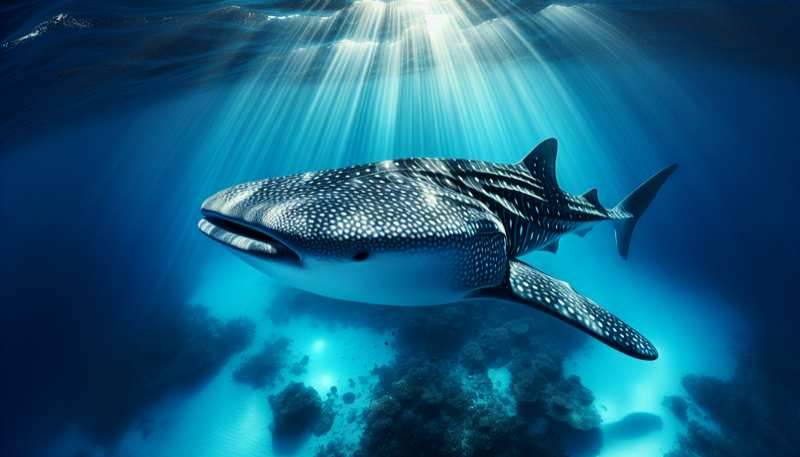
Rhincodon typus
The whale shark is the largest fish in the ocean, reaching lengths of up to 12 metres. Despite their enormous size, these gentle filter-feeders subsist entirely on plankton and small fish. Swimming alongside a whale shark is one of the most awe-inspiring wildlife encounters available.
Migration: Highly migratory, cross ocean basins. Tracked over 12,000 km.
Best time of day: Morning hours when feeding at surface.
Typical viewing distance: 3-10 metres while snorkelling
Camera settings: 1/250s-1/500s underwater, f/5.6-f/8, ISO 400-1600, 10-17mm fisheye
The world's most reliable whale shark aggregation (March-July).
Large gatherings of whale sharks from June to September.
Year-round whale shark encounters (note: controversial feeding station).
Compare practical destination guides with seasonal timing, travel logistics, other wildlife, tours, and places to stay.
Country guides connect the species with other wildlife, featured places, planning context, and responsible-viewing advice.
Species may rely on several ecosystems across their range. Explore how conditions and conservation pressures differ.
Compare activity formats, physical conditions, operator questions, animal-welfare risks, and relevant destinations before choosing a tour.
Okinawa, Japan
These third-party programmes offer relevant ways to adopt symbolically, foster, donate, or learn. We do not process contributions or receive commission.
A set of worldwide digital shark adoption packs connected to the Shark Trust's conservation campaigns, science, fisheries work, and public education.
Review programme →Due DiligenceUnderstand symbolic adoption, verify the organisation, and review current terms and use of funds.
Open the programme directory →Current Viator listings matched to this species. Confirm where the activity operates, its wildlife policy, recent reviews, availability, and cancellation terms before booking.


Only species-relevant partner routes are shown. Confirm the exact location, wildlife policy, availability, current price, and cancellation terms before booking.
These links open third-party searches. Verify the exact operator, route, guide team, wildlife policy, field time, and no-sighting terms.
Search stays only after the gateway and field route are confirmed.
Compare current routes, baggage rules, buffers, and total booking terms.
Check medical, cancellation, activity, altitude, equipment, and evacuation terms for the exact itinerary.
Match equipment to guide advice, distance, weather, baggage limits, and safe handling.
Safari.com itinerary examples that may include whale shark habitat. Request a current quote and confirm the operator, exact route, wildlife policy, recent reviews, and cancellation terms before booking.
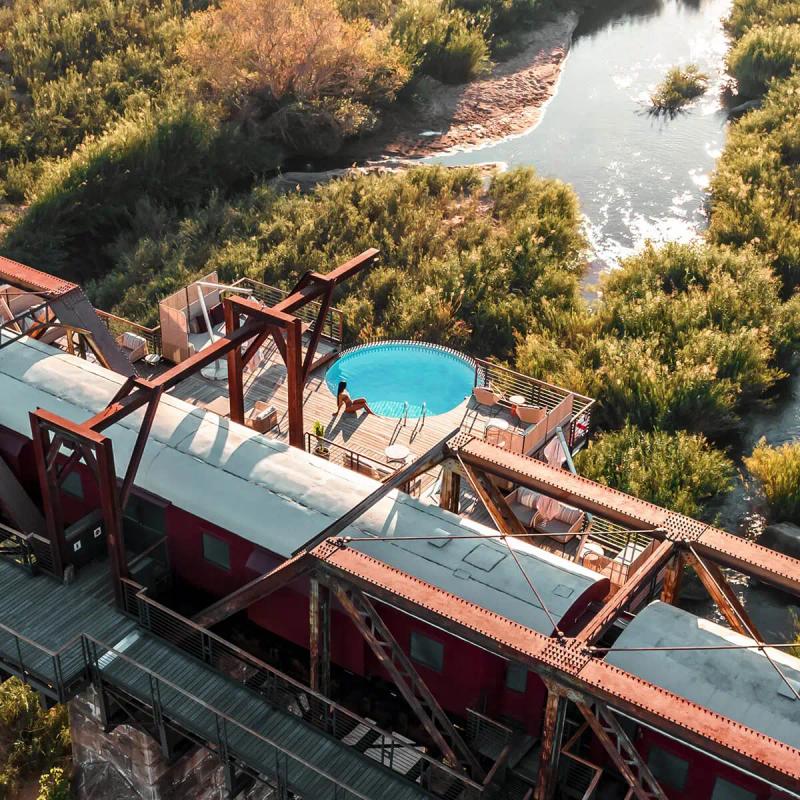
Experience the Kruger National Park, suspended over the Sabie River.
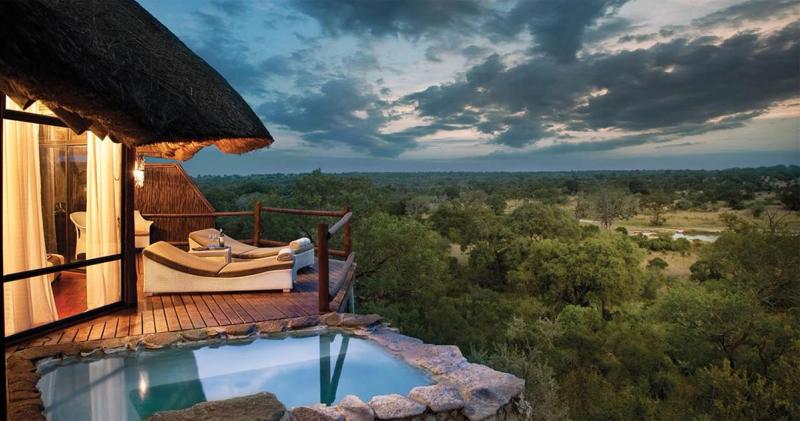
Travelling soon? Enjoy a 42% last-minute discounted price when booking this 5-day Premier Sabi Sands luxury safari package. You'll be in the...
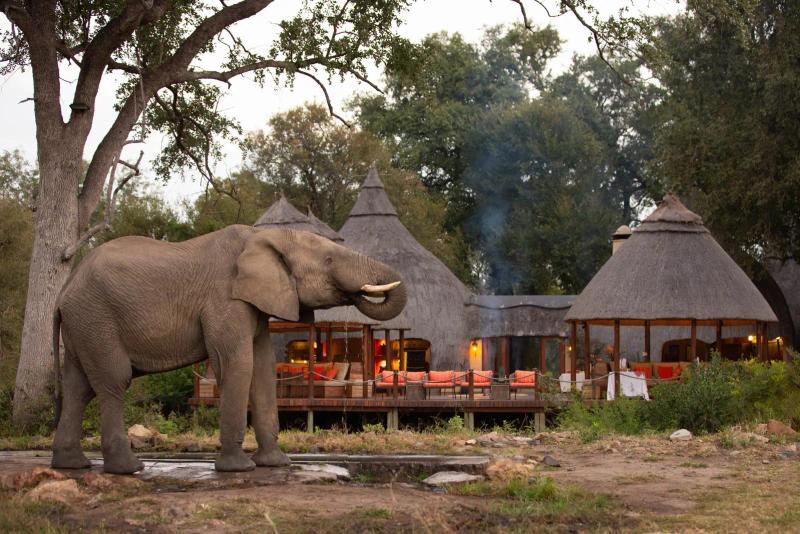
Enjoy an All-inclusive 4-day Kruger National Park safari! Round-trip flights from Johannesburg, airport transfers, luxury accommodation, mea...
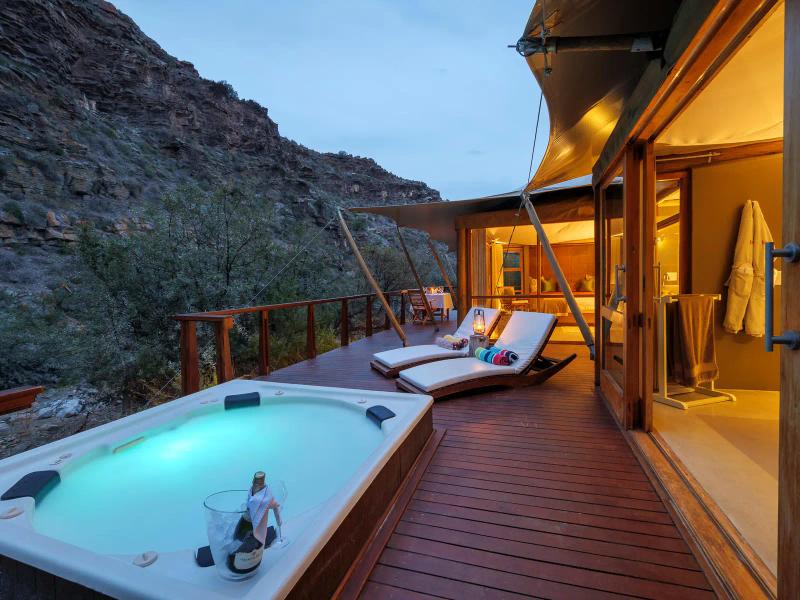
Experience three days at Sanbona Wildlife Reserve on a 5-star BIG 5 safari - offering an exclusive and unique malaria-free safari, with the ...
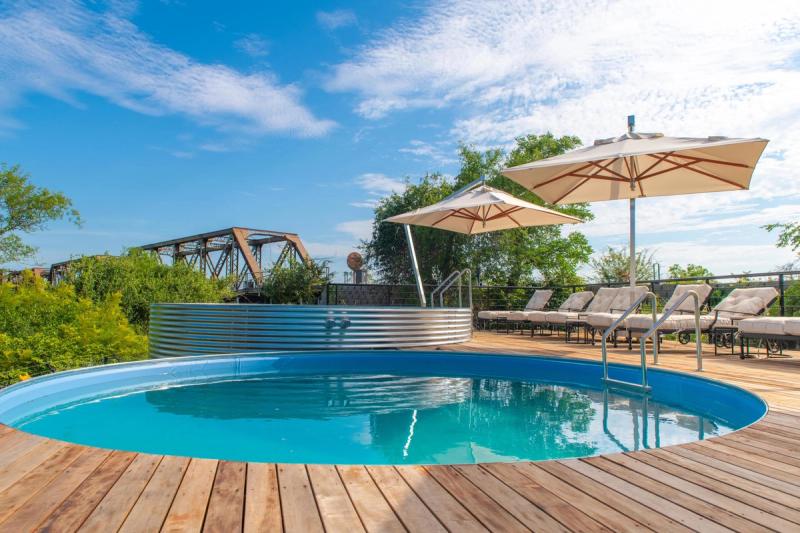
Experience the ultimate safari adventure with a 7-day journey through Kruger National Park and Victoria Falls.
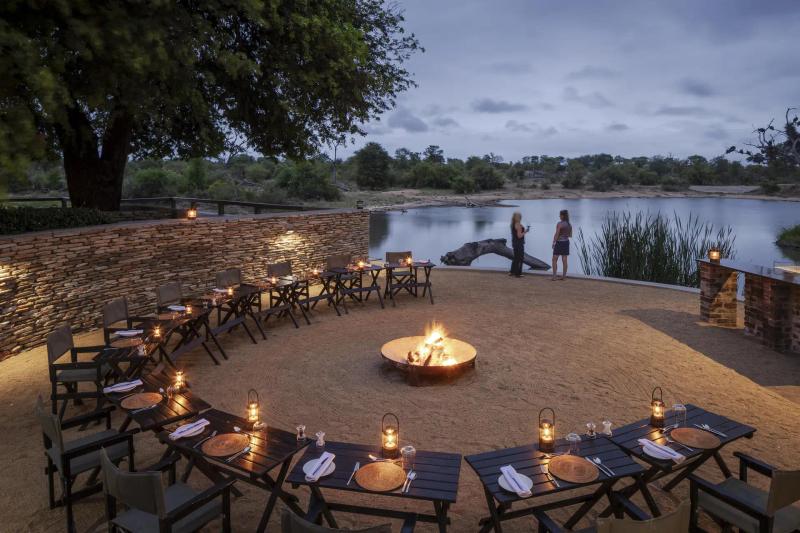
Embark on a luxury safari from the stunning Cape Town Waterfront Village to the deep wilderness of Simbavati Waterside Klaserie Nature Reser...
Use a wide-angle lens (10-20mm) to capture their full scale. Underwater housings are essential. Snorkel gear is sufficient — scuba often not needed.
Whale sharks are harmless to humans but maintain 3 metres distance. Do not touch or ride them. Avoid wearing sunscreen that is not reef-safe.
See how Whale Shark compares to other animals
Use these in-depth guides to compare destinations, timing, costs, photography, and responsible wildlife-viewing choices.
Learn underwater wildlife photography from scratch. Gear, settings, techniques for whale sharks, mantas, and coral reefs.
Read guide →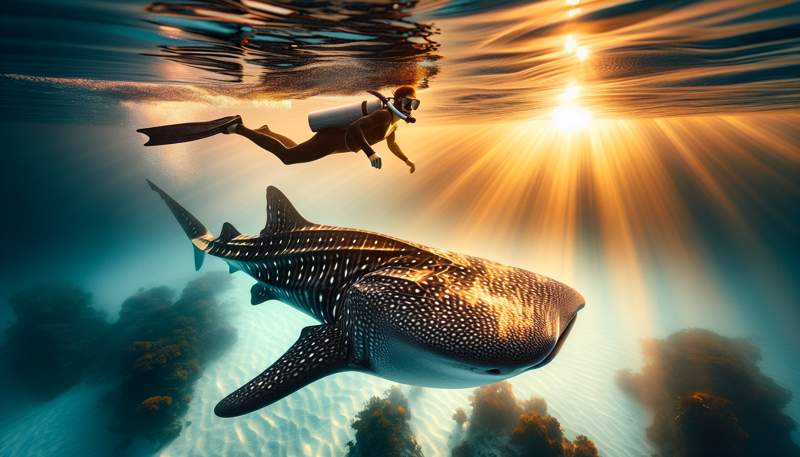
Where and when to swim with the world's largest fish. Ningaloo, Mexico, Philippines, Maldives, and Mozambique compared with booking links and tips.
Read guide →