Where to See
Best Places to See Manta Rays
Compare Coral Bay, Hanifaru Bay, Kona, and Revillagigedo for manta rays by snorkelling, diving, season, rules, skills, safety, and responsible conduct.
Read guide →Mobula alfredi and Mobula birostris
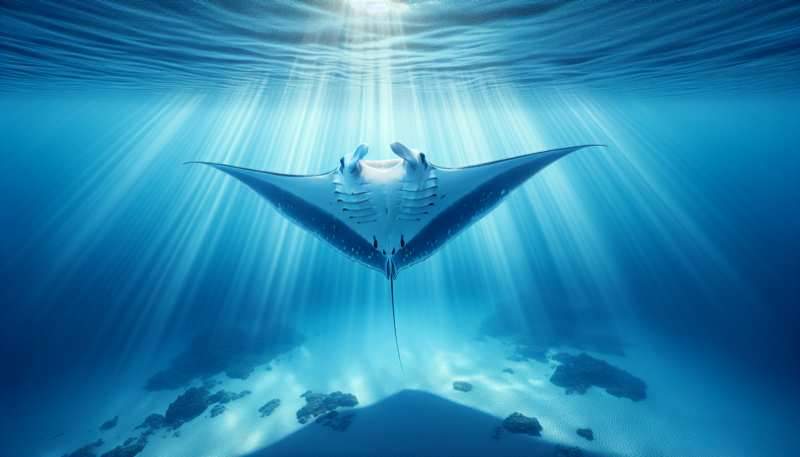
Manta rays are two filter-feeding ray species: the reef manta and the larger oceanic manta. They use productive tropical, subtropical, and some warm-temperate waters, gathering where plankton concentrates or small reef fish clean their bodies. Reef mantas are currently Vulnerable and oceanic mantas Endangered. A useful visitor guide must name the species, encounter type, water skill, and site rules rather than treating every tropical reef as an interchangeable manta destination.
Migration: Reef mantas can show strong site fidelity alongside seasonal movements; oceanic mantas range more widely. Neither species follows one worldwide visitor calendar.
Best time of day: Encounter format is site-specific: feeding can follow plankton and water movement, cleaning-station use varies, and Kona is a managed night-light experience. Use current local evidence rather than one universal hour.
Typical viewing distance: Use at least the research-backed three-metre baseline when approaching, with more space whenever local rules, the guide, crowding, cleaning behaviour, or the animal requires it.
Camera settings: Set a wide underwater field of view before entry, remain passive, and let the ray control proximity. Do not occupy a cleaning station, pursue a departing animal, use a selfie stick as an approach tool, or dive into its path.
Western Australia’s parks authority lists licensed snorkelling and diving tours from Coral Bay, including manta-ray swims in the reef lagoon. This is the clearest fit for travellers who want a guided daytime snorkel within a wider Ningaloo reef trip, but weather and wild-animal movement still control every entry.
Kona’s specialist night snorkel and dive route uses light to concentrate naturally occurring plankton at established reef-manta feeding sites. Hawaiʻi authorities have documented crowding and safety concerns, and a manta-specific rule package remains listed as draft. Compare vessel control, guide ratios, central viewing position, flotation, diver separation, and the operator’s current permits.
This protected seasonal reef-manta feeding aggregation is a snorkelling experience, not a scuba site. Official rules limit use, require managed access, and prohibit scuba diving and fishing in the bay. Use a currently certified guide and the live protected-area booking system; a valid booking does not guarantee an aggregation.
A remote liveaboard scuba route for oceanic mantas and other pelagic wildlife, not a beginner snorkel substitute. The park management programme requires certified experience, limits groups to eight divers per guide, prohibits night diving, and controls simultaneous use of dive sites. The long offshore journey, current, surge, depth, remoteness, and emergency plan are central booking questions.
Compare practical destination guides with seasonal timing, travel logistics, other wildlife, tours, and places to stay.

Komodo National Park encompasses several volcanic islands in eastern Indonesia and is the only place on Earth where Komodo dragons live in the wi...
Plan your visit →
The Ningaloo Coast World Heritage property combines a near-shore coral reef, open ocean, beaches, Cape Range, and an arid coastline in remote Wes...
Plan your visit →
The Great Barrier Reef is a vast, multi-region marine park and World Heritage Area along Queensland, not one interchangeable Cairns excursion. A ...
Plan your visit →Country guides connect the species with other wildlife, featured places, planning context, and responsible-viewing advice.
Species may rely on several ecosystems across their range. Explore how conditions and conservation pressures differ.
Compare activity formats, physical conditions, operator questions, animal-welfare risks, and relevant destinations before choosing a tour.
These third-party programmes offer relevant ways to adopt symbolically, foster, donate, or learn. We do not process contributions or receive commission.
A support route for a specialist organisation coordinating manta and devil ray research, education, collaboration, policy advice, and conservation projects with an international affiliate network.
Review programme →Due DiligenceUnderstand symbolic adoption, verify the organisation, and review current terms and use of funds.
Open the programme directory →Current Viator listings matched to this species. Confirm where the activity operates, its wildlife policy, recent reviews, availability, and cancellation terms before booking.


Only species-relevant partner routes are shown. Confirm the exact location, wildlife policy, availability, current price, and cancellation terms before booking.
These links open third-party searches. Verify the exact operator, route, guide team, wildlife policy, field time, and no-sighting terms.
Search stays only after the gateway and field route are confirmed.
Compare current routes, baggage rules, buffers, and total booking terms.
Check medical, cancellation, activity, altitude, equipment, and evacuation terms for the exact itinerary.
Match equipment to guide advice, distance, weather, baggage limits, and safe handling.
Safari.com itinerary examples that may include manta ray habitat. Request a current quote and confirm the operator, exact route, wildlife policy, recent reviews, and cancellation terms before booking.
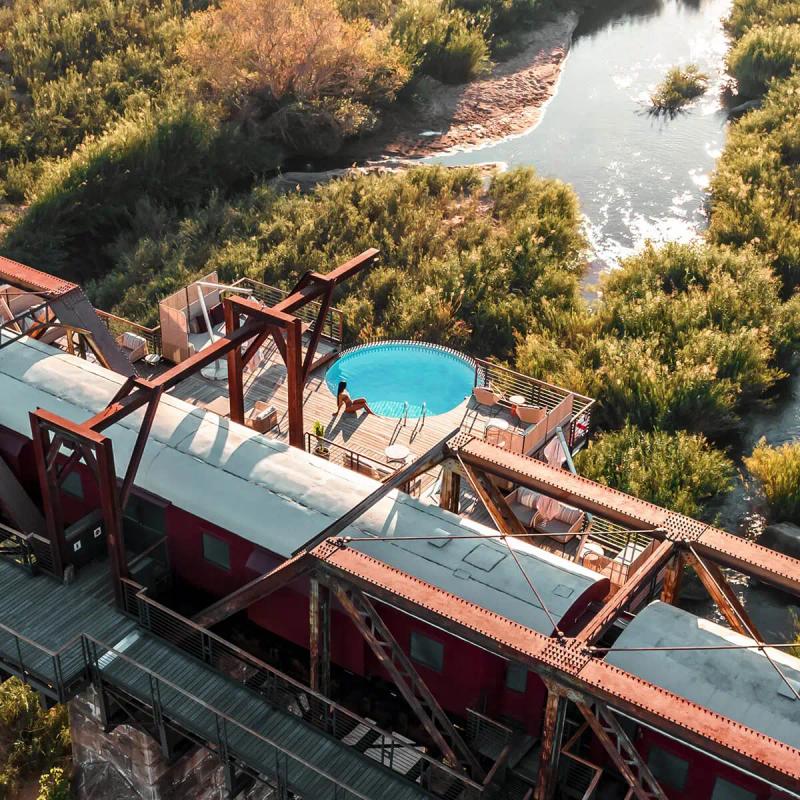
Experience the Kruger National Park, suspended over the Sabie River.
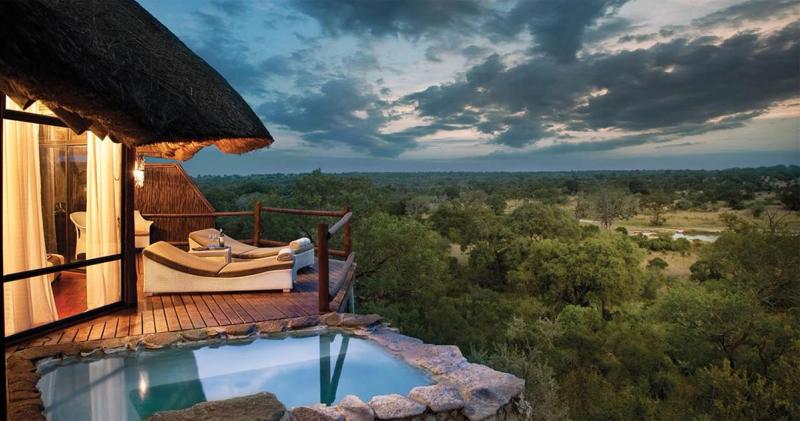
Travelling soon? Enjoy a 42% last-minute discounted price when booking this 5-day Premier Sabi Sands luxury safari package. You'll be in the...
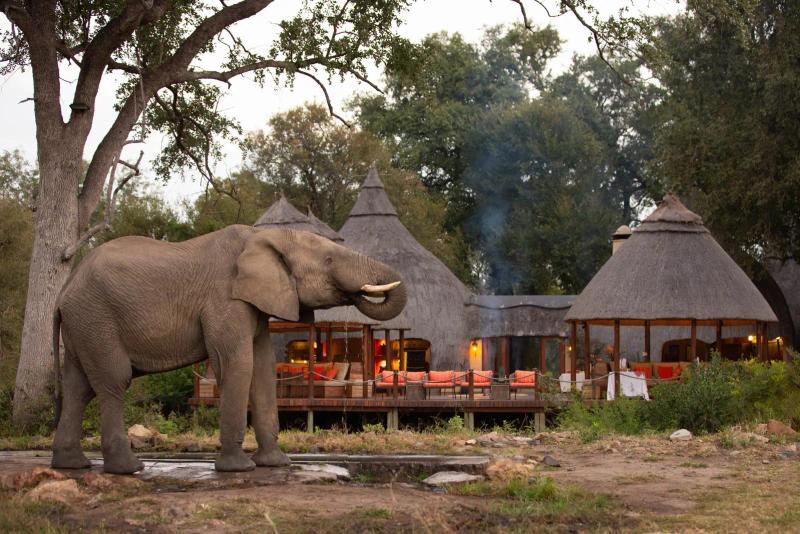
Enjoy an All-inclusive 4-day Kruger National Park safari! Round-trip flights from Johannesburg, airport transfers, luxury accommodation, mea...
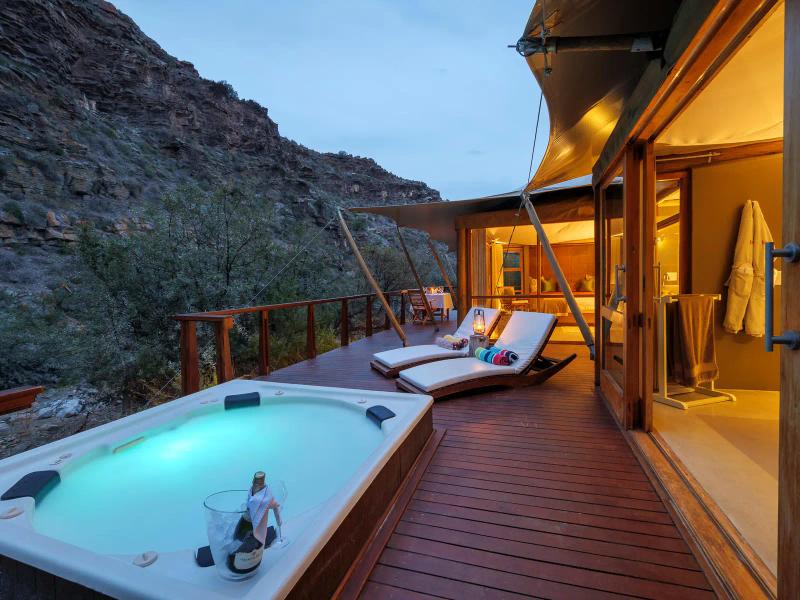
Experience three days at Sanbona Wildlife Reserve on a 5-star BIG 5 safari - offering an exclusive and unique malaria-free safari, with the ...
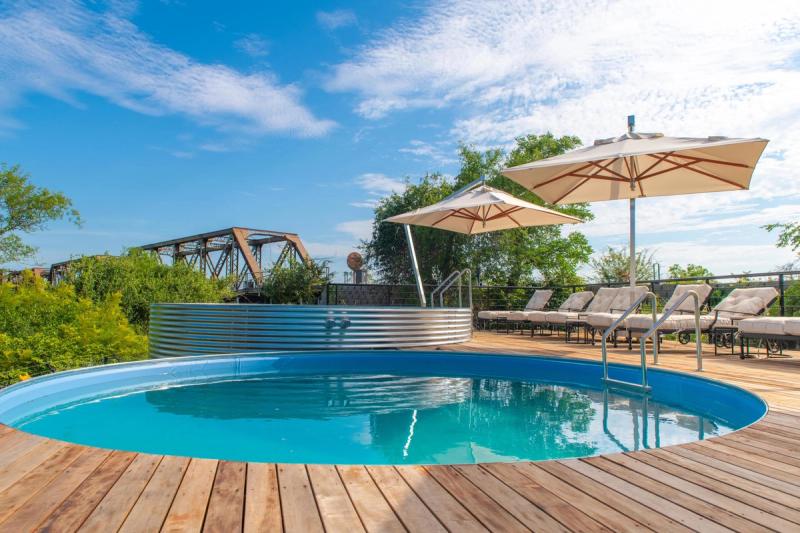
Experience the ultimate safari adventure with a 7-day journey through Kruger National Park and Victoria Falls.
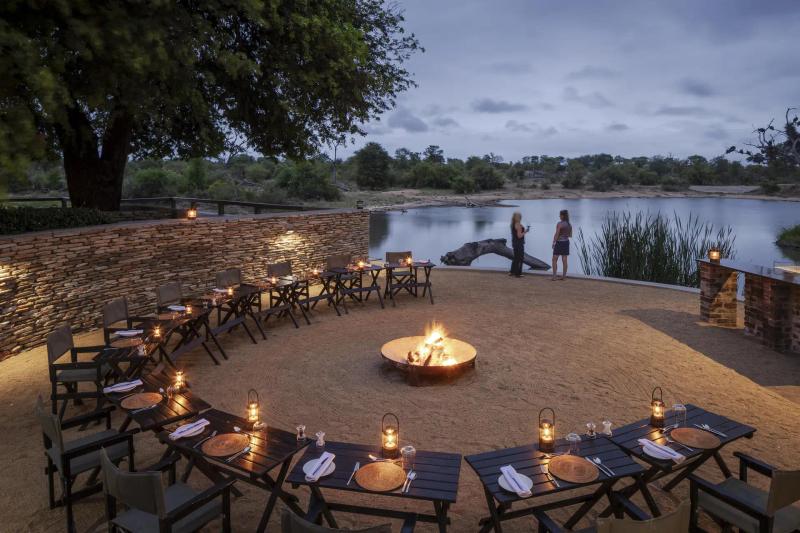
Embark on a luxury safari from the stunning Cape Town Waterfront Village to the deep wilderness of Simbavati Waterside Klaserie Nature Reser...
Remain passive, approach only from the side when permitted, and keep at least the research-backed three-metre baseline unless the local rule or guide requires more. Stay off cleaning stations, never chase or block a ray, and do not dive directly in front of it for a photograph.
Mantas do not have a stinging barb, but an encounter can involve boats, propellers, darkness, current, swell, open-water swimming, and scuba risk. Match the activity to your real swimming or diving ability, use required flotation, and follow the guide. Never touch, chase, ride, feed, surround, block, or entice a manta; leave cleaning stations unobstructed and end the interaction when the animal changes behaviour.
Use these in-depth guides to compare destinations, timing, costs, photography, and responsible wildlife-viewing choices.
Compare Coral Bay, Hanifaru Bay, Kona, and Revillagigedo for manta rays by snorkelling, diving, season, rules, skills, safety, and responsible conduct.
Read guide →This guide currently identifies Coral Bay, Ningaloo Marine Park (Australia), Kona Coast, Hawaiʻi (United States), Hanifaru Bay, Baa Atoll (Maldives). A species range is not automatically a visitor area, so confirm public access, closures, permits, and wildlife rules with the relevant authority before travelling. No wild sighting is guaranteed.
Our species-level planning note is: Site-specific — compare the local plankton cycle, monsoon or current, sea state, protected-area access, and encounter format. The listed location windows are Coral Bay, Ningaloo Marine Park: Tours may operate across the year; verify current operator licensing, conditions, interaction rules, and no-sighting terms; Kona Coast, Hawaiʻi: A night encounter rather than a fixed biological season; confirm sea conditions, live regulations, minimum skills, and cancellation terms; Hanifaru Bay, Baa Atoll: Western-monsoon feeding period; use the official portal’s current visitor window and ranger advice rather than a copied month guarantee. Treat these as starting points and verify current weather, access, and local wildlife guidance for the exact destination.
Build a current total from transport, permits or entry fees, guiding or hides, accommodation, insurance, equipment, and enough field sessions for an uncertain sighting. Prices and currencies vary too much by region and date for one daily figure to be reliable; use official booking pages and written operator terms.
Mantas do not have a stinging barb, but an encounter can involve boats, propellers, darkness, current, swell, open-water swimming, and scuba risk. Match the activity to your real swimming or diving ability, use required flotation, and follow the guide. Never touch, chase, ride, feed, surround, block, or entice a manta; leave cleaning stations unobstructed and end the interaction when the animal changes behaviour. Local rules and ranger instructions take priority over general advice, and a guide should never manufacture proximity by feeding, calling, chasing, or blocking an animal.
Remain passive, approach only from the side when permitted, and keep at least the research-backed three-metre baseline unless the local rule or guide requires more. Stay off cleaning stations, never chase or block a ray, and do not dive directly in front of it for a photograph. The image is secondary to legal access, safe distance, natural behaviour, and the privacy of sensitive locations.