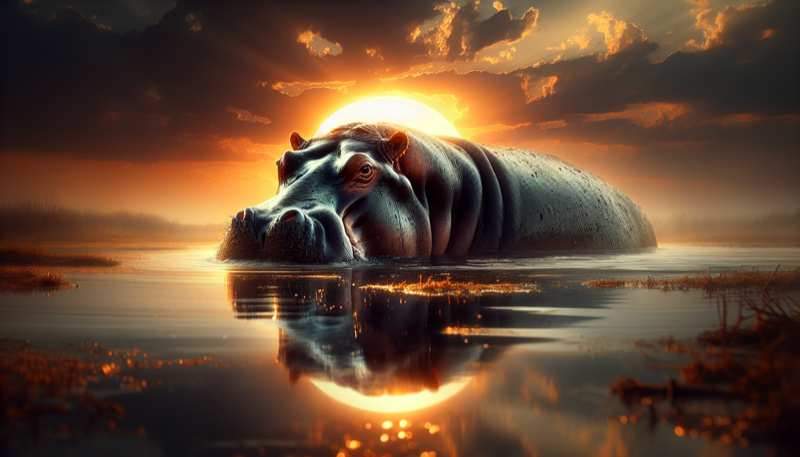
Hippopotamus
Hippopotamus amphibius
About the Hippopotamus
Despite their docile appearance, hippos are considered Africa's most dangerous large animal, responsible for more human deaths than any other large mammal. These semi-aquatic giants spend up to 16 hours a day submerged in water to keep cool, emerging at night to graze on grass.
Biology & Stats
Migration: Non-migratory. Nightly movements to grazing grounds.
Best time of day: Throughout the day in rivers. Best early morning when returning to water.
Typical viewing distance: 30-100 metres. NEVER approach on foot.
Camera settings: 1/500s for yawning, f/5.6-f/8, ISO 200-800, 200-400mm from riverbanks
Fun Facts
- Hippos secrete a natural red-tinted sunscreen nicknamed "blood sweat".
- They can hold their breath for up to 5 minutes underwater.
- A hippo can open its mouth to nearly 180 degrees.
Where to See Hippopotamus in the Wild
Okavango Delta
BotswanaLarge hippo pools accessible by mokoro (dugout canoe).
South Luangwa
ZambiaThe Luangwa River hosts massive hippo concentrations.
Serengeti National Park
TanzaniaHippo pools along the Grumeti River.
Featured Destinations to See Hippopotamus
Compare practical destination guides with seasonal timing, travel logistics, other wildlife, tours, and places to stay.
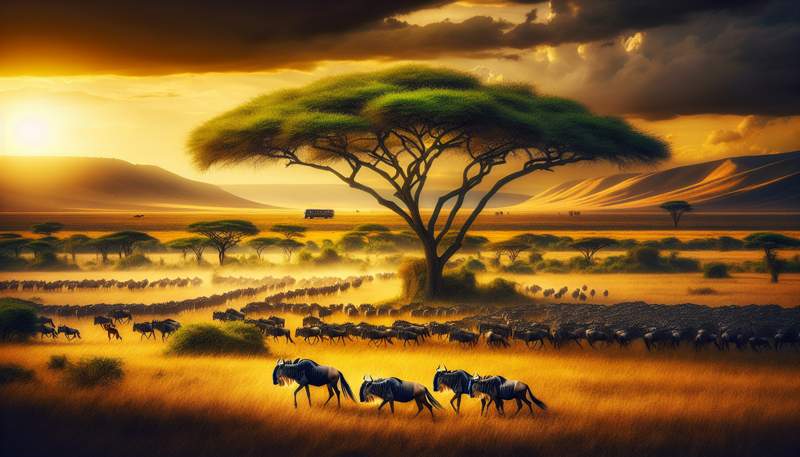
Serengeti National Park
The Serengeti is synonymous with African safari. Spanning 14,750 km2 of savanna, it hosts the Great Migration — the largest overland animal movem...
Plan your visit →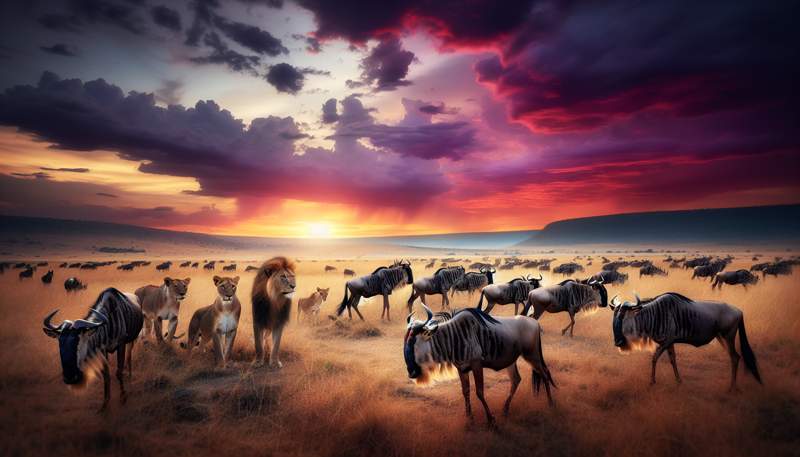
Masai Mara National Reserve
The Masai Mara is Kenya's most celebrated wildlife reserve, forming the northern extension of the Serengeti ecosystem. It offers some of the most...
Plan your visit →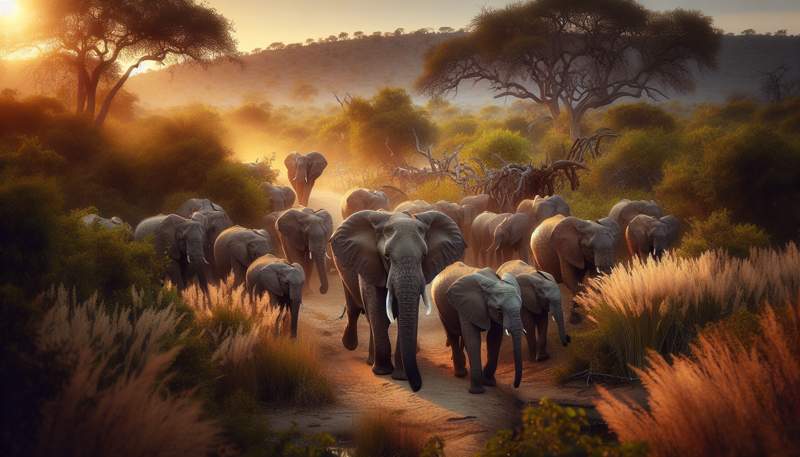
Kruger National Park
Kruger is one of the largest game reserves in Africa, covering nearly 20,000 km2. It offers an accessible, affordable safari experience with exce...
Plan your visit →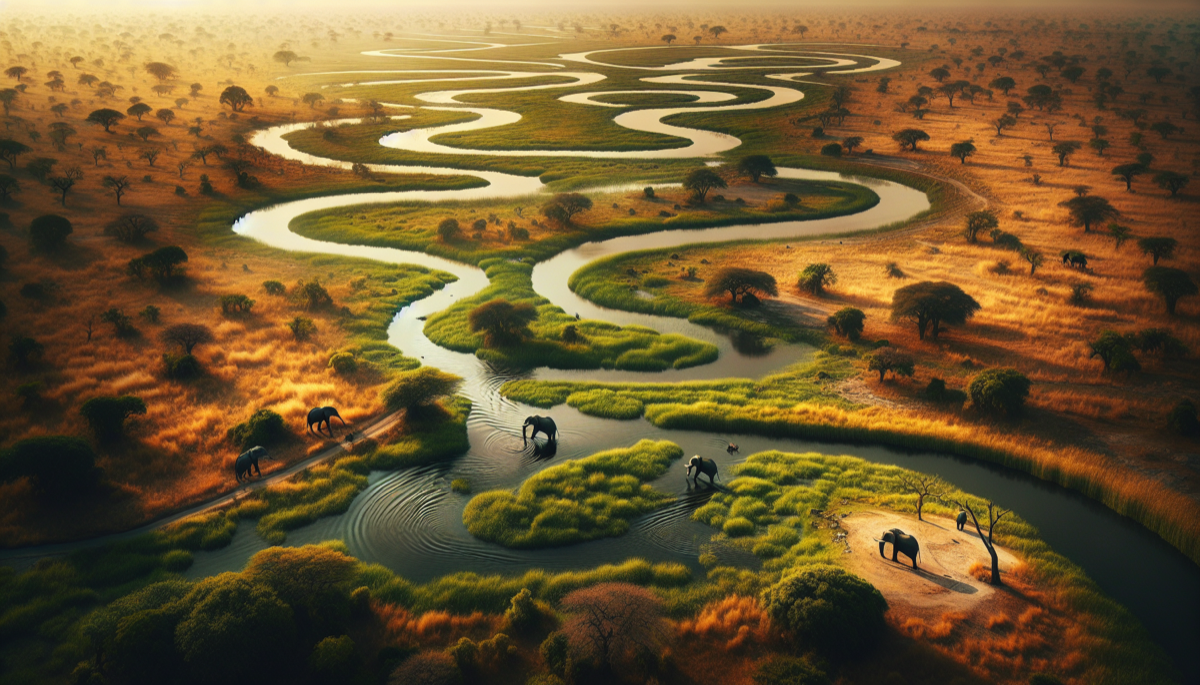
Okavango Delta
The Okavango Delta is one of the world's largest inland deltas and a UNESCO World Heritage Site, where the Okavango River fans out across the Kal...
Plan your visit →
Ngorongoro Crater
The Ngorongoro Crater is the world's largest unbroken volcanic caldera and one of Africa's most spectacular wildlife destinations. This natural a...
Plan your visit →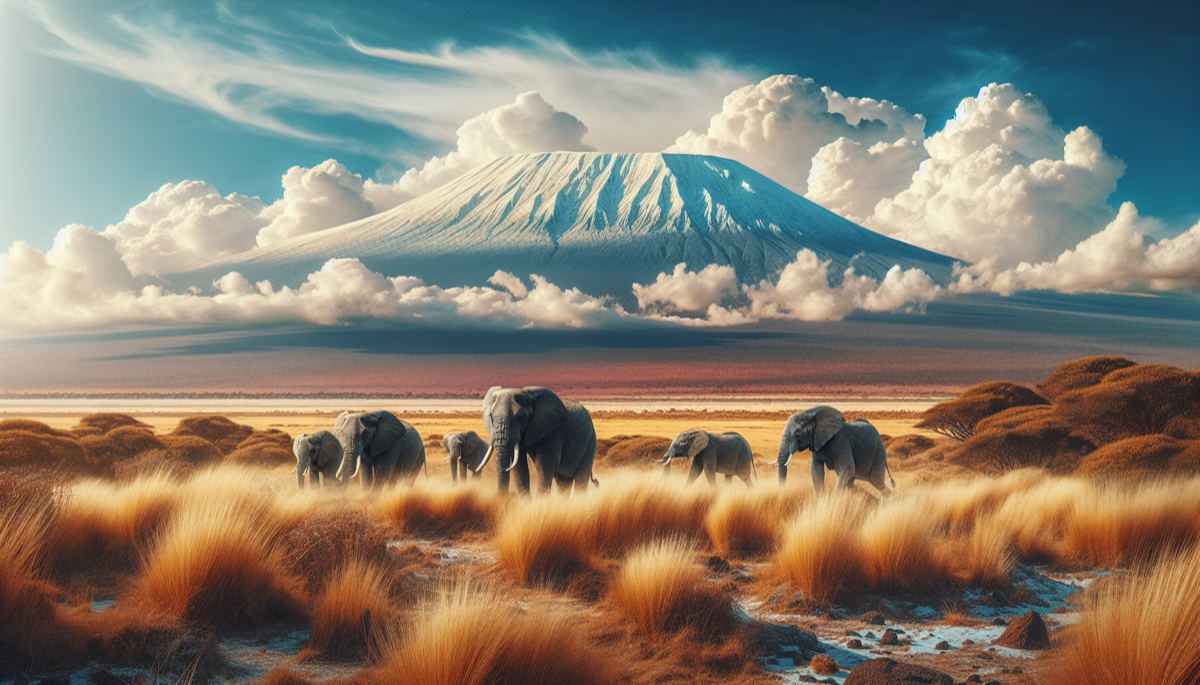
Amboseli National Park
Amboseli National Park is one of Kenya's most iconic wildlife destinations, famous for its large elephant herds set against the dramatic backdrop...
Plan your visit →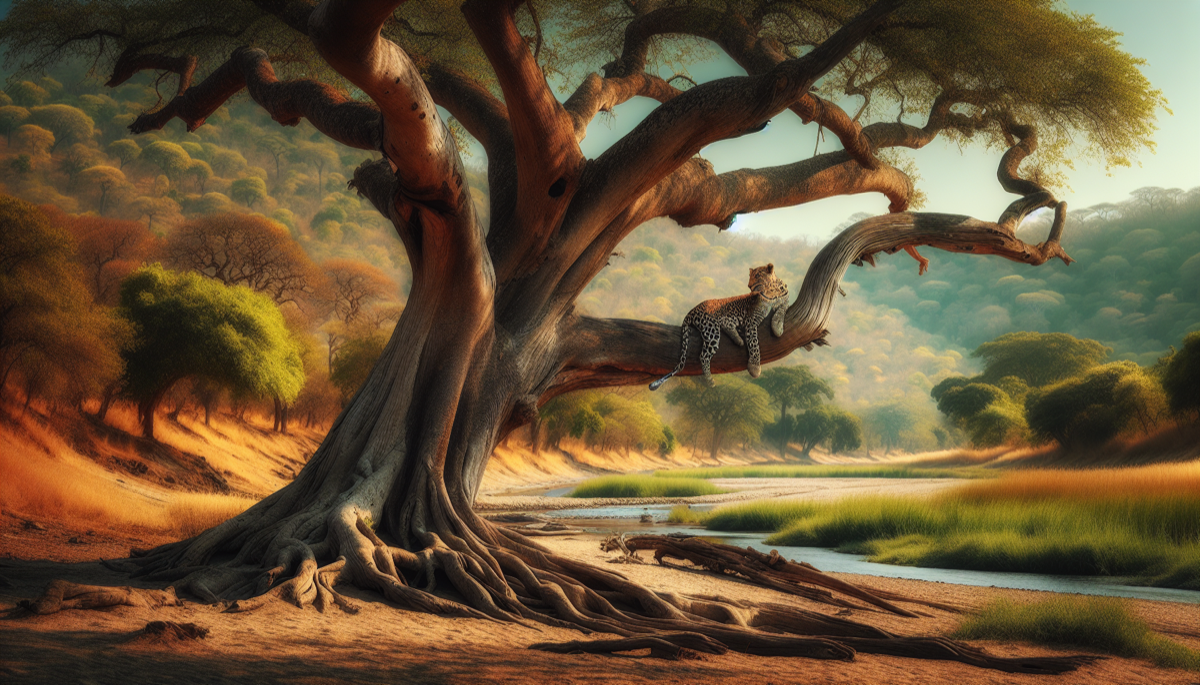
South Luangwa National Park
South Luangwa National Park is one of Africa's finest wildlife sanctuaries, located in eastern Zambia along the winding Luangwa River. Often call...
Plan your visit →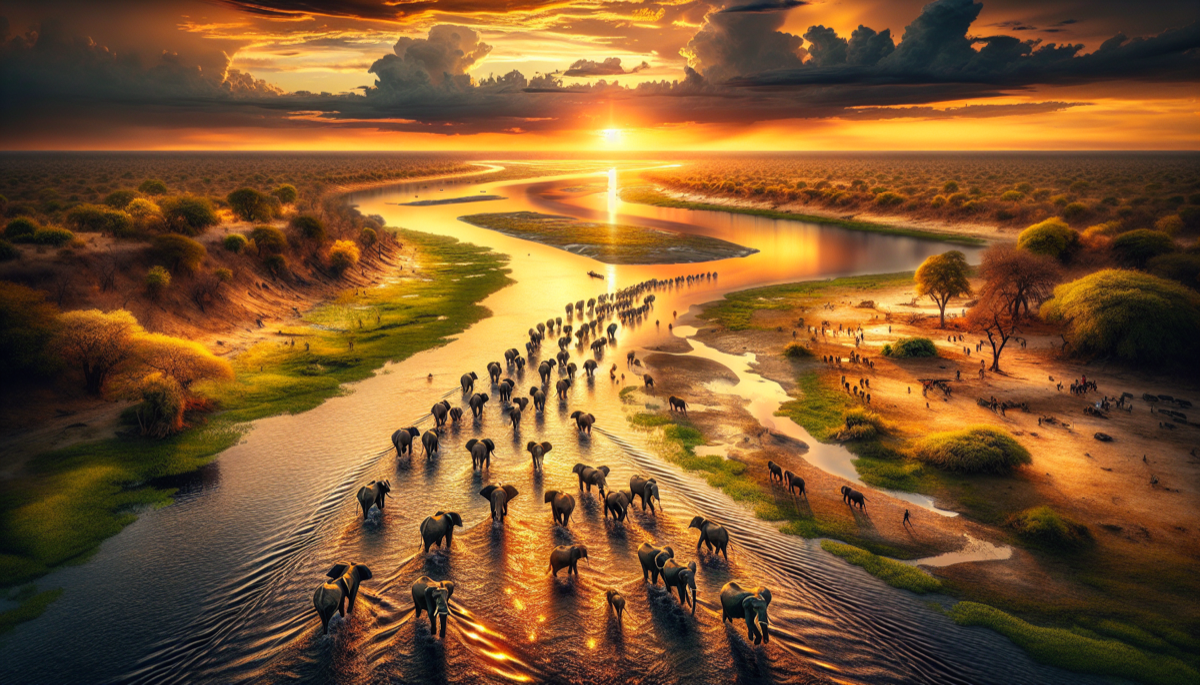
Chobe National Park
Chobe National Park in northern Botswana is home to the largest elephant population in Africa, with an estimated 120,000 elephants moving through...
Plan your visit →Explore Hippopotamus by Country
Country guides connect the species with other wildlife, featured places, planning context, and responsible-viewing advice.
Habitats Used by Hippopotamus
Species may rely on several ecosystems across their range. Explore how conditions and conservation pressures differ.
Responsible Hippopotamus Experiences
Compare activity formats, physical conditions, operator questions, animal-welfare risks, and relevant destinations before choosing a tour.
Where to See Hippopotamus at Zoos
Cincinnati Zoo
Cincinnati, USA
Berlin Zoo
Berlin, Germany
Support Independent Conservation Work
These third-party programmes offer relevant ways to adopt symbolically, foster, donate, or learn. We do not process contributions or receive commission.
Sheldrick Wildlife Trust Orphan Adoption
An adoption programme featuring rescued elephants and other orphans in the Trust's care, within a wider programme of veterinary response, rehabilitation, protected-area work, and eventual return to the wild where possible.
Review programme →Due DiligenceCheck Before You Contribute
Understand symbolic adoption, verify the organisation, and review current terms and use of funds.
Open the programme directory →Browse Hippopotamus Tours & Experiences
Current Viator listings matched to this species. Confirm where the activity operates, its wildlife policy, recent reviews, availability, and cancellation terms before booking.

Hippo and Croc Boat Cruise in Saint Lucia with collection
2 hours
Hippo and Croc Boat Cruise in St Lucia Estuary Kwazulu Natal
2 hours
Morning 3-Hour Adventure With Hippo Submarine
3 hours
Shoreline Hippo and Crocodile Boat Cruises, iSimangaliso Wetland Park
2 hours
Crescent Island Walking Safari & Lake Naivasha Hippo Boat Cruise
7 hours
Full Day Isimangaliso Wetlands Park -Croc & Hippo &Game Fr Durban
10 hoursSafari Packages to See Hippopotamus
Safari.com itinerary examples that may include hippopotamus habitat. Request a current quote and confirm the operator, exact route, wildlife policy, recent reviews, and cancellation terms before booking.
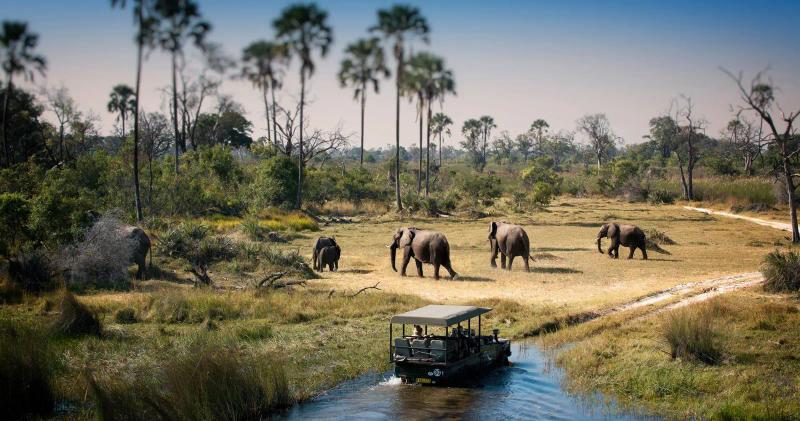
11 Day Botswana Luxury Safari
This incredible fly-in safari includes all the regions that Botswana is famous for, starting with elephants at the Chobe River, then moving ...
- 2 nights each at Chobe Game Lodge, Savute Safari Lodge, Camp Moremi, Camp Okavango and Leroo La Tau
- Sundowner cruise on the Chobe River amongst its famous elephant herds
- Game drives in Savute's predator territory and across Moremi Game Reserve
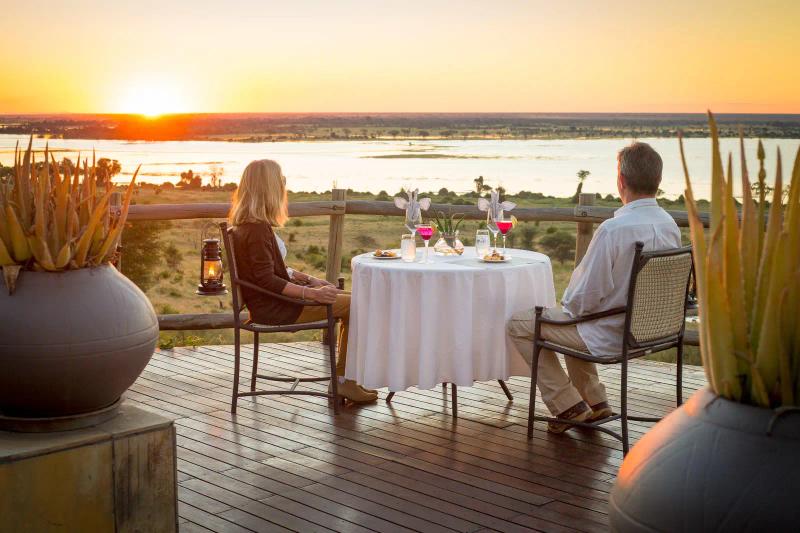
6 Day Romantic Chobe & Okavango Safari
The private Ngoma Safari Lodge, is located on the edge of a plateau, offering endless views over the seasonal Chobe flood plain. Thereafter ...
- 2 nights at Ngoma Safari Lodge overlooking the Chobe floodplains
- Full-day Chobe safari with river cruise and picnic lunch
- Night drives and walking safaris in the Chobe Forest Reserve
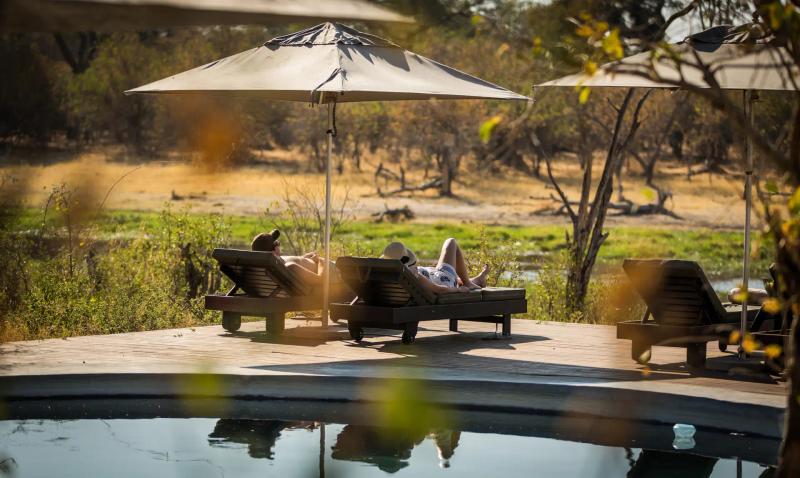
9-Day Classic Botswana Safari
A 9-day journey through Botswana’s most iconic wilderness regions, from the elephant-rich Chobe River to the untamed beauty of the Okavango ...
- 2 nights at Ngoma Safari Lodge overlooking the Chobe River
- Game drives in Chobe National Park among vast elephant herds
- 2 nights at Machaba Camp on the Khwai River with mokoro excursions
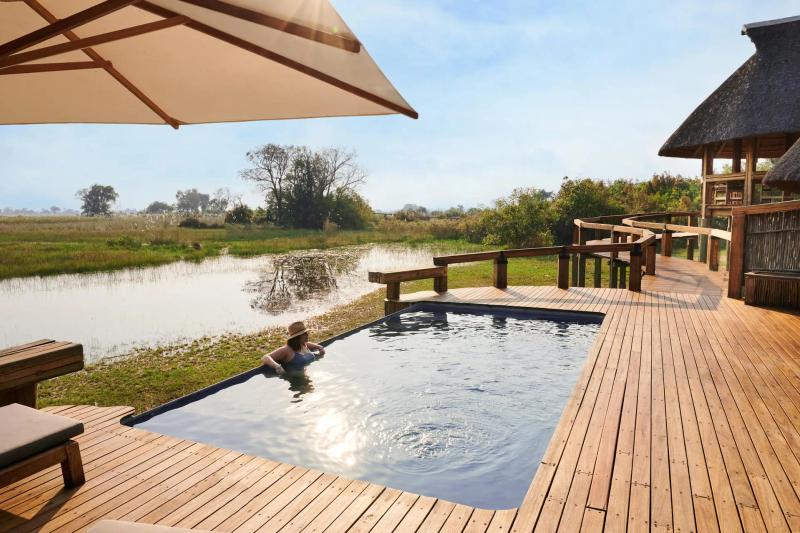
9-Day Desert and Delta Ultra-Lux Safari
- 2 nights each at Camp Xakanaxa, Camp Okavango, Leroo La Tau and Chobe Game Lodge
- Game drives and boat cruise in Moremi Game Reserve
- Mokoro and motorboat safaris through the Okavango Delta
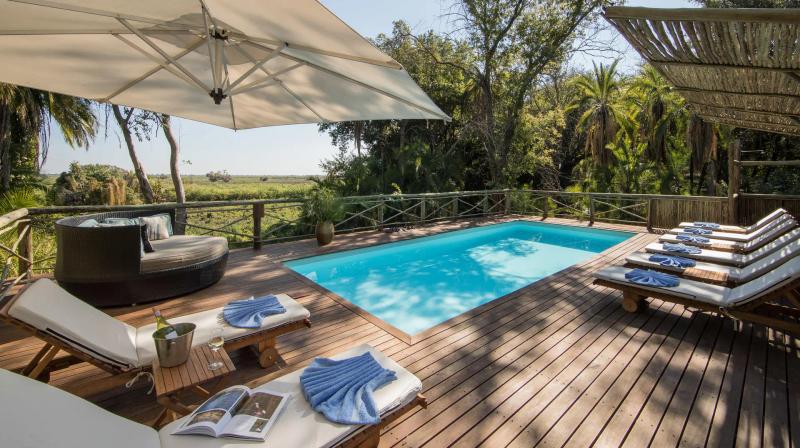
7-Day Fly-In Chobe and Okavango Delta Luxury Safari
This 7-day fly-in safari offers an extraordinary adventure, whisking guests away to the stunning Chobe waterfront and the enchanting waterwa...
- 3 nights at Muchenje Safari Lodge on the Chobe waterfront
- Full-day Chobe River boat cruise, night drives and seasonal walking safaris
- Light-aircraft flight from Kasane to Jedibe Airstrip in the Okavango Delta
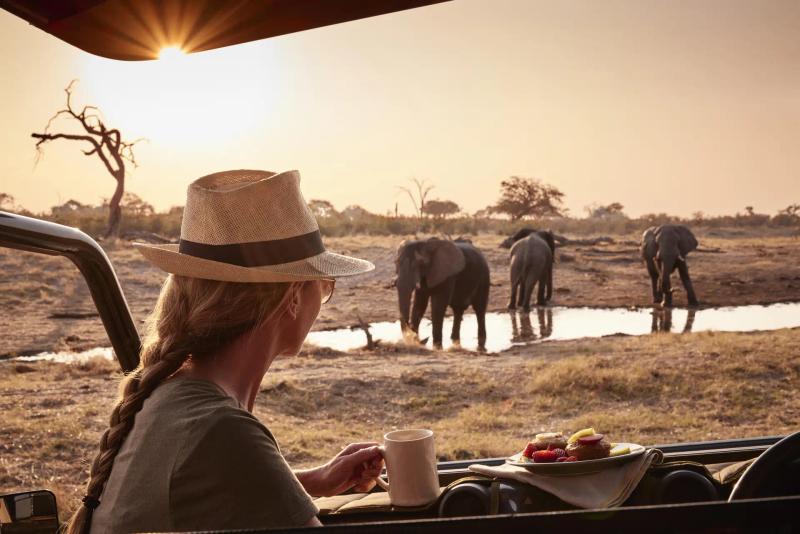
15-Day Safari Adventure: Botswana, Victoria Falls & Zanzibar
- 4 nights at Belmond Mount Nelson with Table Mountain and Cape Peninsula sightseeing
- 2 nights at Belmond Savute Elephant Lodge tracking large elephant herds and predators
- 2 nights at Belmond Eagle Island Lodge with mokoro and boat safaris in the Okavango
Photography Tips for Hippopotamus
Boat safaris provide the best hippo photography. Watch for yawning displays — they're actually threat signals. Shoot fast to capture action.
Safety Guide
Never get between a hippo and water. They are extremely territorial and aggressive, especially mothers with calves. On boat trips, maintain significant distance from hippo pods.
You Might Also Like
See how Hippopotamus compares to other animals
You Might Also Like
Watch in the Wild
Hippos: Africa's Most Dangerous Animal
