
Where to See
Best Wildlife Destinations in Australia
Compare Kangaroo Island, Ningaloo, the Great Barrier Reef, Daintree, Kakadu, and Maria Island by wildlife, access, season, safety, and trip fit.
Read guide →
Best time: Activity-specific: compare manta, whale-shark, humpback, shore-snorkelling, weather, marine-stinger, and cyclone considerations for the exact base and dates
The Ningaloo Coast World Heritage property combines a near-shore coral reef, open ocean, beaches, Cape Range, and an arid coastline in remote Western Australia. Coral Bay and Exmouth are different trip bases: Coral Bay supports shore snorkelling in designated areas and licensed manta-ray excursions, while Exmouth is a gateway to Cape Range, reef access, and licensed seasonal marine-wildlife trips. A manta, whale shark, or humpback encounter is never guaranteed, and not every reef site is safely or legally accessible from shore. Choose the base and operator for the exact activity, then recheck marine-park zoning, weather, warnings, closures, and swimming conditions.
Learmonth Airport serves both Exmouth and Coral Bay, but they require different onward transfers. The Shire of Exmouth places the airport about 36 km south of Exmouth and 120 km north of Coral Bay. Pre-book a transfer or suitable rental vehicle, confirm after-hours arrangements, and check road, fuel, and weather conditions before a remote self-drive.
Nearest airport: Learmonth Airport (LEA), approximately 36 km south of Exmouth and 120 km north of Coral Bay; confirm the current flight and transfer plan
Dry season: Conditions commonly associated with drier months do not make every day, road, reef entry, or boat trip suitable. Match the month to the exact activity, base, operator season, swimming ability, and current Bureau of Meteorology and DBCA information.
Wet season: Hotter periods can bring extreme heat, marine-stinger considerations, storms, and tropical-cyclone risk. Cyclone season is a planning risk rather than an automatic closure; use current warnings, park alerts, and operator terms.
Temperature: Expect strong sun, heat, wind, changing sea state, and cooler conditions at some times. Use current land and marine forecasts plus operator equipment advice instead of a single annual air or water range.
Use current beach, marine-park, weather, cyclone, fire, road, and operator advice. Assess swimming ability, open-water confidence, current, swell, sun, heat, dehydration, marine stingers, boat entry, diving fitness, and remoteness. Use licensed operators for commercial wildlife trips, follow zoning and crew instructions, never touch or pursue wildlife, and confirm medical and evacuation cover.
Tipping: Tipping is discretionary rather than a wildlife-access fee. Ask whether service is included and never tip a guide for touching, feeding, chasing, crowding, or breaking marine-park rules.
Local transport: Choose Coral Bay or Exmouth before arranging transport. Learmonth Airport is roughly 36 km south of Exmouth and 120 km north of Coral Bay; pre-book transfers or an appropriate rental and confirm collection hours. A remote self-drive needs current road, fuel, tyre, water, communications, park-access, and rental-condition checks. Do not assume every Cape Range road suits every vehicle.
Country guides connect this destination with other habitats, species, planning considerations, and responsible-viewing advice.
Habitat guides explain the viewing conditions and conservation pressures shared with similar ecosystems elsewhere.
These editorial guides explain the activity format, physical conditions, animal-welfare questions, and operator checks to make before booking.

Whale watching can mean a short coastal boat trip, a shore-based migration watch, or several days at sea in a remote region. Success depends on…
Read the responsible guide →A whale shark swim is usually a boat-based snorkelling encounter in a place where seasonal feeding or movement makes sightings possible. The animal…
Read the responsible guide →
Manta encounters take several distinct forms: snorkelling beside a natural feeding aggregation, observing a cleaning station while scuba diving,…
Read the responsible guide →Go deeper on itineraries, seasonal decisions, trip costs, photography, and responsible ways to experience wildlife in this region.
Compare Kangaroo Island, Ningaloo, the Great Barrier Reef, Daintree, Kakadu, and Maria Island by wildlife, access, season, safety, and trip fit.
Read guide →Current Viator listings matched to this destination. Confirm the itinerary, operator, recent reviews, availability, and cancellation terms before booking.


Build your complete trip with our free trip builder. We'll help you find flights, hotels, and tours.
Build Your Trip →
The planning window currently listed for Ningaloo Reef is Activity-specific: compare manta, whale-shark, humpback, shore-snorkelling, weather, marine-stinger, and cyclone considerations for the exact base and dates. Use it as a starting point, not a sighting promise: weather, animal movement, access, and local rules can change. Check current conditions with the relevant park or protected-area authority before booking.
Build a current total for transport, entry fees or permits, guiding, accommodation, meals, insurance, equipment, and taxes. Prices and currencies change too often for a generic daily figure to be dependable. Compare dated quotes with the same inclusions and confirm official fees and cancellation terms before paying.
Our current route note is: Learmonth Airport serves both Exmouth and Coral Bay, but they require different onward transfers. The Shire of Exmouth places the airport about 36 km south of Exmouth and 120 km north of Coral Bay. Pre-book a transfer or suitable rental vehicle, confirm after-hours arrangements, and check road, fuel, and weather conditions before a remote self-drive. Verify operating schedules, border or entry requirements, road and seasonal access, baggage limits, and transfers with the relevant authorities and providers for your travel dates.
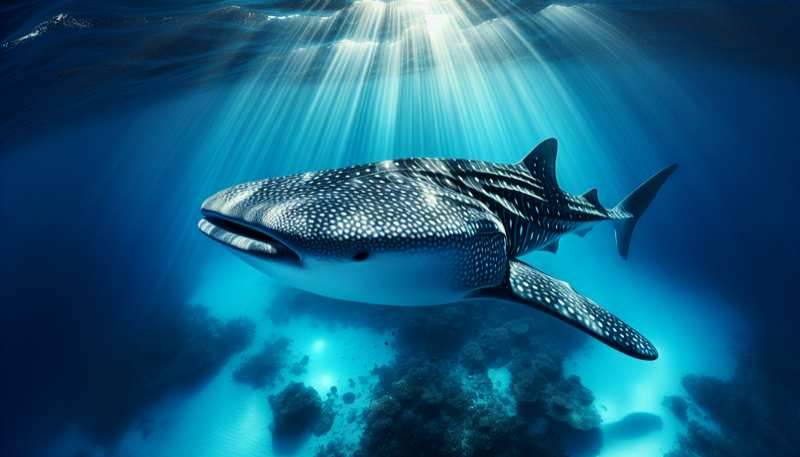
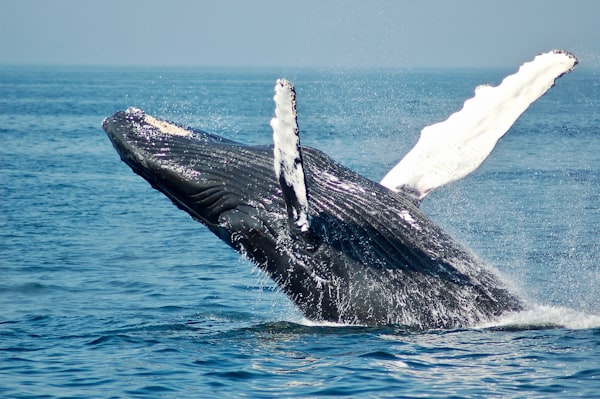
This guide connects Ningaloo Reef, Australia, with Whale Shark, Manta Ray, Humpback Whale. The list is a planning aid rather than a complete inventory or guarantee. Ask a current local authority or responsible operator which species and public areas are realistic for your dates.
Use legal public access and follow the current instructions of park staff, guides, and local communities. Keep a safe distance, never feed, call, chase, or block wildlife, and do not ask for sensitive nesting, den, or release locations. Choose operators that explain group size, viewing rules, community benefit, and what happens when animals move away.