Capturing the magic of Africa's nocturnal wildlife requires more than just pointing a camera into the darkness. Night safari photography combines technical expertise with patience, timing, and a deep understanding of animal behavior after sunset. As March 2026 brings perfect weather conditions to many African destinations, now is an ideal time to plan that dream night safari adventure. Whether you're hoping to photograph the piercing gaze of a leopard or capture lions on the hunt, mastering these night photography techniques will transform your wildlife images from blurry disappointments into stunning portfolio pieces.
Essential Camera Equipment for Night Safari Photography
Success in night safari photography starts with the right gear. Your camera body should excel in low-light conditions, with excellent high-ISO performance. Full-frame sensors typically perform better than crop sensors in challenging lighting, but modern mirrorless cameras like the latest Sony A7R V or Canon EOS R6 Mark II deliver exceptional results even at ISO 6400 and beyond.
A fast telephoto lens is crucial for maintaining safe distances from wildlife while gathering enough light. Look for lenses with apertures of f/2.8 or wider – the Canon 70-200mm f/2.8L or Nikon 200-500mm f/5.6 are popular choices among safari photographers. Don't forget a sturdy tripod with a gimbal head for smooth tracking shots, and pack extra high-capacity batteries since cold nights drain power quickly.
Consider investing in a spotlight or infrared illuminator for fill lighting, though always check with your guide about local regulations. Many parks restrict artificial lighting to protect animal behavior. A remote shutter release or intervalometer can eliminate camera shake during long exposures, while lens cloths and rain covers protect your gear from dust and unexpected weather.
Camera Settings and Technical Fundamentals
Mastering manual mode is essential for night safari photography, as automatic settings rarely handle mixed lighting conditions effectively. Start with these baseline settings and adjust based on available light: ISO 1600-6400, aperture f/2.8-f/4, and shutter speeds of 1/125s or faster to freeze animal movement.
The exposure triangle becomes critical in low light. Higher ISO values introduce noise but allow faster shutter speeds to capture sharp images of moving animals. Modern cameras handle ISO 3200-6400 remarkably well, so don't hesitate to push these limits. Use your camera's noise reduction features, but remember that some grain can add character to night shots.
Focus can be challenging in darkness. Switch to single-point autofocus and use your camera's low-light focusing assistance features. Many newer cameras offer dedicated night modes or enhanced autofocus sensitivity. When autofocus struggles, manually focus on a distant object using live view magnification, then switch back to autofocus for fine adjustments.
Shoot in RAW format exclusively for night photography. The additional data captured allows significant adjustments to exposure, highlights, and shadows during post-processing. Enable your camera's histogram and highlight warnings to avoid overexposing vehicle headlights or spotlight-illuminated subjects.
Ready to put these techniques into practice? Browse safari packages on BookAllSafaris or check Sabi Sands on Safari.com to find night drive experiences in South Africa and Kenya where you can safely photograph nocturnal wildlife.
Understanding Nocturnal Wildlife Behavior
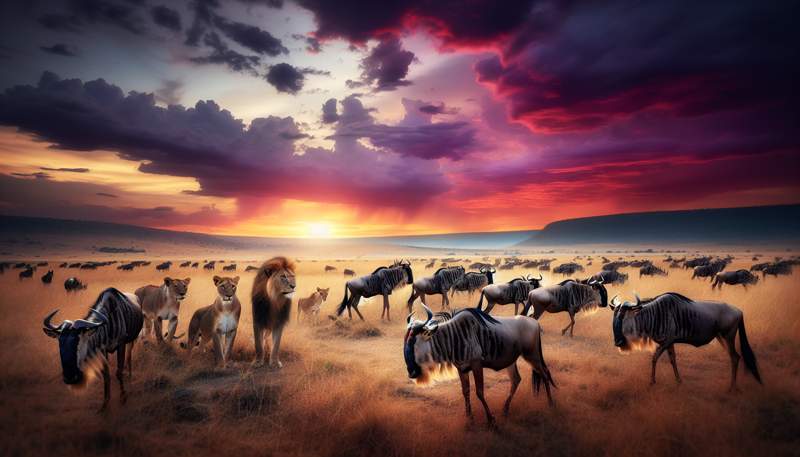
Successful night safari photography depends on understanding when and where animals are most active after dark. Lions become significantly more active during cooler nighttime hours, often beginning their hunts around sunset and continuing through early morning. Position yourself near water sources or game trails during these peak activity periods.
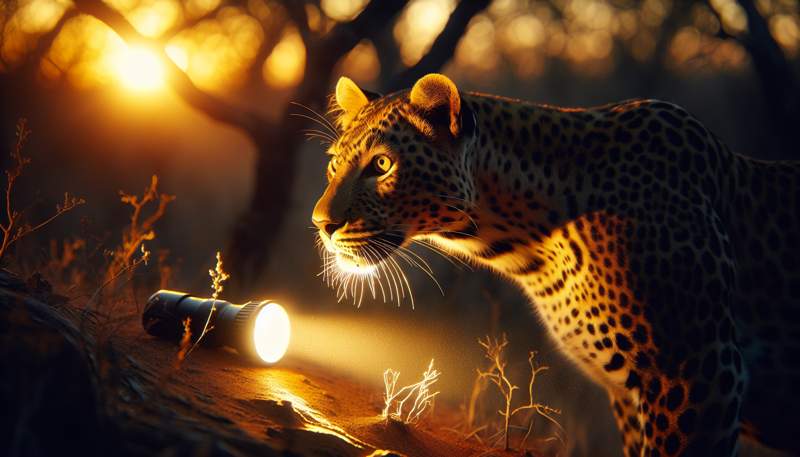
Leopards are perhaps the most sought-after night photography subjects, but also the most elusive. These solitary cats prefer dense vegetation and rocky outcrops, emerging to hunt during the first few hours after sunset. Their spotted coats can be challenging to photograph in dappled moonlight, requiring patience and excellent timing.
Many prey species like impalas, zebras, and African elephants remain active at night but become hypervigilant. Their heightened alertness creates opportunities for dramatic portraits showcasing intensity and awareness. Hyenas, often overlooked by daytime safari-goers, provide excellent photographic opportunities as they become bold and social after dark.
Nocturnal birds like eagle owls and nightjars offer unique subjects for patient photographers. These species require different techniques, often involving longer telephoto lenses and even higher ISO settings due to their smaller size and quick movements.
Composition and Lighting Techniques
Night safari photography presents unique compositional challenges and opportunities. Available light sources become compositional elements themselves – vehicle headlights, moonlight, and distant camp fires can create dramatic backlighting or rim lighting effects. Use these natural light sources to separate your subjects from dark backgrounds.
Silhouettes work exceptionally well in night photography. Position animals between your camera and any available light source – even starlight can create compelling silhouettes against the horizon. This technique works particularly well for large subjects like elephants or giraffes with distinctive shapes.
When animals are illuminated by vehicle spotlights, be mindful of harsh shadows and overexposure. Use exposure compensation to slightly underexpose the image, preserving detail in highlighted areas while maintaining the dramatic mood of night photography. The golden rule of wildlife photography – focus on the eyes – becomes even more critical at night when eyes often catch and reflect available light.
Consider the rule of thirds when composing night shots, but don't be afraid to break it for dramatic effect. Centering a subject illuminated by a single light source can create powerful, minimalist compositions that emphasize the isolation and mystery of nighttime wilderness.
Working with Vehicle-Based Lighting
Most night safari photography occurs from vehicles equipped with powerful spotlights. Learn to work with your guide to position lighting effectively – side lighting often produces more appealing results than direct frontal illumination. Request that lights be dimmed or angled to avoid overwhelming subjects and creating harsh shadows.
Ask guides to illuminate subjects gradually, allowing animals time to adjust and your camera time to focus. Sudden bright lights can startle wildlife and destroy the natural atmosphere you're trying to capture. Many experienced safari guides understand photography needs and will work with you to create optimal lighting conditions.
Best Destinations and Timing for Night Photography
Not all safari destinations offer night drives, so research is crucial when planning photography-focused trips. South Africa's private game reserves like Sabi Sands, Timbavati, and Madikwe offer excellent night drive opportunities with experienced guides who understand photography requirements. These areas have high predator densities and fewer restrictions than national parks.
Tanzania's northern circuit reserves, while famous for daytime game viewing, have limited night drive opportunities due to park regulations. However, conservancies adjacent to the Serengeti offer night drives with excellent big cat sightings. Kenya's Masai Mara conservancies provide similar opportunities, particularly during the March-May period when predator activity increases.
March 2026 offers ideal conditions for night photography safaris. Cooler temperatures following the short rains mean increased animal activity, while clearer skies provide better available light conditions. Plan your trip during new moon phases for optimal starlight photography, or around full moon periods for natural illumination of landscapes and larger subjects.
Consider booking specialized photography safaris that cater specifically to serious photographers. These trips often feature smaller groups, longer stops, and guides with photography experience. Find wildlife experiences on GetYourGuide to discover night photography tours in top African destinations.
Post-Processing and Safety Considerations
Night safari images almost always require post-processing to realize their full potential. Start with basic exposure corrections, often brightening shadows while maintaining the night atmosphere. Noise reduction is typically necessary for high-ISO images, but don't over-process – some grain adds authenticity to night shots.
Enhance eye detail and catch-light using selective adjustments. The luminosity masks technique works exceptionally well for separating subjects from dark backgrounds. Consider converting some images to black and white, which can be particularly striking for night photography and helps minimize noise issues.
Safety should always be your top priority during night safaris. Always follow guide instructions, remain seated and quiet in vehicles, and never use flash photography without explicit permission. Many animals have different temperaments at night, and what might be a docile daytime encounter could become dangerous after dark.
Pack appropriate clothing for temperature drops after sunset – even in warm climates, nights can be surprisingly cool during game drives. Check our safari packing list for comprehensive gear recommendations, and ensure you have adventure travel insurance from World Nomads that covers specialized photography activities.
Night safari photography offers some of the most rewarding and challenging opportunities in wildlife photography. With proper preparation, the right equipment, and these proven techniques, you'll return home with extraordinary images that capture the mystery and beauty of Africa's nocturnal world. For comprehensive planning resources, visit our wildlife photography guide and safari planning guide to ensure your next adventure is perfectly organized. Plan your luxury safari with Go2Africa to access the best night photography destinations across the continent.