

Where to See
Where to See Jaguars in the Wild
Compare the northern and southern Pantanal, Amazon, Costa Rica, and Belize for wild jaguar travel, including access, tours, rules, safety, and sighting reality.
Read guide →
Best time: December - April (dry season on the Pacific coast)
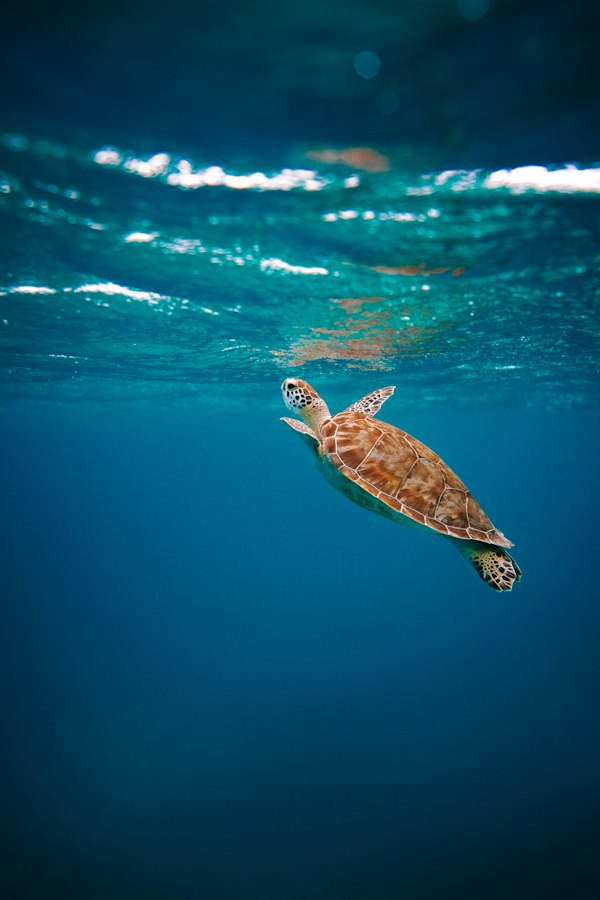
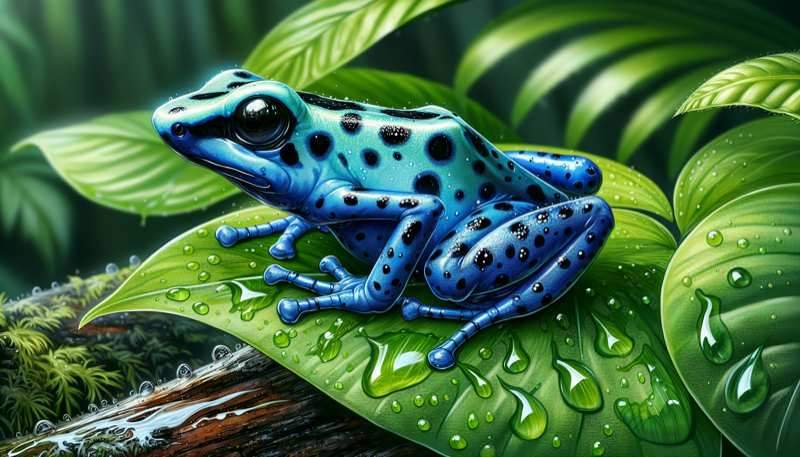
Costa Rica is one of the most biodiverse countries on Earth, with over 500,000 species packed into a land area smaller than West Virginia. This Central American nation protects approximately 25% of its territory in national parks and reserves, making it a global model for conservation-based ecotourism. The country's remarkable variety of habitats, from cloud forests and rainforests to mangroves and coral reefs, supports an extraordinary array of wildlife. Sloths, howler monkeys, spider monkeys, toucans, scarlet macaws, and poison dart frogs are commonly encountered on guided nature walks. Both Pacific and Caribbean coasts serve as important nesting sites for sea turtles, including green, hawksbill, and leatherback species. Costa Rica's compact size means visitors can explore multiple ecosystems in a single trip. Manuel Antonio National Park offers reliable sloth and monkey sightings along coastal rainforest trails. Tortuguero on the Caribbean coast is one of the Western Hemisphere's most important sea turtle nesting beaches. Corcovado National Park on the Osa Peninsula has been described as the most biologically intense place on Earth.
Fly into San Jose (SJO) or Liberia (LIR) for the Pacific coast. Domestic flights connect to remote areas like Drake Bay.
Nearest airport: Juan Santamaria International (SJO)
Dry season: Dec-Apr: Dry season on Pacific side. Best for wildlife and beach. Peak season.
Wet season: May-Nov: Green season. Afternoon rains. Lower prices. Turtles nesting Jul-Oct.
Temperature: 20°C-35°C (68°F-95°F) at coast. Highland cloud forests 12°C-22°C.
Don't leave valuables in parked cars. Rip currents on Pacific beaches. Watch for snakes on forest trails. Tap water safe in most areas.
Tipping: 10% service charge included in restaurants. Extra 5-10% optional. Tour guides: $10-20/day.
Local transport: Rental car recommended (4x4 for gravel roads). Domestic flights via Sansa. Public buses between towns.
Country guides connect this destination with other habitats, species, planning considerations, and responsible-viewing advice.
Habitat guides explain the viewing conditions and conservation pressures shared with similar ecosystems elsewhere.
These editorial guides explain the activity format, physical conditions, animal-welfare questions, and operator checks to make before booking.
Go deeper on itineraries, seasonal decisions, trip costs, photography, and responsible ways to experience wildlife in this region.
Compare the northern and southern Pantanal, Amazon, Costa Rica, and Belize for wild jaguar travel, including access, tours, rules, safety, and sighting reality.
Read guide →
Comparing two of the world's best wildlife destinations. Biodiversity, cost, accessibility, and experience type compared to help you choose the right trip.
Read guide →
Plan wildlife travel in Costa Rica around habitats, national parks, target species, seasons, transport, guides, and responsible rainforest viewing.
Read guide →Current Viator listings matched to this destination. Confirm the itinerary, operator, recent reviews, availability, and cancellation terms before booking.


Build your complete trip with our free trip builder. We'll help you find flights, hotels, and tours.
Build Your Trip →
The planning window currently listed for Costa Rica is December - April (dry season on the Pacific coast). Use it as a starting point, not a sighting promise: weather, animal movement, access, and local rules can change. Check current conditions with the relevant park or protected-area authority before booking.
Build a current total for transport, entry fees or permits, guiding, accommodation, meals, insurance, equipment, and taxes. Prices and currencies change too often for a generic daily figure to be dependable. Compare dated quotes with the same inclusions and confirm official fees and cancellation terms before paying.
Our current route note is: Fly into San Jose (SJO) or Liberia (LIR) for the Pacific coast. Domestic flights connect to remote areas like Drake Bay. Verify operating schedules, border or entry requirements, road and seasonal access, baggage limits, and transfers with the relevant authorities and providers for your travel dates.
This guide connects Costa Rica, Costa Rica, with Two-toed Sloth, Green Sea Turtle, Poison Dart Frog, Jaguar. The list is a planning aid rather than a complete inventory or guarantee. Ask a current local authority or responsible operator which species and public areas are realistic for your dates.
Use legal public access and follow the current instructions of park staff, guides, and local communities. Keep a safe distance, never feed, call, chase, or block wildlife, and do not ask for sensitive nesting, den, or release locations. Choose operators that explain group size, viewing rules, community benefit, and what happens when animals move away.