Where to See
Where to See Jaguars in the Wild
Compare the northern and southern Pantanal, Amazon, Costa Rica, and Belize for wild jaguar travel, including access, tours, rules, safety, and sighting reality.
Read guide →Panthera onca
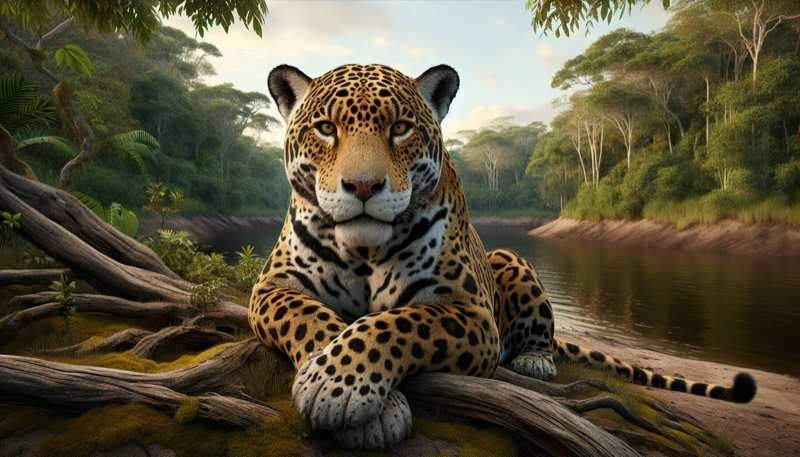
The jaguar is the largest wild cat in the Americas and the only living member of the genus Panthera native to the region. It is one species across a range that extends from the southern United States through Mexico, Central America, and South America to northern Argentina. Jaguars use forests, wetlands, wet savannas, mangroves, and some drier habitats, and they are strongly associated with water. The species is Near Threatened globally, but that label hides major regional differences: many populations outside Amazonia are Endangered or Critically Endangered. The northern Pantanal has the most developed jaguar-focused visitor route, but no season, place, or guide can guarantee an encounter.
Migration: Not a simple seasonal migrant. Reported home ranges vary from about 10 km² to more than 1,000 km², making connected habitat and safe dispersal corridors important.
Best time of day: Schedule multiple legal field sessions around the operator's route and conditions. Do not treat dawn or dusk as a sighting appointment.
Typical viewing distance: In Mato Grosso, boats must remain at least 10 m from a jaguar on land and at least 30 m from one in the water. These are legal minimums, not targets, and stricter protected-area or operator rules may apply.
Camera settings: Use a shutter speed appropriate to boat movement and the animal's behaviour, continuous autofocus, and a telephoto lens you can operate without standing, changing seats, or asking the pilot to move closer.
The Cuiabá–Transpantaneira–Porto Jofre corridor supports established boat-based wildlife trips. Mato Grosso regulates wild jaguar observation, including minimum distances, boat numbers, time when more than one boat is present, and bans on feeding, attraction, pursuit, and obstructing movement. This visitor infrastructure improves field access, not certainty.
Routes from Campo Grande, Miranda, Aquidauana, and Corumbá combine lodge, ranch, river, vehicle, walking, or horseback experiences. Mato Grosso do Sul tourism describes a jaguar as something a visitor may see, not a promised encounter. Choose this route for the wider wetland experience and verify each operator's jaguar-viewing method.
Corcovado protects jaguar habitat and offers regulated rainforest access through official visitor sectors. It is a biodiversity trip where a jaguar sighting is exceptional, not a practical jaguar safari. Reserve through the current SINAC process, use required local guiding, and stay on public trails.
Cockscomb is an important jaguar refuge and conservation landscape, but dense forest makes the animal difficult to observe. Visit for rainforest, tracks, other wildlife, and the protected landscape—not for a guaranteed visual encounter.
Compare practical destination guides with seasonal timing, travel logistics, other wildlife, tours, and places to stay.
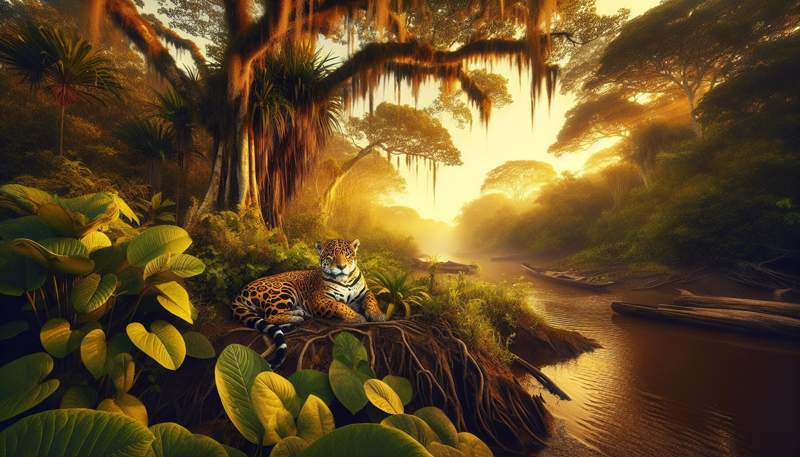
The Pantanal is one of the world's largest freshwater wetland systems, spanning a complex seasonal landscape in Brazil, Bolivia, and Paraguay. Mo...
Plan your visit →
Costa Rica is one of the most biodiverse countries on Earth, with over 500,000 species packed into a land area smaller than West Virginia. This C...
Plan your visit →
The Amazon is a vast multi-country biome, not one destination reached interchangeably from Manaus or Iquitos. A useful wildlife trip starts with ...
Plan your visit →Country guides connect the species with other wildlife, featured places, planning context, and responsible-viewing advice.
Species may rely on several ecosystems across their range. Explore how conditions and conservation pressures differ.
Compare activity formats, physical conditions, operator questions, animal-welfare risks, and relevant destinations before choosing a tour.
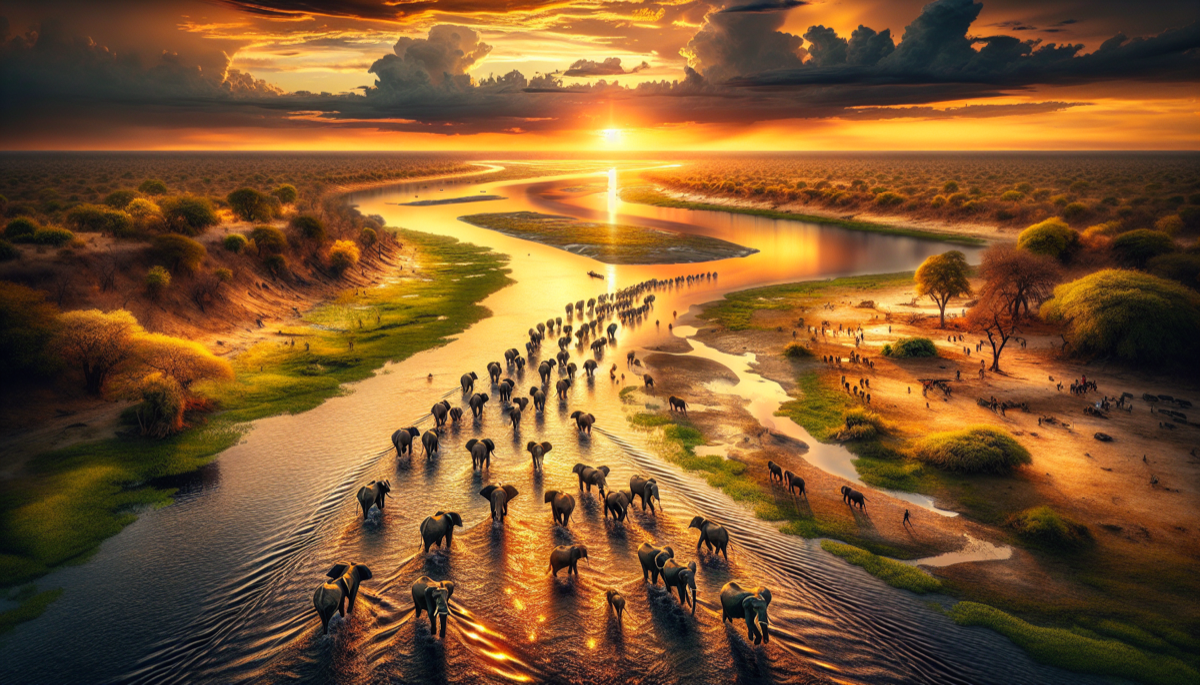
River and wetland safaris reveal wildlife that roads cannot reach. Trips range from quiet canoe or mokoro outings to motorboat searches for…
Plan the experience →Rainforest wildlife trips reward attention to sound, movement, tracks, fruit, and forest layers more than long-distance vistas. A guide may locate…
Plan the experience →
A wildlife photography tour should improve access, fieldcraft, and learning without turning animal welfare into a competition for the closest frame.…
Plan the experience →These third-party programmes offer relevant ways to adopt symbolically, foster, donate, or learn. We do not process contributions or receive commission.
A general support route for science-led wild-cat conservation, including species research, protected landscapes and corridors, conflict reduction, and action against poaching and illegal trade.
Review programme →Due DiligenceUnderstand symbolic adoption, verify the organisation, and review current terms and use of funds.
Open the programme directory →Current Viator listings matched to this species. Confirm where the activity operates, its wildlife policy, recent reviews, availability, and cancellation terms before booking.


Only species-relevant partner routes are shown. Confirm the exact location, wildlife policy, availability, current price, and cancellation terms before booking.
These links open third-party searches. Verify the exact operator, route, guide team, wildlife policy, field time, and no-sighting terms.
Search stays only after the gateway and field route are confirmed.
Compare current routes, baggage rules, buffers, and total booking terms.
Check medical, cancellation, activity, altitude, equipment, and evacuation terms for the exact itinerary.
Match equipment to guide advice, distance, weather, baggage limits, and safe handling.
Premium tailor-made packages from Africa's top operators. High-value bookings with expert planning.
On a Pantanal boat trip, use a stabilised telephoto setup you can handle safely from your assigned seat. Never ask the pilot to cross a legal distance, block a bank or channel, pursue a swimming cat, exceed a sighting time limit, or use sound, scent, food, or objects to attract wildlife.
Treat every sighting as an encounter with a powerful wild predator. Stay in the boat or vehicle, remain seated when instructed, keep silent, secure loose equipment, and follow the pilot or guide immediately. Never land, walk closer, feed, call, bait, pursue, surround, or block a jaguar. Mato Grosso's legal distances are minimum boundaries, not photography targets; protected-area plans or operator rules can be stricter.
Use these in-depth guides to compare destinations, timing, costs, photography, and responsible wildlife-viewing choices.
Compare the northern and southern Pantanal, Amazon, Costa Rica, and Belize for wild jaguar travel, including access, tours, rules, safety, and sighting reality.
Read guide →
This guide currently identifies Northern Pantanal (Brazil), Southern Pantanal (Brazil), Corcovado National Park (Costa Rica). A species range is not automatically a visitor area, so confirm public access, closures, permits, and wildlife rules with the relevant authority before travelling. No wild sighting is guaranteed.
Our species-level planning note is: Route-specific. Many northern Pantanal boat programmes operate in the drier part of the year; verify current water levels, access, field hours, and wildlife rationale with the operator.. The listed location windows are Northern Pantanal: Commonly planned in the drier season; verify the precise route, water conditions, rules, and operating dates; Southern Pantanal: Choose by habitat, activity, lodge access, and seasonal water conditions rather than a jaguar promise; Corcovado National Park: Park-sector and weather dependent; check current reservations, closures, and guide rules. Treat these as starting points and verify current weather, access, and local wildlife guidance for the exact destination.
Build a current total from transport, permits or entry fees, guiding or hides, accommodation, insurance, equipment, and enough field sessions for an uncertain sighting. Prices and currencies vary too much by region and date for one daily figure to be reliable; use official booking pages and written operator terms.
Treat every sighting as an encounter with a powerful wild predator. Stay in the boat or vehicle, remain seated when instructed, keep silent, secure loose equipment, and follow the pilot or guide immediately. Never land, walk closer, feed, call, bait, pursue, surround, or block a jaguar. Mato Grosso's legal distances are minimum boundaries, not photography targets; protected-area plans or operator rules can be stricter. Local rules and ranger instructions take priority over general advice, and a guide should never manufacture proximity by feeding, calling, chasing, or blocking an animal.
On a Pantanal boat trip, use a stabilised telephoto setup you can handle safely from your assigned seat. Never ask the pilot to cross a legal distance, block a bank or channel, pursue a swimming cat, exceed a sighting time limit, or use sound, scent, food, or objects to attract wildlife. The image is secondary to legal access, safe distance, natural behaviour, and the privacy of sensitive locations.