


Tips
Galápagos on a Budget: Land-Based Planning Guide
How to visit the Galapagos Islands without breaking the bank. Budget tips, land-based itinerary, and money-saving strategies.
Read guide →Best time: Route- and wildlife-specific; compare the exact authorised sites, activity, sea conditions, wildlife life cycle, park itinerary, and current operator schedule
The Galápagos Islands are a tightly managed Ecuadorian national park and marine reserve where island isolation, ocean currents, and volcanic processes support exceptional terrestrial and marine endemism. Travellers must choose between a land-based stay on inhabited islands, navigated itineraries reaching authorised visitor sites, specialist dive products, or a combination. Each format reaches different islands and activities; neither a cruise label nor a hotel base provides unrestricted access. Park itineraries, licensed naturalist guides, site permissions, biosecurity, the Transit Control Card, conservation entry requirements, weather, sea state, and current national travel advice all belong in the plan.
Galápagos flights operate from continental Ecuador to Baltra or San Cristóbal. Confirm the current mainland airport and airside or landside transit plan, Transit Control Card process, biosecurity inspection, return ticket, island arrival transfer, baggage rules, and any national travel-advice implications before booking separate tickets.
Nearest airport: Baltra/Seymour (GPS) or San Cristóbal (SCY), selected by the actual itinerary; neither serves every route interchangeably
Dry season: Cooler or nutrient-rich seasonal conditions can suit some marine priorities while bringing wind, swell, cooler water, or reduced visibility at particular sites. Match the dates to the exact itinerary and activity.
Wet season: Warmer or rainier seasonal conditions change vegetation, sea state, heat, wildlife breeding, and water activities without guaranteeing a species or calm day. An operator may alter an authorised site for safety or park reasons.
Temperature: Use current land and marine forecasts plus the operator’s itinerary-specific clothing and exposure-protection list. Air temperature alone does not describe sun, spray, wind, current, water temperature, or time in an open boat.
Check current Ecuador travel advice, airline and transit conditions, park alerts, sea and volcanic conditions, and insurance. Use authorised services, remain on marked routes, follow naturalist and ranger instructions, keep at least the park’s current two-metre wildlife baseline and more when required, and never touch, feed, chase, or remove natural material. Confirm swimming, snorkelling, diving, boat, medical, evacuation, and mobility requirements for the exact itinerary.
Tipping: Ask the operator for its current written policy, currency, service-charge treatment, and distribution between naturalists, crew, drivers, and lodge staff. Never tip for touching wildlife, leaving a route, feeding, crowding, or breaking park rules.
Local transport: Flights arrive from continental Ecuador at Baltra or San Cristóbal; confirm the current mainland departure airport and transit status. A land-based route may combine ferries, speedboats, water taxis, buses, vehicles, and day boats. A navigated itinerary follows authorised sites assigned to the vessel. Verify every baggage limit, dock, wet or dry landing, transfer, seasickness consideration, and weather contingency.
Country guides connect this destination with other habitats, species, planning considerations, and responsible-viewing advice.
Habitat guides explain the viewing conditions and conservation pressures shared with similar ecosystems elsewhere.
These editorial guides explain the activity format, physical conditions, animal-welfare questions, and operator checks to make before booking.
Go deeper on itineraries, seasonal decisions, trip costs, photography, and responsible ways to experience wildlife in this region.
How to visit the Galapagos Islands without breaking the bank. Budget tips, land-based itinerary, and money-saving strategies.
Read guide →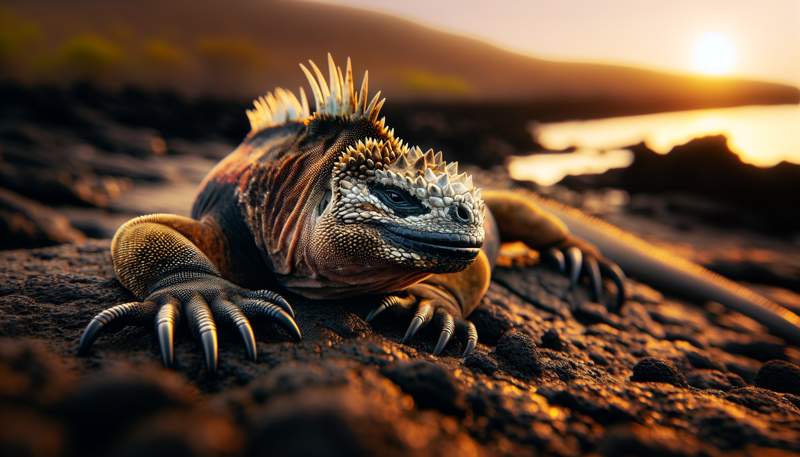
Build a Galápagos wildlife itinerary by comparing islands, land-based and cruise travel, visitor sites, seasonal conditions, field time, and park rules.
Read guide →Current Viator listings matched to this destination. Confirm the itinerary, operator, recent reviews, availability, and cancellation terms before booking.


Build your complete trip with our free trip builder. We'll help you find flights, hotels, and tours.
Build Your Trip →
The planning window currently listed for Galapagos Islands is Route- and wildlife-specific; compare the exact authorised sites, activity, sea conditions, wildlife life cycle, park itinerary, and current operator schedule. Use it as a starting point, not a sighting promise: weather, animal movement, access, and local rules can change. Check current conditions with the relevant park or protected-area authority before booking.
Build a current total for transport, entry fees or permits, guiding, accommodation, meals, insurance, equipment, and taxes. Prices and currencies change too often for a generic daily figure to be dependable. Compare dated quotes with the same inclusions and confirm official fees and cancellation terms before paying.
Our current route note is: Galápagos flights operate from continental Ecuador to Baltra or San Cristóbal. Confirm the current mainland airport and airside or landside transit plan, Transit Control Card process, biosecurity inspection, return ticket, island arrival transfer, baggage rules, and any national travel-advice implications before booking separate tickets. Verify operating schedules, border or entry requirements, road and seasonal access, baggage limits, and transfers with the relevant authorities and providers for your travel dates.
This guide connects Galapagos Islands, Ecuador, with Galapagos Giant Tortoise. The list is a planning aid rather than a complete inventory or guarantee. Ask a current local authority or responsible operator which species and public areas are realistic for your dates.
Use legal public access and follow the current instructions of park staff, guides, and local communities. Keep a safe distance, never feed, call, chase, or block wildlife, and do not ask for sensitive nesting, den, or release locations. Choose operators that explain group size, viewing rules, community benefit, and what happens when animals move away.