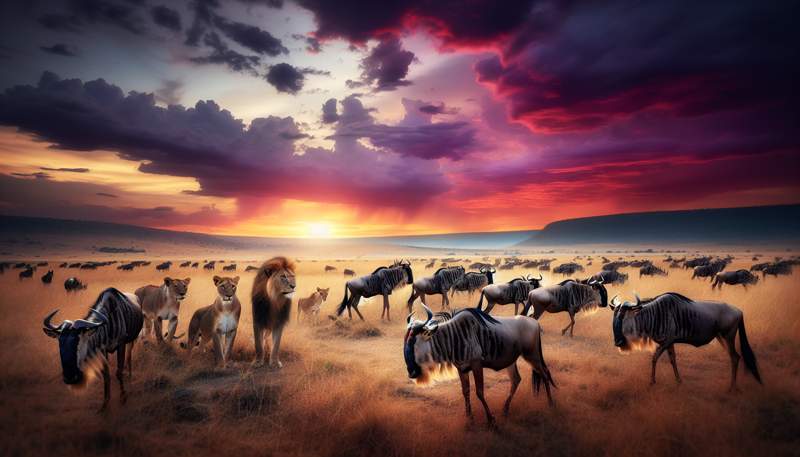
What to Pack for Masai Mara National Reserve
The Masai Mara shares similar conditions with the Serengeti but with slightly cooler temperatures due to its higher altitude. Morning game drives in open vehicles require warm layers, while midday can be hot and dusty. If visiting during migration season (July–October), prepare for dusty conditions and large herds.
Clothing
Earthy tones blend with the landscape; avoid blue (attracts tsetse flies).
Buy on Amazon →Quick-dry fabric preferred; thorny bush can snag thin materials.
Layer system for 5AM game drives in open-sided vehicles.
Buy on Amazon →Essential in open vehicles; wind can whip hats away.
Many lodges and camps have swimming pools.
Footwear
Closed-toe sandals recommended — watch for scorpions at night.
Protect ankles from thorns and grass seeds on guided walks.
Buy on Amazon →Camera & Optics
The Mara's big cats often allow close approaches — medium telephoto works well.
Buy on Amazon →Big cat action can drain batteries fast with burst shooting.
Health & Safety
The Mara is in a high-risk malaria zone; prophylaxis is strongly recommended.
Include blister plasters, painkillers, and oral rehydration salts.
Backup if bottled water runs short on remote conservancy stays.
Buy on Amazon →Documents
Required for Kenya entry; e-visa can be obtained online before arrival.
Apply at evisa.go.ke at least 2 weeks before travel.
Must cover emergency medical evacuation.
Limited phone signal in the Mara — always carry paper copies.
Accessories
Bush camps have no street lights — essential for navigating at night.
Buy on Amazon →Kenya uses UK-style three-pin plugs.
🎒 Don't Forget!
- Check luggage limits — internal/charter flights often have strict 15–20 kg limits for soft bags only.
- Pack a small daypack — essential for carrying water, camera, and sunscreen on excursions.
- Wear your heaviest items — boots and jackets worn on the plane save luggage weight.
- Leave room for souvenirs — pack at 80% capacity so you can bring treasures home.
- Photograph your documents — store copies of passport, insurance, and permits in your phone and email.
Shop Your Gear
Get everything you need from our trusted partners
Continue Planning
More guides for your Masai Mara National Reserve trip
What to Pack for Masai Mara National Reserve FAQ
Pack layers for cool mornings and warm afternoons. A windproof jacket is useful for open-vehicle game drives. Bring a warm hat and gloves for early morning departures.
Standard comfortable shoes work for vehicle safaris. Walking safaris in conservancies require sturdy boots with good grip on uneven terrain.
A 200 to 600mm telephoto lens is perfect for big cat photography on the open plains. Bring a wide-angle lens for landscape shots and balloon safari photos.
Neutral colours are best. Avoid blue and black as they attract tsetse flies. Long sleeves and trousers protect against sun and insects.