Destinations
Okavango Delta vs Kruger: Which Safari Should You Choose?
A detailed comparison of two iconic safari destinations. Cost, wildlife density, exclusivity, self-drive options, and the overall experience compared side by side.
Read guide →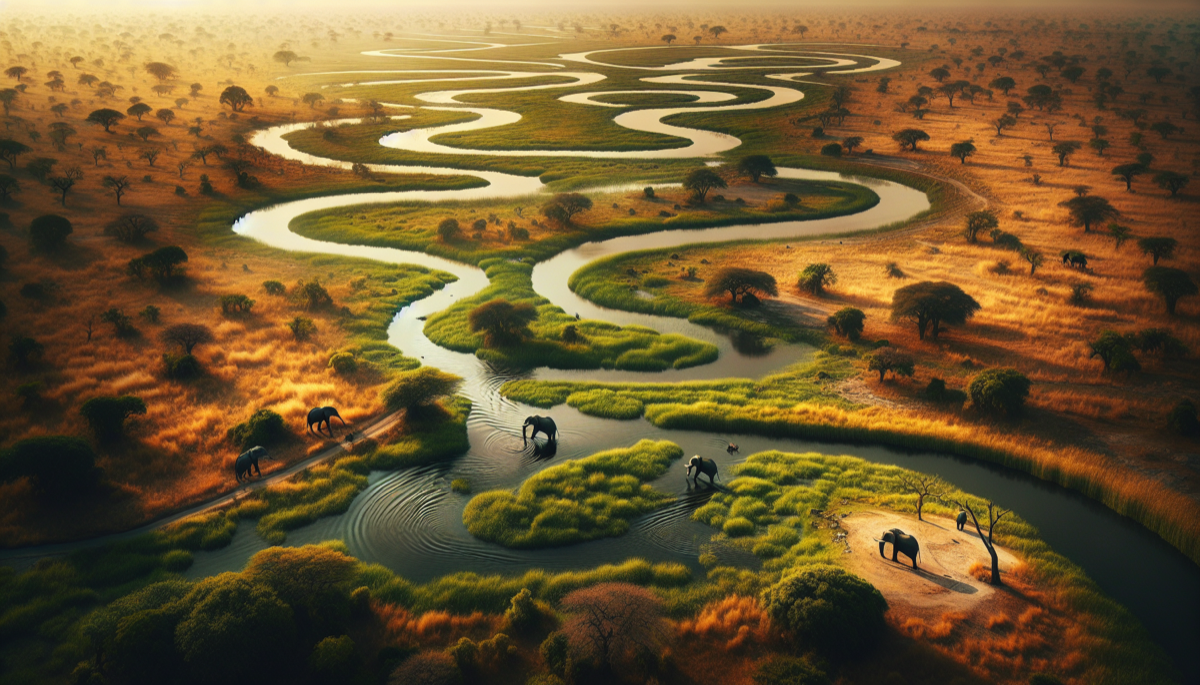
Best time: May - October (dry season, peak flood June-August)
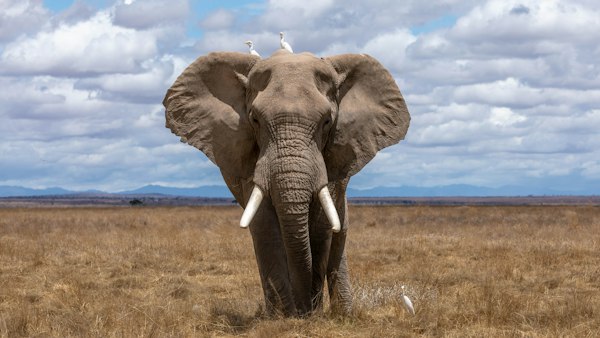
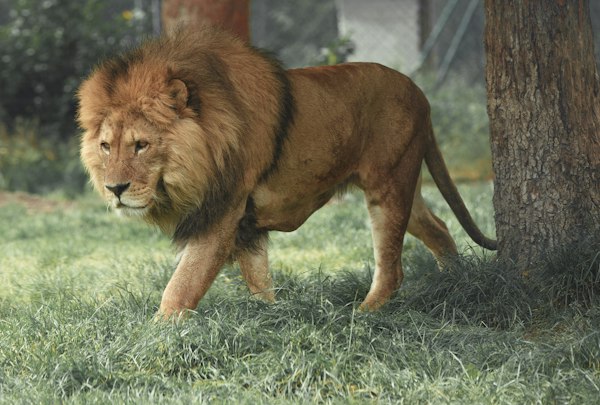
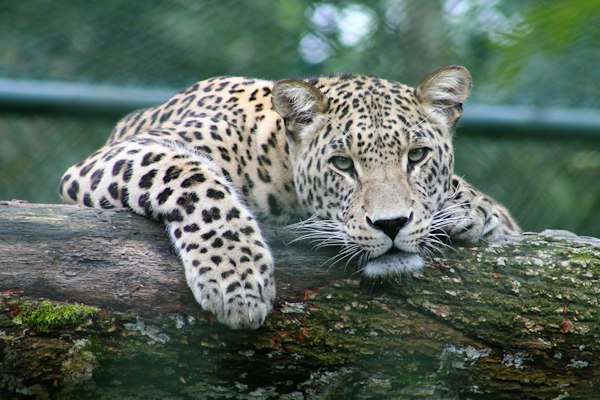
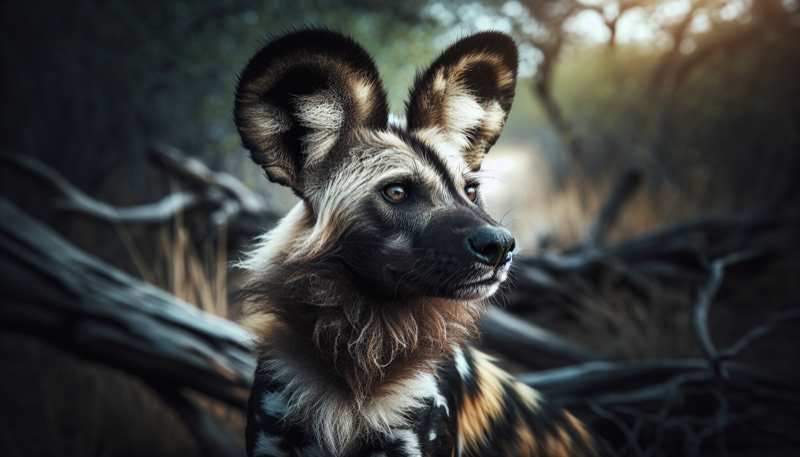
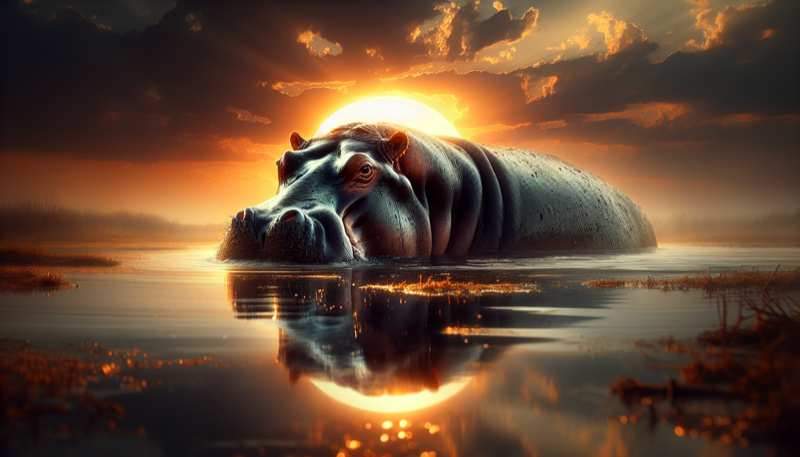
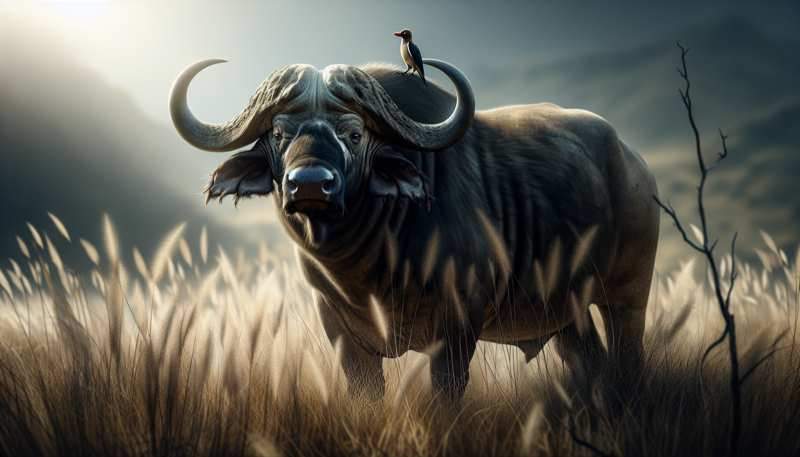
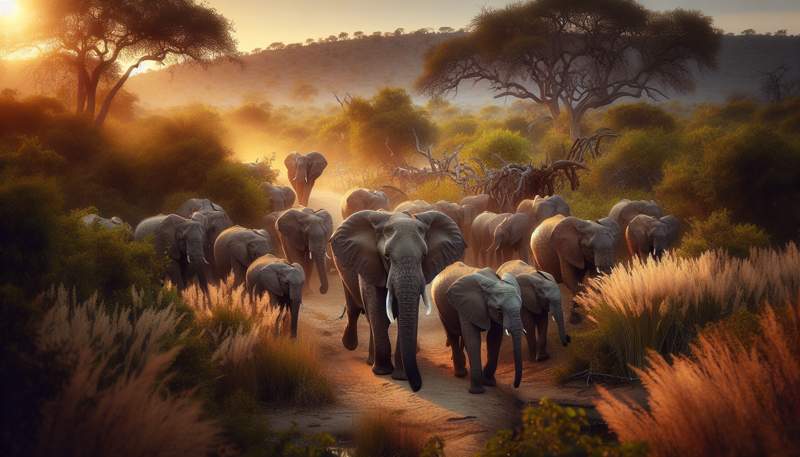
The Okavango Delta is one of the world's largest inland deltas and a UNESCO World Heritage Site, where the Okavango River fans out across the Kalahari Desert to create a lush, wildlife-rich oasis. Covering approximately 20,000 km2 during peak flood, the delta transforms arid landscape into a network of channels, lagoons, and palm-fringed islands. This dynamic ecosystem supports one of Africa's highest concentrations of large mammals, including elephants, lions, leopards, wild dogs, hippos, and buffalo. Mokoro (dugout canoe) safaris through crystal-clear waterways offer a unique, silent approach to wildlife viewing unlike any other safari experience on Earth. The annual flood cycle, driven by rainfall in Angola months earlier, peaks between June and August, creating a seasonal paradise that draws animals from the surrounding dry lands. Game drives, walking safaris, boat cruises, and scenic helicopter flights are all popular ways to experience this extraordinary wetland wilderness. The delta's remote camps provide an exclusive, immersive bush experience.
Fly into Maun (MUB) from Johannesburg. Light aircraft transfers to delta camps are standard.
Nearest airport: Maun Airport (MUB)
Dry season: May-Oct: Peak flood season Jun-Aug. Animals concentrate on islands. Best game viewing.
Wet season: Nov-Apr: Green season. Afternoon storms. Birdlife spectacular. Lower rates.
Temperature: 5°C-40°C (41°F-104°F). Freezing winter mornings, scorching summer days.
Follow guide instructions on walking safaris. Hippos and crocodiles in waterways. Never walk between tents at night without escort.
Tipping: Guide: $20-30/day. Mokoro poler: $10-15/day. Camp staff: $10-20/day. Tips in USD or BWP.
Local transport: Light aircraft between camps (bush flights). Mokoro (dugout canoe) through channels. 4x4 game drives.
Country guides connect this destination with other habitats, species, planning considerations, and responsible-viewing advice.
Habitat guides explain the viewing conditions and conservation pressures shared with similar ecosystems elsewhere.
These editorial guides explain the activity format, physical conditions, animal-welfare questions, and operator checks to make before booking.
A game drive uses a vehicle to explore protected landscapes with a guide or, where rules allow, as a self-drive visitor. It is the most accessible…
Read the responsible guide →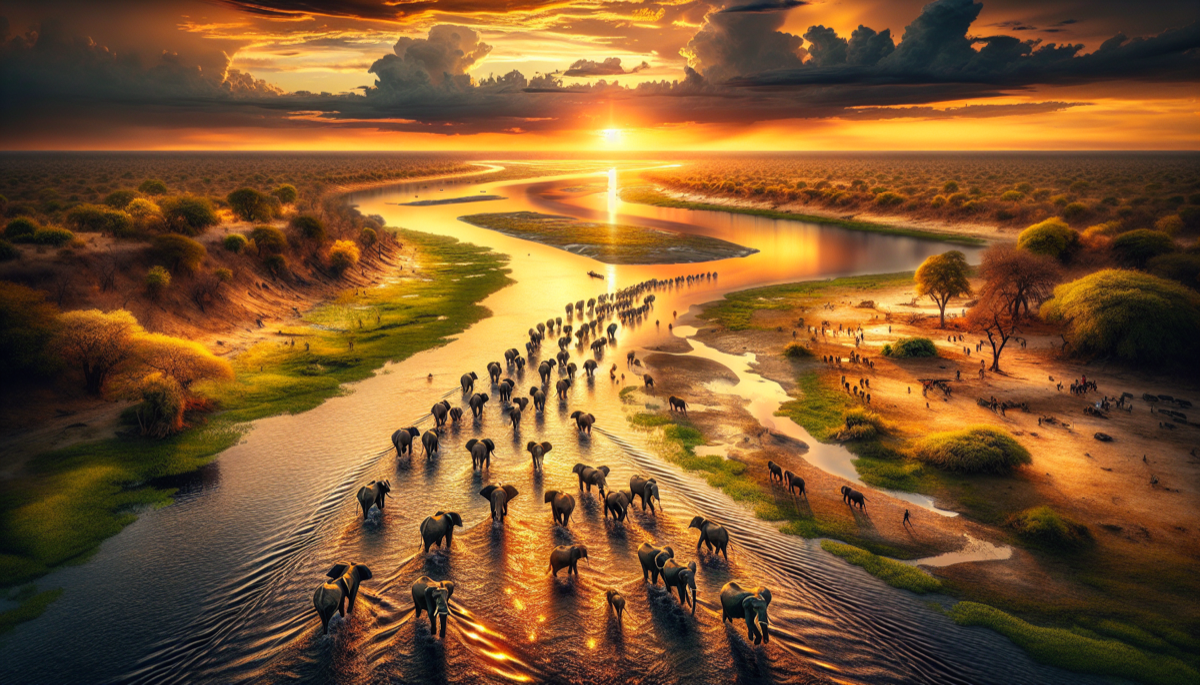
River and wetland safaris reveal wildlife that roads cannot reach. Trips range from quiet canoe or mokoro outings to motorboat searches for…
Read the responsible guide →Go deeper on itineraries, seasonal decisions, trip costs, photography, and responsible ways to experience wildlife in this region.
A detailed comparison of two iconic safari destinations. Cost, wildlife density, exclusivity, self-drive options, and the overall experience compared side by side.
Read guide →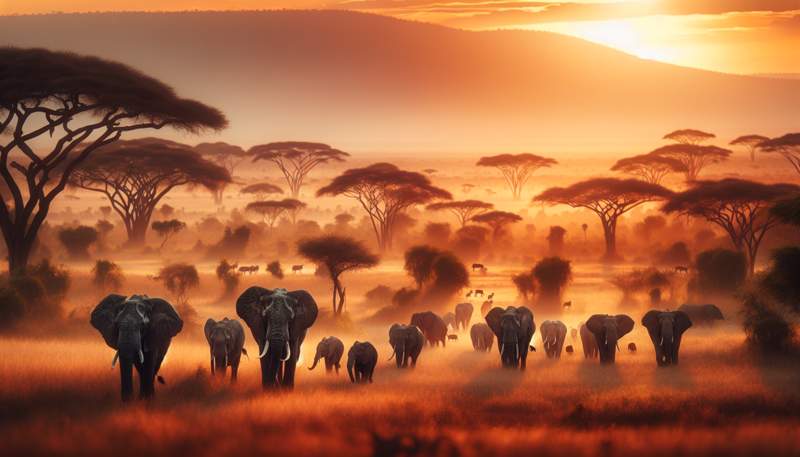
Compare the top safari destinations across Africa — Serengeti, Masai Mara, Kruger, Okavango Delta, and more. Find the perfect safari for your budget and style.
Read guide →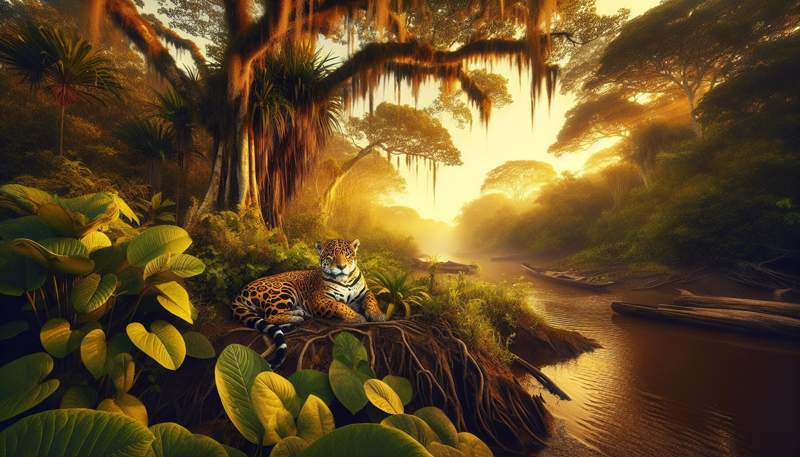
Comparing Botswana and South Africa safaris by cost, exclusivity, wildlife, and overall experience.
Read guide →Current Viator listings matched to this destination. Confirm the itinerary, operator, recent reviews, availability, and cancellation terms before booking.


Share your preferences for possible referral to an independent Africa safari-planning partner. There is no fee to submit this request; any trip proposal is separate and optional.
Safari.com itinerary examples matched to Okavango Delta. Request a current quote and confirm the operator, exact route, inclusions, recent reviews, and cancellation terms before booking.
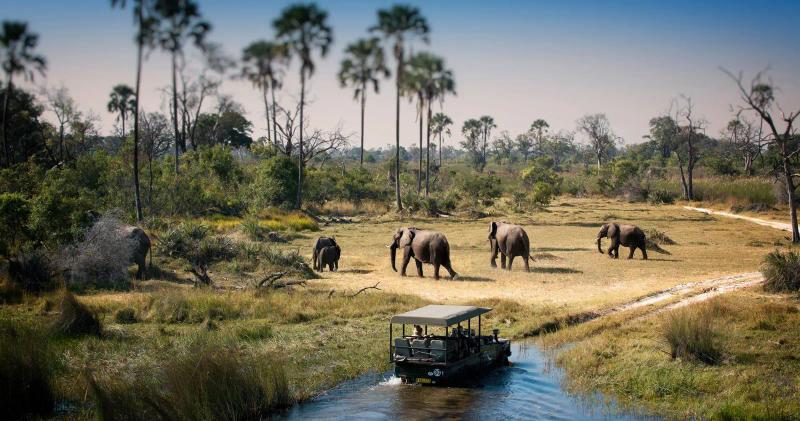
This incredible fly-in safari includes all the regions that Botswana is famous for, starting with elephants at the Chobe River, then moving ...
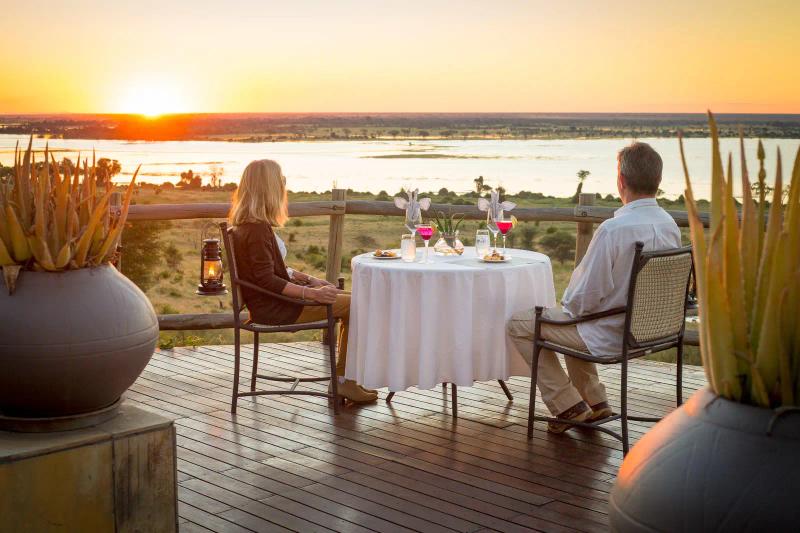
The private Ngoma Safari Lodge, is located on the edge of a plateau, offering endless views over the seasonal Chobe flood plain. Thereafter ...
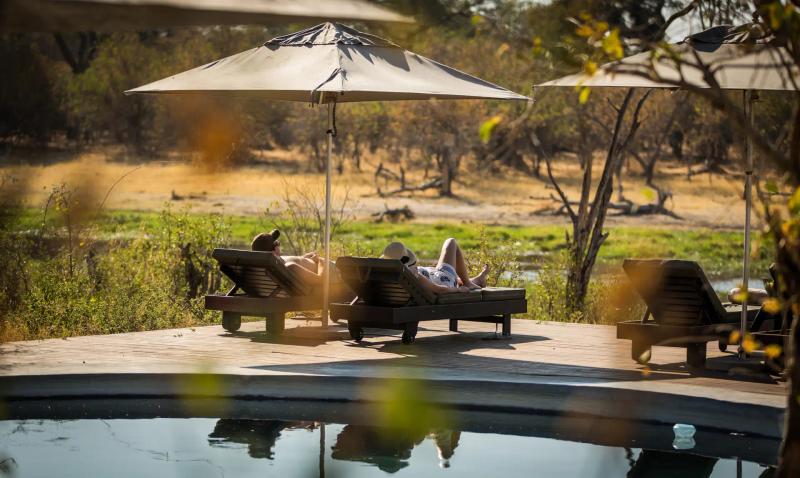
A 9-day journey through Botswana’s most iconic wilderness regions, from the elephant-rich Chobe River to the untamed beauty of the Okavango ...
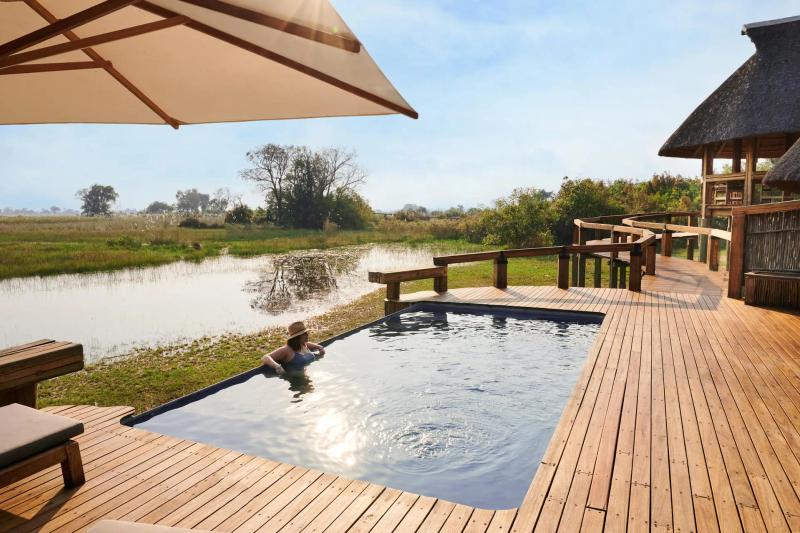
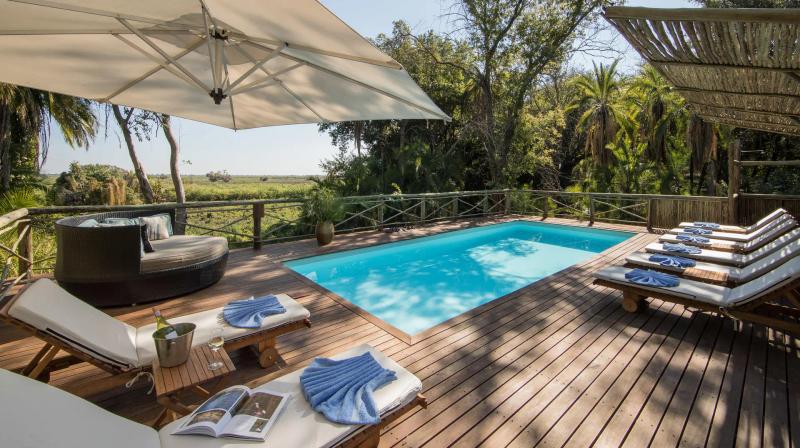
This 7-day fly-in safari offers an extraordinary adventure, whisking guests away to the stunning Chobe waterfront and the enchanting waterwa...
Build your complete trip with our free trip builder. We'll help you find flights, hotels, and tours.
Build Your Trip →
The planning window currently listed for Okavango Delta is May - October (dry season, peak flood June-August). Use it as a starting point, not a sighting promise: weather, animal movement, access, and local rules can change. Check current conditions with the relevant park or protected-area authority before booking.
Build a current total for transport, entry fees or permits, guiding, accommodation, meals, insurance, equipment, and taxes. Prices and currencies change too often for a generic daily figure to be dependable. Compare dated quotes with the same inclusions and confirm official fees and cancellation terms before paying.
Our current route note is: Fly into Maun (MUB) from Johannesburg. Light aircraft transfers to delta camps are standard. Verify operating schedules, border or entry requirements, road and seasonal access, baggage limits, and transfers with the relevant authorities and providers for your travel dates.
This guide connects Okavango Delta, Botswana, with African Elephant, Lion, Leopard, African Wild Dog, Hippopotamus, Cape Buffalo. The list is a planning aid rather than a complete inventory or guarantee. Ask a current local authority or responsible operator which species and public areas are realistic for your dates.
Use legal public access and follow the current instructions of park staff, guides, and local communities. Keep a safe distance, never feed, call, chase, or block wildlife, and do not ask for sensitive nesting, den, or release locations. Choose operators that explain group size, viewing rules, community benefit, and what happens when animals move away.