Wolf vs African Wild Dog: Pack Hunters Compared
Both are pack hunters with extraordinary social bonds, but the gray wolf and African wild dog evolved on different continents with very different strategies. The wolf dominates the Northern Hemisphere's forests and tundra; the painted dog runs the African savanna. Together, they represent the pinnacle of cooperative hunting.
Quick Stats
Head-to-Head Comparison
Size & Strength
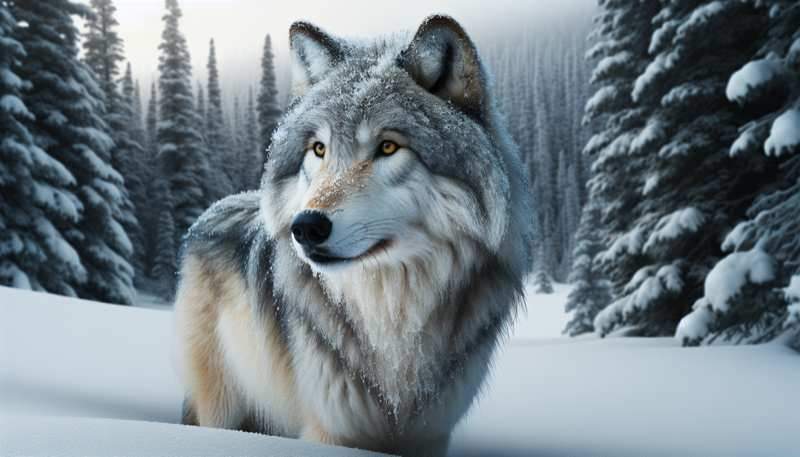
Gray wolves are substantially larger, weighing 30-80 kg compared to the wild dog's 20-30 kg. Wolves have a bite force of around 400 PSI and powerful jaws designed to crush bone. African wild dogs are lighter and more gracile, built for endurance rather than brute force.
Speed & Agility
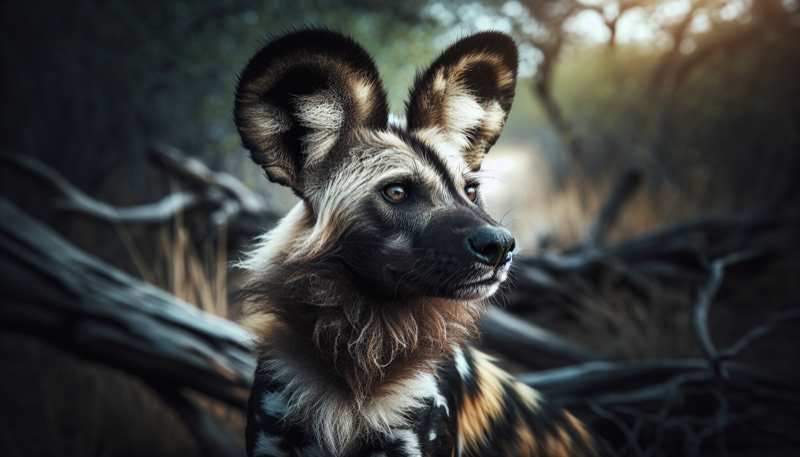
African wild dogs are phenomenal runners, sustaining speeds of 60 km/h over distances of 5+ km during hunts. Wolves are fast (55 km/h) but rely more on endurance tracking over long distances in snow. The wild dog's pursuit stamina is among the best in the animal kingdom.
Hunting Ability
African wild dogs have the highest hunt success rate of any large predator — an astonishing 60-90% compared to the wolf's 14-30%. Wild dog hunts are coordinated, relentless pursuits that exhaust prey. Wolf packs use more varied strategies including ambush, harassment, and relay chasing.
Intelligence
Both species display remarkable social intelligence. Wolves have complex hierarchies and use cooperative strategies tailored to different prey. Wild dogs "vote" on whether to hunt by sneezing — the more sneezes, the more likely the pack moves. Both care for injured and elderly pack members.
Where to See Them
Wolves are best observed in Yellowstone National Park (USA) and increasingly in European rewilding areas like Romania. African wild dogs are one of Africa's most endangered predators — Mana Pools (Zimbabwe), Kruger (South Africa), and the Okavango Delta offer the best sightings, but they remain unpredictable.
Conservation Status
Gray wolves are Least Concern globally, having rebounded in North America and Europe through reintroduction. African wild dogs are Endangered with only ~6,600 adults remaining in fragmented populations. Their need for vast territories makes them especially vulnerable to habitat loss.
Fun Fact
African wild dogs are so committed to their pack that they regurgitate food for members who were too sick or injured to join the hunt. They also care for orphaned pups collectively. Their social bonds are so strong that when a pack loses too many members, the survivors often stop hunting altogether.
Our Verdict
For wolves, Yellowstone's Lamar Valley offers some of the best wolf watching on Earth, especially December-March when packs are active in snow. For African wild dogs, Mana Pools (Zimbabwe) is legendary — here, wild dogs hunt impala through open woodland, and the photography opportunities are exceptional. Both experiences reward patience and early mornings.