Where to See
Best Places to See Wolves in the Wild
Compare credible wolf-watching regions, seasons, guide options, field time, sighting uncertainty, distance rules, and ways to reduce disturbance.
Read guide →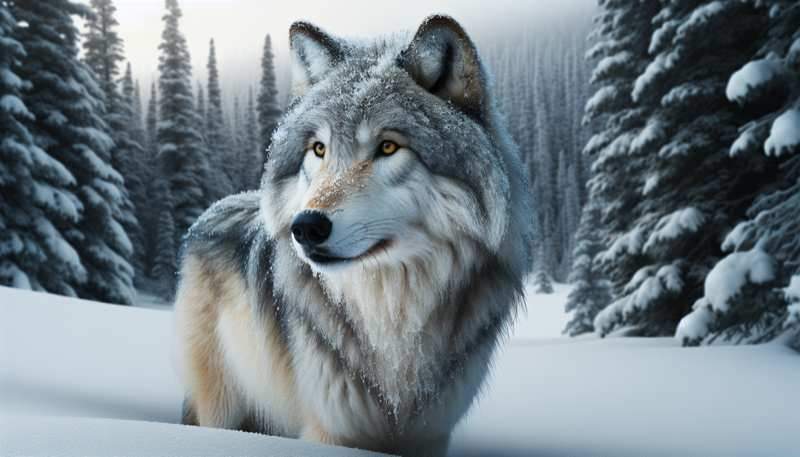
Canis lupus
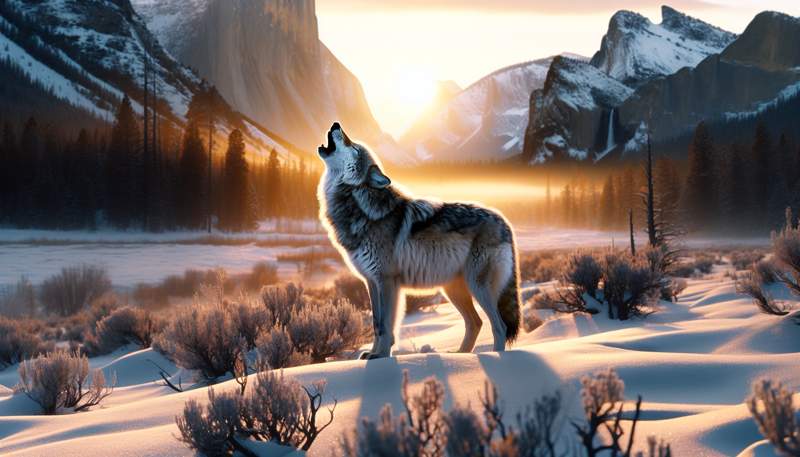
The gray wolf is a wide-ranging Northern Hemisphere canid whose ecology, population trend, and legal protection differ greatly by region. Many wolves live in family groups, while dispersing individuals travel alone. Yellowstone restoration began in 1995 and has supported decades of research, but claims that wolves alone "changed rivers" flatten a complex ecosystem with many interacting predators, prey, plants, climate effects, and human decisions.
Migration: No single range-wide migration. Packs occupy and defend territories, while dispersing wolves can travel far beyond a natal range; movement data and high-use sites can be sensitive.
Best time of day: Route- and season-specific. Allocate repeated legal field time and follow the guide or park rather than assuming dawn, dusk, snow, or breeding season creates a reliable sighting.
Typical viewing distance: Follow the local rule and animal response. Yellowstone requires at least 100 yards or 91 metres and may manage viewing from farther away; the number is not a target elsewhere.
Camera settings: Start with enough shutter speed for movement, continuous autofocus, and the lens available from the lawful position. Do not move closer, block a road, call, bait, use flash or spotlighting, or trade sensitive location data for a sharper image.
Established long-distance roadside observation from legal pullouts, especially on the northern range. Stay at least 100 yards or 91 metres away, accept staff-managed greater distances, and never use calls or tracking equipment.
A summer bus journey can produce an opportunistic wolf sighting within a wider Alaska wildlife day, but annual pack movement makes sightings unpredictable. The park road was limited to Mile 43 at the July 2026 review.
Choose a current park-listed guided hike for tracks, prey signs, habitat, and Apennine wolf ecology. A direct wild sighting is only a possibility, while Civitella Alfedena's Wolf Wildlife Area is a separate managed enclosure.
Old-growth forest and predator context where tracks or other signs are more realistic than a direct sighting. The Strictly Protected Area requires a park-licensed guide; permitted Hwoźna routes have different rules.
Compare practical destination guides with seasonal timing, travel logistics, other wildlife, tours, and places to stay.
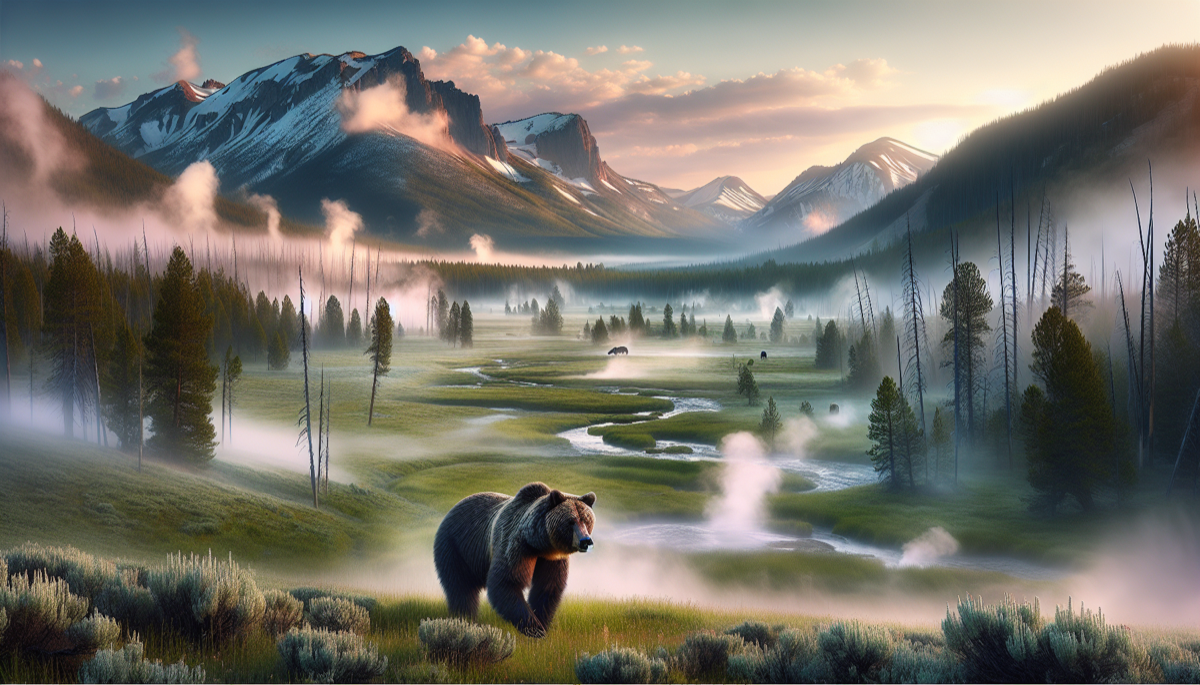
Yellowstone National Park is America's first and most famous national park, established in 1872 across 8,983 km2 of volcanic plateau in Wyoming, ...
Plan your visit →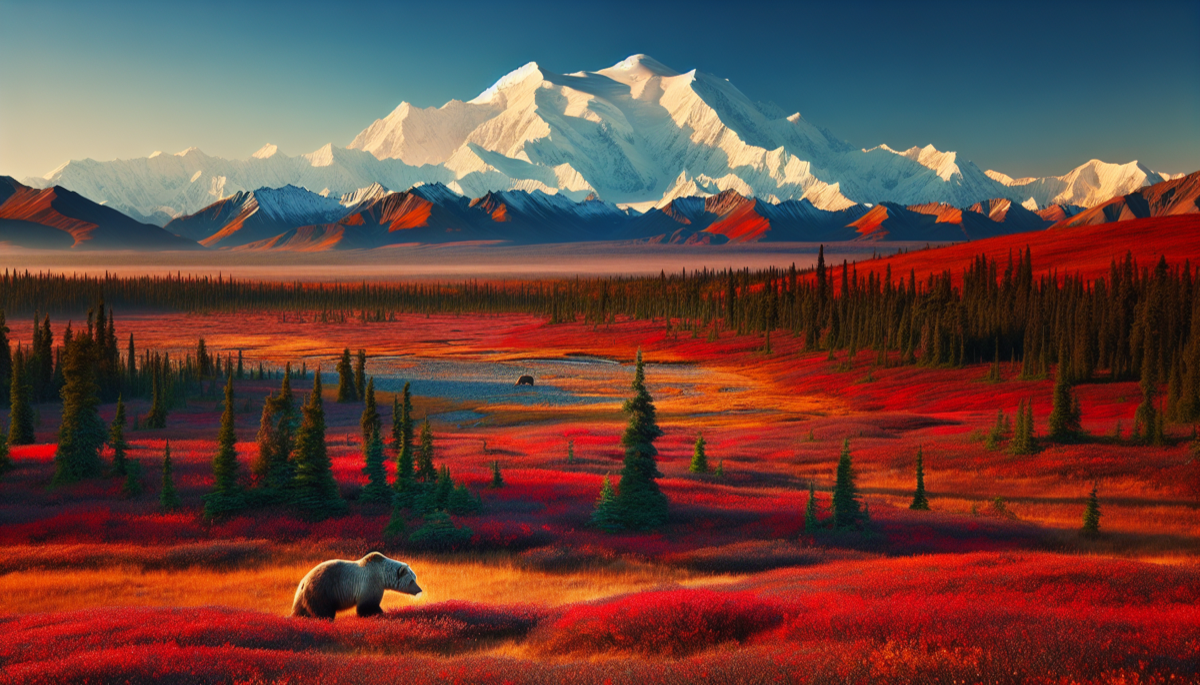
Denali National Park and Preserve in central Alaska encompasses 24,585 km2 of subarctic wilderness dominated by North America's tallest peak, Den...
Plan your visit →These public education settings are separate from wild viewing, rehabilitation access, research visits, and release sites. Confirm current access and animal visibility directly before travelling.
Ely, Minnesota, USA
Visitors observe ambassador wolves through windows overlooking a wooded enclosure and can join educator programmes. The centre states that wolves may remain out of view and does not permit direct public interaction.
Visitor access: Check current hours, admission, accessibility, programme schedule, pet rules, and closures directly before travel.
Check Official Visitor Information →Country guides connect the species with other wildlife, featured places, planning context, and responsible-viewing advice.
Species may rely on several ecosystems across their range. Explore how conditions and conservation pressures differ.
Current Viator listings matched to this species. Confirm where the activity operates, its wildlife policy, recent reviews, availability, and cancellation terms before booking.
Use binoculars or a scope first and a long lens from the lawful viewing position. Never howl, bait, spotlight, follow, leapfrog a road crossing, use live tracking data, approach a den, or publish a sensitive location for a closer frame.
Follow the authority for the exact place rather than a universal encounter script. Never feed or approach a wolf, secure food and rubbish, keep dogs under the required control, protect den and pup areas, and report unusually bold animals. In Yellowstone, remain at least 100 yards or 91 metres away and follow the park's current approach-response and ranger instructions.
Use these in-depth guides to compare destinations, timing, costs, photography, and responsible wildlife-viewing choices.
Compare credible wolf-watching regions, seasons, guide options, field time, sighting uncertainty, distance rules, and ways to reduce disturbance.
Read guide →This guide currently identifies Yellowstone National Park (USA), Denali National Park and Preserve (USA), Abruzzo, Lazio and Molise National Park (Italy). A species range is not automatically a visitor area, so confirm public access, closures, permits, and wildlife rules with the relevant authority before travelling. No wild sighting is guaranteed.
Our species-level planning note is: Route-specific: compare road access, visibility, weather, closures, and the wider wildlife experience; no season guarantees a wolf. The listed location windows are Yellowstone National Park: Check live roads and conditions; winter contrast and snow-free access have different trade-offs; Denali National Park and Preserve: Current summer bus season and road limit; recheck before booking; Abruzzo, Lazio and Molise National Park: Current dated park activity that matches terrain, access, weather, and mobility. Treat these as starting points and verify current weather, access, and local wildlife guidance for the exact destination.
Build a current total from transport, permits or entry fees, guiding or hides, accommodation, insurance, equipment, and enough field sessions for an uncertain sighting. Prices and currencies vary too much by region and date for one daily figure to be reliable; use official booking pages and written operator terms.
Follow the authority for the exact place rather than a universal encounter script. Never feed or approach a wolf, secure food and rubbish, keep dogs under the required control, protect den and pup areas, and report unusually bold animals. In Yellowstone, remain at least 100 yards or 91 metres away and follow the park's current approach-response and ranger instructions. Local rules and ranger instructions take priority over general advice, and a guide should never manufacture proximity by feeding, calling, chasing, or blocking an animal.
Use binoculars or a scope first and a long lens from the lawful viewing position. Never howl, bait, spotlight, follow, leapfrog a road crossing, use live tracking data, approach a den, or publish a sensitive location for a closer frame. The image is secondary to legal access, safe distance, natural behaviour, and the privacy of sensitive locations.