Whale Shark vs Great White Shark: Ocean Giants Compared
One is the gentle giant of the ocean — the largest fish on Earth. The other is the most famous predator in the sea. Whale sharks and great white sharks couldn't be more different in temperament, but both inspire awe and draw wildlife enthusiasts to some of the planet's most spectacular marine locations.
Quick Stats
Head-to-Head Comparison
Size & Strength
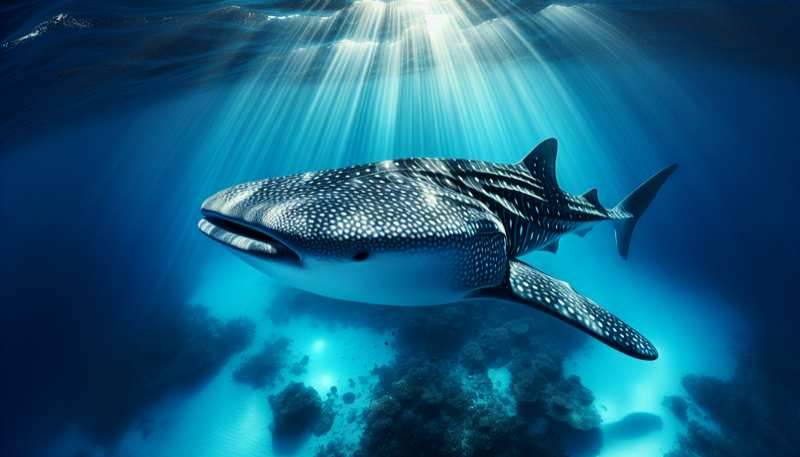
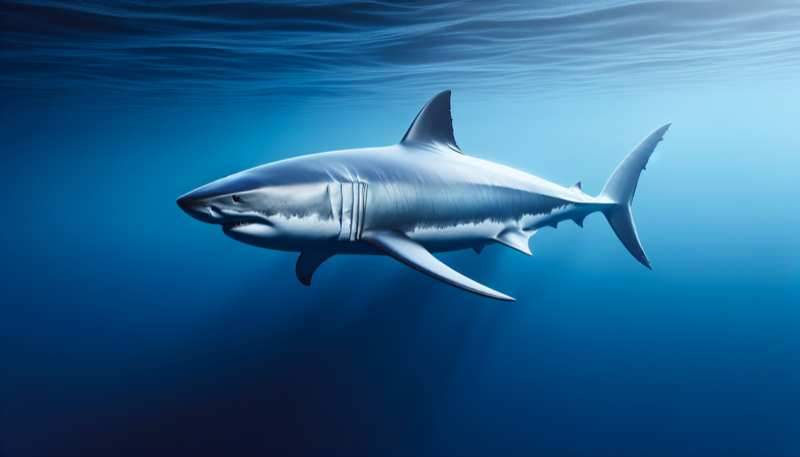
Whale sharks are the undisputed champions, growing up to 12-18 metres and weighing 20,000 kg. Great whites are impressive at 4-6 metres and 1,100 kg, but they're dwarfed by whale sharks. However, great whites possess one of the most powerful bites in the animal kingdom at 4,000 PSI.
Speed & Agility
Great whites are explosive, capable of breaching completely out of the water while hunting seals at speeds up to 40 km/h. Whale sharks cruise at a leisurely 5 km/h, filter-feeding as they go. The great white is a performance machine; the whale shark is a gentle cruise ship.
Hunting Ability
Great white sharks are apex predators with electroreception, acute smell (detecting blood from 5 km away), and devastating attack strategies including breaching ambushes on seals. Whale sharks don't hunt at all — they're filter feeders, consuming plankton, fish eggs, and small fish by processing 6,000 litres of water per hour.
Intelligence
Great whites display curiosity, learning, and complex social hierarchies. They've been observed approaching boats to investigate and can distinguish between different prey types. Whale sharks are less studied behaviourally but show site fidelity and seasonal migration patterns indicating sophisticated navigation.
Where to See Them
Whale sharks are accessible for snorkelling at Ningaloo Reef (Australia), Isla Holbox (Mexico), and the Maldives from March-June. Great white cage diving is best at Gansbaai (South Africa), Guadalupe Island (Mexico), and the Neptune Islands (Australia). Swimming with whale sharks is far more accessible and affordable.
Conservation Status
Whale sharks are Endangered, with populations declining due to ship strikes, bycatch, and targeted fishing in some regions. Great whites are Vulnerable, with an estimated 3,000-5,000 remaining worldwide. Both species are slow to reproduce, making recovery difficult.
Fun Fact
Whale sharks have over 3,000 tiny teeth, but they don't use them for eating. Each tooth is only about 6mm long, and scientists still aren't entirely sure what purpose they serve. The whale shark's mouth, however, can open to 1.5 metres wide — big enough to swallow a small car (though it only wants plankton).
Our Verdict
Swimming alongside a whale shark at Ningaloo Reef (March-July) is one of the most accessible and magical marine wildlife experiences on Earth — suitable for snorkellers of all levels. For great white encounters, Gansbaai in South Africa offers thrilling cage diving year-round, with peak activity from April-September. Both experiences are safe, ethical, and absolutely unforgettable.