Jaguar vs Leopard: Spotted Cats Head to Head
At first glance, jaguars and leopards look almost identical — both are muscular, spotted big cats that haunt the shadows. But look closer, and these cats are built for very different worlds. The jaguar rules the Americas' wetlands and jungles; the leopard is the most widespread big cat, thriving from African savannas to Asian mountains.
Quick Stats
Head-to-Head Comparison
Size & Strength
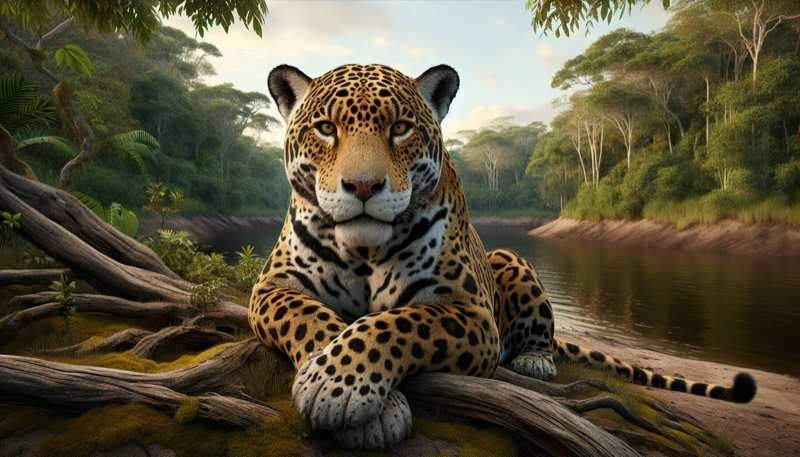
Jaguars are stockier and more powerful, weighing 56-96 kg with a bite force of 1,500 PSI — the strongest of any big cat and enough to pierce turtle shells and caiman skulls. Leopards are leaner at 30-90 kg with a 310 PSI bite. Pound for pound, the jaguar is the strongest cat in the world.
Speed & Agility
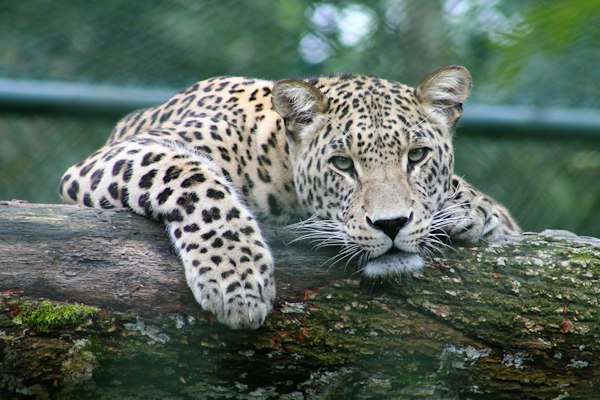
Leopards are faster (58 km/h vs 80 km/h) and far more agile climbers, regularly hauling prey into trees. Jaguars are excellent swimmers but less arboreal. Leopards' combination of speed, climbing, and versatility makes them more agile overall.
Hunting Ability
Jaguars have a unique killing technique — they bite through the skull or spine directly, rather than suffocating prey like other big cats. They routinely hunt caiman, capybara, and even anacondas in water. Leopards are superb ambush predators with incredible versatility in prey selection.
Intelligence
Leopards display exceptional adaptability, thriving in more diverse habitats than any other big cat — from rainforests to deserts, mountains to cities. Jaguars are intelligent hunters but more habitat-dependent on wetlands and dense forest.
Where to See Them
Jaguars are famously elusive. Brazil's Pantanal is the best place on Earth for wild jaguar sightings, especially along the Cuiabá River (June-October). Leopards are visible across Africa and Asia — Sabi Sands (South Africa), Yala (Sri Lanka), and South Luangwa (Zambia) offer the most reliable encounters.
Conservation Status
Jaguars are Near Threatened with 64,000 remaining, but they've lost 50% of their historic range. Leopards are Vulnerable across their range but far more numerous and adaptable. Both face habitat loss and human-wildlife conflict.
Fun Fact
You can tell them apart by their rosettes: jaguar rosettes have small dots inside them, while leopard rosettes are hollow. Jaguars also have noticeably rounder, more massive heads. In areas where both melanistic (black) forms occur, the rosettes are still visible as "ghost markings" in certain light — even black panthers have spots.
Our Verdict
For jaguars, the Brazilian Pantanal (June-October) is the only place offering reliable sightings — riverboat safaris along the Cuiabá River regularly spot jaguars hunting caiman on the banks. For leopards, South Africa's Sabi Sands is unbeatable for close, relaxed sightings. A dream itinerary would pair both destinations for the ultimate spotted cat experience.