Polar Bear vs Grizzly Bear: The Ultimate Bear Showdown
The polar bear rules the Arctic ice; the grizzly commands the mountain forests and salmon rivers of North America. These two bears are among the largest land predators on Earth, and as climate change pushes their ranges closer together, they're even starting to hybridise. Here's how they stack up.
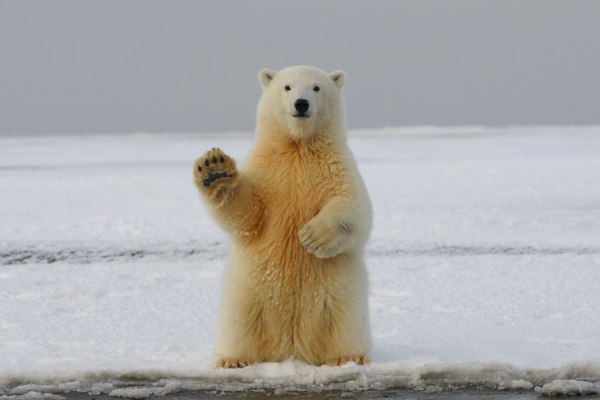
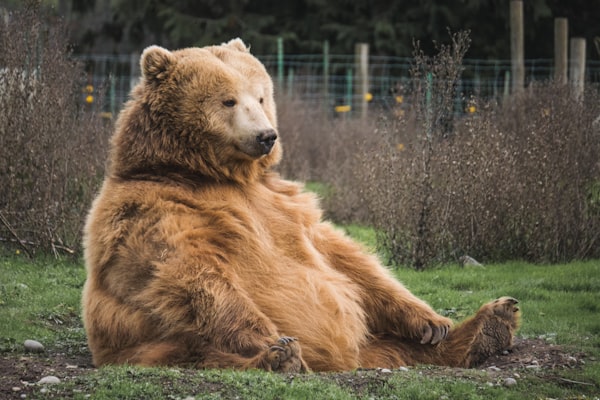
Quick Stats
Head-to-Head Comparison
Size & Strength
Male polar bears are the largest, averaging 450-680 kg compared to the grizzly's 270-360 kg (though coastal brown bears can reach 600+ kg on salmon). Polar bears have massive forepaws designed for breaking through ice and hauling seals out of water. Grizzlies have incredible upper-body strength for digging and fighting.
Speed & Agility
Grizzlies are faster on land, sprinting at up to 56 km/h over short distances — fast enough to outrun a horse. Polar bears can manage 40 km/h but are better swimmers, covering 100+ km of open water. Both are surprisingly agile for their size.
Hunting Ability
Polar bears are true carnivores, relying almost entirely on seal hunting. They wait at breathing holes for hours, demonstrating extraordinary patience. Grizzlies are omnivores with a broader diet — salmon, berries, roots, and occasionally moose or elk calves. Polar bears are the more dedicated hunter.
Intelligence
Both bears are highly intelligent. Grizzlies display remarkable problem-solving ability and memory, returning to exact fishing spots year after year. Polar bears have been observed covering their dark noses with snow while hunting seals — though this is debated among researchers.
Where to See Them
Churchill, Manitoba is the polar bear capital of the world, with peak viewing in October-November as bears gather along Hudson Bay. Grizzlies are best seen during salmon runs at Katmai National Park (Alaska) from July-September, or in Yellowstone year-round. Grizzly viewing is generally more accessible and affordable.
Conservation Status
Polar bears are Vulnerable with 22,000-31,000 remaining, and their sea-ice habitat is shrinking rapidly due to climate change. Grizzly bears are Least Concern globally, though some southern populations are threatened. The polar bear's long-term future is one of conservation's greatest challenges.
Fun Fact
Grolar bears (or pizzly bears) — hybrids of polar bears and grizzlies — have been confirmed in the wild. As Arctic ice retreats, the two species' ranges increasingly overlap. At least eight confirmed hybrids have been documented since 2006.
Our Verdict
For polar bears, Churchill (Manitoba) offers a once-in-a-lifetime experience with tundra buggy tours during the October-November season. For grizzlies, Katmai National Park in Alaska during the July-September salmon run is the gold standard — watching bears catch leaping salmon at Brooks Falls is unforgettable. Adventure travellers should consider doing both in consecutive years.