Snow Leopard vs Bengal Tiger: Asia's Big Cats
Asia is home to two of the world's most magnificent big cats — the snow leopard, the phantom of the high Himalayas, and the Bengal tiger, the undisputed ruler of the Indian jungle. One is an icon of mystery; the other is an icon of power. Here's how they compare.
Quick Stats
Head-to-Head Comparison
Size & Strength
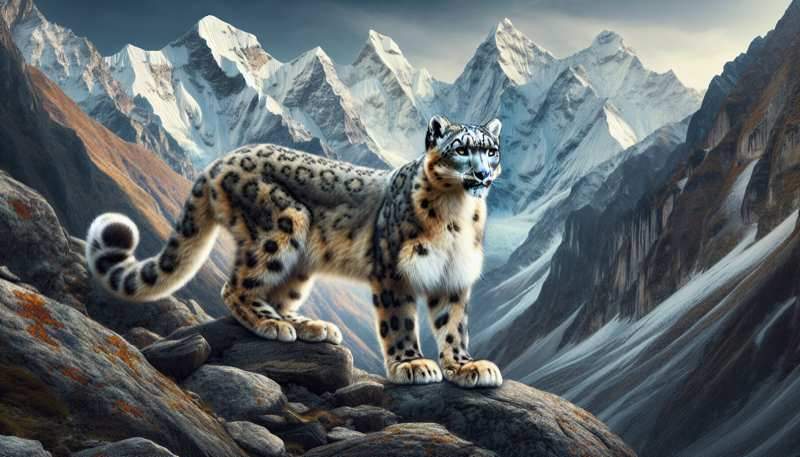
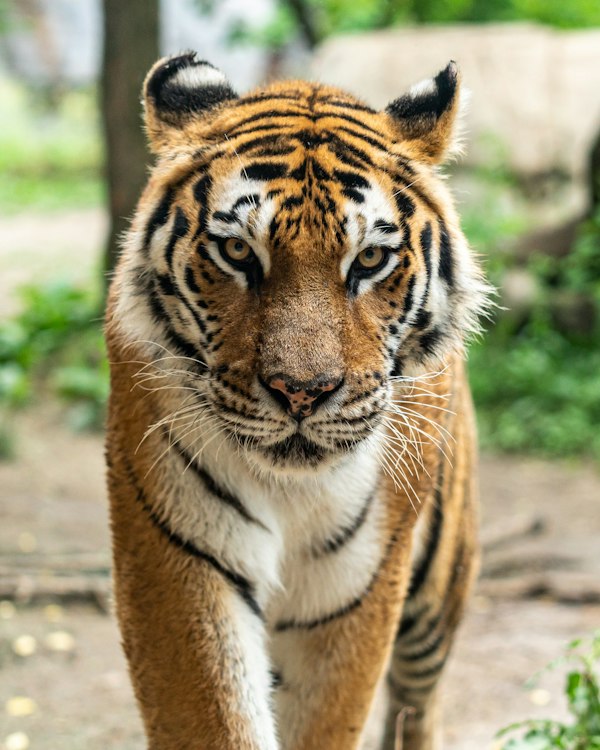
Bengal tigers are far larger — males weigh 180-260 kg versus the snow leopard's 22-55 kg. Tigers are among the strongest cats, capable of dragging prey twice their weight. Snow leopards are built for a different world — lighter and more compact, with enormous paws that act as natural snowshoes and a metre-long tail for balance on cliffsides.
Speed & Agility
Snow leopards are possibly the most agile big cats, capable of leaping 15 metres horizontally and 6 metres vertically across Himalayan cliff faces. They navigate near-vertical terrain with astonishing grace. Tigers are powerful sprinters (65 km/h) but in rocky mountain terrain, the snow leopard is unmatched.
Hunting Ability
Tigers are powerful ambush predators that take prey as large as gaur (900+ kg). Snow leopards hunt blue sheep (bharal) and ibex across some of the most challenging terrain on Earth, ambushing prey on cliffsides where one wrong step means death. Both are extraordinary hunters adapted to their environments.
Intelligence
Both cats display sophisticated hunting strategies. Tigers are patient stalkers with excellent spatial memory. Snow leopards demonstrate remarkable problem-solving in navigating high-altitude terrain and have been observed using terrain features strategically during hunts. Both avoid humans effectively.
Where to See Them
Snow leopards are among the world's hardest animals to see — Hemis National Park (Ladakh, India) and Kibber in Spiti Valley offer the best chances during winter (January-March). Bengal tigers are more accessible at Ranthambore, Bandhavgarh, and Kanha national parks in India, with reasonable sighting rates.
Conservation Status
Snow leopards are Vulnerable with 4,000-6,500 remaining across 12 Central and South Asian countries. Bengal tigers are Endangered with approximately 3,700 in the wild. Both face poaching and habitat loss, but India's tiger conservation efforts have shown encouraging population increases.
Fun Fact
Snow leopards can't roar. Unlike the four "roaring" big cats (lion, tiger, jaguar, and leopard), snow leopards have a partially ossified hyoid bone that prevents them from roaring. Instead, they produce a unique, haunting call called a "prusten" — a soft, puffing sound also made by tigers as a friendly greeting.
Our Verdict
For Bengal tigers, Ranthambore National Park offers the most reliable sightings in a stunning ruined-fort landscape — October to April is best. For snow leopards, a winter trek to Ladakh's Hemis National Park (January-March) is the ultimate wildlife challenge. Snow leopard treks typically run 7-10 days with no guarantee of a sighting, but the Himalayan scenery and the chance of spotting a ghost cat make it one of the world's great wildlife adventures.