Madagascar vs Galapagos: The Ultimate Endemic Species Showdown
Madagascar and the Galapagos are the two greatest showcases of evolutionary isolation on Earth. Madagascar separated from Africa 80 million years ago and produced lemurs, chameleons, and baobabs found nowhere else. The Galapagos inspired Darwin's theory of natural selection with species that evolved without fear of humans. Both are utterly unique.
Head-to-Head Comparison
Unique Species
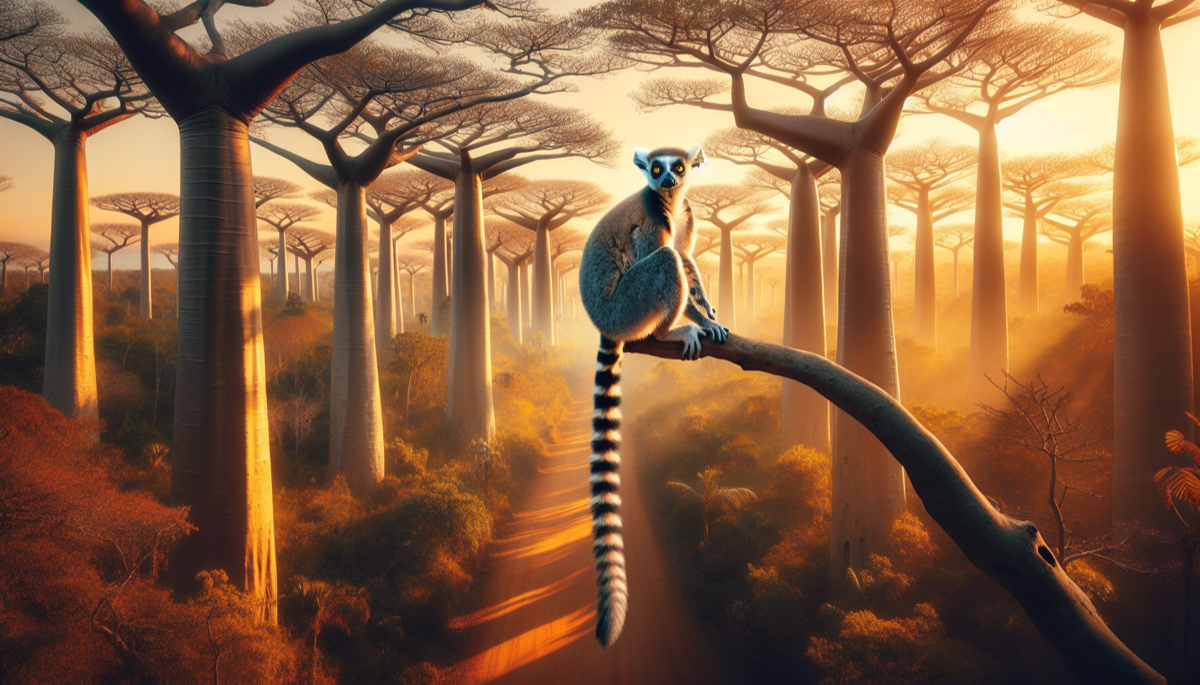
Over 90% of wildlife is endemic. 100+ lemur species, nearly half the world's chameleons, baobab trees, mantella frogs. Unmatched endemism.
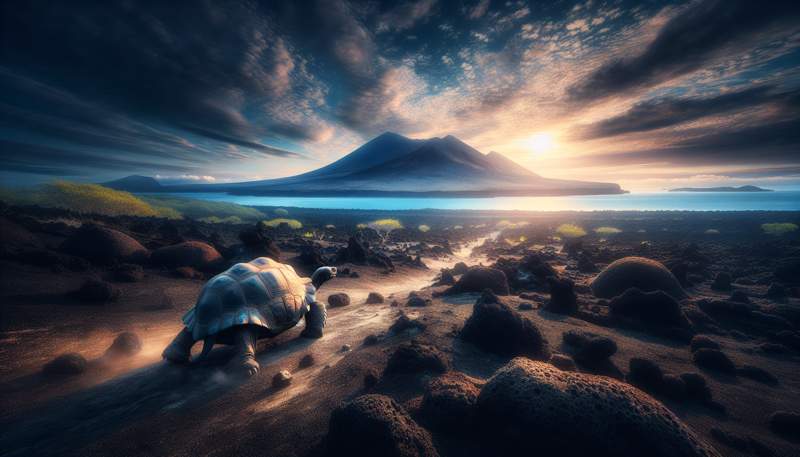
Giant tortoises, marine iguanas, blue-footed boobies, flightless cormorants, Darwin's finches. Many species exist only here.
Value for Money
Budget-friendly. Hotels from $20/night. Guided treks from $30-80/day. Domestic flights reasonable. Total trip $1,000-2,500 for two weeks.
Expensive. Park fee $100. Cruises $3,000-8,000/week. Flights to Ecuador plus domestic. Budget trips start around $2,500/person.
Accessibility
Fly into Antananarivo from Paris, Nairobi, or Johannesburg. Domestic flights unreliable. Roads often poor. Internal travel is slow and challenging.
Fly to mainland Ecuador, then domestic flight. Visitor numbers capped. Well-organised cruise and land-based itineraries. Book ahead.
Photography
Lemurs are photogenic and approachable. Chameleons make incredible macro subjects. Baobab sunsets are iconic. Dark forest canopy can be challenging.
Animals have zero fear. Get incredibly close for perfect shots. Unique species in volcanic landscapes. Underwater photography outstanding.
Accommodation
Basic to mid-range. Good lodges near popular parks but options thin out quickly. Power cuts and limited hot water in remote areas.
Comfortable cruise cabins and land-based hotels. Well-run operations. Consistent quality. Limited luxury options but reliable standards.
Conservation Impact
Tourism revenue is critical for protecting remaining forest. 90% of original habitat lost. Every visitor helps fund lemur and forest conservation.
Park fees fund strict conservation management. IAATO-style visitor controls. Well-funded protection. Tourism model is sustainable.
Safety
Generally safe with guides. Road conditions poor. Petty theft in cities. Medical facilities limited outside the capital. Travel insurance essential.
Very safe. Well-organised tours with trained naturalist guides. Good medical facilities on inhabited islands. Low crime.
Wildlife Comparison
Madagascar Animals
Galapagos Islands Animals
Quick Facts
Our Verdict
Choose Madagascar for extraordinary endemic diversity, adventure travel on a budget, and lemur encounters unlike anything else on Earth. Choose the Galapagos for a curated, close-up experience with fearless wildlife and world-class snorkeling. Madagascar rewards the adventurous traveller; the Galapagos rewards everyone.