
Destinations
Antarctica Penguin Expedition Planning Guide
Compare Antarctic expedition routes, penguin viewing, ship and landing questions, packing needs, flexible itineraries, and responsible visitor standards.
Read guide →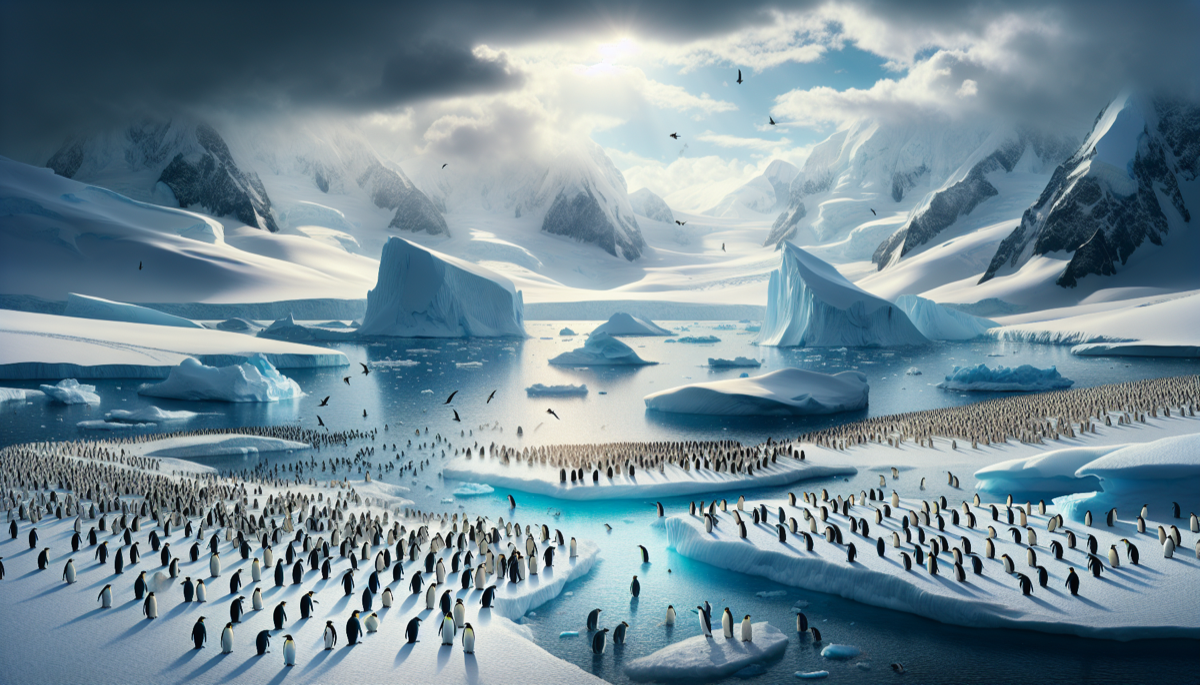
Best time: Choose the route first. Most Peninsula voyages operate in the austral visitor season; Snow Hill is a narrower specialist window and no landing, colony access, species sighting, or route is guaranteed.
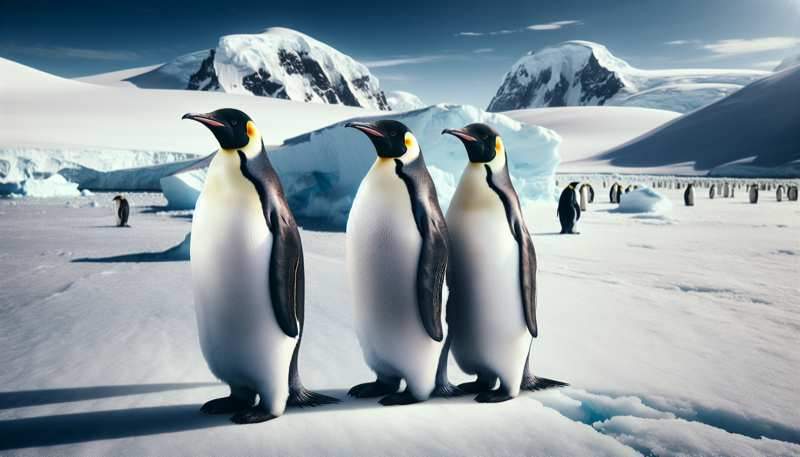
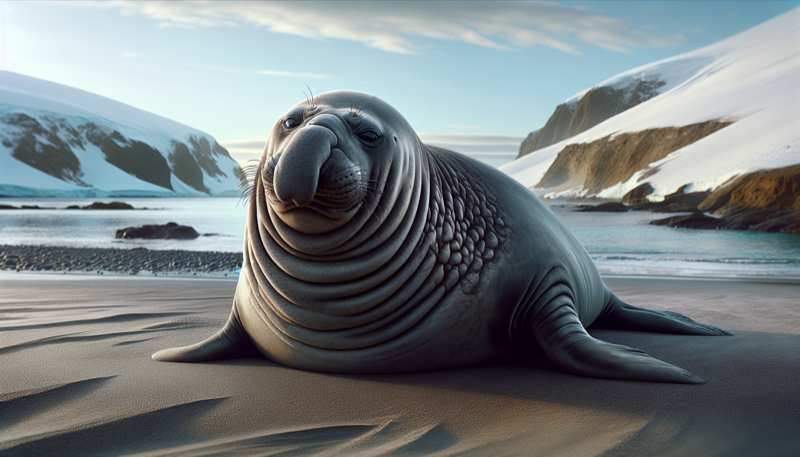
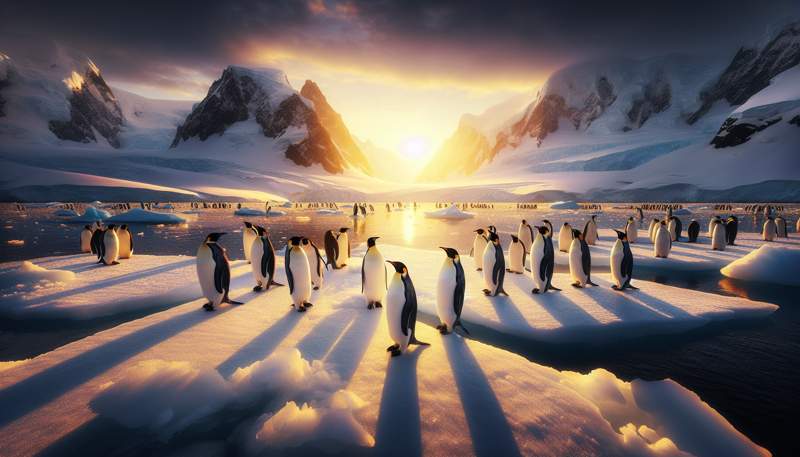
Antarctica is not one interchangeable cruise destination. Most visitors travel by expedition vessel to the Antarctic Peninsula during the austral visitor season, where itineraries may include gentoo, chinstrap, and Adélie penguins, seals, seabirds, whales, sea ice, and historic sites. An emperor penguin colony requires a specialist plan: Snow Hill is the established visitor route, receives relatively few visits, and remains conditional on sea ice, weather, environmental authorisation, vessel and field capability, wildlife response, and safety. Ross Sea journeys are longer and more remote, while an emperor sighting on a general route is incidental. South Georgia is a separate subantarctic island, not part of the Antarctic continent; combine it only when the additional sea days, entry arrangements, biosecurity, cost, and king-penguin or elephant-seal priorities fit the trip.
Ushuaia (USH) is a common ship gateway for Peninsula voyages; Punta Arenas (PUQ) is used by some air-cruise and other products. Specialist Snow Hill or Ross Sea itineraries may use different embarkation plans. Confirm the exact port, charter, baggage limit, check-in, hotel nights, transfer, weather buffer, and missed-departure terms before buying separate flights.
Nearest airport: Route-dependent: Ushuaia (USH) and Punta Arenas (PUQ) are common gateways; confirm the named port or charter before ticketing
Dry season: There is no useful “dry-season guarantee.” Peninsula, Snow Hill, Ross Sea, air-cruise, and deep-field products have different ice, wind, sea, visibility, daylight, wildlife, and landing constraints.
Wet season: A named landing or colony can be changed or cancelled for weather, sea ice, swell, wildlife, permit, health, or safety reasons. A credible itinerary explains alternatives instead of promising a daily checklist.
Temperature: Use the operator's route- and departure-specific packing list plus live forecasts. Temperature alone does not describe wind chill, spray, wet landings, sea state, glare, or time spent stationary outdoors.
Read the current Antarctic visitor guidelines and the operator's route-specific rules. Confirm medical screening, onboard clinical capability, search-and-rescue and evacuation arrangements, insurance requirements and exclusions, vessel certification, emergency equipment, biosecurity, guide ratio, wildlife distances, and contingency plan. Never step onto sea ice or shore without expedition-leader permission.
Tipping: Ask for the operator's current written policy, suggested currency, whether service is included, and how any pool is distributed. A gratuity never buys extra wildlife proximity, an unauthorised landing, or a rule exception.
Local transport: Most tourism is vessel-based. Confirm the ship, flag, Polar Ship Certificate, passenger count, ice class or operational limitations, expedition craft, boarding method, aircraft or helicopter use, luggage rules, and exact gateway. Recreational helicopter activity around wildlife concentrations is policy-sensitive and should not be treated as standard colony access.
Country guides connect this destination with other habitats, species, planning considerations, and responsible-viewing advice.
Habitat guides explain the viewing conditions and conservation pressures shared with similar ecosystems elsewhere.
These editorial guides explain the activity format, physical conditions, animal-welfare questions, and operator checks to make before booking.
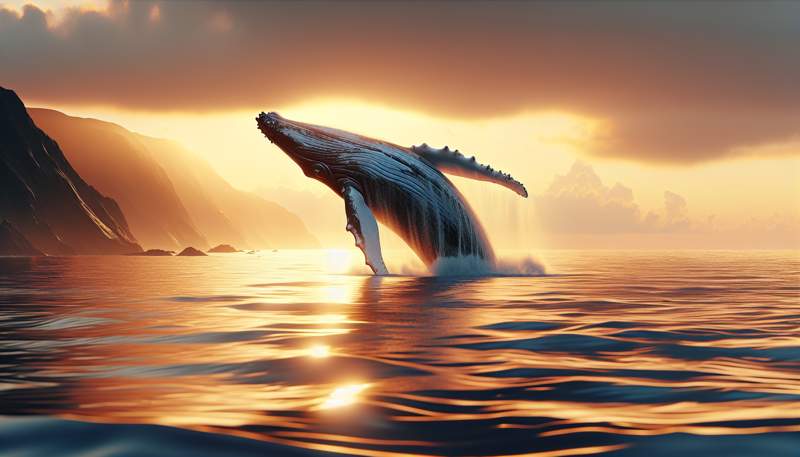
Whale watching can mean a short coastal boat trip, a shore-based migration watch, or several days at sea in a remote region. Success depends on…
Read the responsible guide →Polar wildlife travel covers two different ends of the planet. Arctic trips may search for polar bears, walruses, whales, and tundra wildlife around…
Read the responsible guide →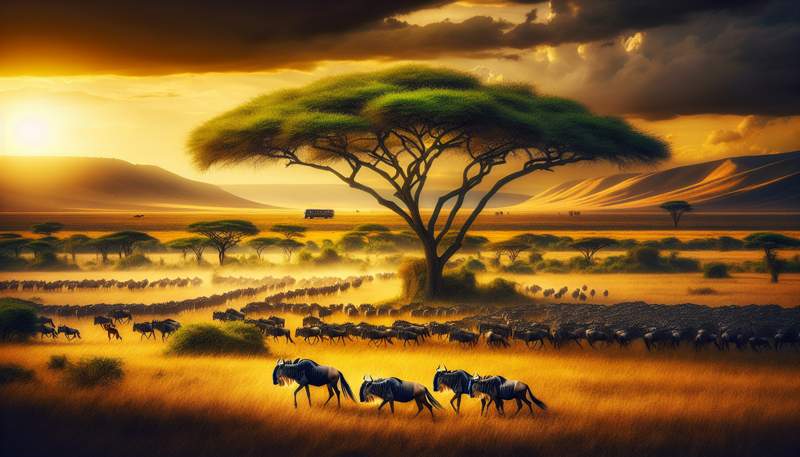
A wildlife photography tour should improve access, fieldcraft, and learning without turning animal welfare into a competition for the closest frame.…
Read the responsible guide →Go deeper on itineraries, seasonal decisions, trip costs, photography, and responsible ways to experience wildlife in this region.
Compare Antarctic expedition routes, penguin viewing, ship and landing questions, packing needs, flexible itineraries, and responsible visitor standards.
Read guide →Current Viator listings matched to this destination. Confirm the itinerary, operator, recent reviews, availability, and cancellation terms before booking.
Build your complete trip with our free trip builder. We'll help you find flights, hotels, and tours.
Build Your Trip →
The planning window currently listed for Antarctica is Choose the route first. Most Peninsula voyages operate in the austral visitor season; Snow Hill is a narrower specialist window and no landing, colony access, species sighting, or route is guaranteed.. Use it as a starting point, not a sighting promise: weather, animal movement, access, and local rules can change. Check current conditions with the relevant park or protected-area authority before booking.
Build a current total for transport, entry fees or permits, guiding, accommodation, meals, insurance, equipment, and taxes. Prices and currencies change too often for a generic daily figure to be dependable. Compare dated quotes with the same inclusions and confirm official fees and cancellation terms before paying.
Our current route note is: Ushuaia (USH) is a common ship gateway for Peninsula voyages; Punta Arenas (PUQ) is used by some air-cruise and other products. Specialist Snow Hill or Ross Sea itineraries may use different embarkation plans. Confirm the exact port, charter, baggage limit, check-in, hotel nights, transfer, weather buffer, and missed-departure terms before buying separate flights. Verify operating schedules, border or entry requirements, road and seasonal access, baggage limits, and transfers with the relevant authorities and providers for your travel dates.
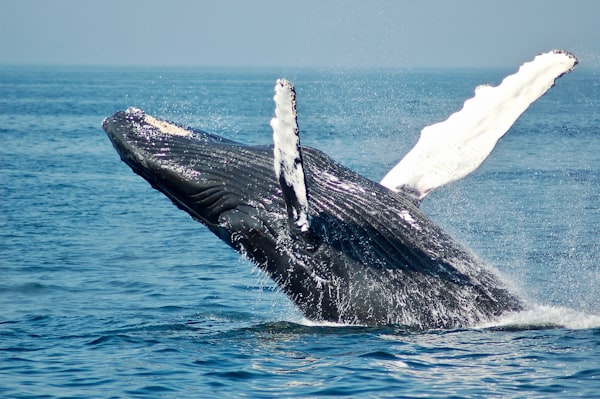
This guide connects Antarctica, Antarctica, with Emperor Penguin, Humpback Whale, Southern Elephant Seal, Orca (Killer Whale). The list is a planning aid rather than a complete inventory or guarantee. Ask a current local authority or responsible operator which species and public areas are realistic for your dates.
Use legal public access and follow the current instructions of park staff, guides, and local communities. Keep a safe distance, never feed, call, chase, or block wildlife, and do not ask for sensitive nesting, den, or release locations. Choose operators that explain group size, viewing rules, community benefit, and what happens when animals move away.

