What to Pack for Okavango Delta
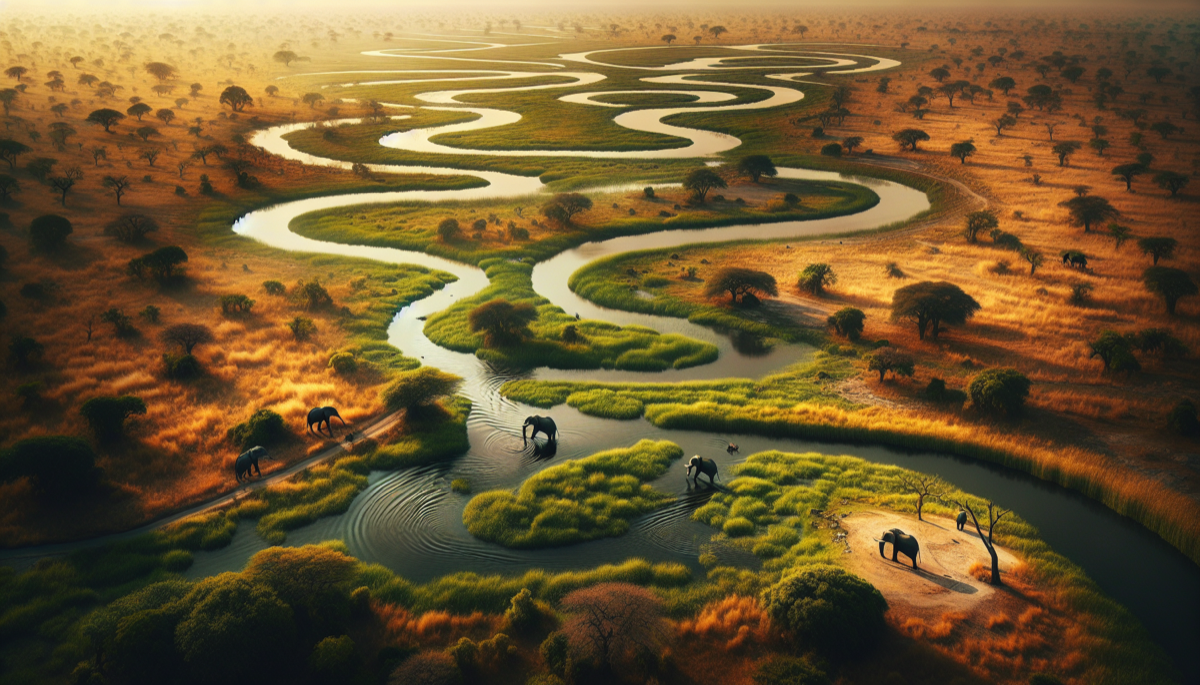
The Okavango Delta is a water-based wilderness where you will alternate between mokoro (dugout canoe) rides, walking safaris on islands, and game drives on dry land. Pack for both wet and dry conditions, with neutral colours for walking safaris and quick-dry fabrics for water activities. Mornings on the water can be surprisingly cool.
Clothing
Khaki, olive, or tan for walking safaris. Avoid bright colours.
Buy on Amazon →Zip-off legs are ideal for switching between mokoro rides and bush walks.
Buy on Amazon →Early morning mokoro trips on the water are cold, especially Jun-Aug.
Buy on Amazon →Essential on open water in a mokoro. Chin strap prevents loss.
Buy on Amazon →Some camps have plunge pools. River swimming is not recommended (hippos, crocs).
Footwear
For walking safaris on delta islands. Ankle support recommended.
Buy on Amazon →For getting in and out of mokoros. Your feet will get wet.
Buy on Amazon →Moisture-wicking to prevent blisters on walking safaris.
Buy on Amazon →For relaxing at the lodge between activities.
Camera & Optics
Wildlife is abundant but not always close. Long lenses help from a mokoro.
Buy on Amazon →Essential for birding. The delta has over 400 bird species.
Buy on Amazon →Water splashes from mokoro travel can ruin equipment.
Buy on Amazon →Remote camps have limited charging. Bring plenty of spares.
Health & Safety
The delta is a high-risk malaria area. Consult your doctor well in advance.
Mosquitoes are very active at dawn and dusk near water.
Buy on Amazon →Open water and flat terrain mean intense sun exposure.
Buy on Amazon →Include antiseptic, plasters, antihistamines, and rehydration salts.
Accessories
Bush camps are unlit. Red light mode avoids disturbing wildlife.
Buy on Amazon →Remote delta camps rely on solar power with limited charging.
Buy on Amazon →Stay hydrated. Most camps provide filtered water refills.
Buy on Amazon →Protect electronics and documents during mokoro transfers.
Buy on Amazon →Botswana uses South African-style round 3-pin plugs.
🎒 Don't Forget!
- Check luggage limits — internal/charter flights often have strict 15–20 kg limits for soft bags only.
- Pack a small daypack — essential for carrying water, camera, and sunscreen on excursions.
- Wear your heaviest items — boots and jackets worn on the plane save luggage weight.
- Leave room for souvenirs — pack at 80% capacity so you can bring treasures home.
- Photograph your documents — store copies of passport, insurance, and permits in your phone and email.
Shop Your Gear
Get everything you need from our trusted partners
Continue Planning
More guides for your Okavango Delta trip
What to Pack for Okavango Delta FAQ
Pack neutral-coloured layers, a warm fleece for cold mornings, waterproof jacket, strong insect repellent, and binoculars. Sunscreen and a hat are essential.
Waterproof boots are recommended for mokoro excursions and walking safaris through potentially wet terrain. Comfortable camp shoes are useful for evenings.
A 200 to 500mm lens is ideal for wildlife from vehicles and boats. A wide-angle lens captures the beautiful waterway landscapes.
Neutral, muted colours are essential for walking safaris. Avoid bright colours. Long sleeves and trousers protect against sun and insects.