Find Wildlife by Country
Move from a country idea to its animals, habitats, protected areas, seasonal considerations, and responsible ways to visit.
Countries Are Starting Points, Not Single Seasons
A wildlife season rarely applies to an entire country. Rainfall, altitude, water, migration, sea conditions, and access can differ between habitats at the same time.
Each guide below connects our existing species and destination data with practical planning and responsible-viewing advice. We only publish a country route when the underlying guides provide enough useful coverage.
Wildlife Guides for Africa
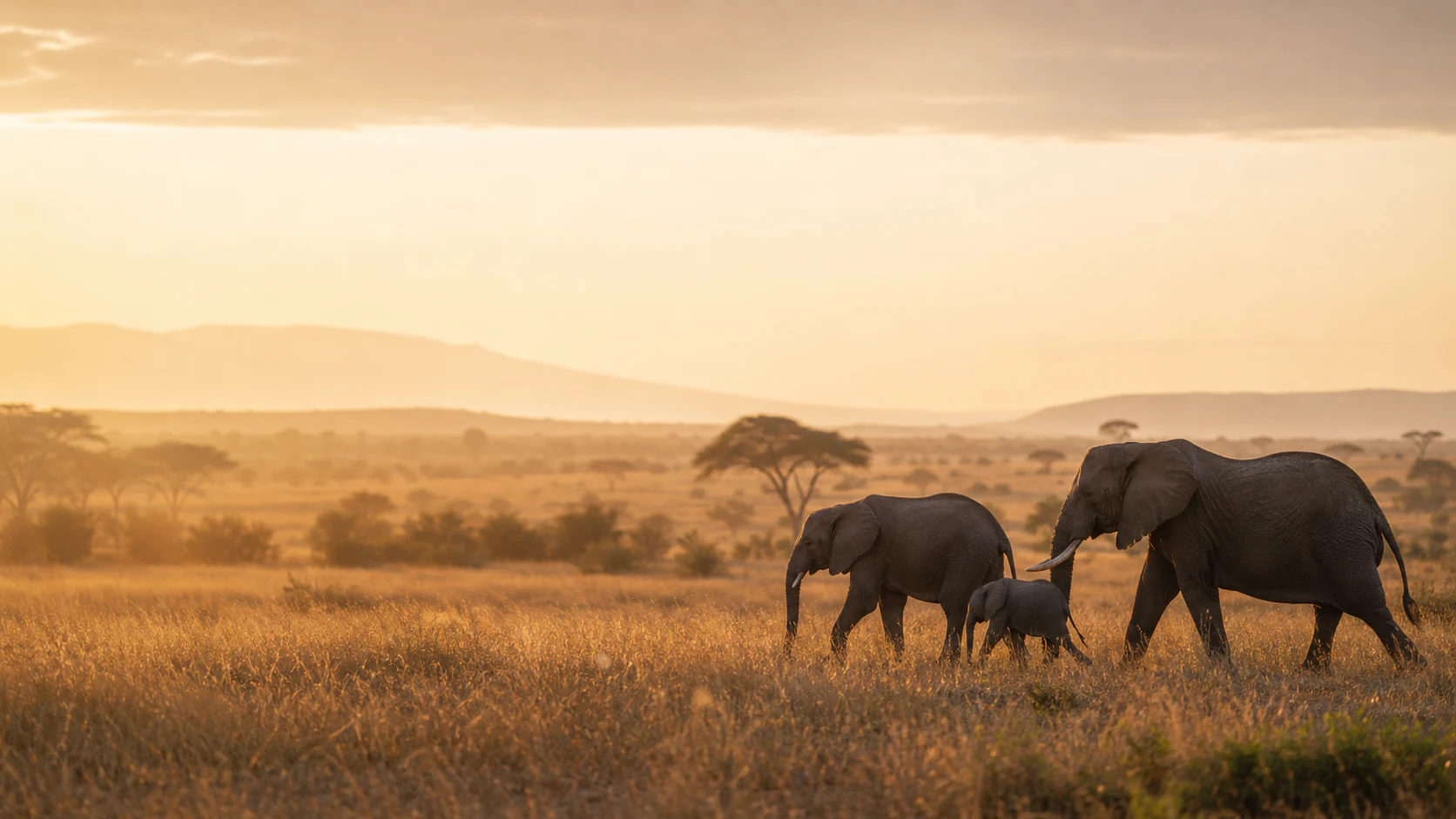
Wildlife in Tanzania
Tanzania combines the Serengeti migration system, the Ngorongoro highlands, southern safari circuits, Indian Ocean coastline, and forested mountains. It suits travellers who want several habitats in one trip without losing sight of a priority species or migration season.
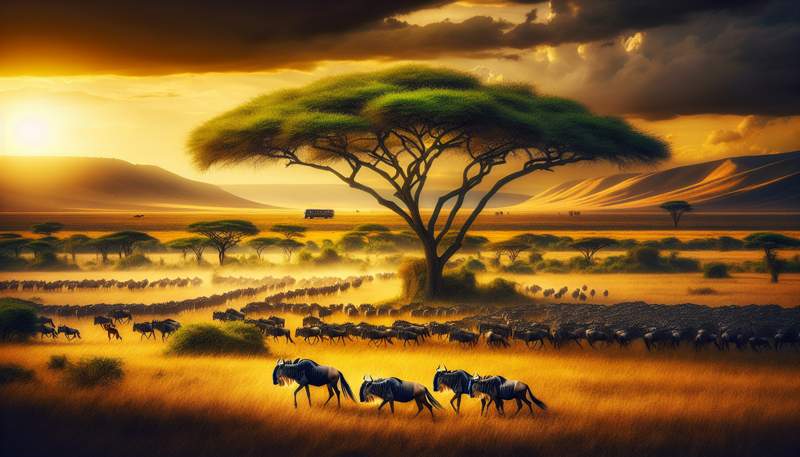
Wildlife in Kenya
Kenya links the Masai Mara grasslands with Amboseli wetlands, northern conservancies, Rift Valley lakes, forests, and an Indian Ocean coast. The range makes it possible to combine familiar safari species with community conservancies, birding, and slower landscape-led travel.
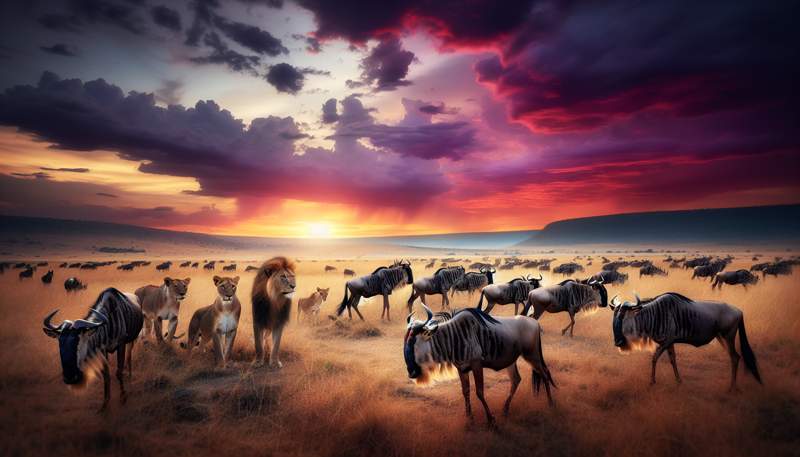
Wildlife in South Africa
South Africa offers self-drive national parks, private reserves, seasonal whale watching, seabird colonies, mountains, fynbos, and accessible city gateways. It is a practical choice for travellers who want to combine wildlife with a broader road trip.
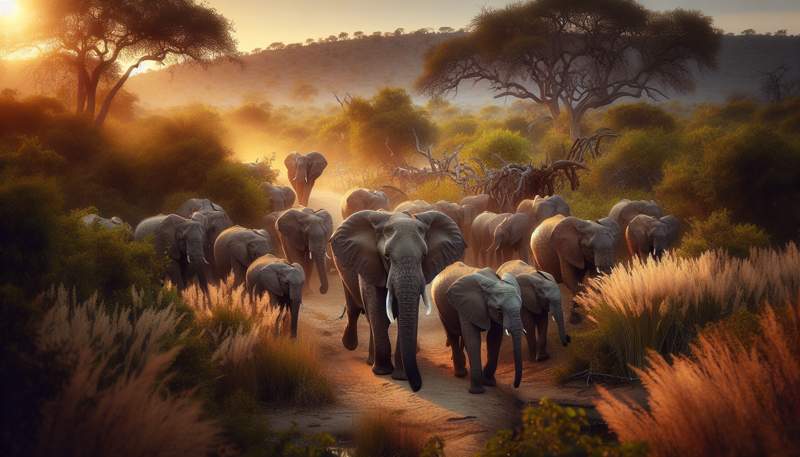
Wildlife in Botswana
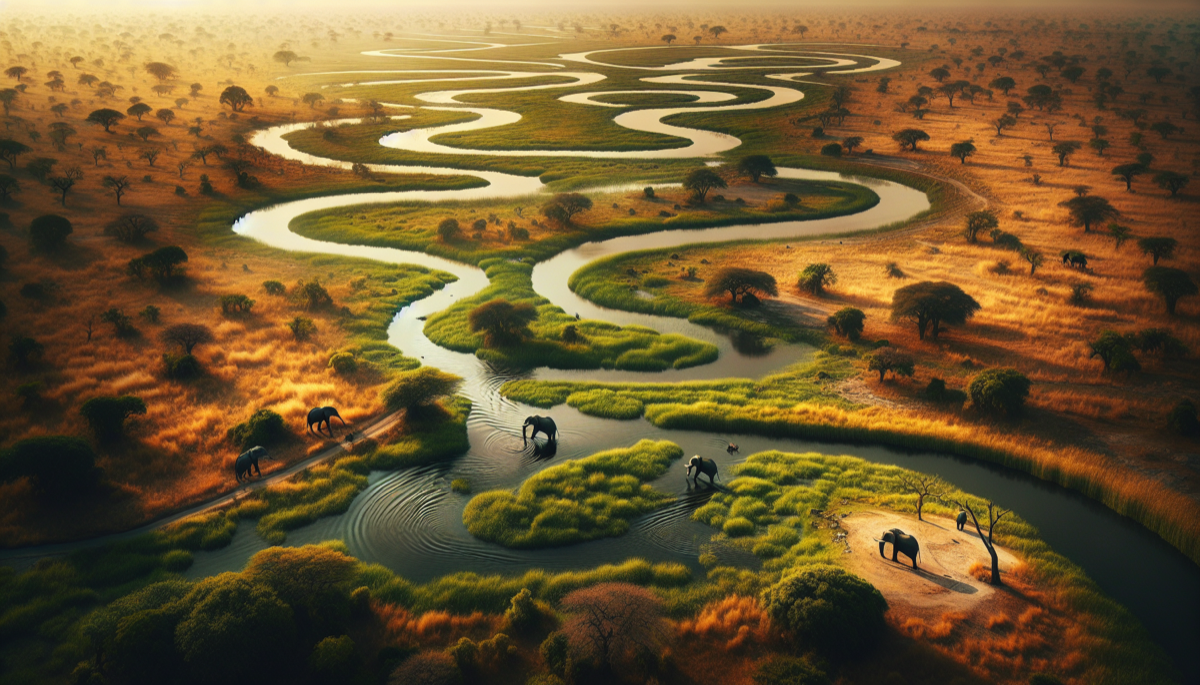
Botswana is shaped by the Okavango Delta, Chobe riverfront, Kalahari, salt pans, and large unfenced wildlife landscapes. Trips can combine water-based viewing with conventional game drives and dry-country species.
Wildlife in Namibia
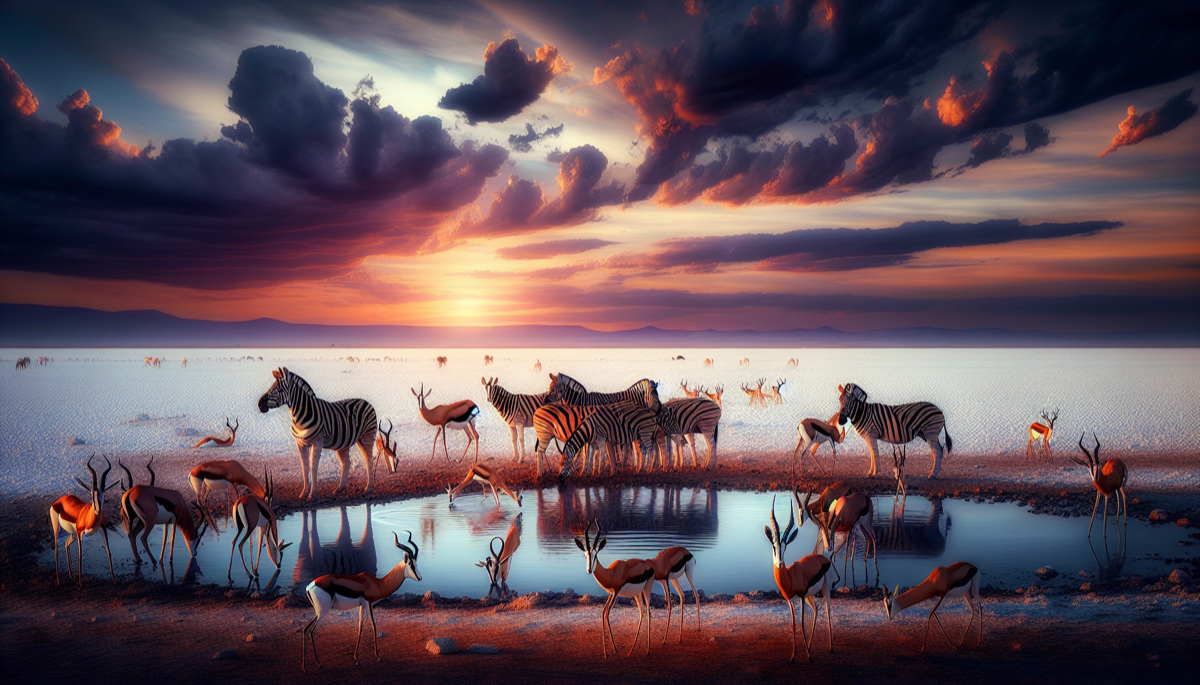
Namibia combines Etosha waterholes, Namib desert landscapes, rugged northern conservancies, Atlantic coastline, and species adapted to arid conditions. Wildlife is often encountered across huge distances rather than concentrated into a short park circuit.

Wildlife in Zambia
Zambia is associated with walking safaris, river valleys, seasonal floodplains, and large protected areas such as South Luangwa. It appeals to travellers who value guiding, tracking, and time in a single ecosystem over a rapid checklist.
Wildlife in Zimbabwe
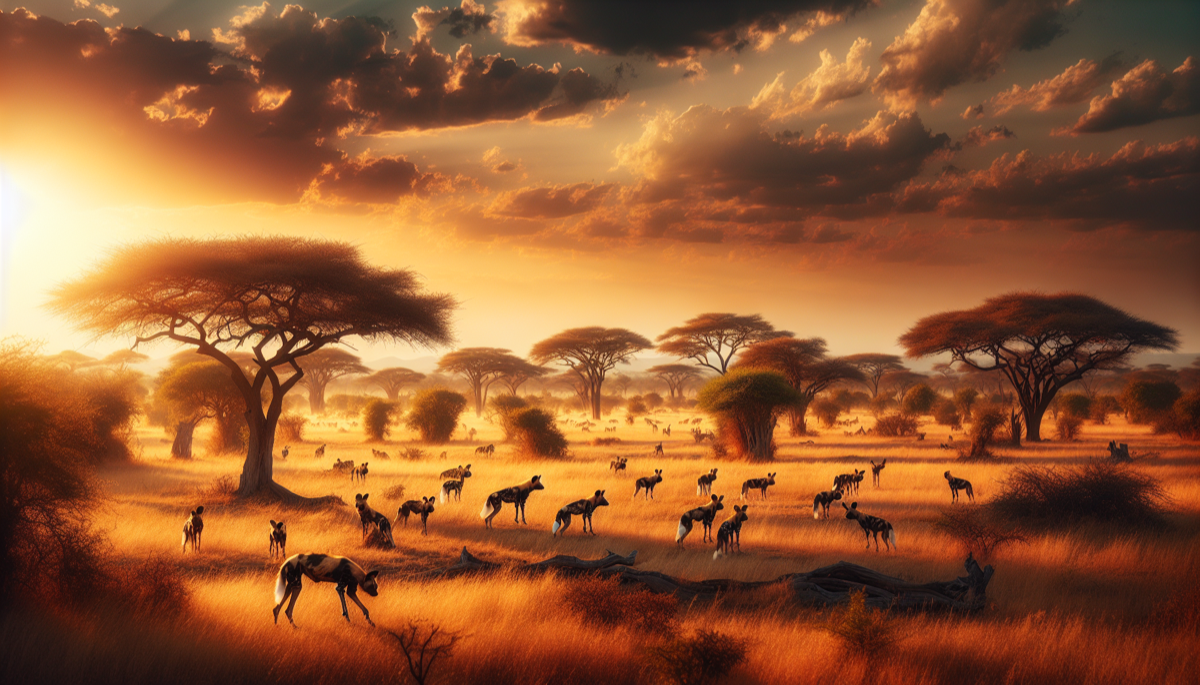
Zimbabwe includes Hwange woodlands, Zambezi river systems, seasonal pans, and guided safari areas where walking and hides can complement vehicle viewing. The country works especially well for travellers interested in elephants, predators, and fieldcraft.
Wildlife in Uganda
Uganda connects Albertine Rift forests, mountain gorilla habitat, savannas, wetlands, and major lakes. Primate trekking is the best-known experience, but a realistic itinerary can also include birds, chimpanzees, and conventional safari species.
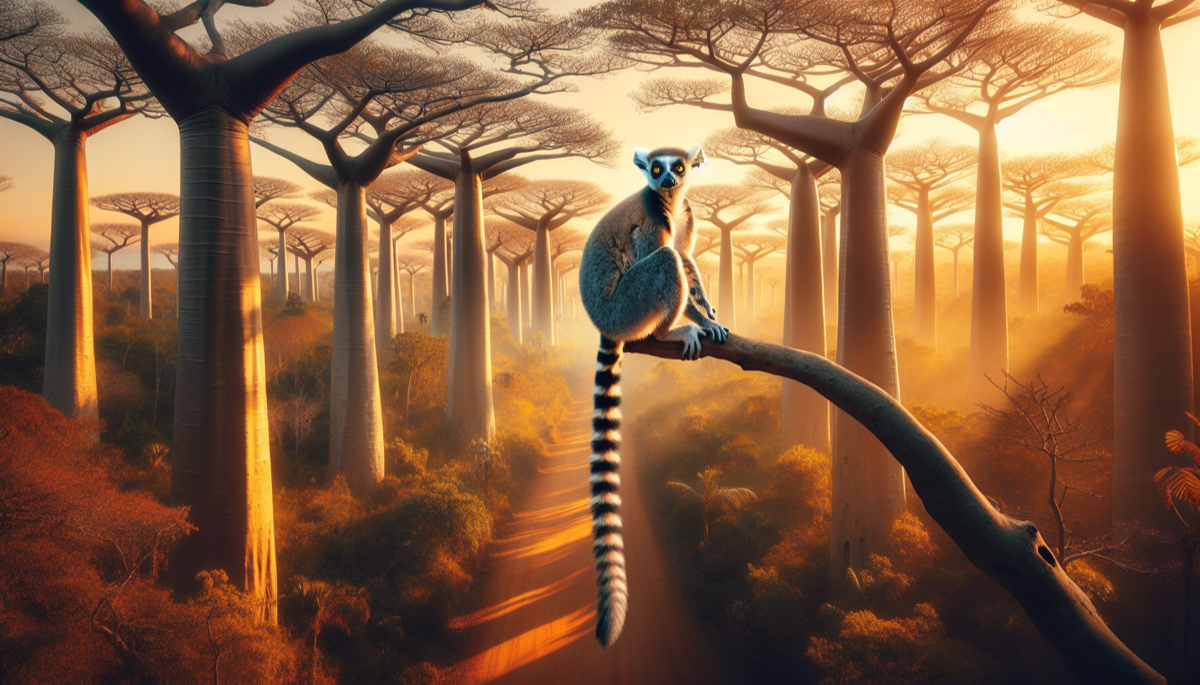
Wildlife in Madagascar
Madagascar is an island biodiversity destination where lemurs, chameleons, frogs, birds, and unusual plants vary sharply between rainforests, dry deciduous forests, spiny country, and coast. Travel is best planned around regions rather than a single nationwide circuit.
Wildlife Guides for Asia
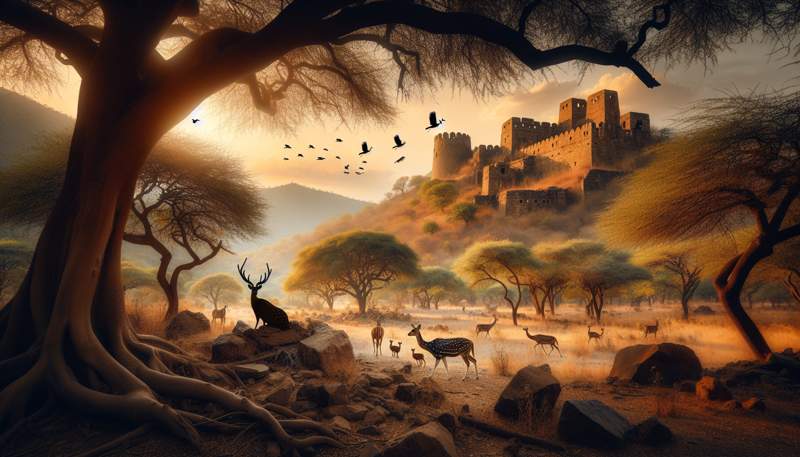
Wildlife in India
India supports tigers, elephants, rhinoceroses, lions, leopards, bears, primates, birds, and marine wildlife across forests, grasslands, deserts, wetlands, mangroves, and Himalayan landscapes. National-park rules and viewing systems differ by state and reserve.
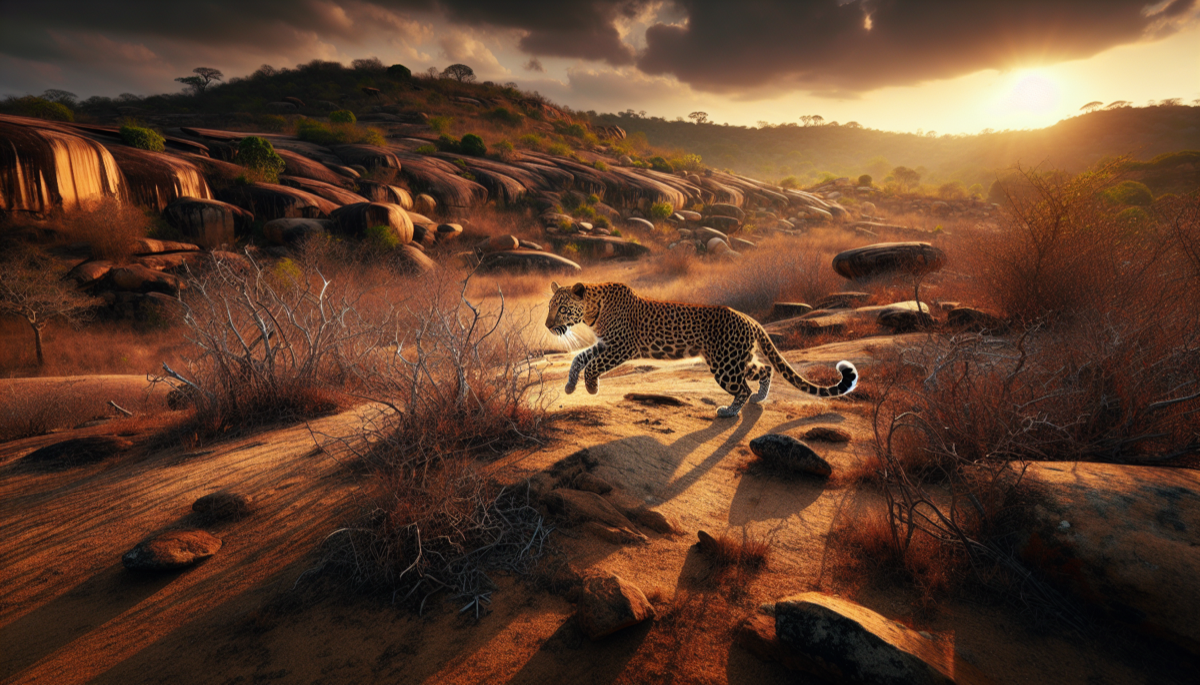
Wildlife in Sri Lanka
Sri Lanka brings elephants, leopards, sloth bears, primates, birds, and offshore whales into a compact island with dry-zone parks, rainforest, highlands, wetlands, and coast. Short map distances can still involve slow roads and busy park gates.
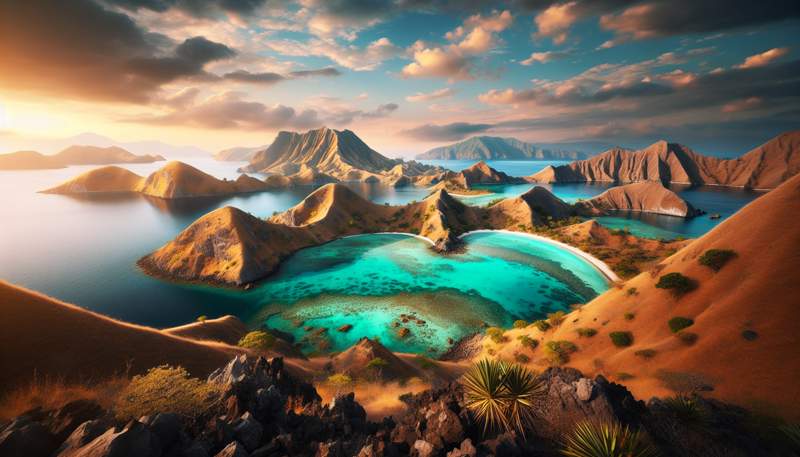
Wildlife in Indonesia
Indonesia spans thousands of islands with orangutan forests, Komodo dragon habitat, coral reefs, mangroves, volcanic landscapes, and marine migration routes. Borneo, Sumatra, Komodo, and eastern reef regions are separate journeys rather than easy additions to one itinerary.

Wildlife in Malaysia
Malaysia offers rainforest, mangrove, mountain, river, and reef wildlife across the peninsula and Malaysian Borneo. Sabah and Sarawak are important bases for orangutans, primates, hornbills, pygmy elephants, and nocturnal forest species.

Wildlife Guides for North America
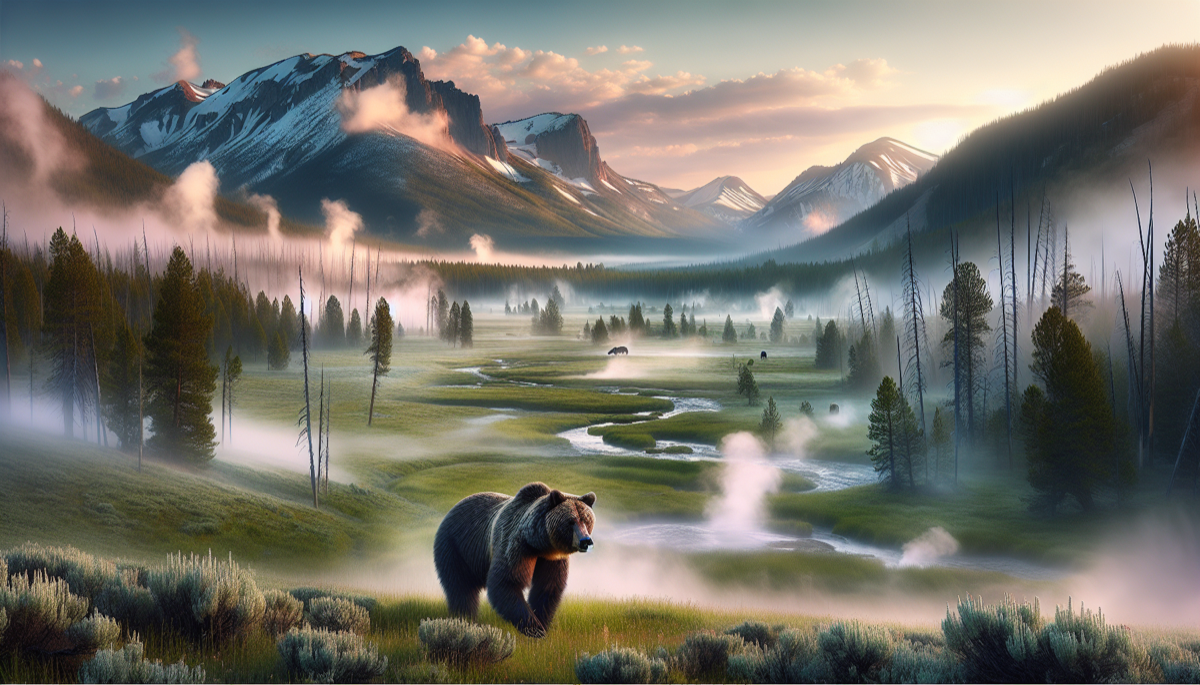
Wildlife in United States
The United States has wildlife routes through national parks, Arctic tundra, wetlands, deserts, forests, mountains, islands, and extensive coastlines. Yellowstone and Alaska are major draws, but regional refuges and marine sanctuaries broaden the possibilities.
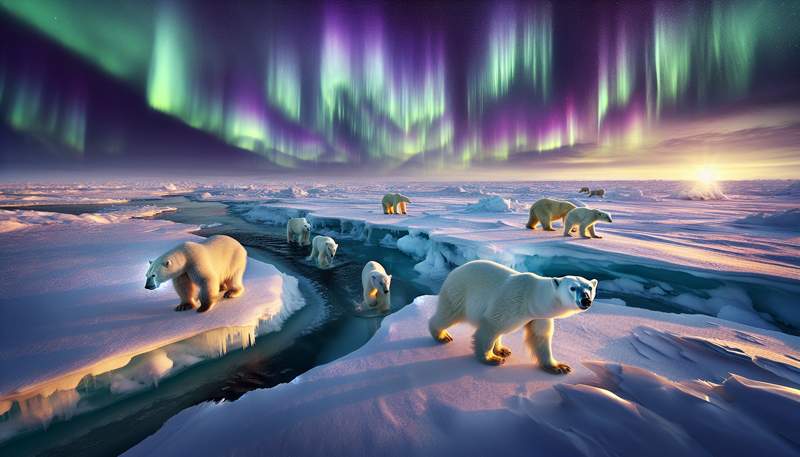
Wildlife in Canada
Canada covers Arctic tundra, boreal forest, prairie, mountains, wetlands, and three ocean coasts. Wildlife journeys range from polar bears and belugas near Churchill to bear viewing, whale watching, and national-park road trips.
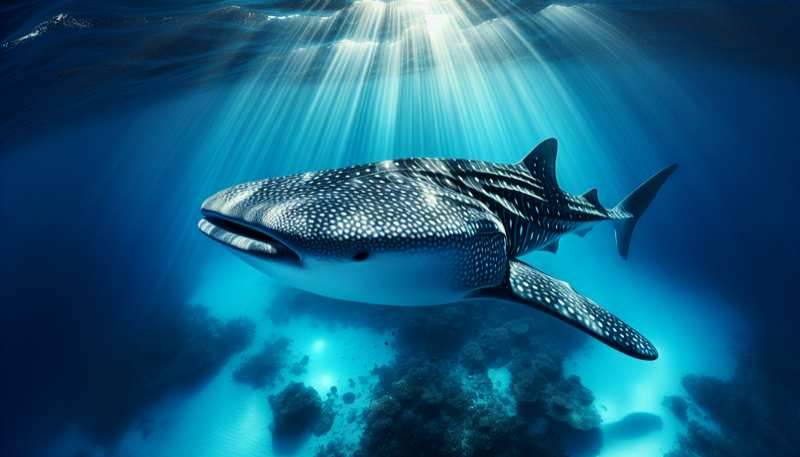
Wildlife in Mexico
Mexico supports whale sharks, gray whales, monarch migrations, sea turtles, reef wildlife, desert species, and tropical-forest biodiversity across two long coastlines and varied highlands. Each experience has its own narrow geography and operating season.

Wildlife in Costa Rica
Costa Rica packs rainforest, cloud forest, mangrove, dry forest, wetlands, and two coasts into a relatively small country. Sloths, monkeys, frogs, birds, turtles, and marine wildlife reward slow walks and knowledgeable naturalist guides.
Wildlife Guides for South America

Wildlife in Ecuador
Ecuador links Amazon rainforest, Andean cloud forest and highlands, Pacific coast, and the Galapagos Islands. These regions require different transport, equipment, guides, and conservation expectations despite belonging to one country.
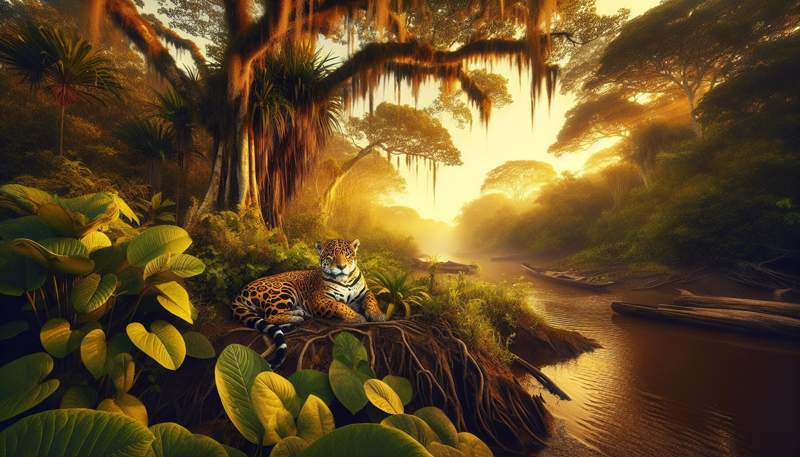
Wildlife in Brazil
Brazil contains much of the Amazon basin, the Pantanal wetland, Atlantic Forest, cerrado, coast, and extensive river systems. Jaguar trips are concentrated in specific Pantanal corridors, while rainforest wildlife often rewards sound, tracks, and patient guiding rather than easy mammal sightings.

Wildlife in Peru
Peru combines Amazon headwaters, Andean highlands, cloud forest, desert coast, and Pacific marine systems. Rainforest lodges and Andean wildlife routes are logistically distinct, so the most useful itinerary is built around habitat rather than headline distance.
Wildlife Guides for Europe
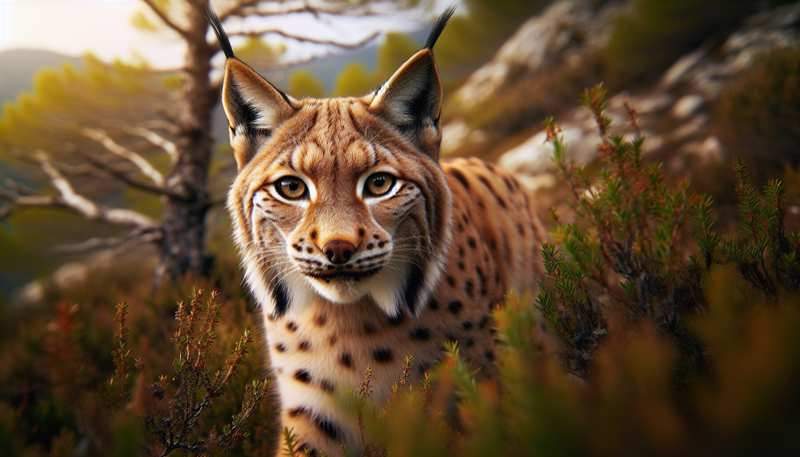
Wildlife in Spain
Spain connects Mediterranean scrub and dehesa with wetlands, Atlantic coasts, mountain ranges, islands, and steppe. For Iberian lynx travel, the useful starting points are public protected landscapes and visitor infrastructure, not sensitive population maps or social-media sighting pins.
Wildlife in Portugal
Portugal combines the Guadiana Valley lynx-reintroduction landscape with Atlantic estuaries, cork-oak country, mountains, islands, and a long marine coastline. Wildlife planning works best at a regional scale, with public protected-area information checked before travel.

Wildlife in Norway
Norway offers mainland forests, mountains, fjords, seabird coasts, whale routes, and the high-Arctic Svalbard archipelago. Mainland wildlife trips and polar expeditions have very different costs, access, safety requirements, and environmental limits.