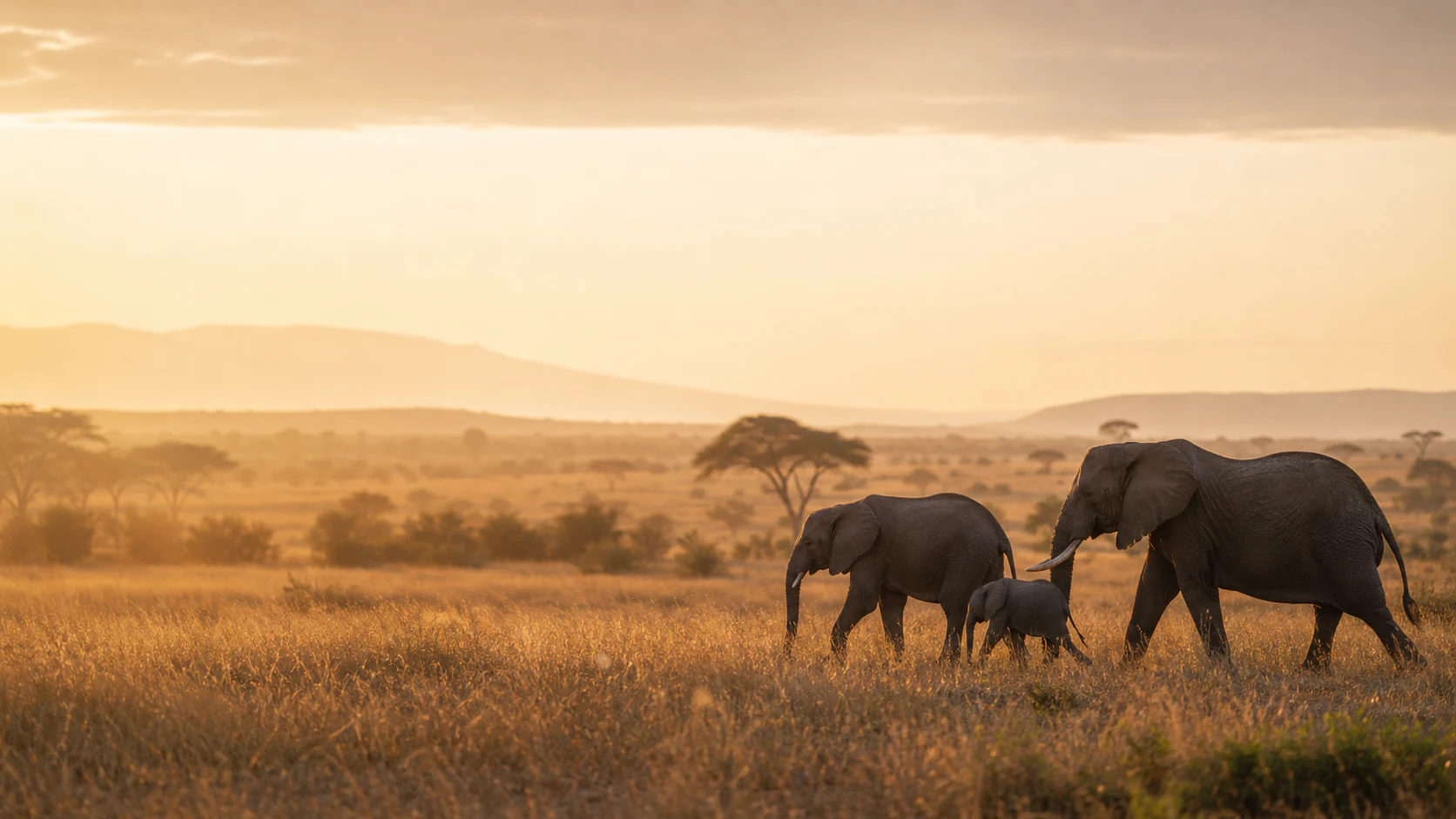
Responsible Wildlife Experiences
11 field guides that explain what an experience involves, where to do it, what to ask an operator, and how to reduce pressure on wildlife.
Find the Right Way to Watch Wildlife
A place and an animal are only part of the decision. Vehicle design, water conditions, trail difficulty, guide practice, group size, permits, and wildlife rules determine what a trip actually feels like.
These guides sit between inspiration and booking. They connect each activity to relevant species, destinations, habitats, conservation context, and live tour listings without presenting any wild sighting as guaranteed. Use them to form better questions, then confirm current local regulations and operating details before paying.
Safari Wildlife Experiences
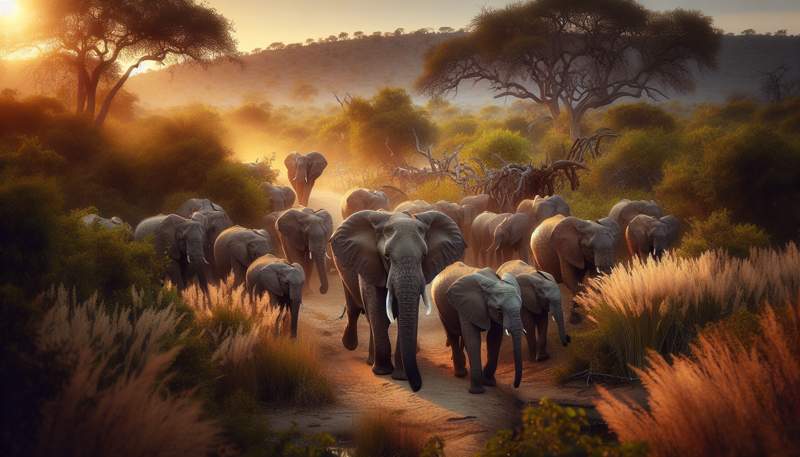
Safari Game Drives
A game drive uses a vehicle to explore protected landscapes with a guide or, where rules allow, as a self-drive visitor. It is the most accessible way to cover large savanna and…
Open planning guide →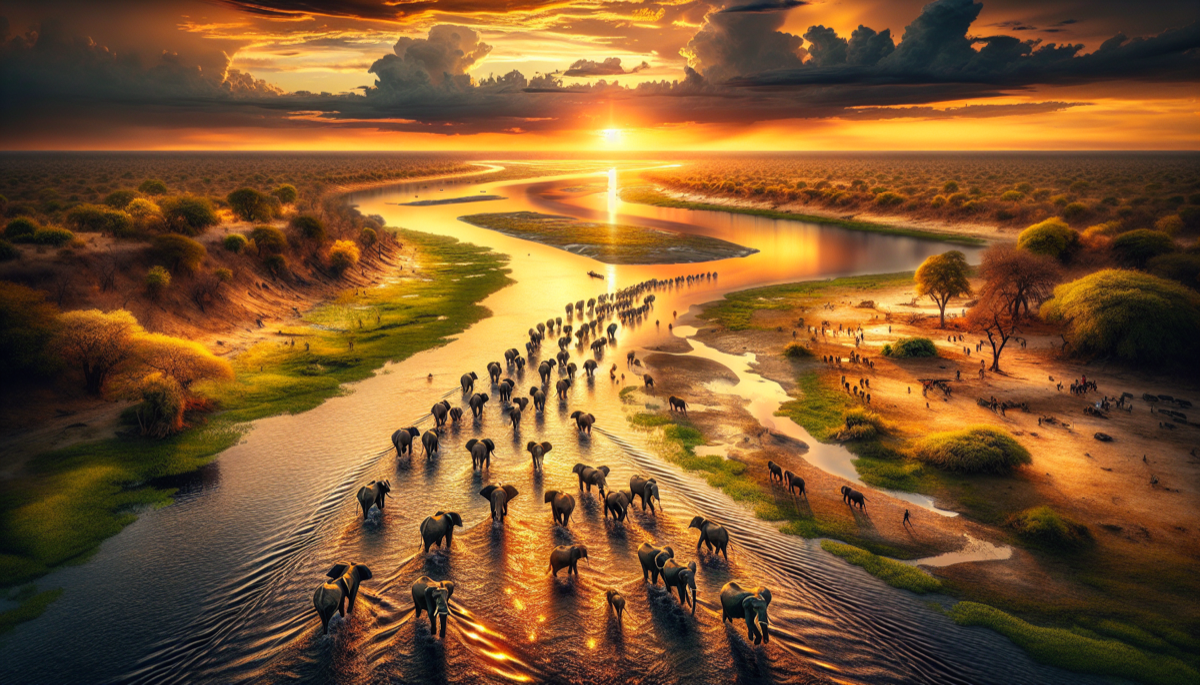
River and Boat Safaris
River and wetland safaris reveal wildlife that roads cannot reach. Trips range from quiet canoe or mokoro outings to motorboat searches for elephants, hippos, jaguars, primates,…
Open planning guide →
Walking Safaris
A walking safari shifts attention from covering distance to reading an ecosystem at ground level. Tracks, dung, plants, insects, alarm calls, wind, and animal behaviour become the…
Open planning guide →Forest Wildlife Experiences
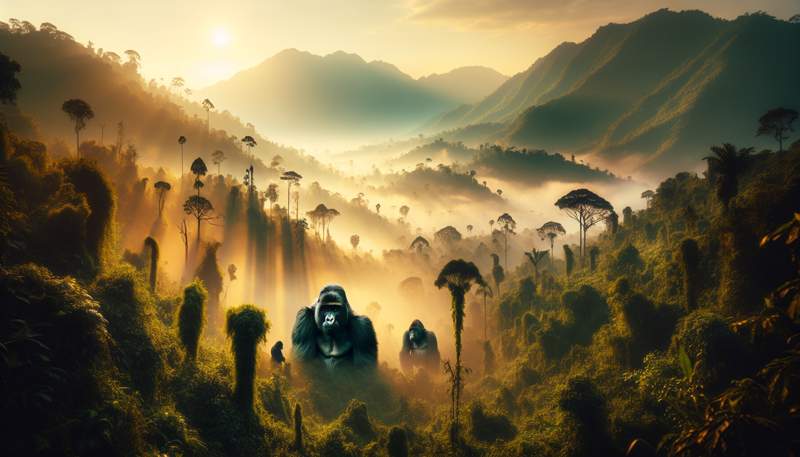
Gorilla Trekking
Gorilla trekking is a guided forest visit to a habituated gorilla group under a permit system. The walk may be short or may involve hours on steep, wet, uneven ground; the encounter…
Open planning guide →
Orangutan Trekking
Orangutan trips range from guided walks near rehabilitation landscapes to multi-day rainforest journeys and river-based wildlife expeditions. The word “trekking” can therefore describe…
Open planning guide →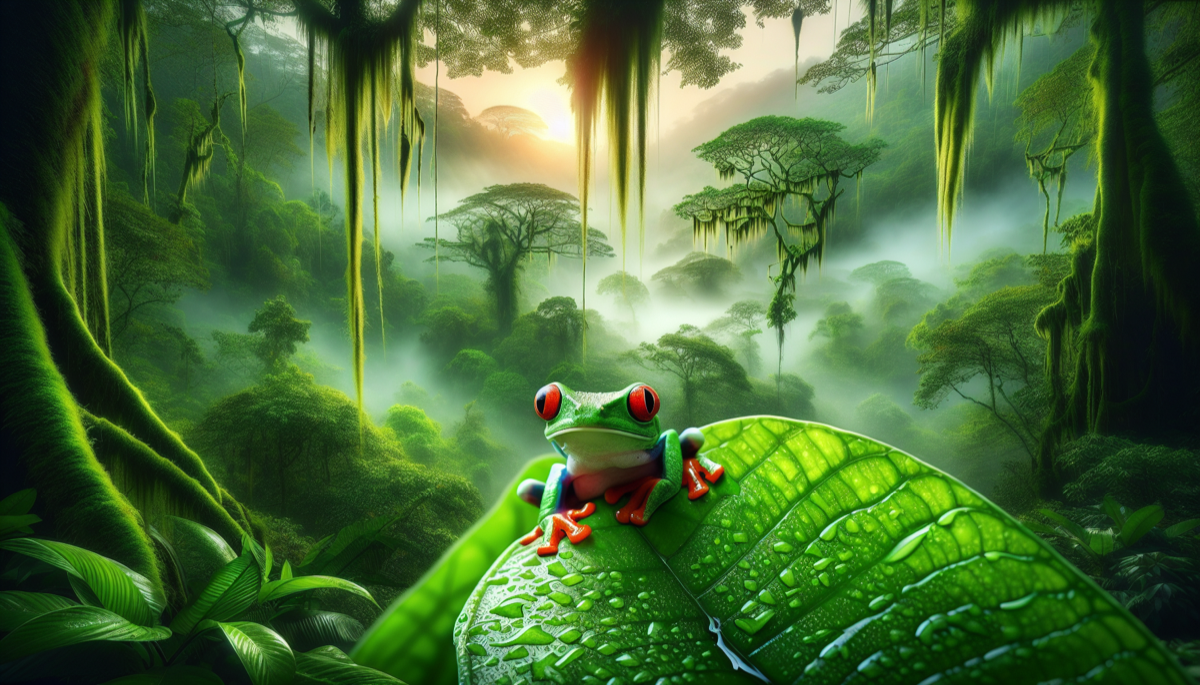
Rainforest Wildlife Tours
Rainforest wildlife trips reward attention to sound, movement, tracks, fruit, and forest layers more than long-distance vistas. A guide may locate monkeys, sloths, frogs, birds,…
Open planning guide →Marine Wildlife Experiences
Whale Watching
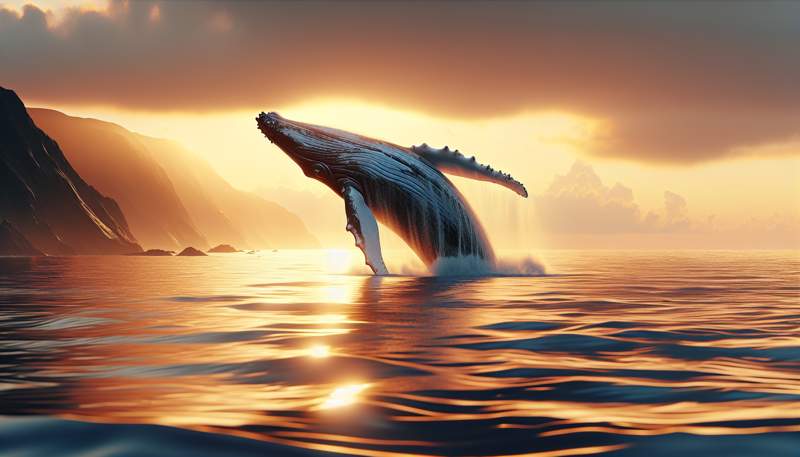
Whale watching can mean a short coastal boat trip, a shore-based migration watch, or several days at sea in a remote region. Success depends on choosing the right place and seasonal…
Open planning guide →
Whale Shark Snorkeling
A whale shark swim is usually a boat-based snorkelling encounter in a place where seasonal feeding or movement makes sightings possible. The animal is a wild shark, not an attraction…
Open planning guide →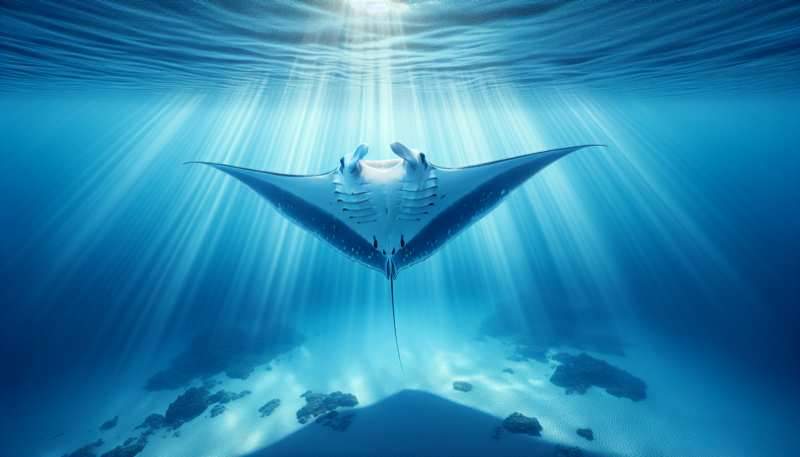
Manta Ray Snorkeling & Diving
Manta encounters take several distinct forms: snorkelling beside a natural feeding aggregation, observing a cleaning station while scuba diving, holding a central surface position at a…
Open planning guide →

Responsible Is a Practice, Not a Label
“Eco,” “ethical,” and “conservation” are not substitutes for a written animal-welfare policy. Check group limits, guide qualifications, approach rules, community benefit, permits, safety, and exactly what happens when an animal moves away. A credible operator can explain both the positive contribution and the unavoidable impact of the trip.