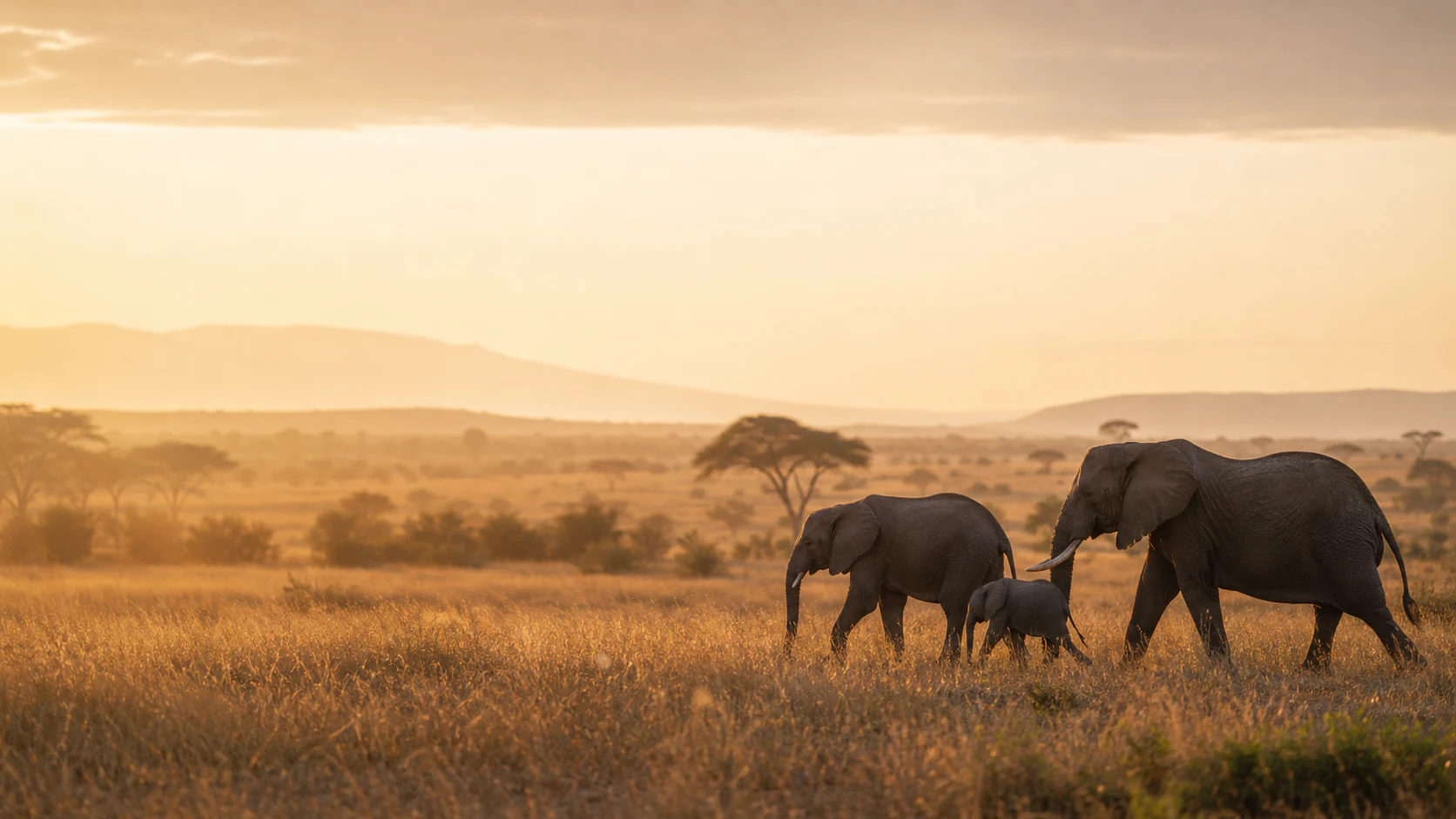
Explore Wildlife Around the World
Start with a continent, discover the animals that live there, then compare destinations, seasons, tours, and ways to protect them.
Start With Geography or Habitat
Different questions need different routes. Choose a continent for broad inspiration, a country for trip planning, or a habitat to understand the ecosystem.
Browse by Continent
Compare the major wildlife experiences, species, destinations, and planning patterns across each world region.
Choose a continent →Browse by Country
Connect animals and protected areas with country-specific logistics, habitats, responsible viewing, and nearby alternatives.
Explore countries →Browse by Habitat
Discover how savannas, rainforests, reefs, wetlands, mountains, forests, polar regions, and deserts shape wildlife.
Explore habitats →Browse by Experience
Compare safaris, trekking, marine encounters, forest trips, polar expeditions, and specialist photography tours.
Explore experiences →Wildlife by Continent
Seven hand-built regional guides connect species to real places and practical ways to visit responsibly.
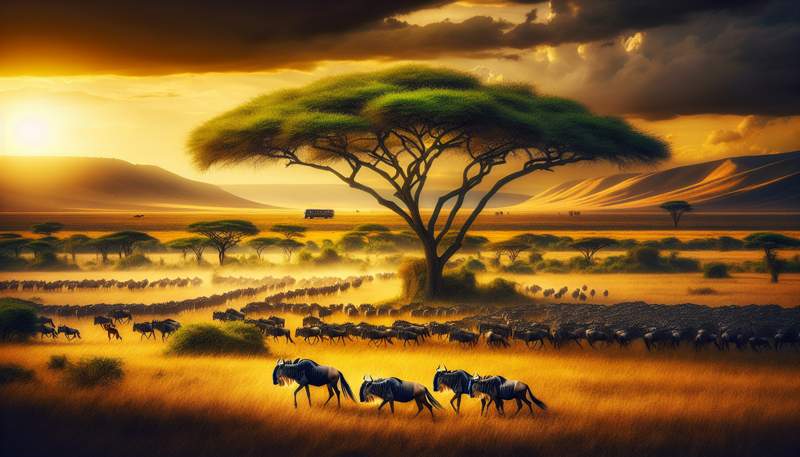
Wildlife in Africa
Africa offers the broadest range of classic wildlife trips, from savanna game drives and walking safaris to rainforest primate treks and Indian Ocean encounters. Its major protected areas connect animal viewing with locally guided tourism, conservation fees, and community-owned camps.
Explore Africa →
Wildlife in Asia
Asia spans tropical rainforest, high mountain, desert, mangrove, and island ecosystems. Wildlife journeys range from searching for tigers in Indian reserves and orangutans in Borneo to tracking snow leopards in the Himalaya and visiting the only wild Komodo dragons.
Explore Asia →
Wildlife in Europe
Europe rewards slower, habitat-led wildlife travel. Forests, wetlands, mountain ranges, islands, and northern seas support bears, wolves, bison, seabirds, whales, and seasonal migrations, often within reach of rail-connected towns and established national parks.
Explore Europe →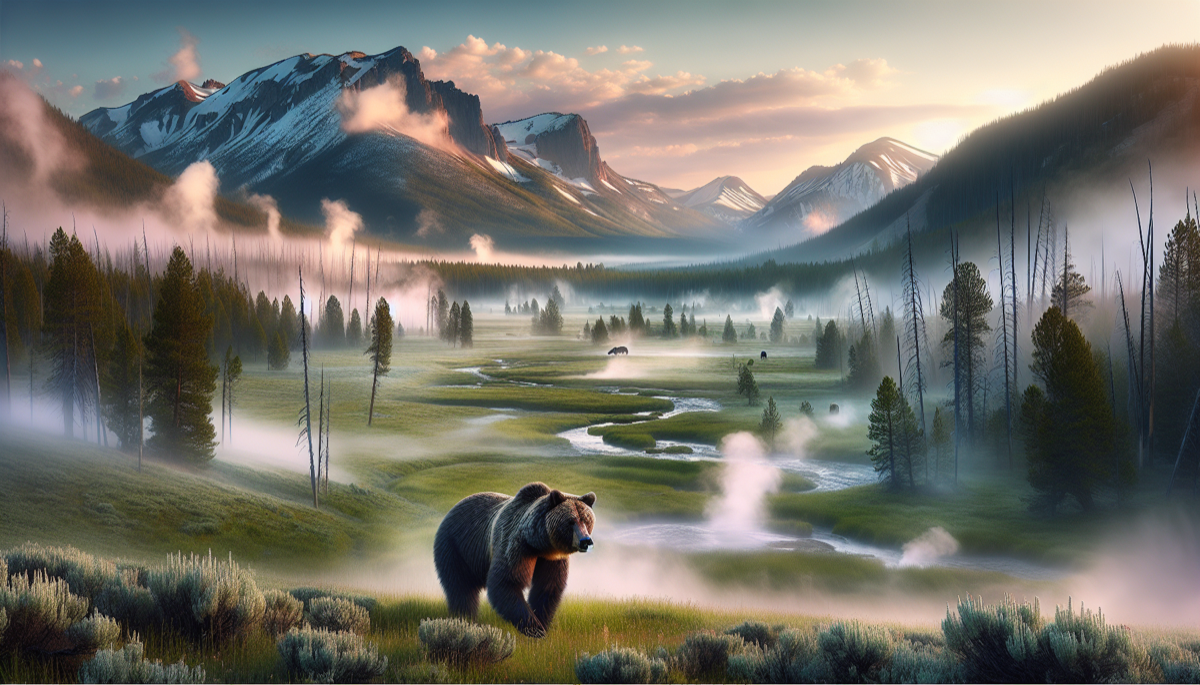
Wildlife in North America
North America combines accessible national parks with remote Arctic and marine expeditions. Visitors can look for bears, wolves, bison, and elk in large protected landscapes, or plan seasonal trips for polar bears, whales, sea turtles, and coastal wildlife.
Explore North America →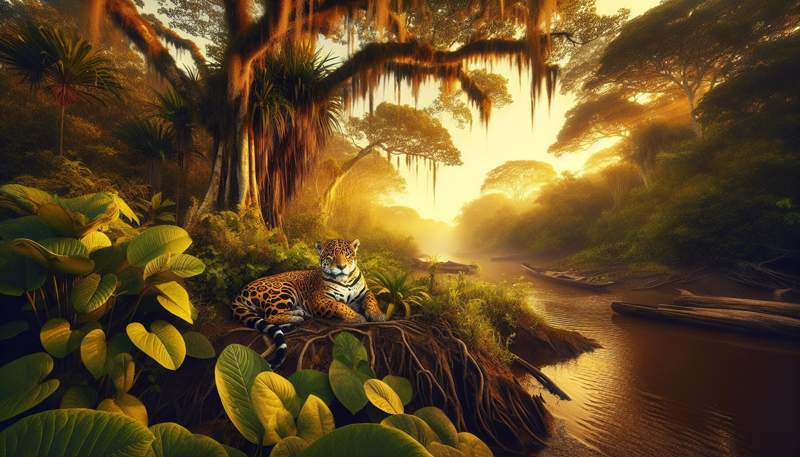
Wildlife in South America
South America connects wetlands, rainforest, Pacific islands, Andean and Patagonian landscapes, and Atlantic marine breeding areas. A northern Pantanal jaguar boat route, a Tambopata rainforest stay, a regulated Galápagos itinerary, and a Península Valdés marine trip are different journeys with different gateways, skills, seasons, rules, and sighting uncertainty.
Explore South America →
Wildlife in Oceania
Oceania is defined by island evolution and vast marine habitats. Australia and the Pacific offer marsupials, monotremes, reef wildlife, seabirds, and seasonal whale migrations, with many experiences possible as guided day trips from regional bases.
Explore Oceania →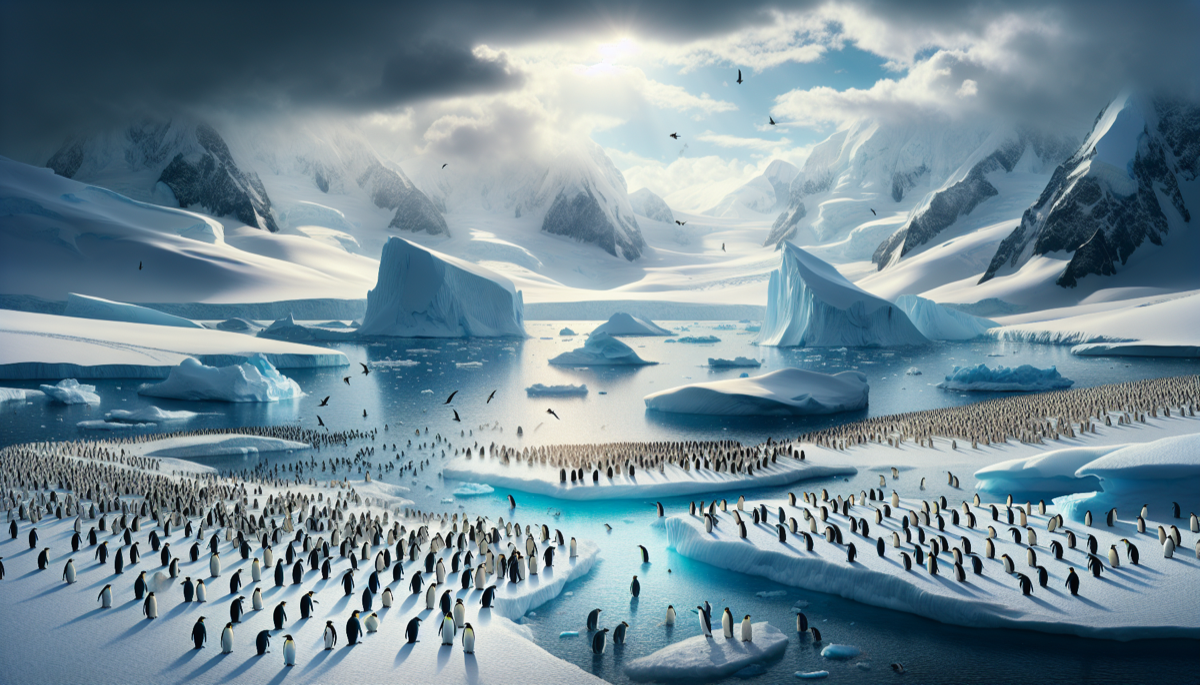
Wildlife in Antarctica
Antarctic wildlife travel is an expedition experience built around penguin colonies, seals, whales, seabirds, sea ice, and rapidly changing weather. Most visitors reach the Antarctic Peninsula by ship, with wildlife opportunities determined by the voyage route and conditions.
Explore Antarctica →Go From Curiosity to a Responsible Trip
Every route keeps the animal at the centre while giving you the travel information needed to make a realistic plan.
Find an Animal
Learn its habitat, conservation status, viewing seasons, wild locations, and zoo locations.
Browse 50 animals →Choose a Place
Compare wildlife destinations, key species, travel logistics, highlights, and booking options.
Browse destinations →Compare Experiences
Understand safari, trekking, marine, forest, and expedition experiences before choosing an operator.
Explore experience guides →Help Protect Wildlife
Explore independent adoption, fostering, donation, and learning programmes for threatened species.
Support conservation →33 Featured Species Are Threatened
Vulnerable, Endangered, and Critically Endangered species need more than attention. Learn what their status means, how responsible tourism can help, and which independent programmes offer direct ways to contribute.