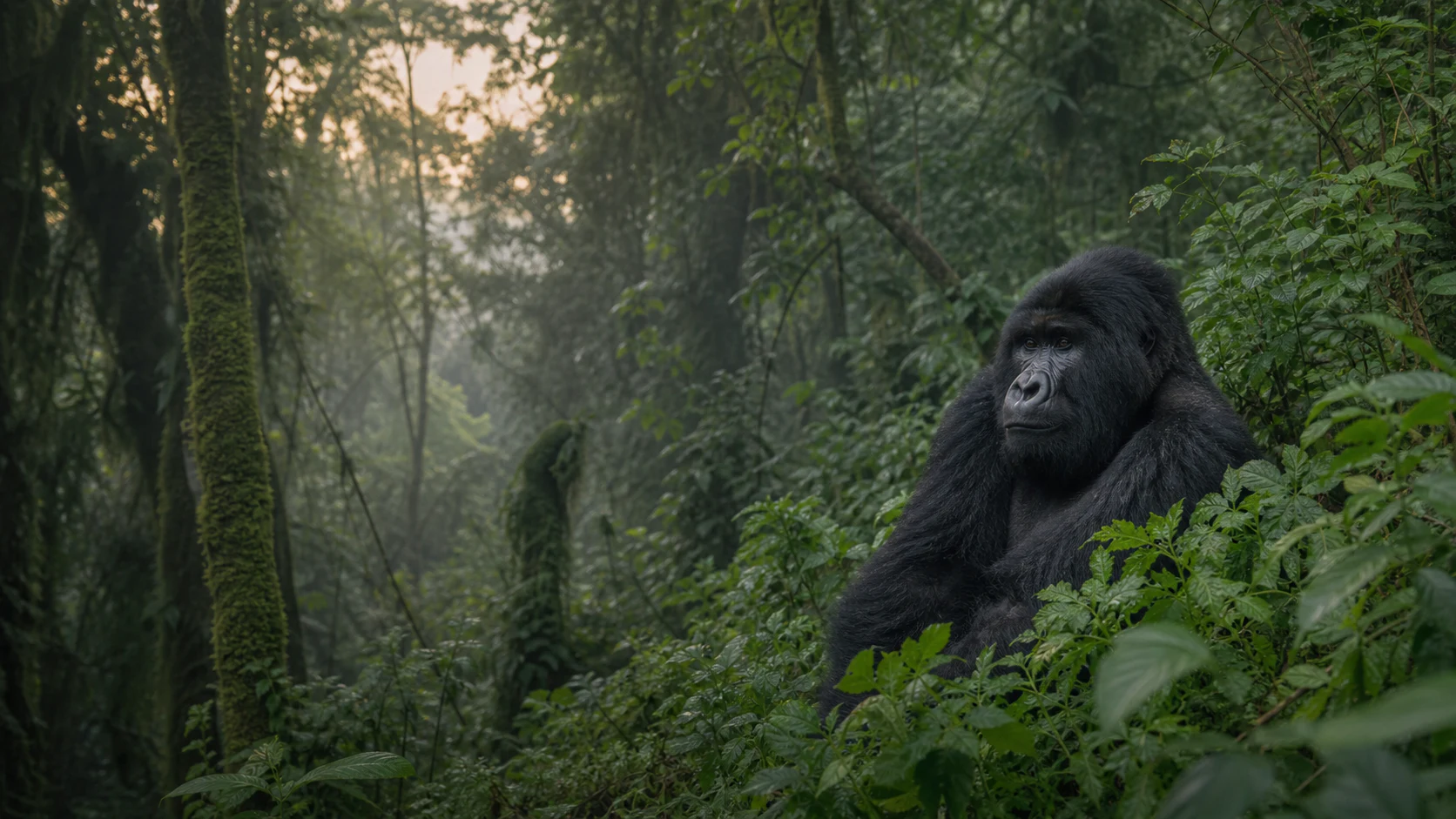
Find Animals by Habitat
Understand the ecosystem first, then discover its animals, destinations, viewing conditions, conservation pressures, and responsible travel choices.
Habitats Explain More Than Borders
Animals respond to water, food, cover, altitude, temperature, and seasonal change—not tourism boundaries. Starting with habitat makes it easier to understand why a viewing window differs between nearby places.
Species can use several ecosystems, so these collections overlap. Each page is a practical route into the guides rather than a claim that an animal belongs to only one habitat.
Explore Major Wildlife Ecosystems
Each guide links ecology and conservation with realistic ways to experience the habitat without adding unnecessary pressure.
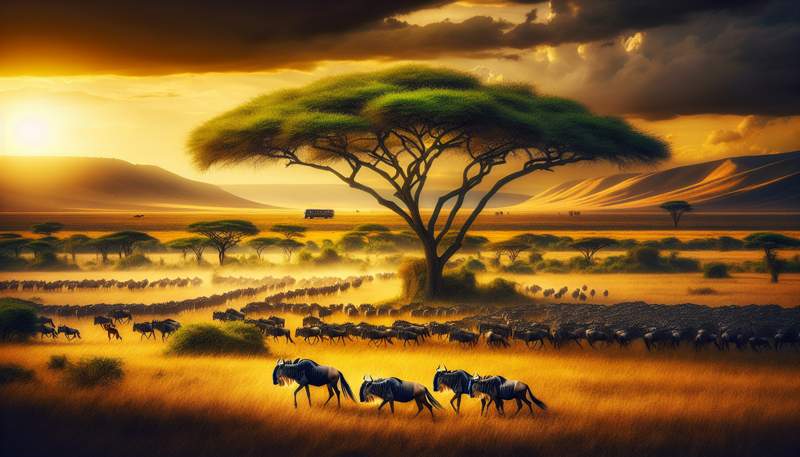
Savanna and Grassland Wildlife
Open grasslands, wooded savannas, and seasonal plains support large herbivore herds, social predators, scavengers, and some of the world’s most visible terrestrial migrations. Water and fresh grazing concentrate wildlife, but the same openness can attract many vehicles around a sighting.

Rainforest Wildlife
Tropical, lowland, and cloud forests hold exceptional biodiversity across the canopy, understory, forest floor, and waterways. Many animals are heard before they are seen, and patient local guides can turn tracks, calls, fruiting trees, and tiny movements into meaningful encounters.

Ocean, Reef and Coastal Wildlife
Open ocean, coral reefs, seagrass, estuaries, and productive coastlines support whales, dolphins, sharks, rays, turtles, seals, seabirds, and vast seasonal movements. Encounters depend on sea state, visibility, food, migration timing, and responsible boat handling.
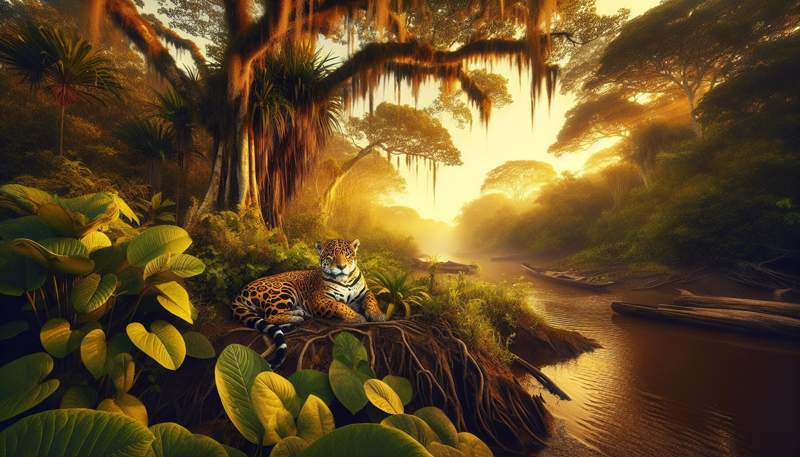
Wetland, River and Lake Wildlife
Floodplains, deltas, rivers, lakes, marshes, mangroves, and estuaries create productive edges where aquatic and terrestrial wildlife meet. Seasonal water levels can transform both animal distribution and the way visitors move through a landscape.
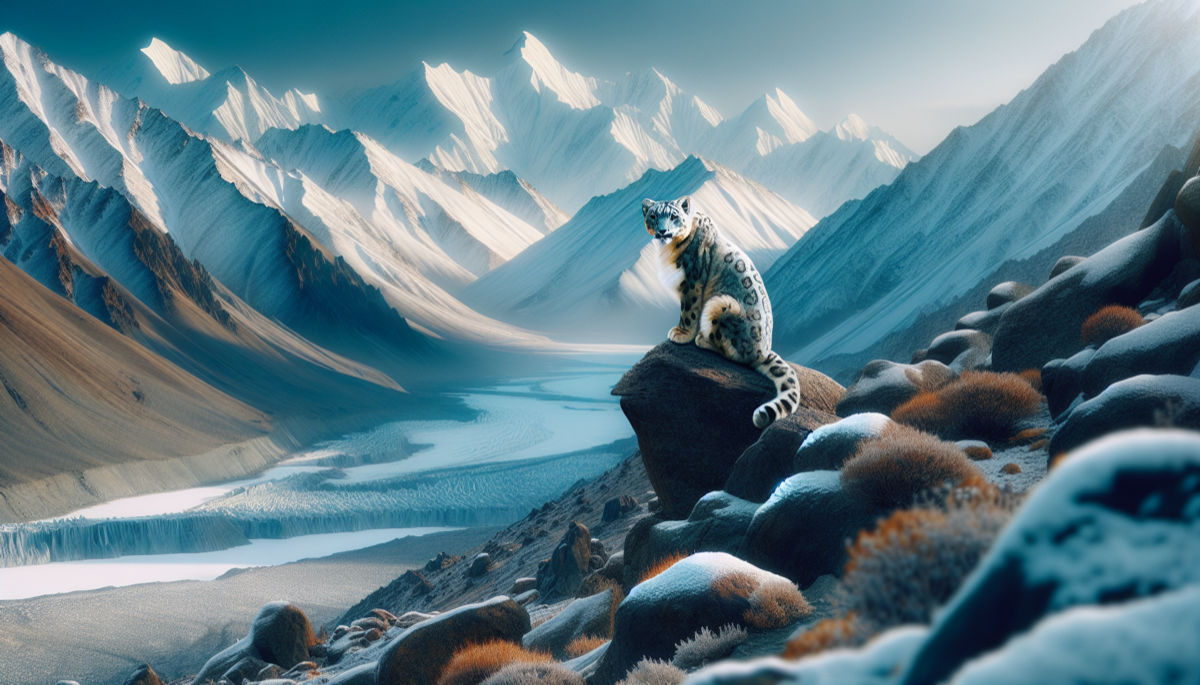
Mountain and Highland Wildlife
Mountain forests, alpine meadows, rocky slopes, plateaus, and cloud belts isolate wildlife across steep gradients. Animals may be sparse and elusive, while altitude and weather make the human side of the search more demanding.
Forest and Woodland Wildlife
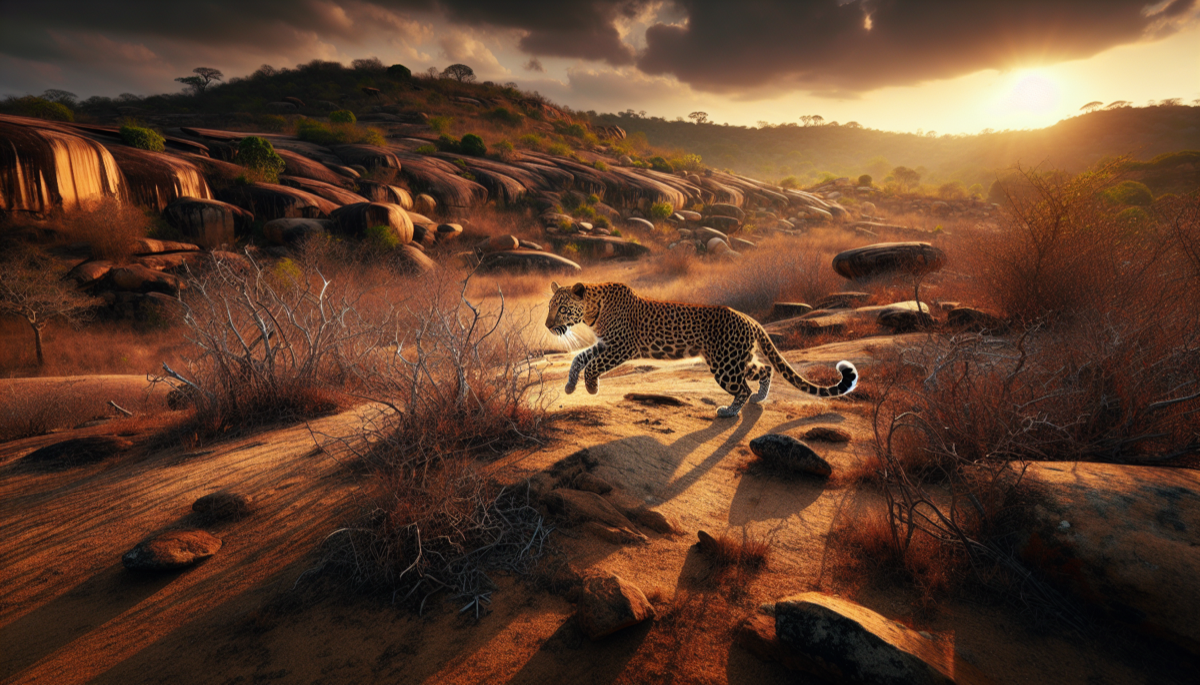
Temperate forest, dry forest, bamboo, broadleaf woodland, and seasonal woodland create layered cover for cats, bears, elephants, primates, birds, and smaller species. Visibility is lower than on open plains, so signs and repeated routes matter.
Polar, Sea-Ice and Tundra Wildlife
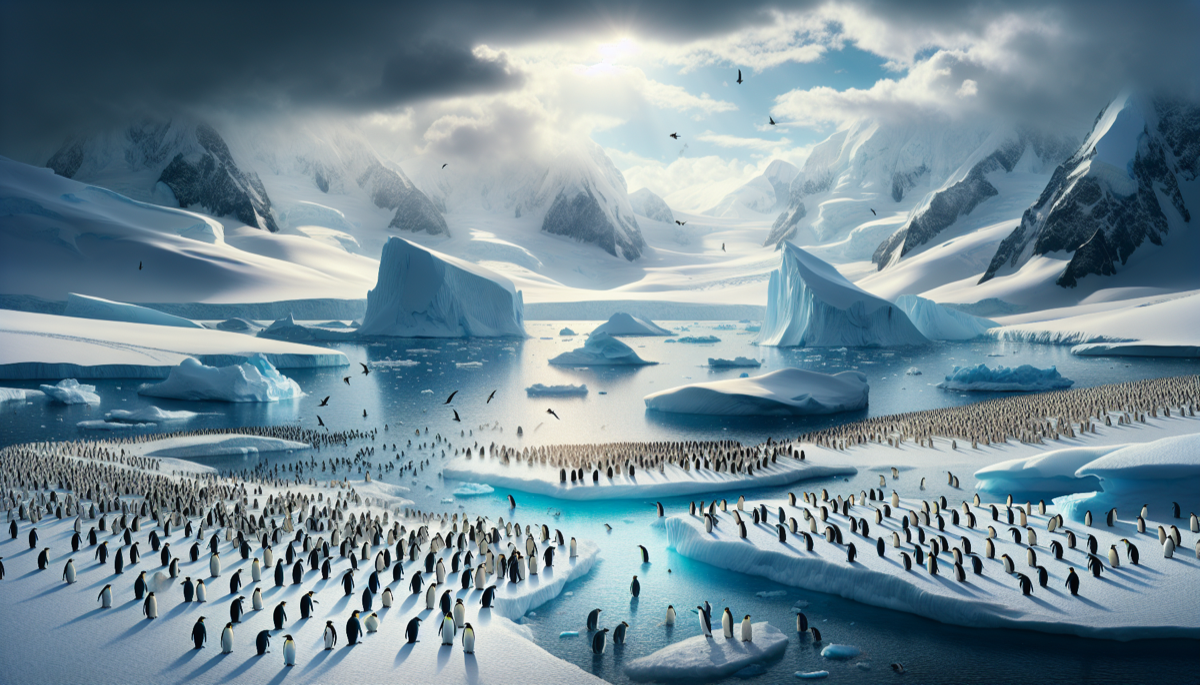
Arctic tundra, sea ice, sub-Antarctic islands, and the Southern Ocean support animals adapted to cold, seasonal light, long migrations, and concentrated breeding sites. Access is expensive and weather-led, and small operational choices carry outsized environmental consequences.
Desert and Scrubland Wildlife
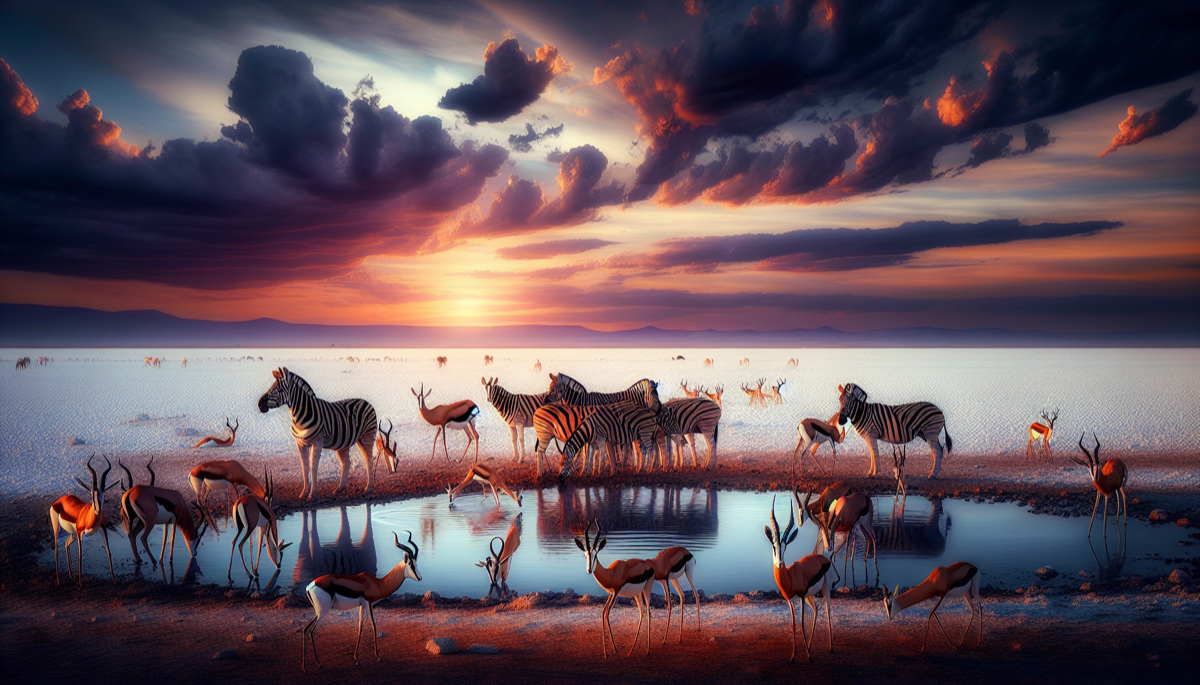
Deserts, semi-deserts, thorn scrub, dry bushland, and volcanic islands reward attention to water, shade, tracks, and cooler hours. Animals may be widely dispersed, nocturnal, or highly specialised for heat and scarcity.