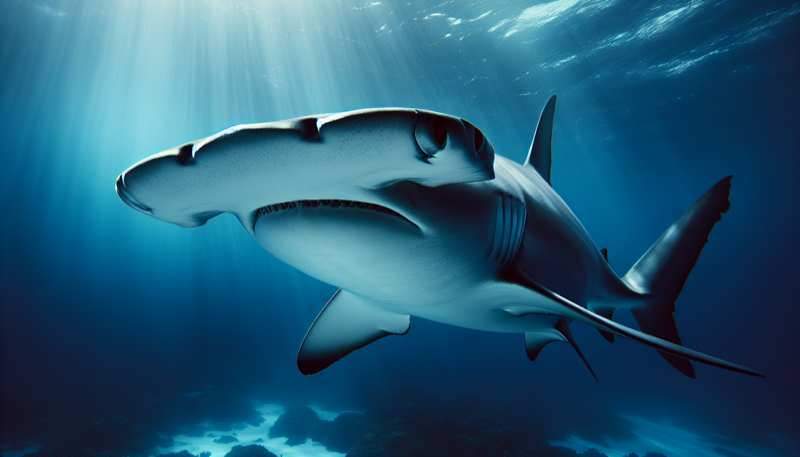
Sphyrna mokarran
The great hammerhead is the largest of the nine hammerhead shark species, reaching lengths of up to 6 metres. Their distinctive hammer-shaped hea...
Learn where threatened species live, how to visit without adding pressure, and where independent conservation programmes offer direct ways to contribute.
The IUCN uses “threatened” for species assessed as Vulnerable, Endangered, or Critically Endangered. The badge on each guide is a starting point—not a guarantee that every local population faces the same conditions.
Wildlife trips can fund protected areas, guides, and community livelihoods, but poorly managed tourism can disturb feeding, breeding, and movement. Always follow local rules, keep legal distances, avoid baiting and handling, and choose operators that explain their wildlife policy.
Each guide connects the species to wild locations, viewing seasons, responsible tours, zoo locations, and relevant conservation programmes.
Sphyrna mokarran
The great hammerhead is the largest of the nine hammerhead shark species, reaching lengths of up to 6 metres. Their distinctive hammer-shaped hea...
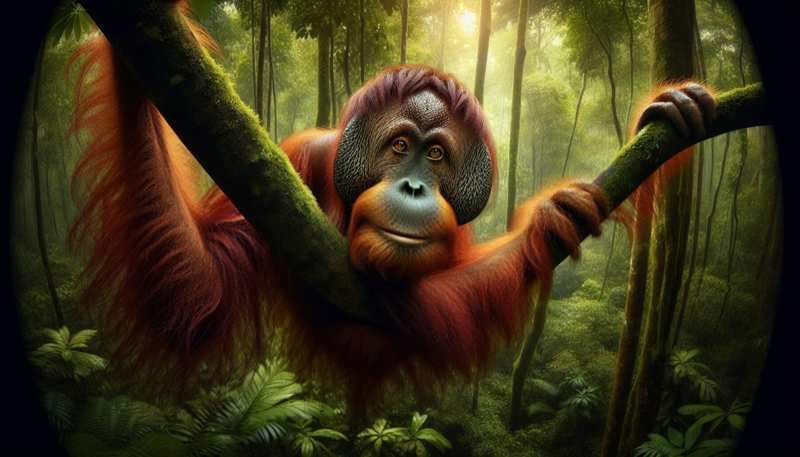
Pongo pygmaeus, Pongo abelii, and Pongo tapanuliensis
Orangutan is the shared name for three living great-ape species: the Bornean orangutan, Sumatran orangutan, and Tapanuli orangutan. All three are...
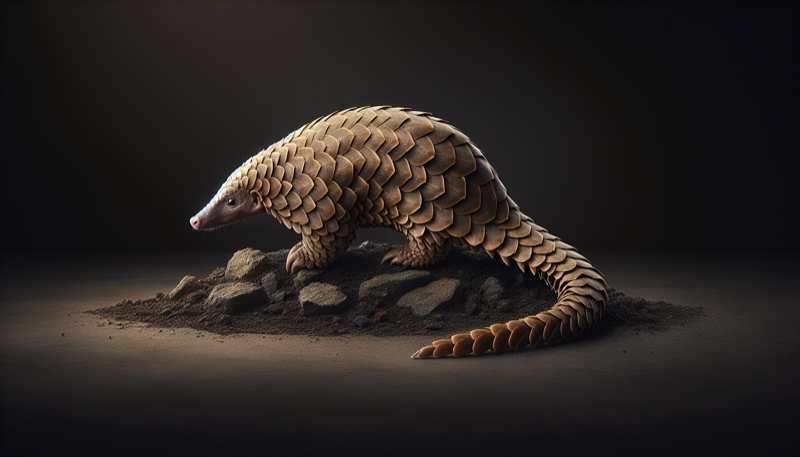
Family Manidae — eight living species
Pangolins are eight scale-covered mammal species: four in Africa and four in Asia. Depending on the species, they use forests, woodlands, savanna...
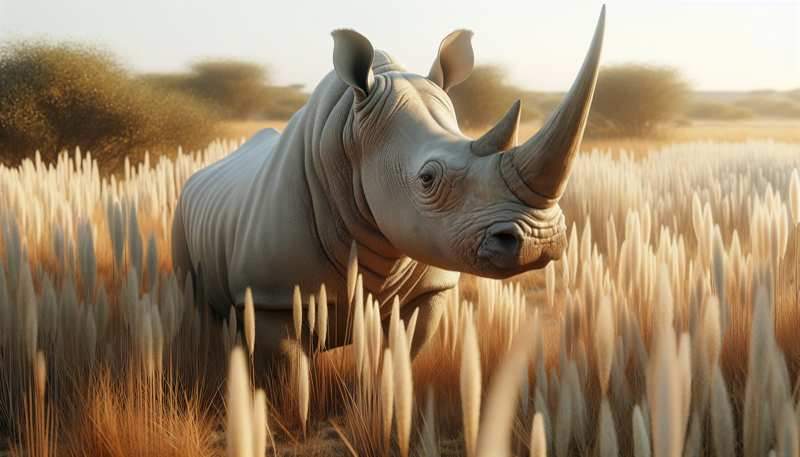
Rhinocerotidae — five living species
Rhinoceros is a five-species family, not one interchangeable safari animal. Africa has the black rhinoceros (Diceros bicornis), assessed as Criti...
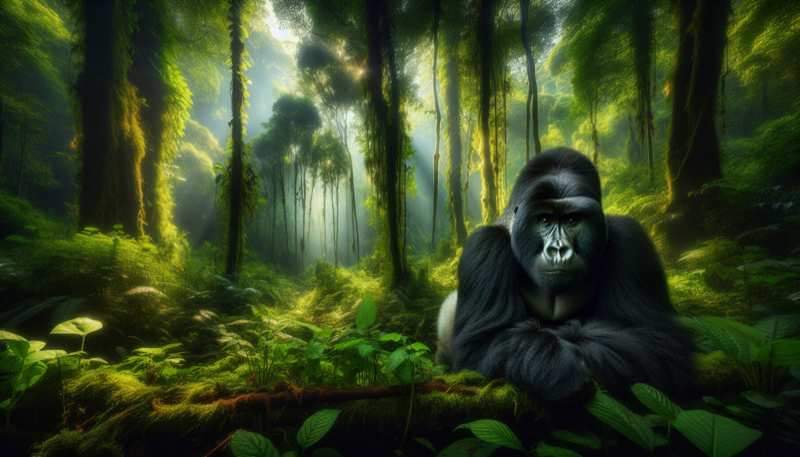
Gorilla gorilla gorilla
The western lowland gorilla is the most numerous and widespread gorilla subspecies, yet it is critically endangered due to poaching, disease, and...
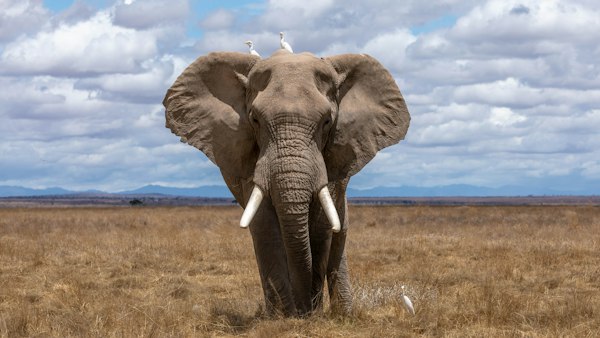
Loxodonta africana
The African elephant is the largest living land animal, with bulls reaching up to 4 metres tall and weighing over 6 tonnes. These highly intellig...
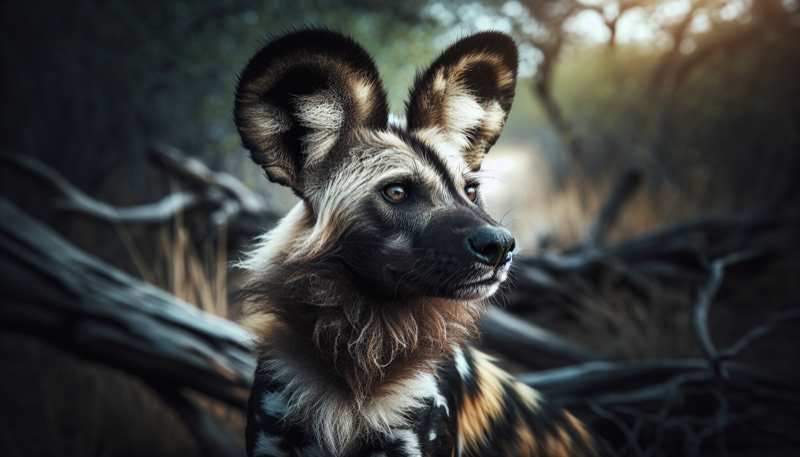
Lycaon pictus
African wild dogs are the most efficient hunters in Africa, with a success rate of up to 80% — far higher than lions or cheetahs. They live in ti...
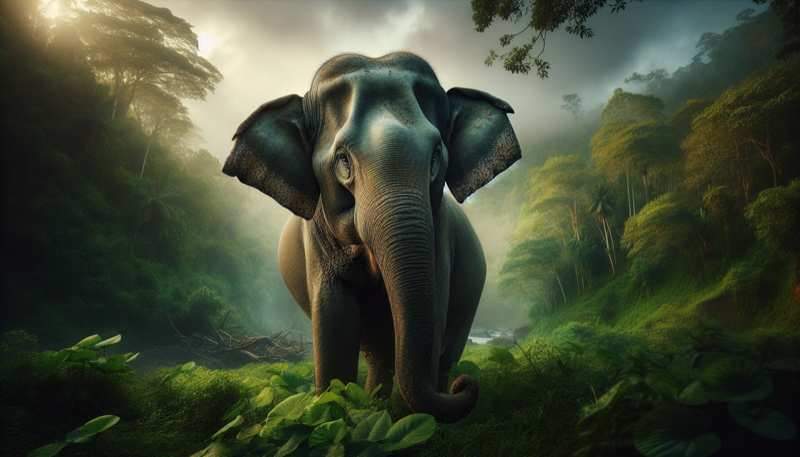
Elephas maximus
The Asian elephant is slightly smaller than its African cousin but no less magnificent. Revered across Asian cultures for millennia, these intell...
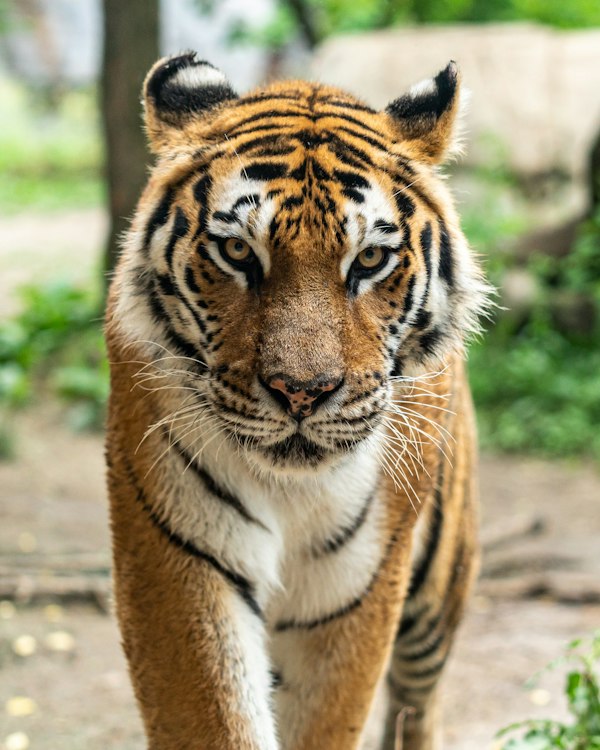
Panthera tigris tigris
The Bengal tiger is the most numerous tiger subspecies, yet fewer than 3,000 remain in the wild. India's national animal is a solitary, powerful ...
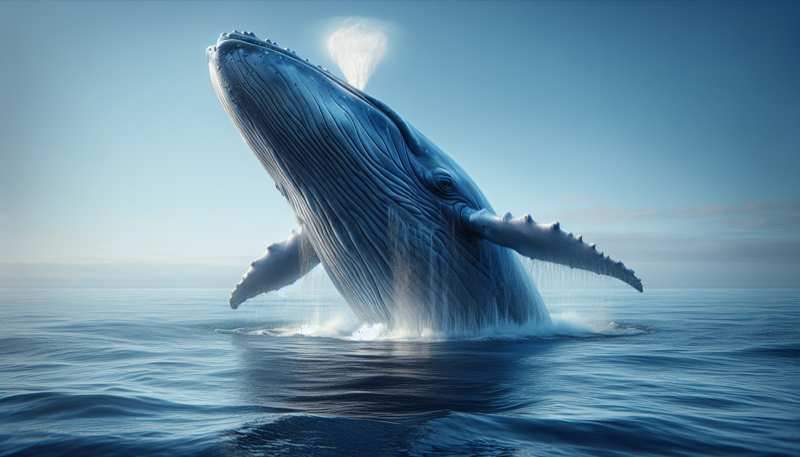
Balaenoptera musculus
The blue whale is the largest animal ever to have lived on Earth — larger even than the biggest dinosaurs. Reaching lengths of up to 30 metres an...
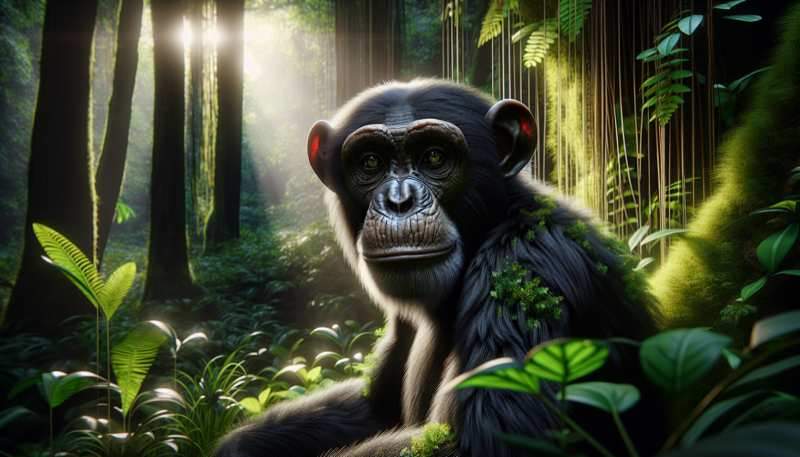
Pan troglodytes
Chimpanzees are our closest living relatives, sharing 98.7% of human DNA. They live in complex social communities of up to 150 individuals, use t...
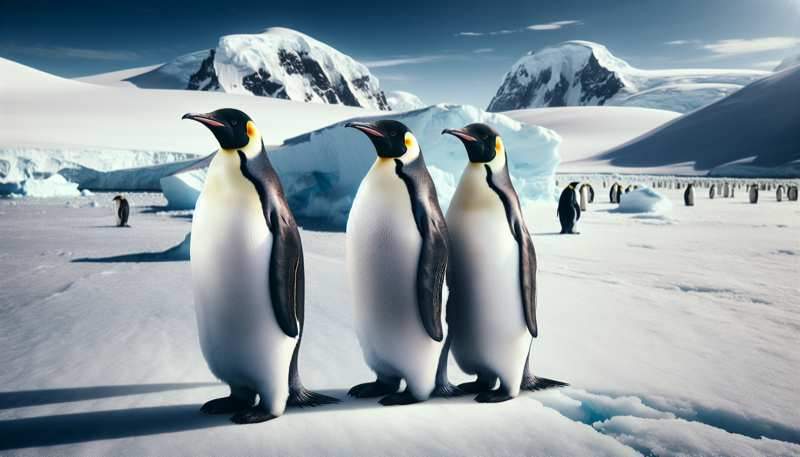
Aptenodytes forsteri
The emperor penguin is the largest living penguin and an Antarctic sea-ice specialist. It breeds during the austral winter, usually on stable fas...
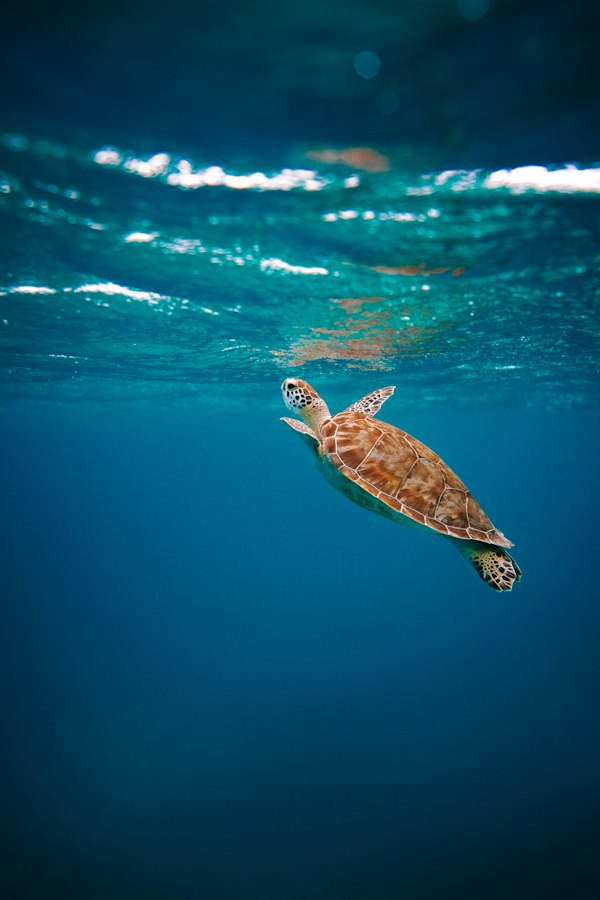
Chelonia mydas
The green sea turtle is one of the largest and most widespread sea turtle species, found in tropical and subtropical oceans worldwide. Named for ...
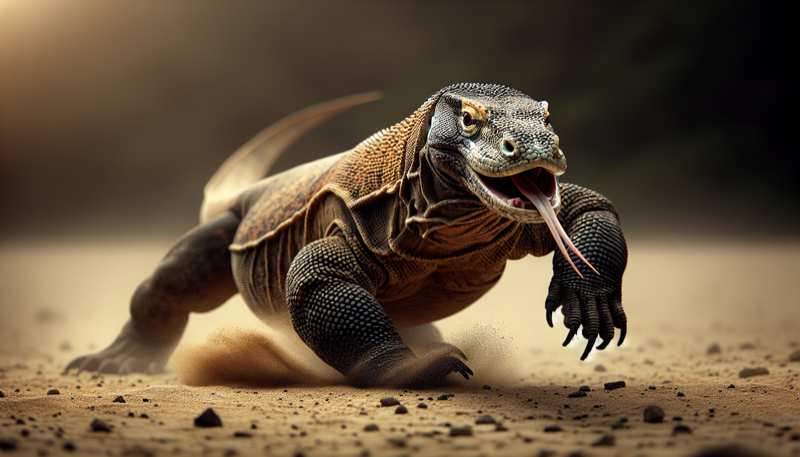
Varanus komodoensis
The Komodo dragon is the world's largest living lizard, reaching up to 3 metres in length and 70 kg. Found only on a handful of Indonesian island...
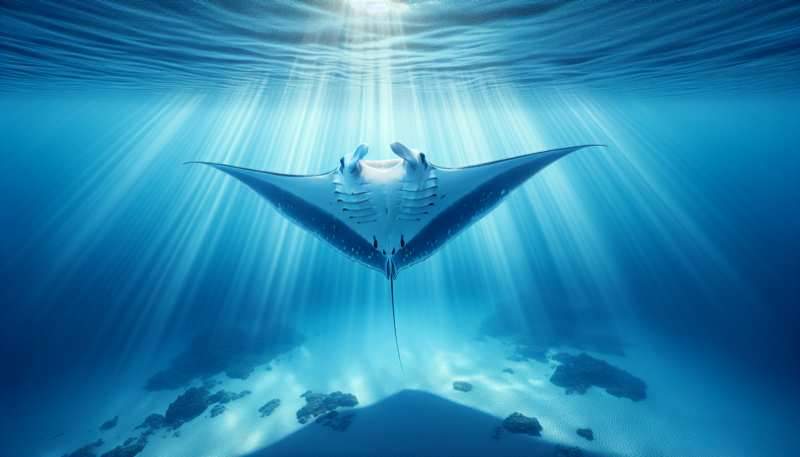
Mobula alfredi and Mobula birostris
Manta rays are two filter-feeding ray species: the reef manta and the larger oceanic manta. They use productive tropical, subtropical, and some w...
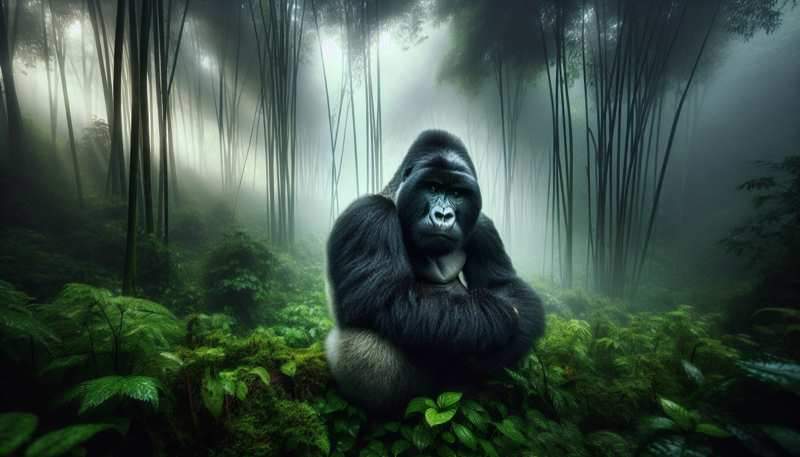
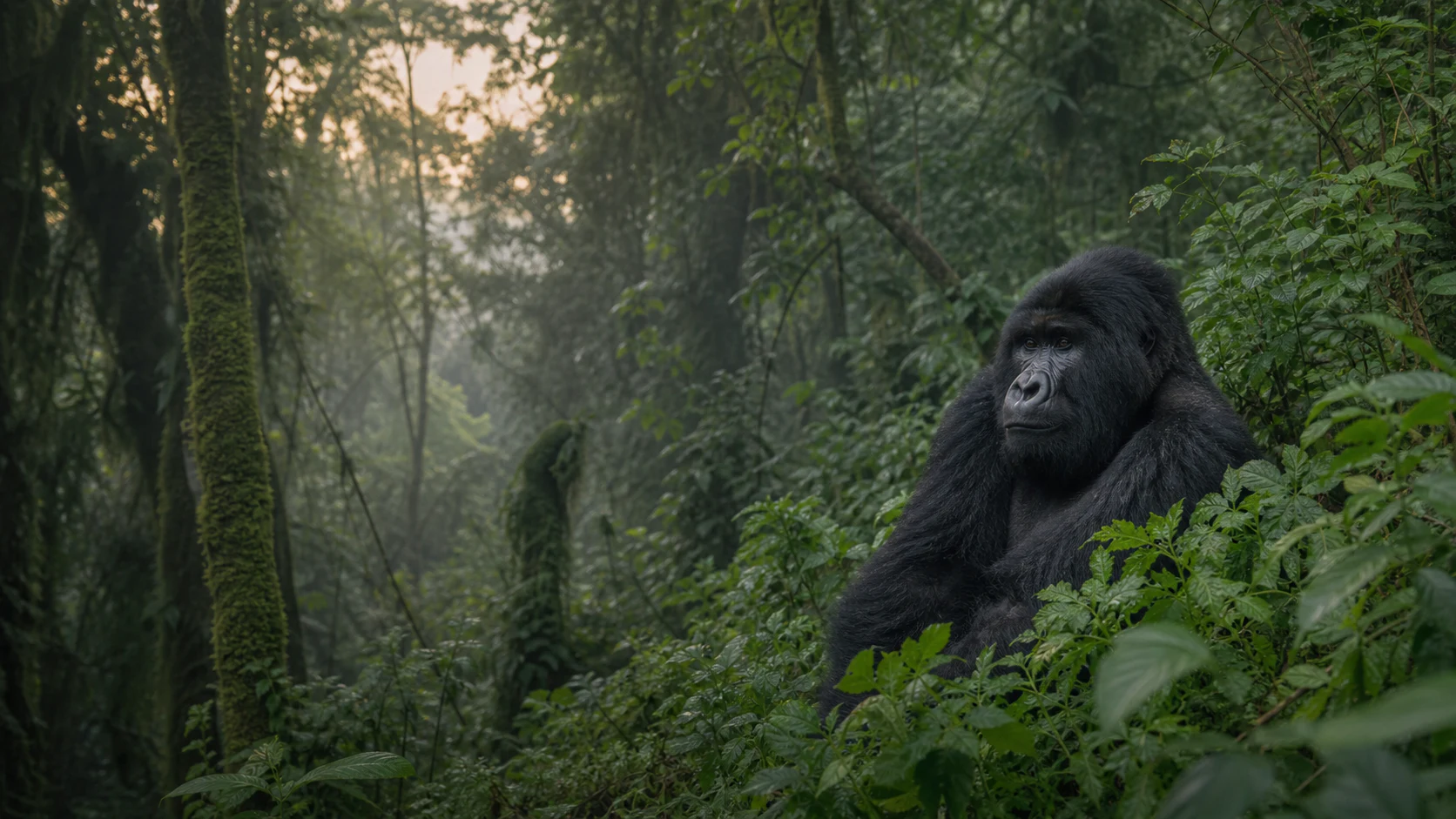
Gorilla beringei beringei
Mountain gorillas are a forest-dwelling subspecies of eastern gorilla found in Uganda, Rwanda, and the Democratic Republic of the Congo. Carefull...
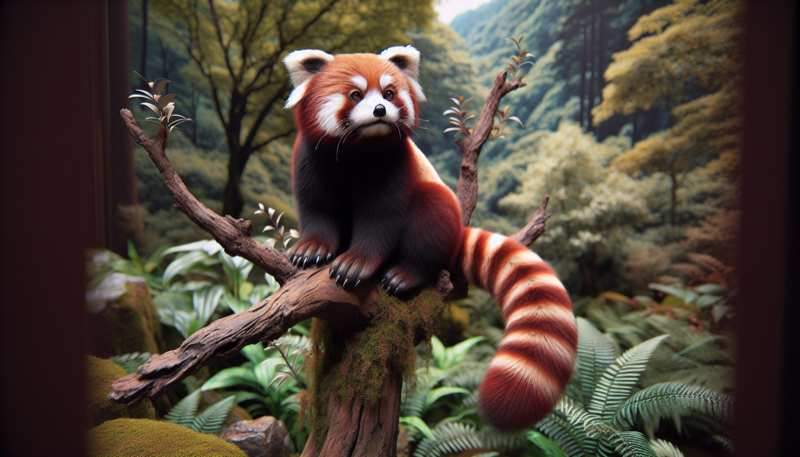
Ailurus fulgens
The red panda is a small, arboreal mammal native to the temperate forests of the eastern Himalayas and southwestern China. Despite its name, it i...
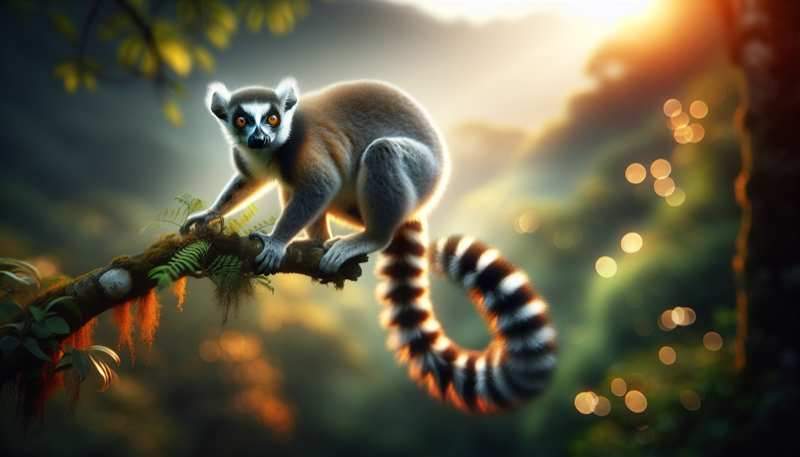
Lemur catta
The ring-tailed lemur is Madagascar's most iconic primate, instantly recognisable by its long, black-and-white striped tail. Unlike most lemurs, ...
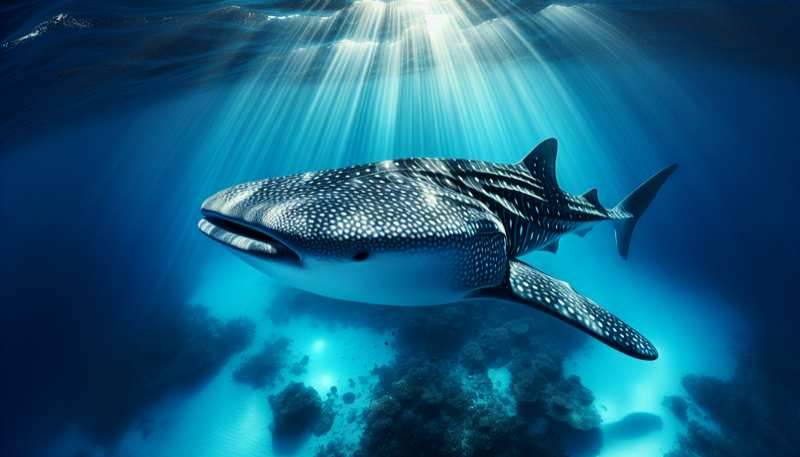
Rhincodon typus
The whale shark is the largest fish in the ocean, reaching lengths of up to 12 metres. Despite their enormous size, these gentle filter-feeders s...
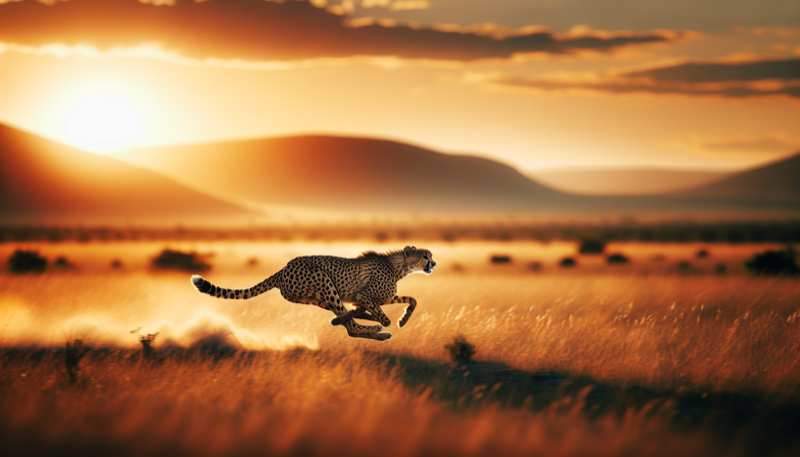
Acinonyx jubatus
The cheetah is the fastest land animal, reaching speeds of 112 km/h in short bursts. Unlike other big cats, cheetahs have a slender build, non-re...
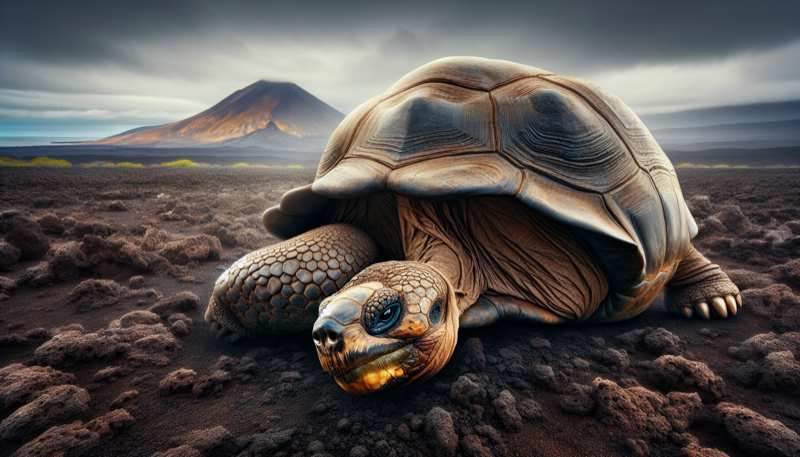
Chelonoidis nigra
Galapagos giant tortoises are the largest tortoises in the world, weighing up to 417 kg and living for over 100 years. These gentle giants were i...
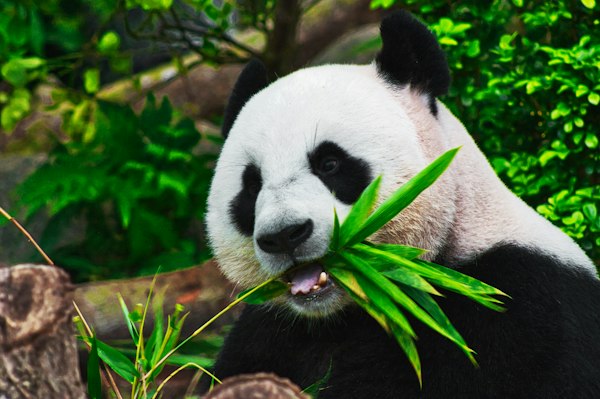
Ailuropoda melanoleuca
Giant pandas are one of the most beloved animals on Earth and a global symbol of wildlife conservation. These bamboo-eating bears spend up to 14 ...
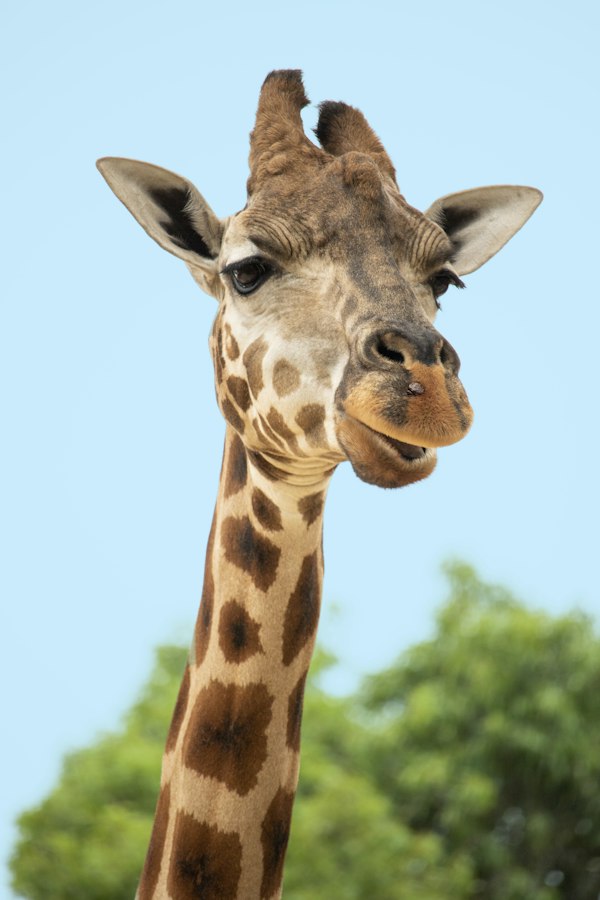
Giraffa camelopardalis
The tallest living terrestrial animal, giraffes can reach nearly 6 metres in height. Their long necks contain the same number of vertebrae as hum...
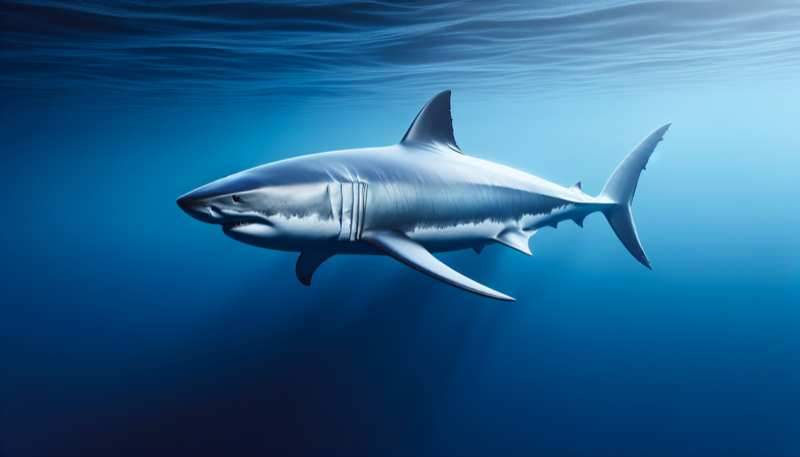
Carcharodon carcharias
The great white shark is the ocean's most iconic predator, capable of reaching 6 metres in length and weighing over 2 tonnes. Despite their fears...
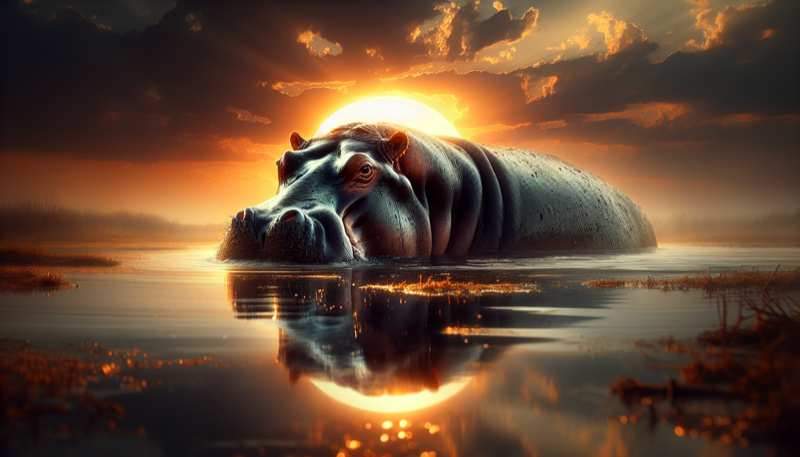
Hippopotamus amphibius
Despite their docile appearance, hippos are considered Africa's most dangerous large animal, responsible for more human deaths than any other lar...
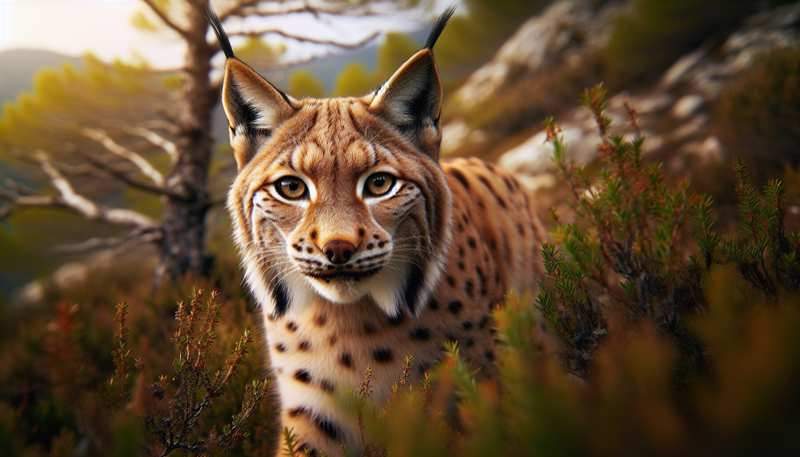
Lynx pardinus
The Iberian lynx is a rabbit-specialist wild cat endemic to Spain and Portugal. Sustained habitat work, threat reduction, captive breeding, and r...
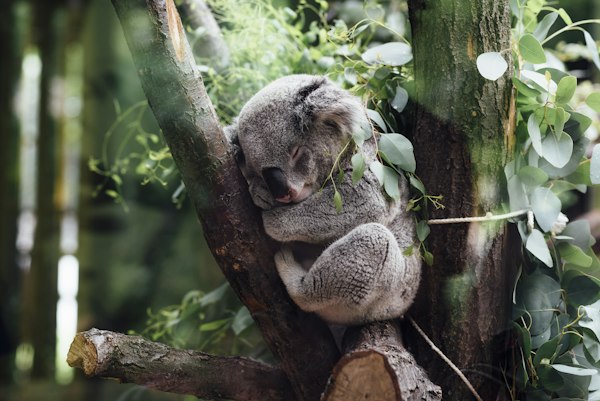
Phascolarctos cinereus
The koala is an Australian tree-dwelling marsupial found in a patchy band of forest and woodland from northern Queensland to south-eastern South ...
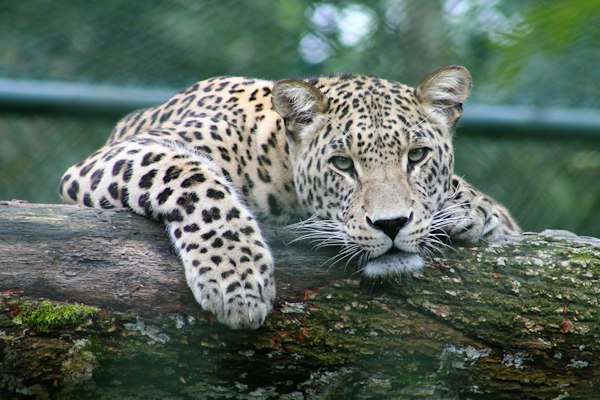
Panthera pardus
The leopard is the most elusive of Africa's big cats. Solitary, nocturnal, and incredibly adaptable, leopards thrive from rainforests to deserts....
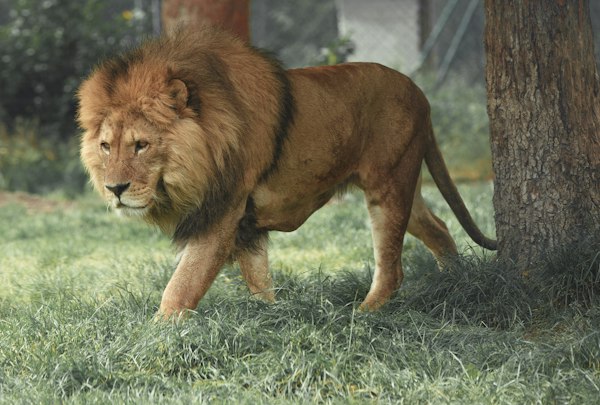
Panthera leo
The lion is the only truly social cat, living in prides of up to 30 individuals. Males are iconic for their manes, which signal health and domina...
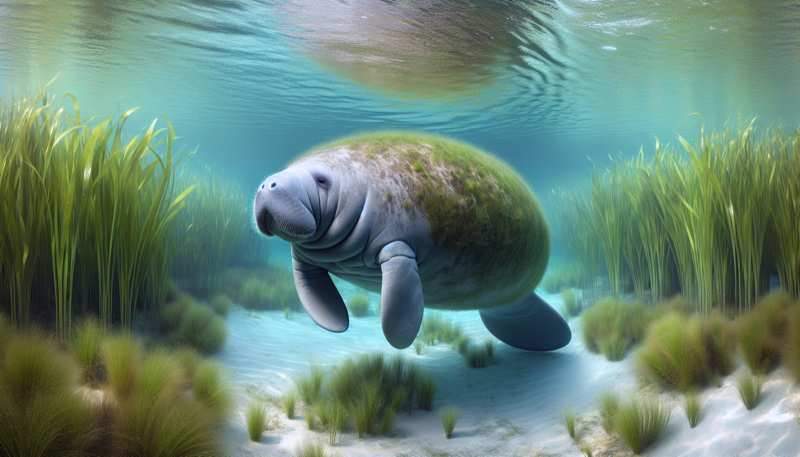
Trichechus manatus
The West Indian manatee, often called the "gentle giant" or "sea cow", is a slow-moving herbivorous marine mammal found in the warm waters of Flo...
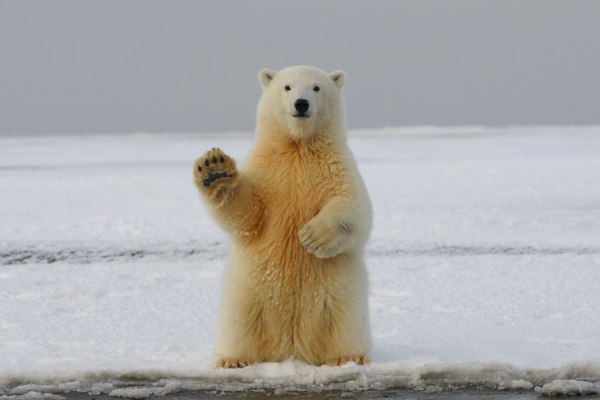
Ursus maritimus
The polar bear is a sea-ice-dependent Arctic marine mammal whose conservation picture cannot be reduced to one range-wide count or trend. Canada ...
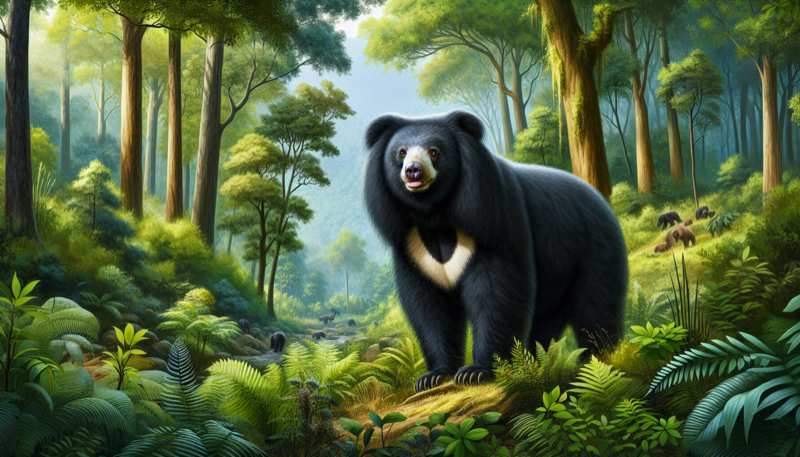
Melursus ursinus
The sloth bear is a shaggy, insectivorous bear found across the Indian subcontinent. With their long, curved claws and vacuum-like lips designed ...
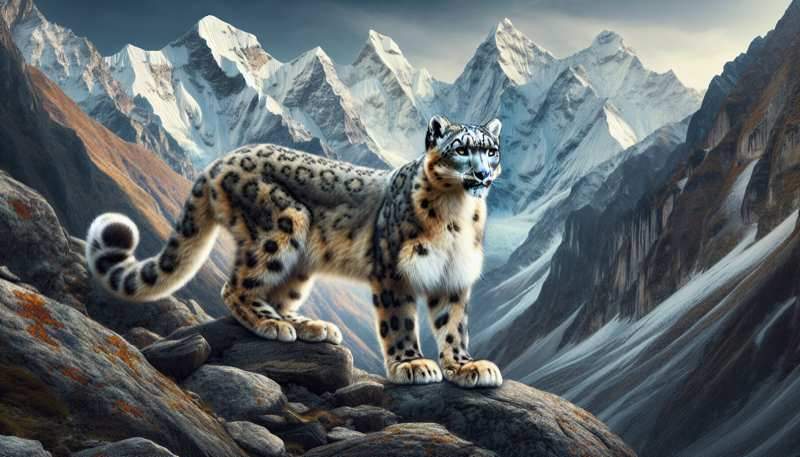
Panthera uncia
The snow leopard is a Vulnerable big cat of the high mountains of Central and South Asia. Its thick coat, large paws, powerful build, and long ta...
Adoption and sponsorship are usually symbolic: the contribution funds a wider programme rather than transferring ownership of an animal.
Use the charity’s official website and review its registration, leadership, annual reports, and contact details.
Look for clear explanations of where funds go: field protection, research, rehabilitation, habitat, or community programmes.
Check whether a payment is recurring, tax-deductible in your country, refundable, and tied to merchandise or updates.
Programmes and prices change. Verify the current offer on the organisation’s own site before making a contribution.
WhereAnimalsLive does not process conservation payments and has no financial relationship with the organisations linked from this page.