Etosha National Park
Your month-by-month wildlife calendar
When to Visit Etosha National Park
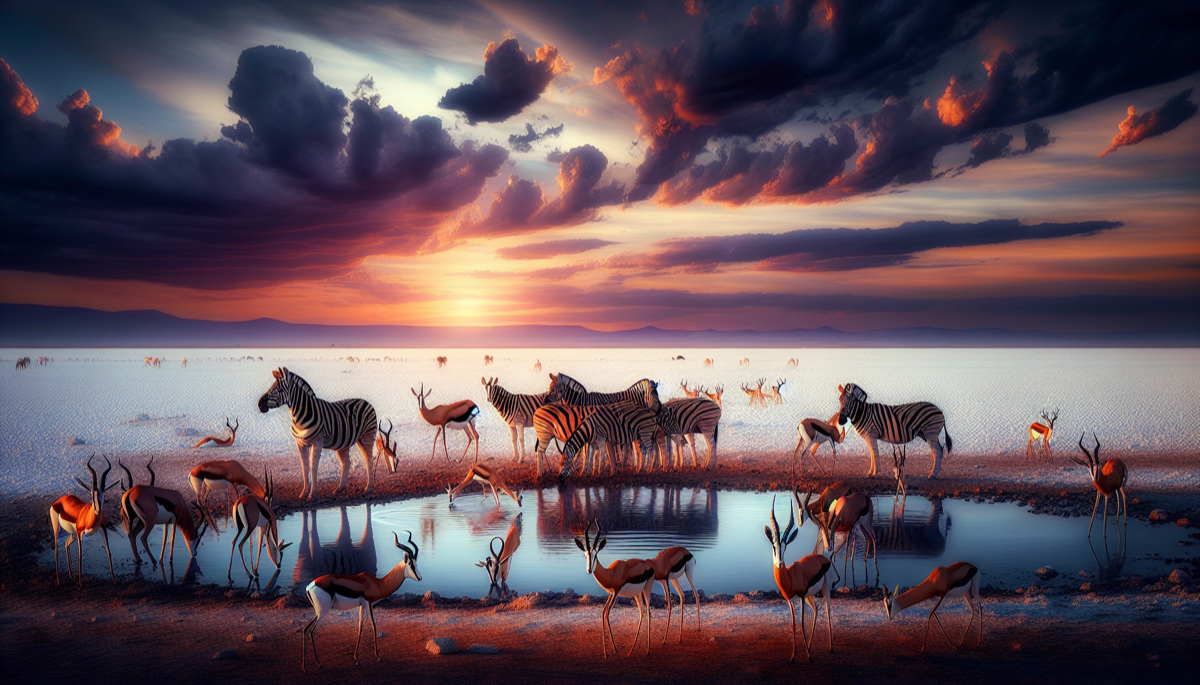
Etosha's vast salt pan creates a unique wildlife-viewing dynamic where animals must visit a ring of waterholes, making sightings predictable during the dry season. From May to October, game concentrates heavily at these waterholes, including endangered black rhinos. The wet season scatters animals across the park but brings flamingos to the pan and lush green landscapes.
Month-by-Month Calendar
Click on any month to see detailed wildlife and weather information
January
February
March
April
May
June
July
August
September
October
November
December
🎯 Our Recommendation
August to October is the peak. Waterholes are the only water source, so simply sitting at one guarantees a parade of elephants, lions, rhinos, and oryx. The floodlit Okaukuejo waterhole at night is legendary for black rhino sightings.
Best Time to Visit Etosha National Park FAQ
The best time to visit Etosha National Park is May to October when wildlife concentrates at waterholes. The wet season from November to April brings migrant birds and lush green landscapes.
Dry season days are warm at 25 to 35 degrees Celsius with cold nights near freezing. Summer is very hot at 35 to 40 degrees with afternoon thunderstorms.
January to March (wet season) has lower camp rates and fewer visitors. Travelling during shoulder or low seasons can save you 20 to 40% on accommodation and tours while still providing excellent wildlife viewing.
Peak season at Etosha National Park is July to September when waterholes are the busiest with wildlife. Book accommodation and tours well in advance for peak dates, as popular lodges and camps sell out months ahead.