Safari Game Drives
12 featured places · 13 relevant species · responsible operator checklist
Is Safari Game Drives Right for You?
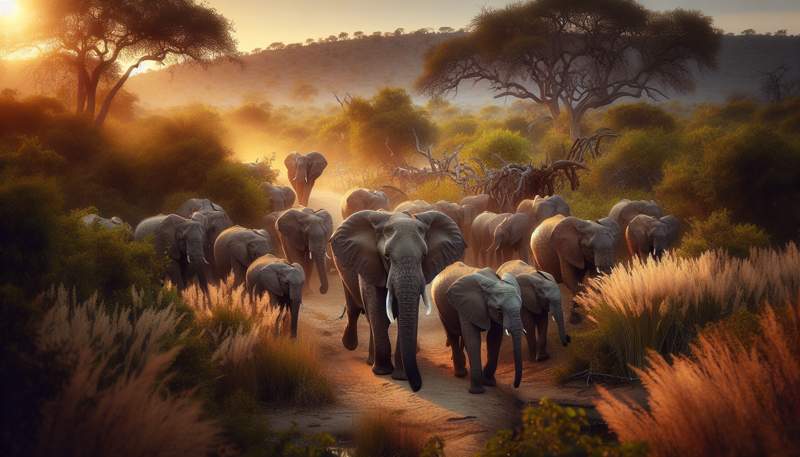
A game drive uses a vehicle to explore protected landscapes with a guide or, where rules allow, as a self-drive visitor. It is the most accessible way to cover large savanna and woodland areas while looking for elephants, big cats, grazing herds, and smaller species. The strongest safari is not the one with the longest checklist: it gives animals space, varies the habitats visited, and leaves enough time to watch natural behaviour rather than racing between sightings.
Timing the Trip
Dry periods can concentrate wildlife around remaining water and reduce vegetation, while greener seasons may bring young animals, dramatic weather, migratory birds, and fewer vehicles. There is no universal safari month: compare the local rainfall cycle, wildlife movements, road conditions, and park access for each destination.
What to Expect
- Pre-dawn starts, changing temperatures, and several hours in the vehicle before a break.
- Sightings that depend on habitat, weather, guide skill, patience, and chance rather than guarantees.
- A mix of famous mammals, tracks, birds, plants, insects, and ecological interpretation.
- Photography from a shared space where quiet cooperation matters as much as camera equipment.
How to Plan
Start with the ecosystem and species you care about, then compare drive length, group size, guide qualifications, vehicle seating, park fees, and the number of nights in one area. A slower itinerary often produces better observation than changing camps every night. Ask whether the quoted schedule includes transfer days, whether drives are shared, and whether private vehicles cost extra. For self-drive parks, confirm road rules, gate times, fuel availability, breakdown procedures, and which roads require four-wheel drive.
Build Your Wildlife TripResponsible Safari Game Drives
Choose an operator that stays on legal tracks, limits the number of vehicles at a sighting, never corners or chases animals, and moves on when an animal changes direction or shows stress. Feeding, calling, baiting, spotlighting where prohibited, and crowding predators at a hunt are warning signs. Keep voices low, secure loose items, never leave the vehicle outside designated areas, and follow the guide even when another vehicle ignores the rules.
Well-managed safari revenue can support protected-area operations and local employment, but visitation also creates road, waste, water, and crowding pressure. Ask what conservation or community fees are included, who owns the operation, and how it reduces waste and water use. Treat a vague claim that a trip is “eco” as a prompt for questions rather than proof.
Understand Conservation ClaimsFeatured Safari Game Drives Destinations
Use each destination guide to compare seasons, wildlife, access, travel logistics, and relevant tour listings. Inclusion means the place fits this activity type; it is not an endorsement of every local operator.
Serengeti National Park
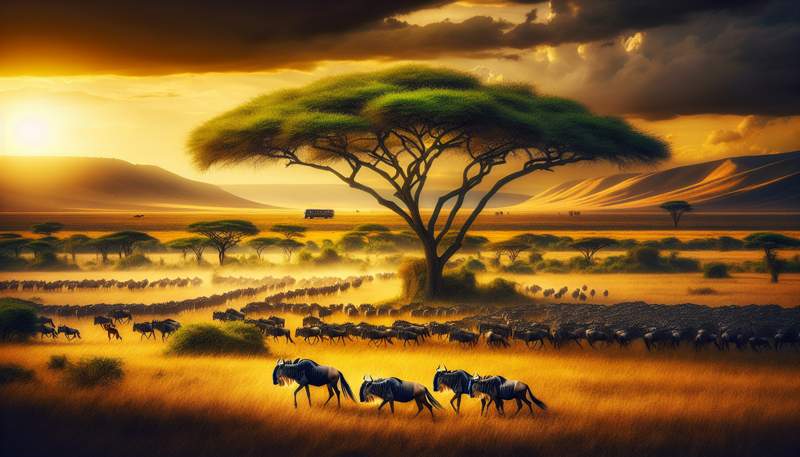
The Serengeti is synonymous with African safari. Spanning 14,750 km2 of savanna, it hosts the Great Migration — the largest overland animal movement on Earth —…
Open destination guide →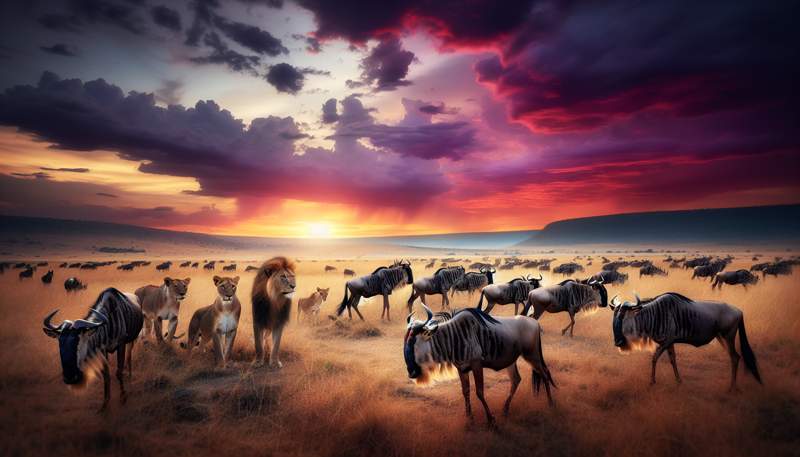
Masai Mara National Reserve
The Masai Mara is Kenya's most celebrated wildlife reserve, forming the northern extension of the Serengeti ecosystem. It offers some of the most reliable big…
Open destination guide →Kruger National Park
Kruger is one of the largest game reserves in Africa, covering nearly 20,000 km2. It offers an accessible, affordable safari experience with excellent…
Open destination guide →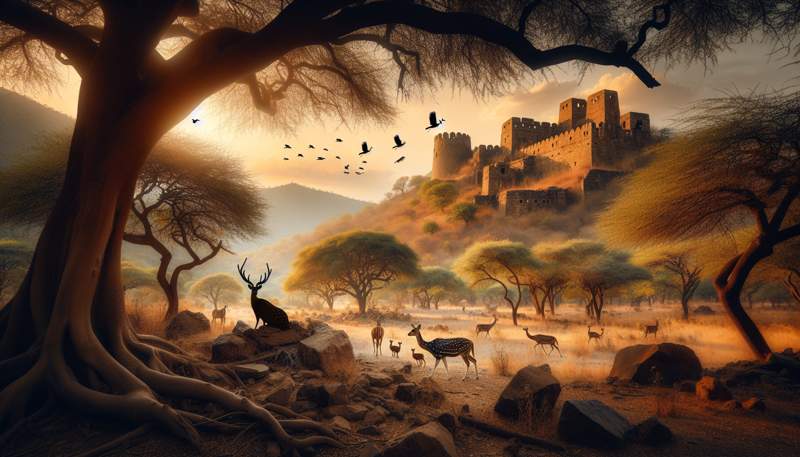
Ranthambore National Park
Ranthambore is India's most famous tiger reserve, where Bengal tigers roam among the ruins of a 10th-century fort. The park's relatively open terrain and…
Open destination guide →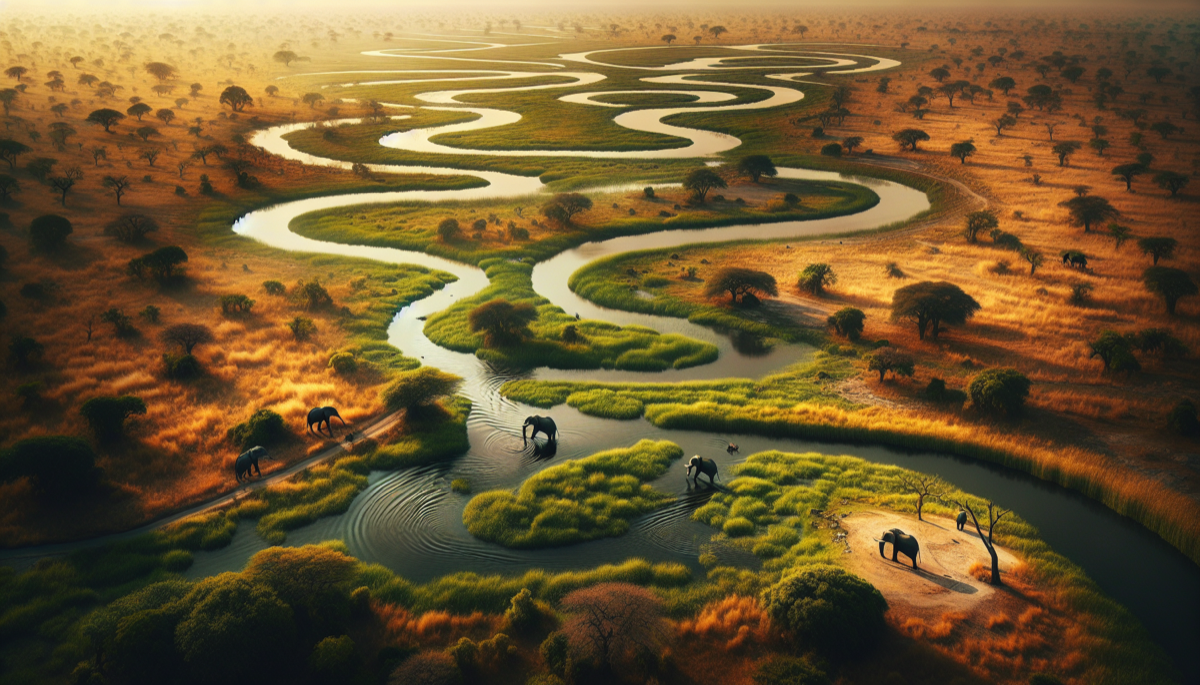
Okavango Delta
The Okavango Delta is one of the world's largest inland deltas and a UNESCO World Heritage Site, where the Okavango River fans out across the Kalahari Desert…
Open destination guide →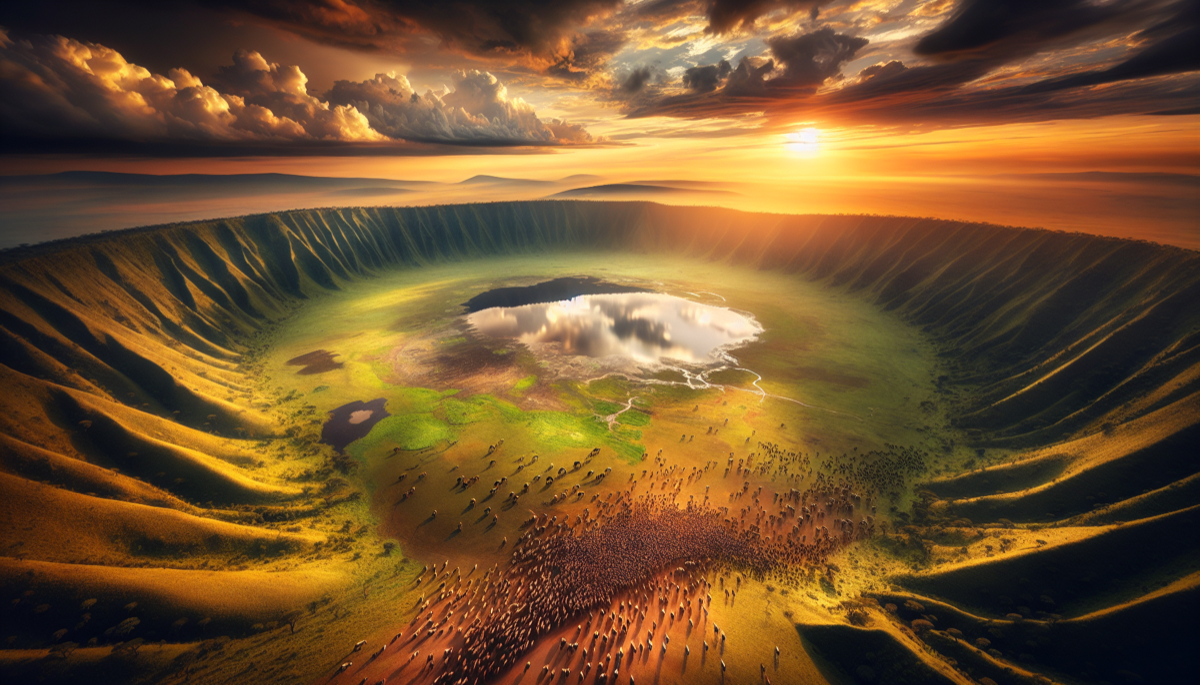
Ngorongoro Crater
The Ngorongoro Crater is the world's largest unbroken volcanic caldera and one of Africa's most spectacular wildlife destinations. This natural amphitheatre,…
Open destination guide →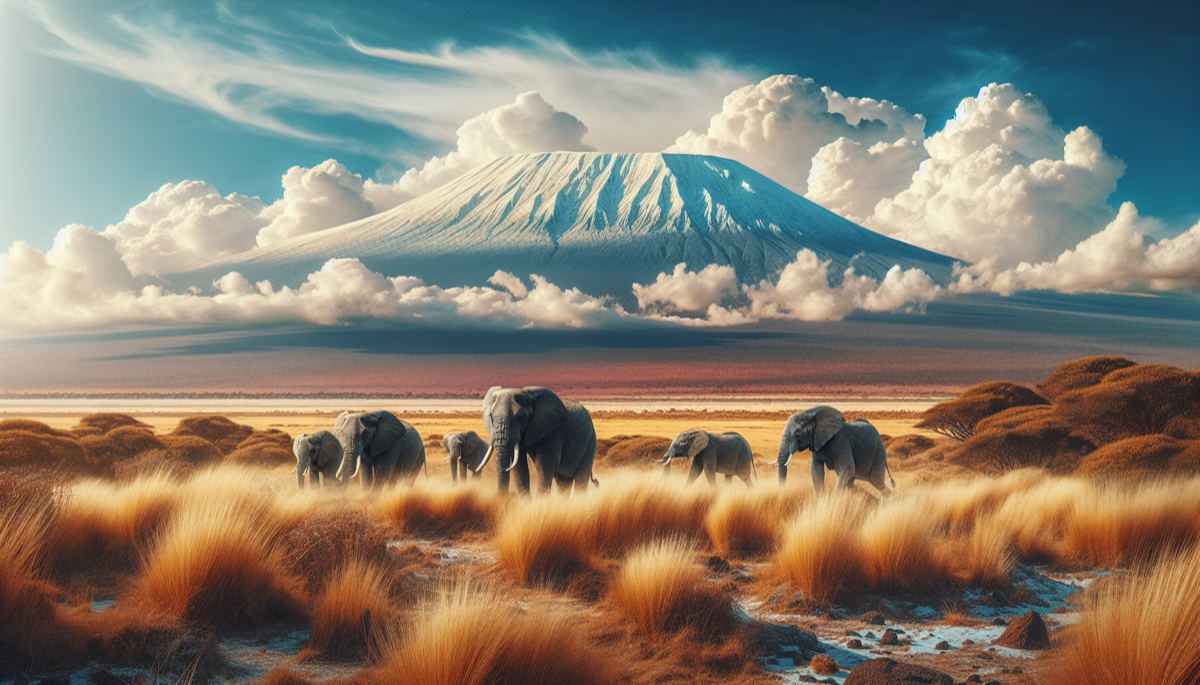
Amboseli National Park
Amboseli National Park is one of Kenya's most iconic wildlife destinations, famous for its large elephant herds set against the dramatic backdrop of Mount…
Open destination guide →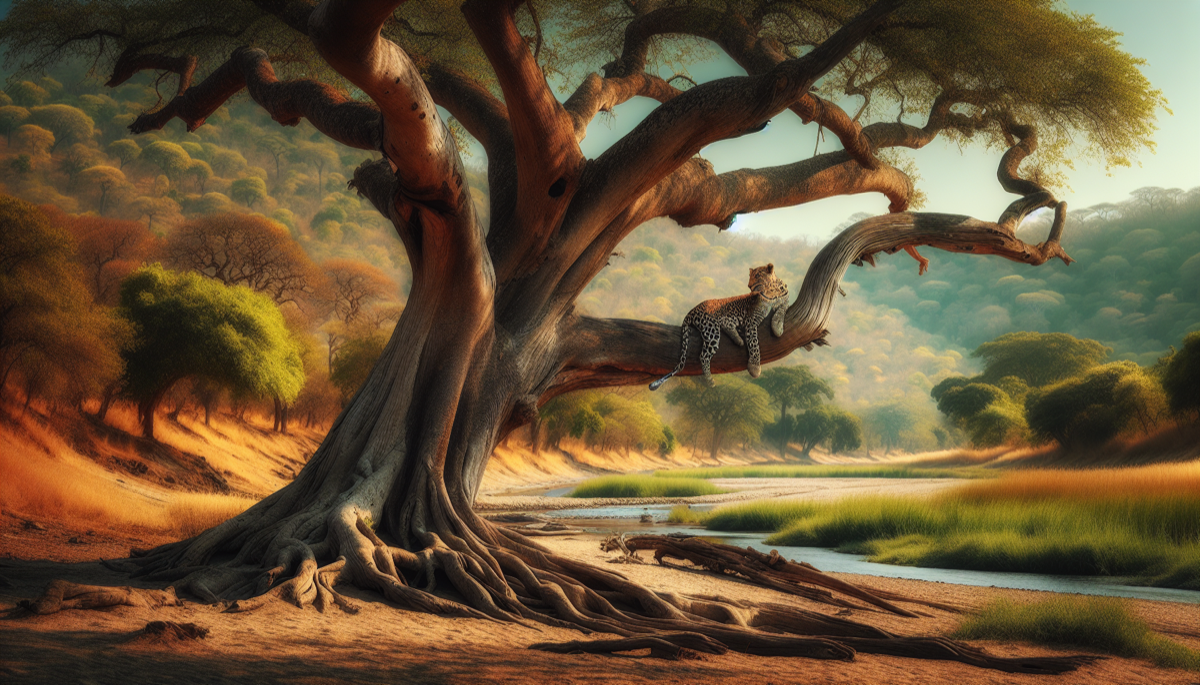
South Luangwa National Park
South Luangwa National Park is one of Africa's finest wildlife sanctuaries, located in eastern Zambia along the winding Luangwa River. Often called the…
Open destination guide →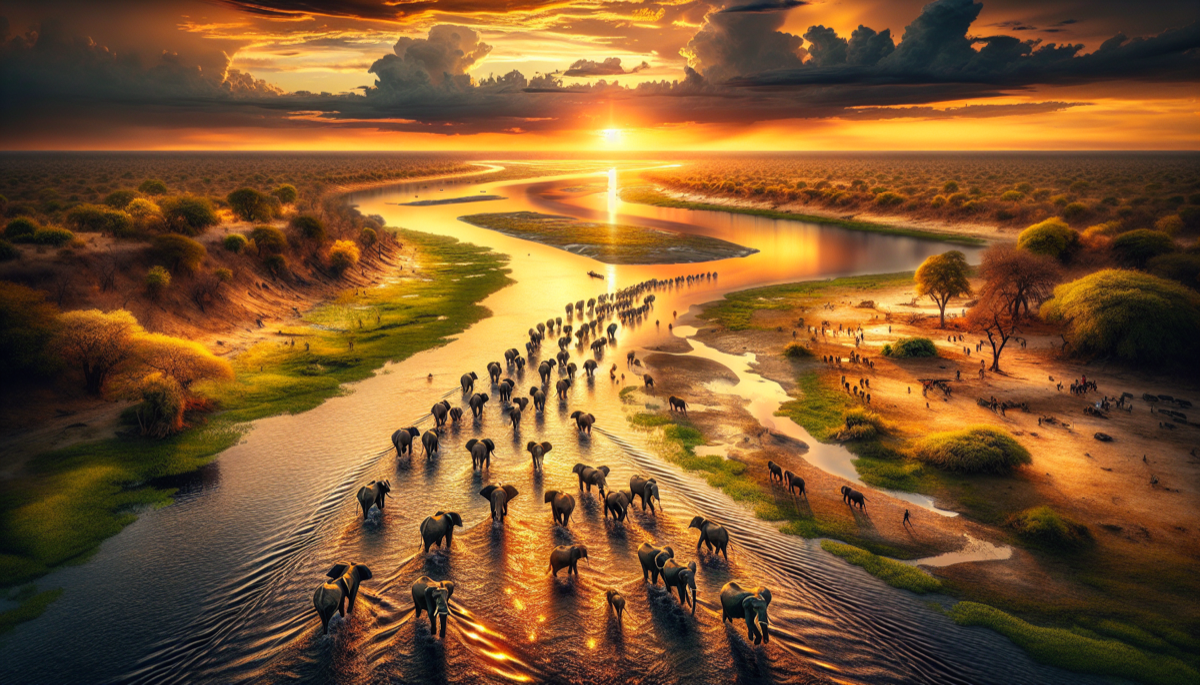
Chobe National Park
Chobe National Park in northern Botswana is home to the largest elephant population in Africa, with an estimated 120,000 elephants moving through the park and…
Open destination guide →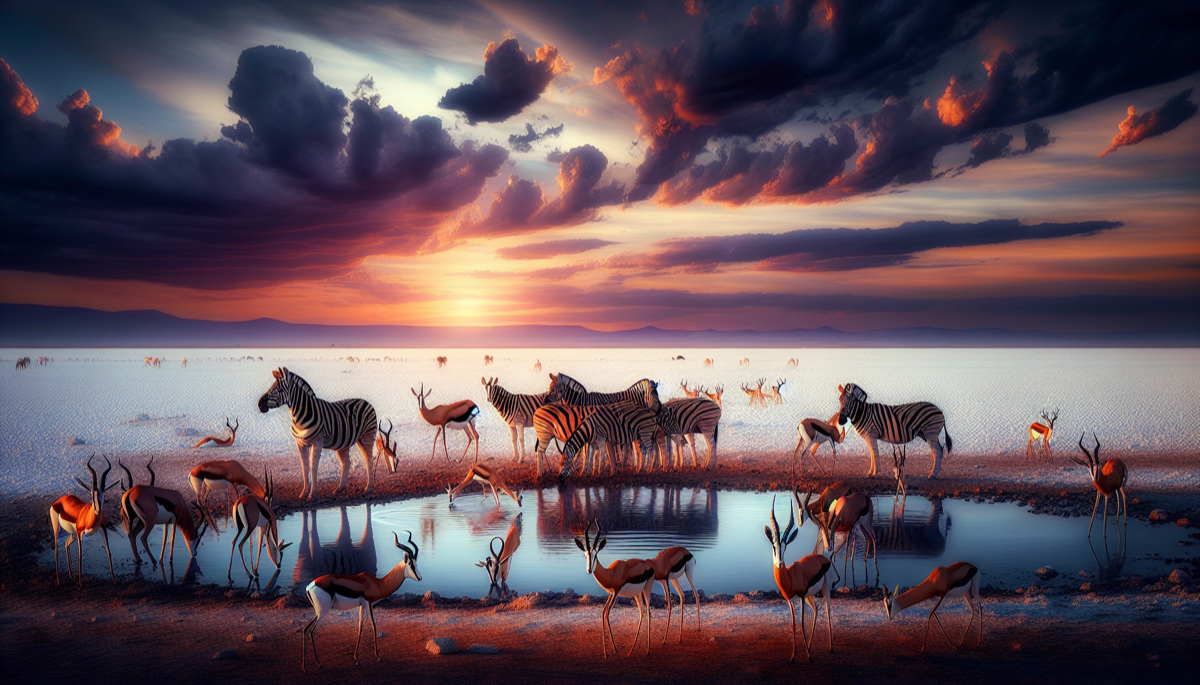
Etosha National Park
Etosha National Park is Namibia's premier wildlife destination, centred around a vast, shimmering salt pan that stretches 120 km across the park's heart.…
Open destination guide →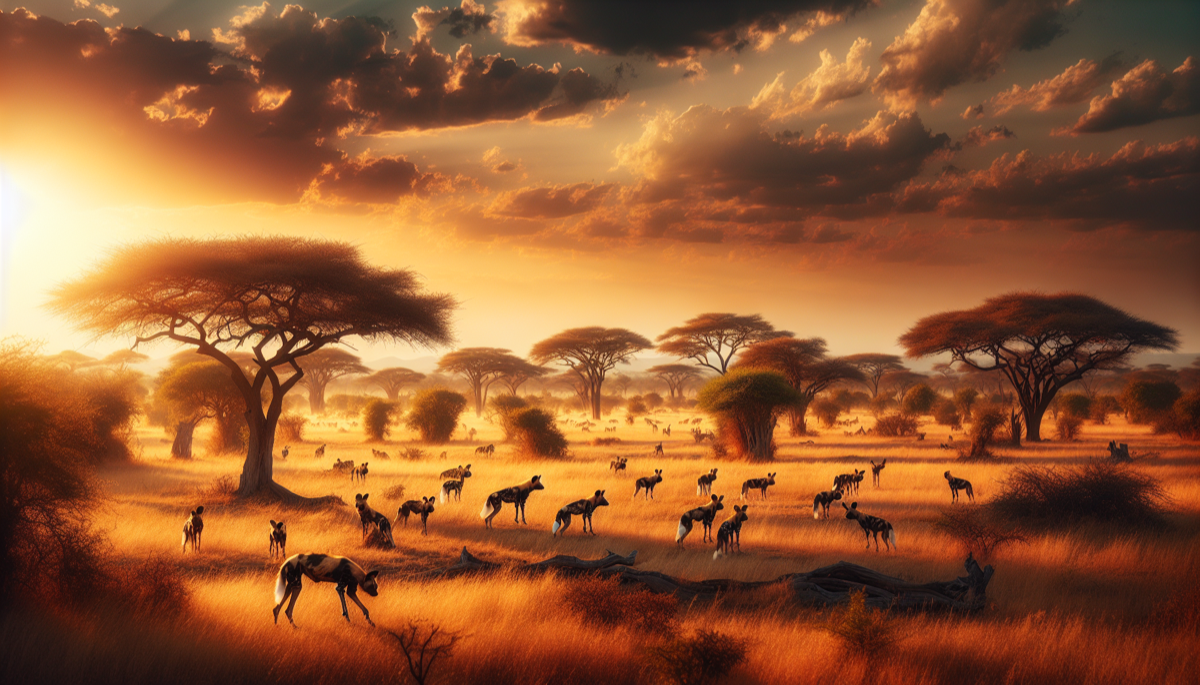
Hwange National Park
Hwange National Park is Zimbabwe's largest and oldest national park, covering 14,651 km2 of semi-arid bushveld, grassland, and teak woodland. The park is…
Open destination guide →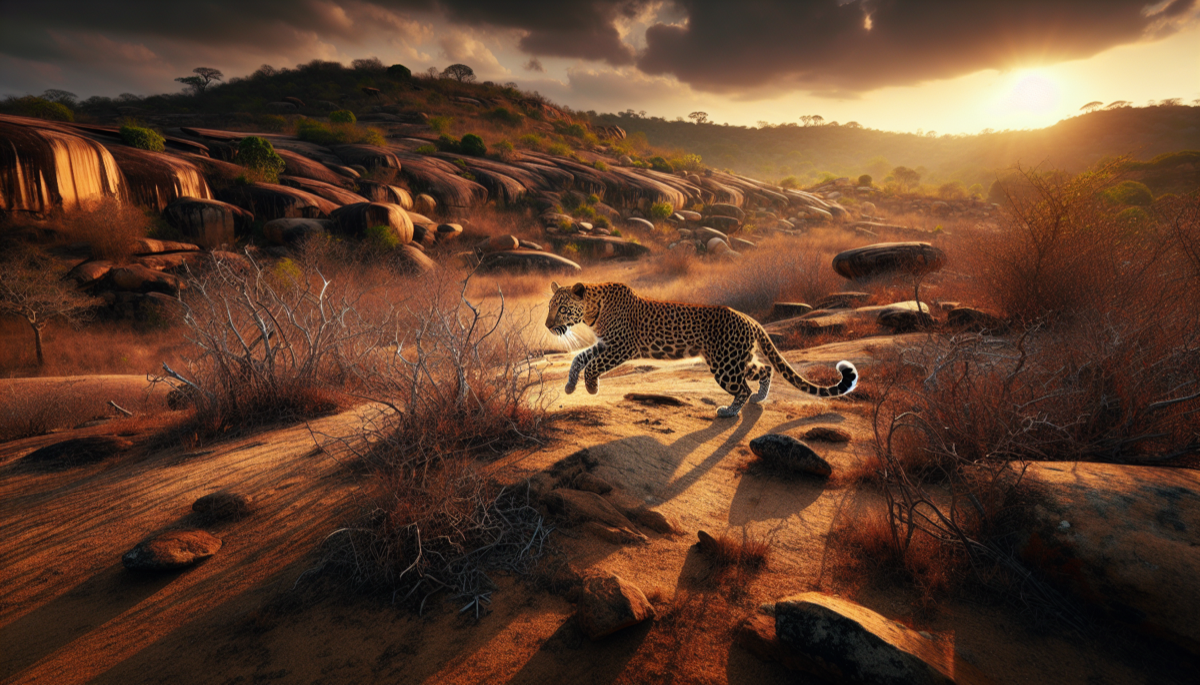
Yala National Park
Yala National Park is Sri Lanka's most visited and second-largest national park, covering 979 km2 of dry monsoon forest, scrubland, and coastal lagoons in the…
Open destination guide →Animals You May Encounter
No species or behaviour is guaranteed. Open the animal guides for wild locations, habitat, seasonal context, safety, conservation status, and alternative places to look.
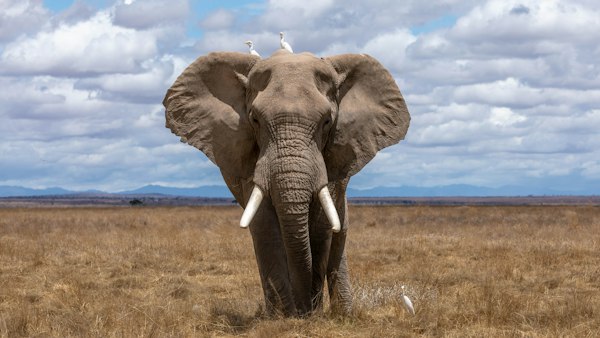
African Elephant
ENLoxodonta africana
Savanna, forest, desert, marshland
Where it lives →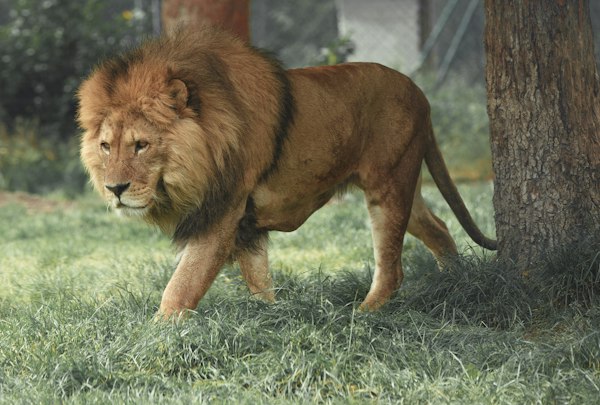
Lion
VUPanthera leo
Savanna, grassland, open woodland
Where it lives →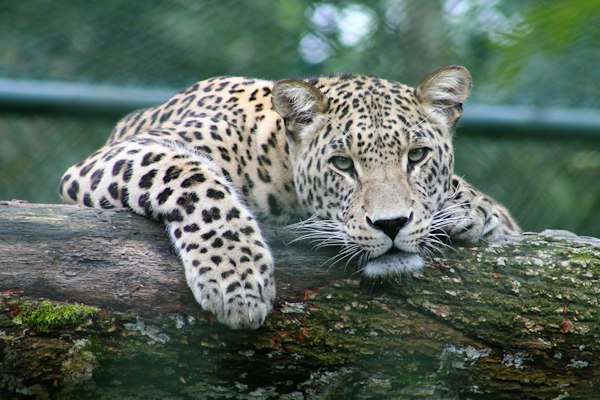
Leopard
VUPanthera pardus
Savanna, rainforest, mountain, desert
Where it lives →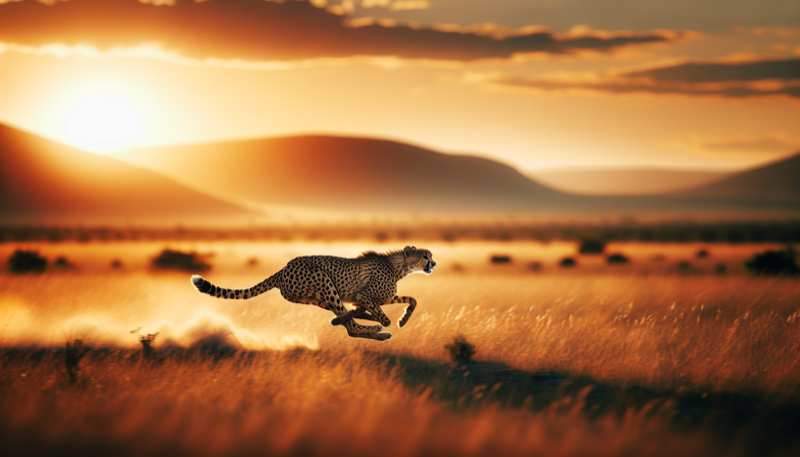
Cheetah
VUAcinonyx jubatus
Open savanna, grassland
Where it lives →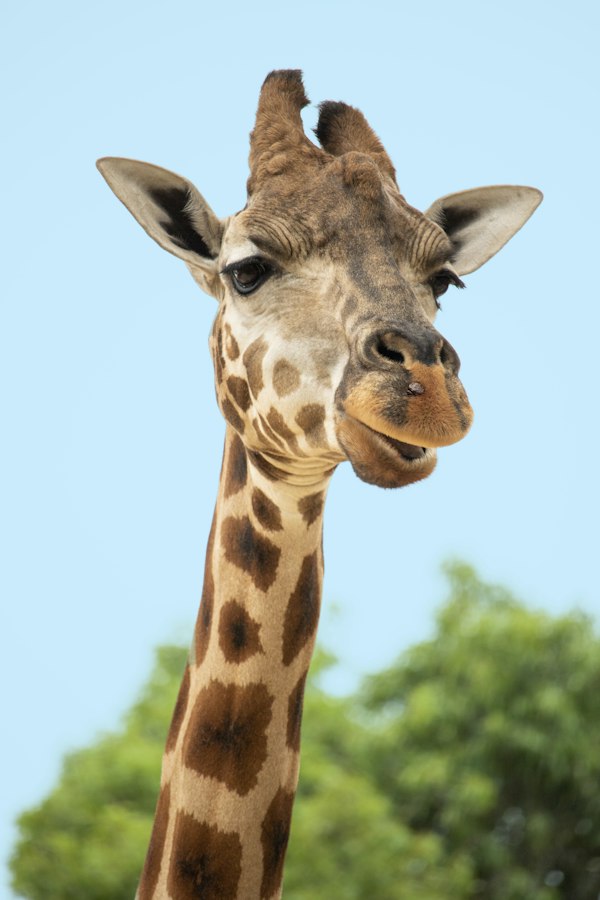
Giraffe
VUGiraffa camelopardalis
Savanna, woodland
Where it lives →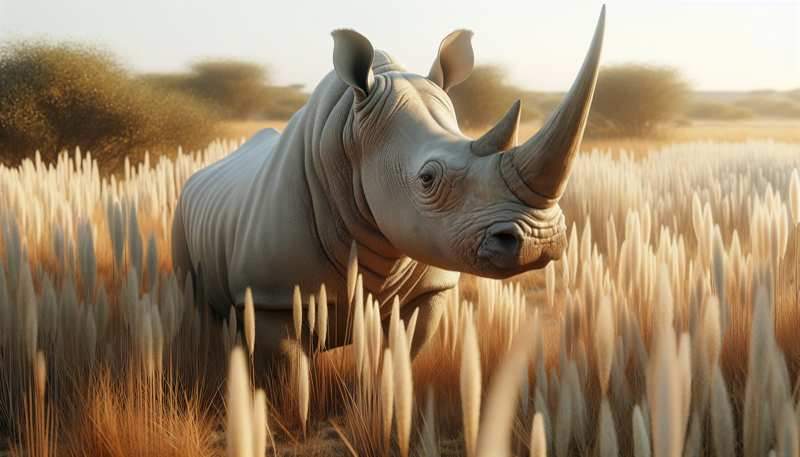
Rhinoceros
CRRhinocerotidae — five living species
Savanna, shrubland, floodplain grassland, wetland, and tropical forest
Where it lives →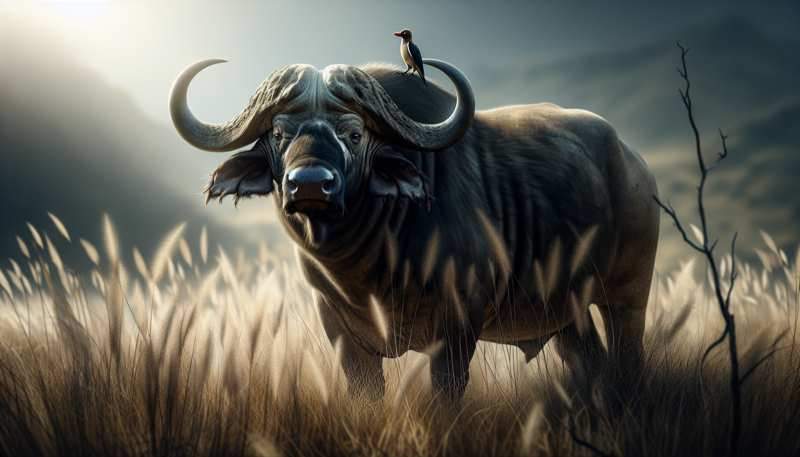
Cape Buffalo
NTSyncerus caffer
Savanna, swamps, floodplains
Where it lives →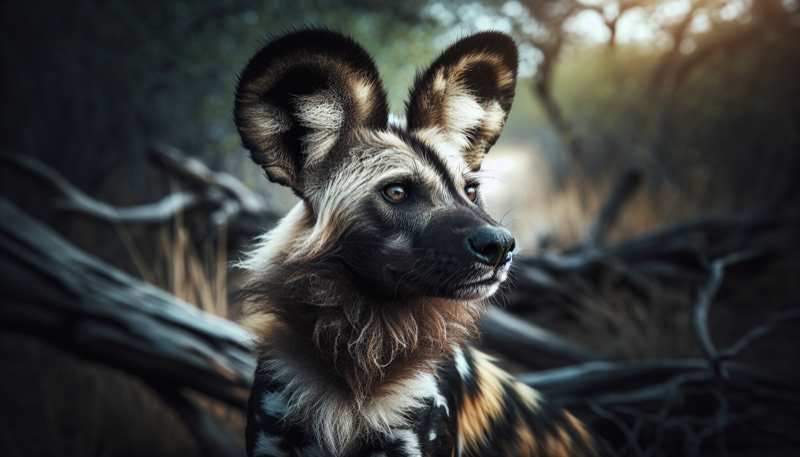
African Wild Dog
ENLycaon pictus
Savanna, open woodland
Where it lives →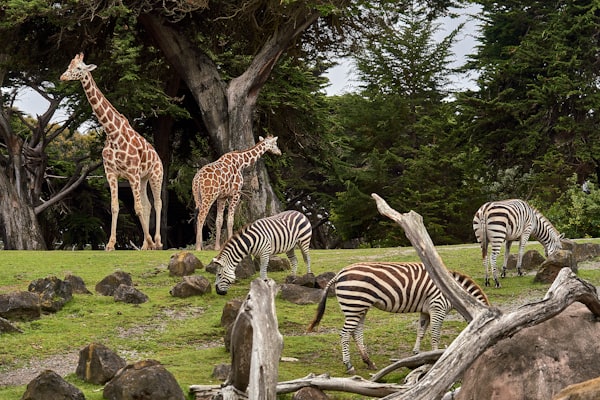
Zebra
NTEquus quagga
Savanna, grassland
Where it lives →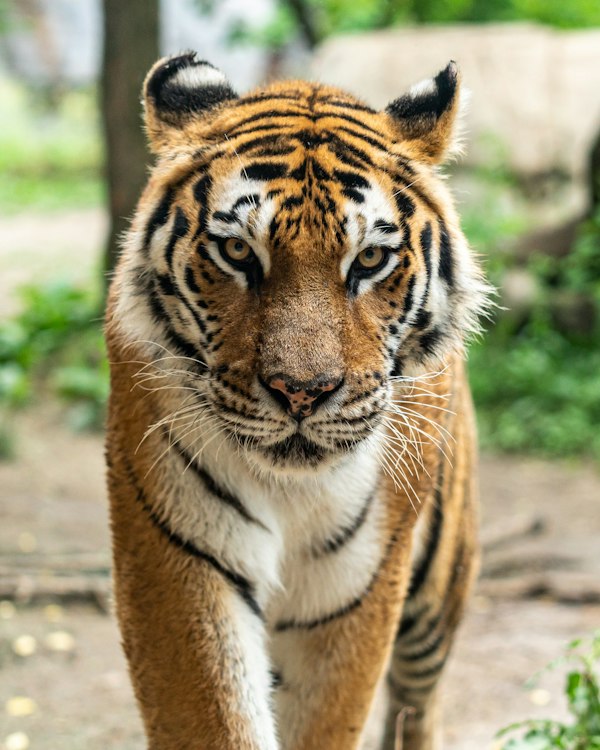
Bengal Tiger
ENPanthera tigris tigris
Tropical and subtropical forests, mangroves, grassland
Where it lives →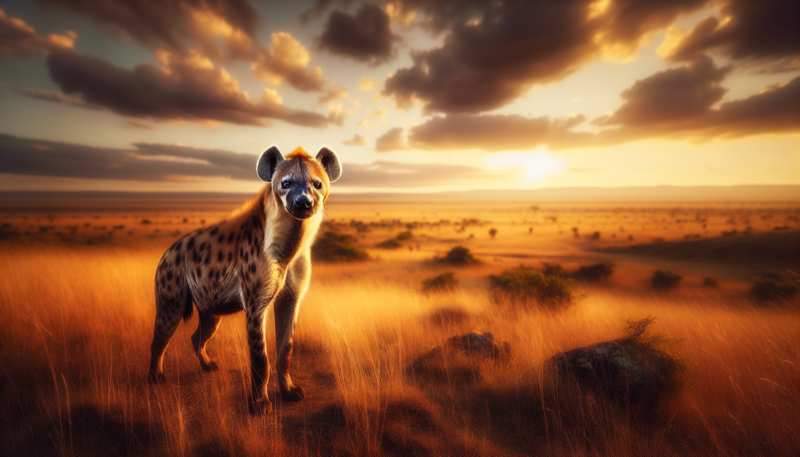
Spotted Hyena
LCCrocuta crocuta
Savanna, grassland, woodland, semi-desert
Where it lives →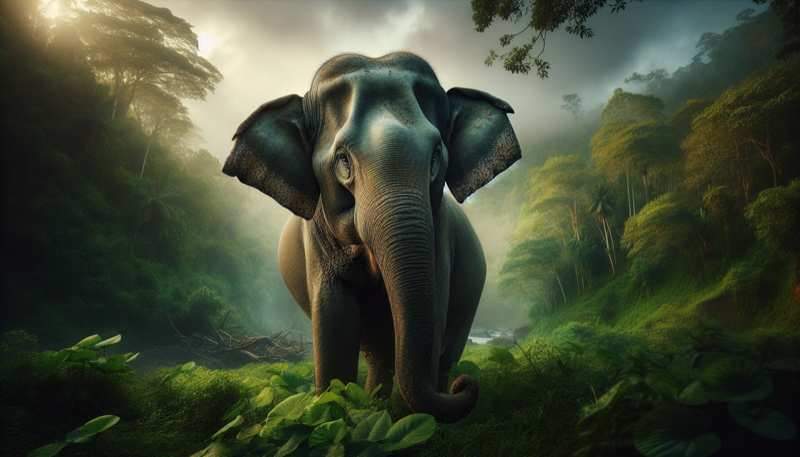
Asian Elephant
ENElephas maximus
Tropical and subtropical forests, grasslands, scrublands
Where it lives →
Pangolin
CRFamily Manidae — eight living species
Species-dependent tropical and subtropical forest, woodland, savanna, grassland, and scrub with suitable prey and shelter
Where it lives →Explore the Habitats
Explore by Country
Safari Game Drives Planning Guides
Compare destinations, itineraries, timing, costs, photography, and responsible choices in our related editorial guides.
The Big Five Safari Guide: See All Five in One Trip
Where and how to see all Big Five animals (lion, leopard, elephant, rhino, buffalo) on a single African safari.
Read guide →Safari Honeymoon: Romantic Africa Trip Planning
Plan a safari honeymoon by comparing destinations, seasons, private experiences, journey time, lodge styles, budgets, and responsible wildlife viewing.
Read guide →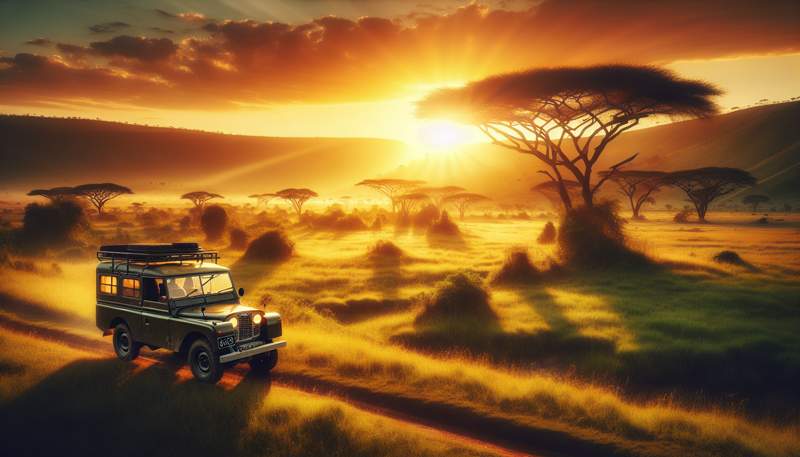
Budget African Safari Planning: Costs and Tradeoffs
Understand the main African safari cost drivers, where careful choices can save money, which compromises affect wildlife time, and what to verify before booking.
Read guide →Threatened Species and Independent Support
10 species connected to this experience are listed in our guides as Vulnerable, Endangered, or Critically Endangered: African Elephant (Endangered), Lion (Vulnerable), Leopard (Vulnerable), Cheetah (Vulnerable), Giraffe (Vulnerable), Rhinoceros (Species range: Near Threatened to Critically Endangered), African Wild Dog (Endangered), and more.
Tourism can contribute through protected-area fees and local work, but it does not replace habitat protection or careful operator practice.
Explore Endangered AnimalsCompare Safari Game Drives Tours
Listings are supplied by an external booking partner. Confirm the exact location, wildlife policy, operator, itinerary, permits, recent reviews, availability, total price, and cancellation terms before booking.

Yala National Park Wildlife Safari/ Game Drive - by Ajith Safari
4 hours
3-Hour Scheduled Safari Game Drive in Pilanesberg National Park
3 hours
Safari Game Drive - Yzerfontein
3 hours
Aquila Big Five Game Reserve Safari with options from Cape Town
9 hours
Big5 Wildlife Game Reserve Safari with wine tasting Transport
8 hours
Exclusive Game Drive & White Rhino Safari in Livingstone Zambia
3 hoursRelated Wildlife Experiences
Walking Safaris
A walking safari shifts attention from covering distance to reading an ecosystem at ground level. Tracks, dung, plants, insects, alarm calls, wind,…
Compare the experience →River and Boat Safaris
River and wetland safaris reveal wildlife that roads cannot reach. Trips range from quiet canoe or mokoro outings to motorboat searches for…
Compare the experience →Wildlife Photography Tours
A wildlife photography tour should improve access, fieldcraft, and learning without turning animal welfare into a competition for the closest frame.…
Compare the experience →