Is Kruger National Park Safe?
Kruger is one of the safest safari destinations in Africa, with excellent infrastructure, well-maintained roads, and reliable cellphone coverage in many areas. The self-drive model means tourists are in control of their experience. SANParks rangers patrol regularly. South Africa's wider crime issues rarely affect tourists inside the park.
Safety Assessment
Detailed breakdown of risks for visitors to Kruger National Park
Wildlife Safety
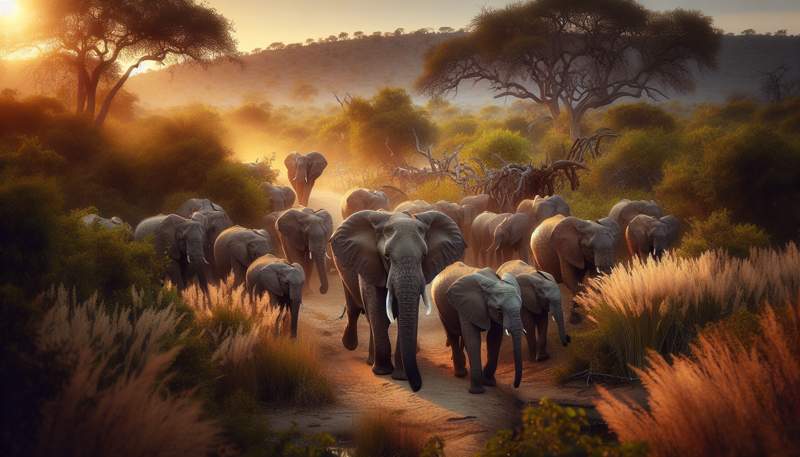
🟡 Medium RiskStay inside your vehicle at all times except in designated areas (rest camps, picnic spots, hides). The Big Five are all present and potentially dangerous. Elephants may charge vehicles — keep a safe distance (at least 50m). At rest camps, don't leave food out, and keep children supervised near fences.
Health Risks
🟡 Medium RiskKruger falls within a malaria zone, particularly in the rainy summer months (October–April). Antimalarial prophylaxis is strongly recommended. HIV prevalence is high in South Africa — pack personal protection. Tap water in rest camps is generally safe to drink.
Crime & Security
🟢 Low RiskInside Kruger, crime is extremely rare. The main risks are on the access roads, particularly at night. Lock your car at rest camps and don't leave valuables visible. Avoid driving after dark outside the park. The N4 and R40 approach roads are generally safe by day.
Transport Safety
🟢 Low RiskRoads inside Kruger are mostly tarred and well-maintained. Speed limits (50 km/h tar, 40 km/h gravel) are strictly enforced. Don't drive on gravel roads after rain — they become slippery. Gates open at sunrise and close at sunset — don't get caught outside after dark (fines apply).
Weather Hazards
🟢 Low RiskSummer (October–March) brings intense heat (35–40°C), afternoon thunderstorms, and occasional flooding of low-water bridges. Winter nights can drop to 5°C. Keep vehicle windows slightly up during sudden storms.
Water Safety
🟢 Low RiskNever swim in rivers or dams — crocodiles are present in most Kruger waterways. Swimming pools at rest camps and private lodges are safe. Tap water at SANParks rest camps is treated and potable.
📞 Emergency Numbers
Save these numbers before your trip
| Service | Number |
|---|---|
| South Africa Emergency | 10111 |
| SANParks Emergency | 013 735 4325 |
| Medical Emergency | 10177 / ER24: 084 124 |
| Fire | 10177 |
💉 Recommended Vaccinations
Consult your travel doctor at least 6 weeks before departure
🛡️ Travel Insurance
Travel insurance is essential. While South Africa has excellent private hospitals (Netcare, Mediclinic), costs are high for non-residents. The nearest major hospitals to Kruger are in Nelspruit (Mbombela) and Hoedspruit. Ensure your policy covers medical evacuation.
Get a Quote from World Nomads →Is Kruger National Park Safe? FAQ
Kruger is one of the safest safari destinations in Africa. Self-driving is straightforward with well-maintained roads and strict speed limits.
No special vaccinations are required for South Africa, but hepatitis A, typhoid, and routine vaccines are recommended by most travel clinics. Always consult your doctor or a travel health clinic at least 6 weeks before departure.
Kruger is in a malaria zone, especially in the wet summer months from October to April. Antimalarial prophylaxis is recommended. Risk is lower in the dry winter.
Kruger is excellent for solo travellers. Self-driving is safe and rest camps have communal areas where you can meet other visitors easily.