Picture this: you're suspended in the crystal-clear waters off South Africa's coast when suddenly, a massive shadow glides into view. A great white shark, one of the ocean's most magnificent predators, cruises past just meters away, its powerful form cutting through the water with prehistoric grace. This isn't a scene from a nature documentary—it's the heart-stopping reality of scuba diving with great white sharks in South Africa, one of the world's most thrilling wildlife encounters. As we head into the Southern Hemisphere's autumn season in March 2026, South Africa's waters are entering prime great white territory, offering intrepid divers an unparalleled opportunity to witness these apex predators in their natural habitat.
Why South Africa is the Ultimate Great White Shark Diving Destination
South Africa's coastline hosts one of the world's largest great white shark populations, making it the premier destination for cage diving and, for the most experienced divers, open-water encounters. The nutrient-rich waters of the Atlantic and Indian Oceans converge here, creating an ecosystem that supports massive seal colonies—the primary food source for great whites.
The country's two main hotspots, Gansbaai and False Bay near Cape Town, offer distinctly different experiences. Gansbaai, often called the "Great White Capital of the World," provides consistent year-round sightings with visibility often exceeding 15 meters. False Bay, meanwhile, offers the unique opportunity to encounter great whites in shallower waters, sometimes just 3-4 meters deep.
What sets South Africa apart from other shark diving destinations is the combination of large shark populations, excellent visibility, and well-established safety protocols. The sharks here are also notably large, with specimens regularly exceeding 4 meters in length. For those seeking comprehensive wildlife experiences beyond sharks, South Africa offers incredible terrestrial wildlife viewing opportunities as well.
Best Time and Locations for Great White Shark Diving
Timing is crucial for successful great white shark encounters in South Africa. The peak season runs from April through September (autumn and winter in the Southern Hemisphere), when cooler water temperatures and increased seal activity draw sharks closer to shore. Currently in March 2026, we're entering the optimal viewing window.
Gansbaai (Western Cape): Located 160 kilometers southeast of Cape Town, Gansbaai offers the most consistent great white shark encounters. The nearby Dyer Island and Seal Island complex creates what locals call "Shark Alley"—a narrow channel where great whites regularly hunt. Water temperatures range from 12-18°C (54-64°F), and visibility can reach up to 20 meters on exceptional days.
False Bay (Cape Peninsula): This massive bay offers unique shallow-water encounters, particularly around Seal Island. The warmer waters (16-20°C/61-68°F) and sandy bottom create excellent visibility conditions. False Bay is particularly renowned for breaching behavior, where sharks launch themselves completely out of the water while hunting seals.
Mossel Bay (Garden Route): An emerging destination that's gained popularity for its calmer waters and healthy shark population. The protected bay offers more comfortable diving conditions for beginners, though encounters can be less predictable than Gansbaai.
To complement your shark diving adventure with other South African wildlife experiences, consider browsing wildlife experiences on GetYourGuide for comprehensive tour packages.
Types of Great White Shark Diving Experiences
South Africa offers several approaches to great white shark encounters, each suited to different experience levels and comfort zones.
Cage Diving
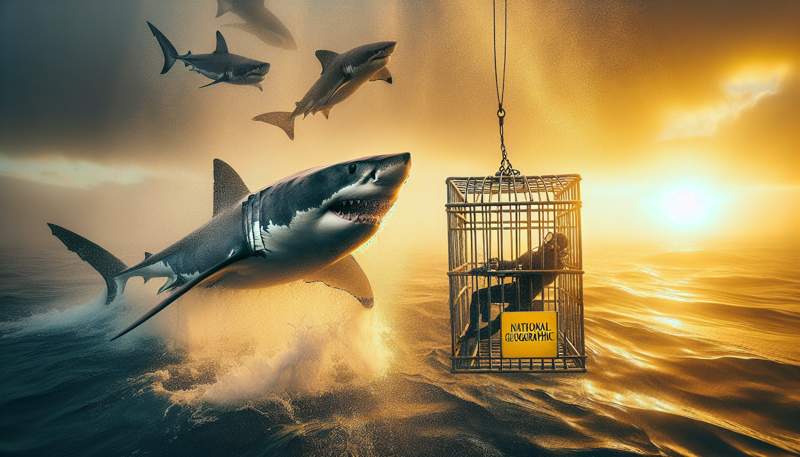
The most popular and accessible option, cage diving allows even non-divers to experience great white encounters. Surface cages accommodate snorkelers, while deeper submersible cages offer a more immersive scuba experience. The sturdy aluminum cages are designed to withstand contact with large sharks while providing excellent photo opportunities. Expect to spend 15-20 minutes per cage rotation, with most operators offering 2-3 rotations per trip.
Open Water Diving (Advanced)
For highly experienced divers only, some specialized operators offer supervised open-water great white encounters. This requires extensive documentation of diving experience (typically 100+ dives minimum), advanced certifications, and thorough safety briefings. These encounters provide unparalleled proximity and natural behavior observation but come with significantly higher risks.
Surface Viewing
Non-divers can still enjoy great white encounters from the boat's surface. Many operators provide viewing platforms and underwater viewing windows, allowing guests to observe feeding behavior and cage diving operations from the safety of the vessel.
Practical Planning: Costs, Bookings, and Logistics
Planning a great white shark diving expedition requires careful coordination of multiple elements, from specialized dive operators to accommodation and transportation.
Costs and Pricing (2026)
Cage Diving Experiences:
- Half-day cage diving: $180-250 USD per person
- Full-day expeditions: $300-450 USD per person
- Multi-day packages: $800-1,200 USD per person (3-4 days)
- Private group charters: $3,000-5,000 USD (up to 12 people)
Additional Costs:
- Wetsuit rental: $15-25 USD per day
- Underwater camera rental: $40-80 USD per day
- Transportation from Cape Town: $80-150 USD round trip
- Accommodation in Gansbaai: $60-200 USD per night
For specialized underwater photography equipment, check current prices on Amazon for waterproof cameras and diving accessories.
Booking and Operators
Choose operators with strong safety records, marine biologist guides, and sustainable practices. Reputable companies include Marine Dynamics, Apex Shark Expeditions, and White Shark Diving Company. Most operators require 48-hour advance booking minimums, with deposits of 30-50% of the total cost.
When booking flights to Cape Town, compare options on Expedia for the best deals. International flights typically arrive at OR Tambo International Airport in Johannesburg, with connections to Cape Town.
Safety Considerations and Requirements
Great white shark diving, while statistically safe when properly managed, requires strict adherence to safety protocols and physical preparedness.
Medical and Physical Requirements
Participants must complete medical questionnaires and may require physician approval for certain conditions. Basic swimming ability is essential, even for cage diving. Age restrictions typically apply (minimum 12-16 years depending on operator), and pregnancy restrictions are standard.
Safety Equipment and Protocols
Professional operators provide comprehensive safety equipment including reinforced cages, emergency oxygen, first aid kits, and communication devices. All activities are supervised by qualified dive masters and marine biologists who monitor shark behavior and water conditions continuously.
Insurance Considerations
Standard travel insurance often excludes "extreme sports" activities. Adventure travel insurance from World Nomads specifically covers shark cage diving and other wildlife encounters, providing essential protection for your investment.
Conservation and Responsible Tourism
Great white sharks face significant conservation challenges, with populations declining due to overfishing, habitat loss, and climate change. Responsible shark diving tourism plays a crucial role in conservation efforts by providing economic incentives for protection and funding research initiatives.
Choose operators that follow strict environmental guidelines: no touching or feeding of sharks, minimal environmental impact practices, and support for local research programs. Many top operators contribute directly to great white shark research through photo identification programs and behavioral studies.
The data collected during commercial diving operations has proven invaluable for understanding great white migration patterns, population dynamics, and behavioral ecology. By participating in responsible shark diving tourism, visitors directly contribute to the species' conservation while experiencing one of nature's most remarkable predators.
Maximizing Your Great White Shark Adventure
To make the most of your great white shark diving experience, consider extending your stay to explore South Africa's other incredible wildlife offerings. The Western Cape region provides easy access to penguin colonies at Boulders Beach, whale watching opportunities in Hermanus, and world-class wine regions in Stellenbosch.
For photography enthusiasts, our comprehensive wildlife photography guide offers specific techniques for underwater shark photography, including camera settings for low-light conditions and composition tips for cage diving scenarios.
Consider combining your shark diving adventure with a traditional land-based safari to experience the full spectrum of South African wildlife. The country's diverse ecosystems support everything from the Big Five to endemic species found nowhere else on Earth. Check our guide to the best African safari destinations for comprehensive planning information.
As March 2026 transitions into the peak great white shark season, there's never been a better time to plan this bucket-list adventure. Whether you're seeking the adrenaline rush of a close encounter with nature's perfect predator or hoping to contribute to important conservation research, scuba diving with great white sharks in South Africa offers an unmatched wildlife experience that will stay with you forever. For accommodation near diving locations, browse options on Expedia to find the perfect base for your shark diving adventure.