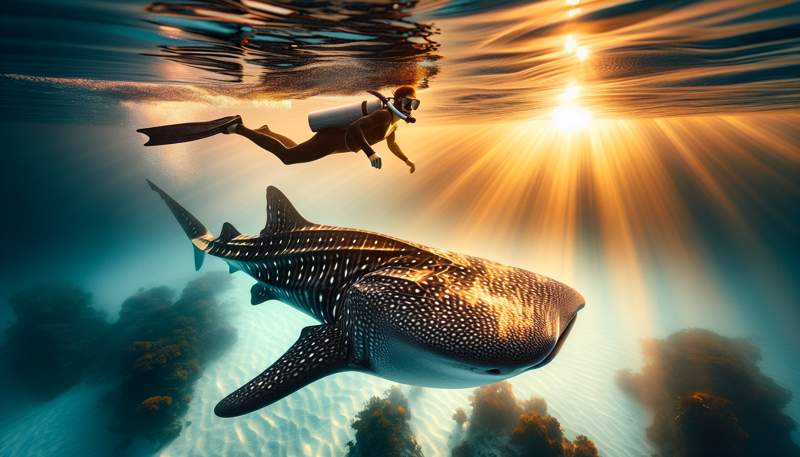
Swimming alongside the world's largest fish is a bucket-list experience that leaves people speechless. Whale sharks (Rhincodon typus) can reach lengths of over 12 meters and weigh more than 20 tonnes, yet they are gentle filter feeders completely harmless to humans. Gliding through the open ocean next to one of these spotted giants is humbling in a way few wildlife encounters can match.
This guide covers the best places in the world to swim with whale sharks, when to go, what it costs, and how to do it responsibly.
1. Ningaloo Reef — Western Australia
The Experience
Ningaloo Reef is widely considered the best place in the world for swimming with whale sharks, and for good reason. The reef stretches 260 kilometers along Western Australia's remote Coral Coast, and between March and July, whale sharks arrive to feed on the coral spawn. The operation here is strictly regulated and conservation-focused, with spotter planes locating whale sharks before small groups of snorkelers are dropped into the water ahead of the animal's path.
What to Expect
Tours depart from Exmouth or Coral Bay. A spotter plane radios the boat when a whale shark is located. You'll kit up quickly, jump in, and swim alongside the shark as it glides past. Encounters typically last 30 seconds to several minutes each, and you'll usually get 5–10 swim opportunities per day. The water visibility is often 15–30 meters — absolutely spectacular.
Season & Cost
- Best months: March through July (peak is April–May)
- Tour cost: AUD $400–500 (~$260–330 USD) for a full-day tour including lunch, gear, and reef snorkeling
- Success rate: Over 95% during peak season
Pro tip: Ningaloo also offers humpback whale swim experiences from August to October, so you can extend your trip for a double marine megafauna experience.
Find whale shark snorkeling tours on GetYourGuide to compare operators and book with flexible cancellation.
Best For
Snorkelers and divers who want the most ethical, well-regulated whale shark experience with excellent water clarity. This is the gold standard.
2. Cancún & Isla Holbox — Mexico
The Experience
Every summer, hundreds of whale sharks gather in the warm waters off Mexico's Yucatán Peninsula to feed on plankton and fish eggs. This is one of the largest known aggregations of whale sharks in the world, with up to 400 individuals in the area at peak times. Trips depart from Cancún, Isla Mujeres, and the quieter island of Isla Holbox.
What to Expect
Tours typically involve a 1–2 hour boat ride to the whale shark feeding area. Mexican regulations allow only two snorkelers plus a guide in the water at a time, so you'll rotate with other guests. The whale sharks are usually feeding at or near the surface, making encounters relatively easy even for beginners. Water visibility is generally 5–15 meters.
Season & Cost
- Best months: June through September (peak is July–August)
- Tour cost: $100–200 USD from Cancún, $120–180 USD from Isla Holbox
- Success rate: Nearly 100% during peak season
Best For
Budget-conscious travelers who want an easy, accessible whale shark experience combined with a Mexico beach holiday. The cost is a fraction of Ningaloo, and you can add on cenote diving, Mayan ruins, and incredible food.
3. Oslob — Philippines
The Experience
Oslob, on the southern tip of Cebu Island, is one of the most controversial whale shark tourism sites in the world. Here, fishermen feed whale sharks daily with small shrimp to keep them in the area year-round. This means sightings are essentially guaranteed every single day — but at a significant ethical cost.
The Ethical Concerns
Marine biologists and conservation organizations have raised serious concerns about Oslob's feeding practice:
- Behavioral alteration: Whale sharks here have changed their natural migratory patterns and become dependent on handouts.
- Injury risk: The high concentration of boats in a small area has led to propeller injuries on whale sharks.
- Crowding: Hundreds of tourists are in the water simultaneously, creating a chaotic environment that stresses the animals.
- Nutritional concerns: The shrimp offered are not nutritionally equivalent to their natural diet of plankton.
While the program provides income to the local community, most responsible travel organizations advise against visiting Oslob for whale shark interactions. If you do go, understand that this is not a natural encounter.
Season & Cost
- Best months: Year-round (that's the problem — it's not natural)
- Tour cost: 1,000–1,500 PHP (~$18–27 USD)
- Success rate: Essentially 100%
Our recommendation: If you're in the Philippines and want a whale shark experience, consider the seasonal encounters at Donsol in Sorsogon province (November–June) instead. Donsol's whale sharks are wild and unbaited, though sightings are less guaranteed.
4. South Ari Atoll — Maldives
The Experience
The Maldives offers something unique: year-round whale shark encounters in some of the clearest water on the planet. The South Ari Atoll is a marine protected area where juvenile whale sharks feed along the outer reef edge. These are typically younger, smaller individuals (4–8 meters) — but swimming with them in 30+ meter visibility turquoise water is absolutely magical.
What to Expect
Many resorts and liveaboards in South Ari Atoll offer daily whale shark excursion dhoni trips. A spotter stands on the bow watching for shadows below the surface. When a whale shark is spotted, snorkelers slip into the water. The Maldives Whale Shark Research Programme has established a strict code of conduct with a 3-meter minimum distance rule.
Season & Cost
- Best months: Year-round, but best from November to April (dry northeast monsoon season, calmer seas, better visibility)
- Tour cost: $80–150 USD for a half-day excursion from a resort; included on most liveaboard itineraries
- Success rate: 80–90% on any given trip
Best For
Honeymooners, luxury travelers, and divers on liveaboard trips. The combination of whale sharks, manta rays, and stunning reef diving makes the Maldives an all-in-one marine paradise.
5. Tofo Beach — Mozambique
The Experience
Tofo Beach, in southern Mozambique, has long been one of Africa's top spots for whale sharks and manta rays. The plankton-rich waters of the Mozambique Channel attract both species, and local dive operators run daily ocean safaris to find them. This is a raw, off-the-beaten-path experience — no luxury resorts, just simple beach lodges and incredible marine life.
What to Expect
Tours use small boats that head out along the coast searching for whale sharks and mantas. The operation is simpler than Ningaloo — no spotter planes, just experienced boat captains scanning the surface. When a whale shark is spotted, everyone jumps in. Encounters can be brief or extended depending on the animal's behavior. Visibility ranges from 5–20 meters.
Season & Cost
- Best months: October to March (summer in the Southern Hemisphere)
- Tour cost: $50–80 USD for an ocean safari
- Success rate: 60–80% during peak season (lower than other destinations)
Best For
Adventurous travelers on a budget who want an authentic, uncrowded experience. Tofo has incredible backpacker vibes, fresh seafood, and some of the best value marine encounters in the world.
Ethical Guidelines for Swimming with Whale Sharks
Whale sharks are classified as Endangered on the IUCN Red List. Every encounter should prioritize the animal's welfare. Follow these guidelines everywhere you swim with them:
- Maintain distance: Stay at least 3 meters from the body and 4 meters from the tail. Never touch a whale shark.
- Don't block their path: Position yourself to the side of the animal, not directly in front of it.
- No flash photography: Flash can startle them. Use natural light settings on your camera.
- Don't chase: If the whale shark swims away, let it go. Never chase or grab onto a whale shark.
- Use reef-safe sunscreen: Chemical sunscreens damage marine ecosystems. Use mineral-based (zinc oxide) sunscreen or wear a rash guard instead.
- Choose responsible operators: Select tour operators that follow established codes of conduct, limit group sizes, and contribute to research or conservation.
Photography Tips for Whale Shark Encounters
Photographing whale sharks while snorkeling requires some preparation:
- Use a wide-angle lens: These animals are enormous. A GoPro or wide-angle housing works brilliantly. Fisheye or 10-18mm equivalent lenses capture the full animal in frame.
- Get below them: The most dramatic shots are from below the whale shark, shooting upward with the sun creating rays through the water.
- Include a human for scale: A diver or snorkeler in the frame immediately communicates how massive these animals are.
- Shoot video too: The graceful movement of whale sharks is best captured on video. Switch between photo and video modes throughout the encounter.
- Waterproof your gear: Even if you're snorkeling, water splashes on boats can damage cameras. Keep everything in dry bags until the moment you enter the water.
What You Need to Know Before You Go
- Swimming ability: You need to be a confident swimmer. Most encounters happen in open ocean, not shallow water. Being comfortable in deep water with no bottom in sight is essential.
- Seasickness: Boats can be on the water for hours searching. Take seasickness medication preventatively if you're prone to motion sickness.
- Fitness: You'll need to swim quickly to keep up when an encounter begins. Fins help enormously.
- Age limits: Most operators require children to be at least 8–12 years old.
Final Thoughts
Swimming with a whale shark is one of those rare wildlife experiences that exceeds every expectation. The sheer size of these animals, their gentle demeanor, and the ethereal feeling of floating alongside them in the open ocean — it's transformative.
Choose your destination based on your budget, travel plans, and ethical standards. Ningaloo is the gold standard for a reason. Mexico offers incredible value and easy access. The Maldives combines whale sharks with world-class diving. And Mozambique delivers raw, adventurous encounters on a budget.
Wherever you go, respect these magnificent animals, follow the guidelines, and savor every second in the water. These encounters are a privilege, not a right — and by choosing responsible operators, you help ensure whale sharks will continue to cruise the world's oceans for generations to come. Don't forget adventure travel insurance from World Nomads for water-based activities, and check Amazon for waterproof cameras and snorkeling gear before your trip.