
San Diego Zoo
Independent visitor guide · last checked
About San Diego Zoo
San Diego Zoo is a large nonprofit wildlife venue in Balboa Park operated by San Diego Zoo Wildlife Alliance. Its hillside site combines walking routes, planted habitats, transport options, animal presentations, and conservation interpretation. This guide covers the city zoo, not the separate Safari Park in Escondido.
What Stands Out
- A broad collection arranged across a large, hilly garden setting
- A map, app, bus tour, and mobility routes that can help structure the day
- Giant panda viewing and other animal areas whose access can change
- A separate Safari Park that requires its own journey, ticket, and plan
Independent listing: WhereAnimalsLive is not operated by, paid by, or authorised to speak for San Diego Zoo. Animal holdings, exhibits, hours, prices, access arrangements, and experiences change. The official venue pages remain the source of truth.
How to Plan San Diego Zoo
Use this context to frame the day, then verify the operational details on the official planner for your date.
Build the Whole Journey
The zoo is in Balboa Park. The official planner lists driving directions, current parking arrangements, and public transport connections; do not confuse it with the Safari Park in Escondido.
Choose a Realistic Route
Allow most of a day if you want to cross the full site without rushing. Prioritise a shorter route around a few animals if steep grades, heat, or limited walking time are concerns.
Check Individual Needs
The official visitor page describes accessible parking, restrooms, selected tours and habitats, an on-call mobility shuttle, and steep grades in parts of the zoo. Review its current accessibility map before arrival.
Plan Around Conditions
Check the dated hours, map, animal notices, weather, transport services, and any experience reservations on the official site. Build the route around terrain and the animals that matter most rather than trying to cover every path.
San Diego Zoo Visitor Checklist
Availability is not evidence of suitability. Check the exact product, venue rules, access needs, and current animal information before committing travel time or money.
- Confirm you selected San Diego Zoo rather than San Diego Zoo Safari Park
- Check dated hours, parking, map, and current animal notices
- Plan for hills, sun, water, and rest breaks
- Reserve optional experiences only through a route you have verified
Animals Connected to San Diego Zoo
These links connect the venue with our species guides; they are not a live inventory or viewing guarantee. Check the official animal directory before visiting.
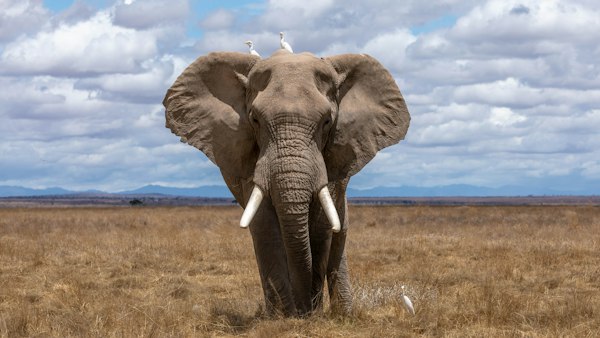
African Elephant
Savanna, forest, desert, marshland
Where it lives →
Koala
Eucalypt forest and woodland across eastern and south-eastern Australia
Where it lives →
Polar Bear
Arctic sea ice, coastal tundra
Where it lives →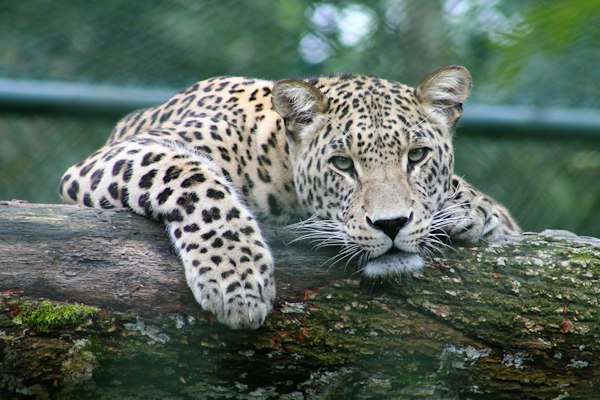
Leopard
Savanna, rainforest, mountain, desert
Where it lives →
Orangutan
Lowland, peat-swamp, riverine, hill, and montane forests in Borneo and northern Sumatra, with species- and population-specific ranges
Where it lives →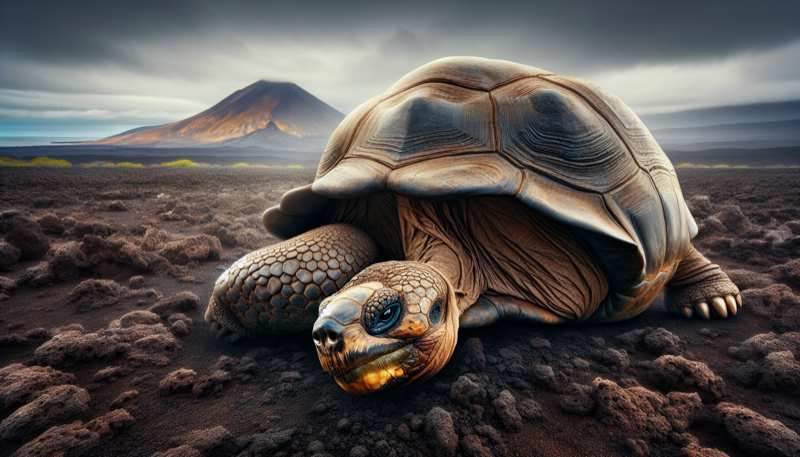
Galapagos Giant Tortoise
Volcanic islands, grassland, scrubland
Where it lives →
Jaguar
Tropical rainforest, wetlands, grassland
Where it lives →Visit San Diego Zoo Responsibly
Treat every enclosure as the animal's home: follow barriers and staff instructions, keep voices low, disable flash, and accept that an animal may choose shade or an off-view space. A ticket supports the venue generally; it does not guarantee access to a named animal or direct a fixed amount to a particular conservation project.
Zoo and aquarium visits can support education, care, science, and conservation, but proximity alone proves none of those outcomes. Look for transparent welfare standards, current reports, evidence of field partnerships, and clear rules for encounters.
Compare Zoo and Wild ViewingRelated Animal and Visitor Guides

Zoo vs Wild: Is It Better to See Animals in Captivity or Nature?
An honest comparison of zoo and wild viewing experiences. Conservation impact, animal welfare, accessibility, cost, and which option is right for you.
Read guide →
Polar Bear Viewing in Churchill: The Complete Experience
Everything you need to know about seeing polar bears in Churchill, Manitoba. When to go, how to get there, tundra buggy tours, and what to expect.
Read guide →
Where to See Koalas in the Wild
Compare Raymond Island, Kangaroo Island, Magnetic Island, and the Otways for wild koalas, with access, tours, welfare, fire safety, and conservation context.
Read guide →Compare San Diego Zoo Tickets and Experiences
These listings come from an external booking partner. Confirm the venue, date, inclusions, operator, cancellation terms, and official admission conditions before purchase.


More Zoo and Aquarium Guides
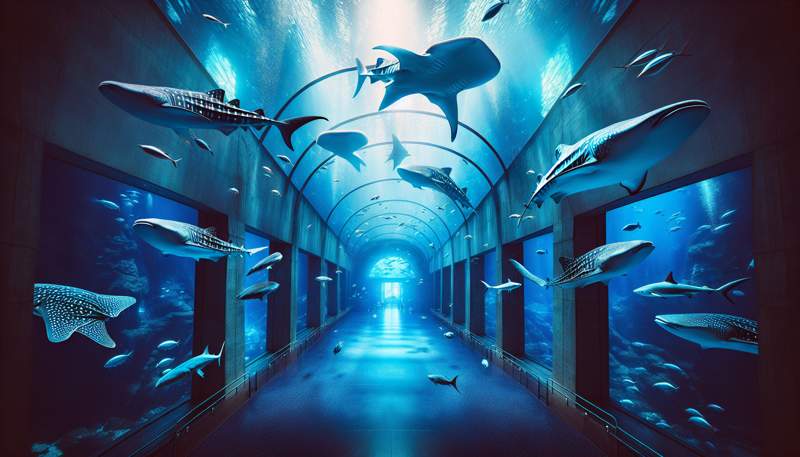
Georgia Aquarium
Georgia Aquarium is a major indoor aquarium in downtown Atlanta. Its galleries include large ocean habitats and marine-animal presentations, while separately booked programmes may have additional age, health, mobility, or equipment requirements. Animal care and operational needs can change what is visible on any particular day.
Open visitor guide →
London Zoo
London Zoo is a conservation zoo in Regent's Park run by the Zoological Society of London. The historic city site combines animal habitats, daily interpretation, education, and paid experiences. Its central location makes it easier to combine with a London itinerary, but opening times, talks, access routes, and animal availability still require a current check.
Open visitor guide →
Singapore Zoo
Singapore Zoo is one of the wildlife attractions at Mandai Wildlife Reserve. The rainforest-style venue uses landscaped habitats and includes walking routes, an in-park tram, presentations, feeding sessions, and family facilities. It is distinct from Night Safari, River Wonders, Bird Paradise, and the other Mandai attractions, even when passes bundle them.
Open visitor guide →San Diego Zoo Visitor FAQ
Start with the official planning and ticket pages linked in this guide. Check the selected date, entry time, age bands, concessions, add-ons, cancellation rules, and whether any optional experience is included. Third-party listings can be useful for comparison, but the zoo's current terms remain the source of truth.
No. The species links show why this venue is relevant to our wildlife guides, not a sighting guarantee or a live inventory. Animals can move, rest, receive care, or be off view, and habitats can close. Check the venue's current animal and operational notices before travelling.
Follow staff instructions and barriers, keep voices down, supervise children, disable flash, never feed or call to an animal unless an official programme specifically permits it, and accept that animal welfare can override a presentation or encounter. Review conservation claims through the venue's published work rather than assuming what one ticket funds.