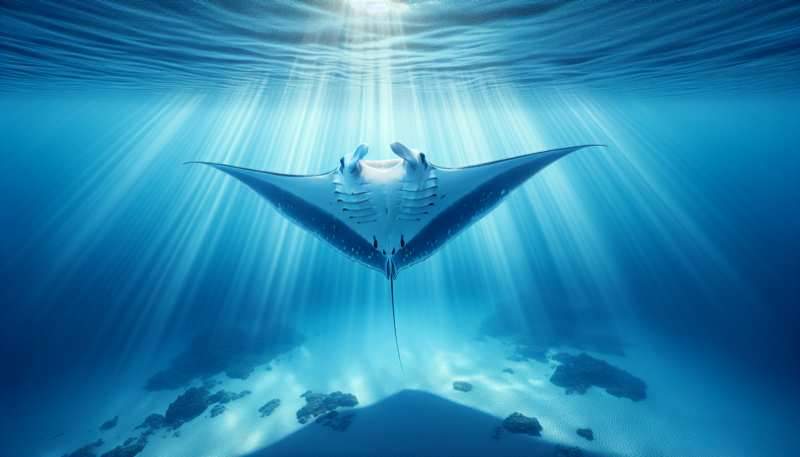
The best wildlife destination in Australia depends on the habitat and field method you want. Choose Kangaroo Island for a road-based island circuit combining regulated Australian sea-lion access, coastal parks, free-living kangaroos, wallabies, echidnas, birds, and introduced koalas; Ningaloo Coast for a remote Western Australian reef journey with distinct Coral Bay and Exmouth routes; the Great Barrier Reef for the widest choice of marine gateways and water-based formats; the Wet Tropics and Daintree for rainforest interpretation and a possible wild cassowary; Kakadu for Aboriginal cultural landscape, monsoonal wetlands, birds, and safely managed crocodile observation; or Maria Island for a ferry-accessed, vehicle-free Tasmanian walking and cycling trip with conspicuous land wildlife.
There is no honest single winner. Australia is a continent-scale country, and a reef boat, tropical rainforest boardwalk, remote wetland cruise, island road trip, and car-free Tasmanian park have different seasons, hazards, mobility demands, permissions, conservation questions, and no-sighting risks. Choose the ecosystem first, then verify the exact public route.
Use the Australia wildlife country guide for species and habitat discovery and the Oceania wildlife hub for regional context. The reviewed Kangaroo Island guide, reviewed Ningaloo guide, and reviewed Great Barrier Reef guide turn three of the routes below into complete planning sequences.
Australia wildlife destinations compared
| Destination | Best fit | Primary field method | Wildlife focus | Main planning constraint |
|---|---|---|---|---|
| Kangaroo Island, South Australia | Independent road trip with several protected areas and a regulated sea-lion experience | Rental vehicle or tour, official roads and trails, Seal Bay access, lookouts, and patient roadside observation | Australian sea lions, kangaroos, wallabies, echidnas, raptors, coastal birds, and free-living introduced koalas | Ferry or flight connection, long island drives, limited transport, fire danger, road wildlife, closures, and no complete-species guarantee |
| Ningaloo Coast, Western Australia | Remote reef, coast, snorkelling, diving, or licensed marine-wildlife trip | Coral Bay or Exmouth base, shore access, boat activity, Cape Range roads and trails, or a mixed land-and-sea plan | Coral communities, reef fish, turtles, manta rays, whale sharks, humpbacks, seabirds, and arid-zone wildlife, all route- and season-dependent | Coral Bay and Exmouth are separate bases; distance, heat, cyclone risk, water skill, operator licensing, and wildlife timing matter |
| Great Barrier Reef, Queensland | Largest range of marine gateways, islands, boats, pontoons, snorkelling, diving, sailing, and dry-viewing alternatives | Named operator and exact reef or island from a chosen Queensland gateway | Corals, reef fish, turtles, sharks, rays, seabirds, whales, dolphins, and dugongs as site-dependent possibilities | The Reef is not one condition or product; compare current regional health, zoning, weather, water skill, sea time, and site selection |
| Wet Tropics and Daintree, Queensland | Rainforest ecology, birding, boardwalks, guided walks, and a possible cassowary | Official trails, boardwalks, visitor centres, guided interpretation, and cautious road travel | Cassowary possibility, rainforest birds, reptiles, insects, plants, and smaller mammals | Dense-forest visibility, crocodiles, marine stingers, heat, rain, road crossings, limited mobile service, and park alerts |
| Kakadu, Northern Territory | Wetlands, Aboriginal culture, birding, escarpment country, and safe crocodile observation | Open official sites, viewing platforms, authorised cruises, marked routes, cultural activities, and route-suitable vehicle | Waterbirds, freshwater and saltwater crocodiles, wallabies, reptiles, insects, and many other wetland and woodland species | Seasonal flooding, high heat, crocodile risk, long drives, weak communications, road class, fire, and frequently changing site access |
| Maria Island, Tasmania | Quiet walking or cycling with accessible land wildlife and natural-cultural history | Passenger ferry, foot or bicycle travel, official tracks, camps or simple accommodation, and independent observation | Wombats, wallabies, kangaroos, birds, and island conservation history | No visitor cars, ferry and baggage planning, limited services, changeable weather, biosecurity, and maintaining distance from habituated wildlife |
This is a traveller-fit comparison, not a biodiversity ranking. The Great Barrier Reef covers an immense marine system, but a visitor experiences only the named sites reached by one vessel. Maria Island has a much smaller species list yet can provide an unusually coherent low-vehicle journey. Kakadu can be exceptional even when a famous waterfall is inaccessible, while a Wet Tropics walk succeeds through forest interpretation even without a cassowary.
How the shortlist was chosen
A destination appears here only when an official authority connects wildlife habitat to a realistic visitor method. The criteria are: a named protected area or management system; lawful public access; an identifiable gateway; official safety and behaviour guidance; a route that can be verified before travel; and enough habitat value that the journey remains worthwhile without one headline animal.
Australia’s national tourism body is useful for orientation, and its Kangaroo Island guide explains the basic air, ferry, and road choices. It is not a substitute for the park authority, fire service, marine authority, ferry, airline, or operator on the travel date. Marketing establishes an idea; live operating sources decide whether the route works.
The shortlist also avoids turning an animal’s Australian range into a tourism promise. Koalas occur in parts of eastern and southern Australia but are not uniformly distributed or equally secure. Manta rays and whale sharks occur at multiple marine destinations, but a species occurrence record does not establish a licensed swim, a suitable month, or a sighting probability. The site, field method, rules, and current evidence must connect.
1. Kangaroo Island: best road-based island wildlife circuit
Kangaroo Island is the strongest all-round choice for travellers who want independent road access, multiple habitats, and several days of wildlife without making a boat activity the entire trip. The island combines coast, mallee, woodland, farmland, wetlands, beaches, and major protected areas. It works best as a circuit, not a rushed extension from Adelaide.
Seal Bay is the most structured wildlife experience. South Australia’s park service describes boardwalk and guided access at Seal Bay within a regulated Australian sea-lion reserve. Buy the current access product from the official channel and follow ranger boundaries. A guide does not turn a sea lion into a contact animal; resting, nursing, travelling, or alert animals must keep control of the encounter.
Flinders Chase National Park adds coastal geology, walking, habitat recovery, and possible kangaroos, wallabies, echidnas, birds, and other wildlife. Check the official Flinders Chase park page for current access, closures, fees, facilities, and alerts. Do not treat a landmark car park as a substitute for slow field time elsewhere on the island.
Koalas require careful context. They were introduced to Kangaroo Island in the twentieth century and are actively managed; they are not evidence that the island preserves an untouched koala system. South Australia’s environment department explains the regional management history. Observe free-living animals without touching, feeding, offering water, crowding a tree, or directing traffic around them. Our wild koala destination guide compares Kangaroo Island with Raymond Island, Magnetic Island, and the Otways.
The practical constraint is transport. There is no island-wide public network suited to a wildlife circuit. Compare flight and vehicle-passenger ferry schedules, the exact rental company’s ferry and unsealed-road rules, refuelling, after-dark driving, and a final-night buffer. Kangaroos, wallabies, echidnas, possums, and birds can be on roads. Slow down and avoid building an itinerary that requires night driving.
Fire is a route decision, not a packing footnote. The Country Fire Service publishes advice for travelling during South Australian fire danger. Check the fire-danger rating, warnings, bans, park status, and local route before setting out. Do not enter an area under a catastrophic fire-danger warning and never bypass a closure for a wildlife sighting.
Choose Kangaroo Island when
- You want a multi-day road journey where landscapes and common wildlife matter as much as one target animal.
- Your group benefits from a mix of short walks, boardwalks, lookouts, beaches, and guided or independent options.
- You can drive cautiously, keep plans flexible, and reserve enough time for ferry or flight disruption.
- You understand that introduced koalas and regulated sea-lion access carry different conservation stories.
2. Ningaloo Coast: best remote reef-and-land combination
Ningaloo suits travellers who want a less urban, more remote reef journey and are willing to choose their base before their activity. The UNESCO Ningaloo Coast World Heritage property links an extensive fringing reef with Cape Range’s arid terrestrial system. That land-and-sea relationship is the destination’s real strength.
Coral Bay and Exmouth are not two names for the same base. Western Australia’s park service describes Coral Bay as a marine-park access point, while the wider Ningaloo Marine Park guide connects multiple zones and recreation types. Exmouth is closer to Cape Range roads and other departure patterns; Coral Bay has its own shore and boat routes. Ask a seller which town, beach, ramp, reef sector, and licensed activity it actually uses.
Manta rays, whale sharks, humpback whales, turtles, corals, and reef fish should be treated as separate trip questions. Their timing, rules, boat methods, water-entry standards, and probability differ. The reviewed manta destination comparison explains why Coral Bay can be a strong manta option without making a year-round guarantee. The manta species guide separates reef and giant oceanic mantas, and the manta snorkelling and diving guide covers passive interaction.
Ask a marine operator for the legal company, current licence, passenger limit, spotter method if used, maximum swimmers, guide ratio, equipment, medical rules, minimum age, swimming threshold, wildlife code, no-sighting terms, and weather cancellation. No operator controls the animal. A licensed activity is not permission to touch, chase, ride, feed, surround, block, or repeatedly enter in front of wildlife.
Add Cape Range carefully rather than filling every non-boat hour. Heat, limited shade, road distance, park alerts, track conditions, water supply, and wildlife on roads can constrain a land day. The Western Australia government’s park planning entrypoint explains why current alerts and local preparation matter.
Choose Ningaloo when
- You value a remote coast and arid-land extension as well as the marine activity.
- You can select Coral Bay or Exmouth from the exact trip rather than asking which town is “best” in isolation.
- You meet the water, medical, heat, driving, and journey requirements for the chosen route.
- You can keep a habitat-led alternative when wind, swell, cyclone risk, wildlife, or operator safety cancels the boat.
3. Great Barrier Reef: best choice of marine formats and gateways
The Great Barrier Reef offers the broadest choice, not one universally superior site. Cairns and Port Douglas, Townsville, the Whitsundays, Mackay, the Capricorn Coast, Gladstone, Bundaberg, islands, and liveaboard departures lead to different reef sectors. Start with the exact reef, island, sea time, and field method, then choose the gateway and accommodation.
The Reef Authority’s visitor entrypoint distinguishes ways to visit, high-standard tourism, zoning, locations, wildlife practice, and incident reporting. A traveller who cannot or does not want to snorkel may still compare pontoons, glass-bottom boats, semi-submersible viewing, island nature, sailing, or scenic observation. A certified diver should compare exact sites, depth, current, surface conditions, staff, gas and emergency systems, not assume every “outer reef” product is advanced or equivalent.
Reef condition must be represented honestly. The Authority’s live reef health updates report temperature, rainfall and flood plumes, cyclones, bleaching, coral damage, disease, surveys, and crown-of-thorns activity by reporting period and region. The July 2026 update describes differing survey results across northern, central, and southern regions. That evidence does not justify labelling the whole system either pristine or dead. Ask which named sites an operator currently uses, what recent monitoring shows, and how it selects an alternative.
Independent boaters and commercial guests both need rules. The Authority’s zoning guidance explains that activities can be allowed, restricted, prohibited, or permission-dependent by zone. Its Responsible Reef Practices cover low-impact boating and anchoring, wildlife space, no feeding or pursuit, coral contact, waste, and use of the Eye on the Reef app.
Do not universalise a wildlife calendar. Humpback migration, dwarf minke encounters in some northern operations, turtle nesting or hatching, coral spawning, manta activity, seabirds, dugongs, dolphins, and sharks have different sites and mechanisms. The responsible question is not “What can I tick off in October?” but “What evidence connects this species, method, and operator to this site and date?”
Choose the Great Barrier Reef when
- You need the widest choice of gateway, trip duration, vessel, island, water activity, and stay-dry alternative.
- You are prepared to compare exact sites and current regional condition instead of buying a generic Reef label.
- You will accept the captain’s weather, site, medical, and safety decision without demanding the advertised photograph.
- You want to pair reef time with Queensland rainforest but can treat them as separate protected-area plans.
4. Wet Tropics and Daintree: best rainforest route
The Wet Tropics is the strongest counterpoint to Australia’s open-coast and road wildlife. Dense rainforest reduces long-distance visibility, so success comes from a knowledgeable guide, patient listening, plant and invertebrate interpretation, dawn or quieter field time where lawful, and a route that works without a cassowary.
The Queensland park service’s Daintree discovery guide connects boardwalks and walks with serious safety and behaviour boundaries. It advises visitors not to feed cassowaries, to drive slowly, to remain on tracks and boardwalks, to assume crocodile risk around waterways and edges, and to recognise that marine stingers may occur year-round with greater risk in warmer conditions. Limited mobile coverage makes downloading alerts and plans important.
A cassowary is never a roadside prop. Stop only where lawful and safe; do not block traffic, leave a marked route, offer food, surround the bird, follow it into vegetation, or place a child between adults and wildlife. If a bird approaches, follow current ranger guidance and give it a clear route. A photograph is not worth teaching a powerful wild bird to associate vehicles and people with food.
Mossman Gorge provides a more structured access point, including a visitor centre and shuttle arrangements described by the official Mossman Gorge page. It is also Kuku Yalanji Country. Treat cultural interpretation and permission as central, not as decoration around a wildlife search. Verify photography, access, shuttle, swimming, and closure rules on the day.
A Reef-plus-Daintree itinerary is popular because Cairns or Port Douglas can act as a shared gateway, but it should not be compressed into one “reef meets rainforest” claim. Boat weather, rainforest rain, river conditions, road access, heat, stingers, crocodiles, and park alerts work independently. Protect enough time to cancel one activity without cancelling the trip.
5. Kakadu: best wetland, culture, and crocodile journey
Kakadu is not simply Australia’s crocodile destination. It is an Aboriginal cultural landscape jointly managed with Traditional Owners, with floodplains, billabongs, stone country, savanna woodland, monsoon forest, rock art, seasonal burning, and a large wildlife community. Choose it when that complete context is the reason to go.
Access is genuinely dynamic. Kakadu’s live access report lists site, road, walk, campground, water, crocodile, maintenance, and seasonal status. On 14 July 2026 it stated that the Jim Jim and Twin Falls area would remain closed for 2026 and listed several other routes as closed, restricted, or under reassessment. A brochure, saved map, or previous trip report cannot override that page or a ranger.
Traditional Owners recognise six seasons rather than a simple dry-versus-wet binary. The park’s season guide connects weather, water, plants, animals, and cultural knowledge. Tropical summer can transform the wetlands and make aerial or year-round sites valuable while floodwater closes roads and ground routes. More sites may open through drier months, but heat, fire, crocodile management, road work, and individual closures still decide the day.
Observe crocodiles only through a safe official method such as an open viewing platform or commercial cruise. The park’s safety guidance warns that crocodiles inhabit many waters, can attack in shallow water and from small boats, and may be present without a sign or visible animal. Never improvise a bank viewpoint, wade, collect water, assume a clear pool is safe, or copy another visitor’s risky position.
Long drives, heat, limited phone coverage, flooded or unsealed roads, fuel, water, vehicle restrictions, and remote care need explicit planning. Use marked routes and current road advice, carry the park’s recommended supplies, tell someone the plan, and check rental restrictions before entering a four-wheel-drive road. For wildlife, binoculars and a quiet official viewpoint beat an unsafe close approach.
Choose Kakadu when
- Culture, landscape, birds, wetlands, and seasonal change are primary, with crocodiles as one part of the system.
- You can change the itinerary every day around the live access report and ranger instructions.
- You are prepared for heat, water, long distances, limited communications, road restrictions, and remote medical planning.
- You will use a platform or authorised cruise and never convert the water’s edge into a wildlife hide.
6. Maria Island: best car-free land-wildlife alternative
Maria Island is the useful small-scale alternative to Australia’s remote tropical routes. Tasmania’s park service describes a passenger-ferry national park with no visitor vehicles, limited facilities, walking and cycling, convict history, fossil cliffs, and habitat for wildlife protected or pressured elsewhere. The experience is quiet and legible: arrive with what you need, move slowly, and share tracks and lawns with animals.
The official Maria Island National Park guide asks visitors to maintain a respectable two-metre distance from all wildlife. Two metres is not a target. Wombats that appear unconcerned can still be displaced, surrounded, touched, fed, or trained by repeated visitor behaviour. Use a longer lens, keep the animal’s path open, and step farther away if it changes direction, feeding, rest, or vigilance.
Plan the ferry, passenger check-in, luggage, bicycle, food, water, accommodation or camping, waste, weather layers, and return buffer as one system. Biosecurity matters on islands: clean footwear and equipment, carry no prohibited material, and follow current checks. There is no shop that turns a poor plan into a comfortable one after arrival.
Maria works particularly well for travellers who prefer self-guided walking to an organised wildlife tour, but “self-guided” does not mean unsupervised contact. Rangers, closures, fire rules, heritage boundaries, camping rules, and wildlife distance still govern the visit.
When is the best time for wildlife in Australia?
There is no national wildlife season. Australia spans tropical, subtropical, temperate, arid, alpine, marine, and monsoonal systems. The best date is the overlap between the exact species or habitat mechanism, open visitor route, suitable weather, safe transport, manageable heat or sea state, and the traveller’s ability.
- Kangaroo Island: compare park access, fire danger, road conditions, daylight, breeding-sensitive sites, ferry or flight reliability, and the activities actually open.
- Ningaloo: choose the activity first. Manta, whale shark, humpback, turtle, shore snorkel, diving, and Cape Range routes have different timing and conditions.
- Great Barrier Reef: compare named sites, current regional reef health, wind, swell, visibility, marine warnings, heat, stingers, cyclones, and wildlife rather than accepting one universal “dry season.”
- Wet Tropics: rain can enrich the forest while changing roads, creeks, trails, humidity, visibility, and comfort. Cassowaries are never scheduled.
- Kakadu: use six-season context and the live access report. Flooded landscapes and open ground routes produce different journeys.
- Maria Island: daylight, wind, rain, ferry operation, fire status, track conditions, and accommodation matter more than a promise of tame wombats.
For current hazard decisions, use the Bureau of Meteorology’s Queensland warnings and the equivalent state or territory warning page. Marine forecasts, cyclone information, fire services, parks, roads, ferries, and operators answer different parts of the decision. A generic weather-app icon answers none of them completely.
How many days do you need?
Count full field days after reaching the gateway. Kangaroo Island usually deserves several island nights because ferry or flight connections and road distances consume time. Ningaloo needs a buffer around a priority boat plus land alternatives. The Great Barrier Reef can fit one day, but several days allow different sites or formats and reduce pressure to sail in marginal conditions. Wet Tropics can be sampled in a day but benefits from quieter morning and night interpretation where authorised. Kakadu needs multiple days because its sites are dispersed and access can change. Maria Island can be a day trip, though an overnight reveals quieter periods if accommodation, gear, and ferry plans align.
Do not combine all six. A coherent first trip might pair Kangaroo Island with another South Australian habitat, or the Great Barrier Reef with the Wet Tropics, or Ningaloo marine time with Cape Range. Kakadu deserves a Top End plan rather than a rushed domestic flight after a reef boat. Tasmania can form its own temperate circuit. Every domestic connection adds baggage, rental, weather, and delay risk.
Self-guided or organised wildlife tour?
Self-guided access is strongest on Kangaroo Island roads and official trails, some Ningaloo shore and Cape Range routes, Wet Tropics boardwalks, open Kakadu sites, and Maria Island tracks. Guided access adds value when specialist identification, cultural authority, marine transport, a regulated site, difficult water, nocturnal activity, or current local conditions matter.
Some activities require or effectively depend on a commercial operator: offshore reef boats, licensed marine megafauna interactions, many dive products, a Kakadu wetland cruise, and guided components at regulated wildlife sites. Check the exact authority rather than assuming an online listing proves permission.
A strong guide slows the group, reads animal behaviour, explains habitat, protects restricted information, and is free to abandon a sighting. A weak guide promises a checklist, feeds or calls animals, crowds the subject, parks illegally, enters closed ground, touches coral, minimises water skill, or frames a legal minimum distance as the ideal camera position.
What does an Australia wildlife trip cost?
Compare complete route components instead of daily price labels:
- International and domestic entry to the correct gateway.
- Rental vehicle, fuel, ferry, airport transfer, parking, baggage, or one-way charge.
- Accommodation positioned for the field method, not just the nearest famous town.
- Park, conservation, island, environmental, or regulated-experience charges at the current rate.
- Boat, guide, dive, equipment, medical, training, and accessibility costs.
- Food, water, heat protection, seasickness preparation, communications, and emergency supplies.
- Insurance covering the named marine, vehicle, remote, walking, cycling, or diving activities.
- A weather, fire, ferry, vessel, road, or flight buffer and the cost of a replacement activity.
Obtain a dated quote in Australian dollars. Ask whether the environmental management charge, park entry, equipment, wetsuit or stinger protection, prescription mask, meals, hotel transfer, fuel surcharge, credit-card fee, and no-sighting policy are included. A premium price may buy a smaller group or better guide, but it never buys control over a wild animal.
Safety, health, entry, and accessibility
Australia’s Department of Home Affairs maintains the official visa list. Check the passport, purpose, application method, allowed stay, documents, processing, and current charge before booking. Do not assume advice written for a different nationality or an old “free ETA” summary applies.
CDC’s current Australia traveller health page is one starting point, not personalised medical advice. Give a qualified clinician the complete route, remoteness, season, marine and diving activity, animal exposure, heat, sun, allergies, mobility, medications, and other countries. Be honest on dive medical forms; an operator’s refusal can be a safety control rather than poor service.
Accessibility varies at the level of the vessel, gangway, tide, jetty, vehicle, boardwalk, toilet, beach entry, transfer, cabin, and emergency procedure. “Accessible tour” is too vague. Ask for dimensions, steps, surfaces, assistance limits, storage for equipment, water-entry method, seating, shade, bathroom, hearing or visual interpretation, guide ratio, and evacuation plan. Confirm directly with the operating company, not only the reseller.
Families should verify minimum ages, child flotation, car seats, cabin and rail design, heat exposure, walking distance, swimming confidence, supervision, quiet behaviour, and medical access. A glass-bottom boat or boardwalk can be more inclusive than snorkelling, but sea state and heat still matter. Never place a child near a cassowary, crocodile edge, resting sea lion, road wildlife, or habituated wombat for a photograph.
Responsible operator checklist
- Name the exact place. Require the park, reef, island, zone, gateway, and likely sites rather than “Australian wildlife adventure.”
- Verify the legal company and permission. Check the current licence, permit, passenger authority, guide or vessel qualification, and protected-area access relevant to the activity.
- Separate wildlife presence from a visitor product. Ask what connects the animal to this route, season, and method and how no-sighting risk is described.
- Read the behaviour code. It should reject feeding, baiting, touching, pursuit, surrounding, blocking, call playback against rules, flash where harmful, off-road or off-track pressure, and unsafe water entry.
- Audit the field method. Compare passengers, guide ratio, water time, swim group, vehicle seating, site time, rest, shade, toilets, interpretation, and the option to leave a disturbed animal.
- Test safety. Review weather thresholds, head counts, flotation, oxygen where relevant, first aid, communications, heat, fire, crocodiles, stingers, road rules, medical care, and evacuation.
- Ask where money goes. Identify park and conservation charges, Traditional Owner or community participation, local employment, guide pay, research claims, and whether a donation is restricted to a named programme.
- Read failure terms. Wildlife absence, weather, park closure, fire, ferry or flight delay, illness, vessel failure, and guest cancellation are distinct events.
Photography without changing behaviour
Use equipment that lets you remain inside the assigned route: a longer lens for road, platform, sea-lion, cassowary, crocodile, and wombat observation; binoculars for rainforest and wetland searching; a secured waterproof system for boats; and a practised underwater setup only when the activity and ability permit it. Do not buy access with camera size.
Never ask a driver to herd a kangaroo, a ranger to approach a sea lion, a boat to cut across a whale, a swim guide to place you in a manta’s path, a rainforest guide to feed or call a cassowary, or a wetland captain to leave the safe channel. Avoid publishing precise locations for nests, dens, roosts, injured wildlife, threatened plants, research equipment, or animals exposed to trafficking and disturbance.
If an animal approaches, remain calm and follow the guide. An animal crossing a legal distance does not grant permission to reach out, follow it, block its exit, take a selfie, or repeat the setup for another guest. The minimum distance is not a target.
Conservation support beyond the ticket
Protected-area entry, environmental management charges, authorised Traditional Owner experiences, local specialist guides, citizen-science reporting through an official programme, and direct donations can all contribute differently. Ask for the named recipient, purpose, governance, reporting, restrictions, fees, renewal, tax treatment, and whether funding depends on the animal being displayed to visitors.
Australia’s federal environment department publishes threatened-species and recovery material, including the national koala recovery plan. A national plan can explain threats and priorities, but local access, population status, and appropriate action still differ. Do not use one donation as permission to handle wildlife or ignore habitat rules.
For symbolic giving, review our endangered-animal sponsorship guide and reviewed conservation programmes. Sponsorship is usually a donation model, not ownership, exclusive support for a photographed individual, or access to a wild animal.
Frequently asked questions
What is the best place in Australia to see wildlife?
Kangaroo Island is the strongest road-based all-rounder; Ningaloo is the remote reef-and-land choice; the Great Barrier Reef provides the most marine formats; the Wet Tropics suits rainforest wildlife; Kakadu combines wetlands, culture, birds, and safe crocodile observation; and Maria Island provides a quiet car-free land-wildlife route. The best choice is the field method your group can safely enjoy.
Where can you see koalas in the wild?
Kangaroo Island has free-living introduced koalas, while Raymond Island, the Otways, and Magnetic Island offer different public routes and population contexts. None guarantees a sighting. Never touch, feed, offer water to, surround, or move a wild koala; report a sick or injured animal through the relevant wildlife authority.
Is Ningaloo or the Great Barrier Reef better?
Ningaloo offers a remote fringing-reef and Cape Range combination through Coral Bay or Exmouth. The Great Barrier Reef offers many more gateways, islands, vessels, and stay-dry or water-based formats. Compare exact sites, activity, sea time, water skill, current condition, wildlife timing, safety, and total route rather than the two names.
Can you see cassowaries in the Daintree?
Cassowaries occur in the Wet Tropics, and a lawful road, trail, or boardwalk sighting is possible, but never guaranteed. Drive slowly, remain on official routes, never feed or follow a bird, keep its movement corridor open, and build the day around rainforest ecology rather than a single sighting.
Where is the safest place to see crocodiles?
Use an open official viewing platform or an authorised commercial cruise operating under current park and water conditions, such as a suitable Kakadu route. Never improvise at a bank, boat ramp, crossing, beach, creek, or waterhole. Assume crocodiles can be present wherever official advice says they may occur.
Can you tour Australia without driving?
Yes, but the best routes change. Maria Island is car-free after the passenger ferry. Reef boats can include gateway transfers, and guided Wet Tropics or Kakadu products can reduce driving. Kangaroo Island and Cape Range are much harder to explore comprehensively without a vehicle or organised tour. Verify every transfer, accessibility need, luggage rule, and connection.
Are wildlife sightings guaranteed?
No. Regulated access can improve the structure of a field session, and some common animals may be conspicuous, but weather, habitat, season, disturbance, animal movement, closures, and individual luck remain. Reject guarantees and choose a trip whose landscape, guiding, and wider wildlife make a no-target day valuable.
Choose the field method before the animal checklist
Start with one route: Kangaroo Island road circuit, Ningaloo coast and boat, a named Great Barrier Reef site, Wet Tropics rainforest, Kakadu wetland and culture, or Maria Island walking and cycling. Then verify current access, operator authority, habitat and wildlife timing, safety, weather or fire, transport, field hours, local benefit, behaviour rules, and cancellation terms.
The best Australia wildlife trip is not the route with the longest species list. It is the one whose ecosystem you genuinely want to understand, whose physical and logistical demands fit your group, and whose guides and rangers are free to protect wildlife even when that means changing the route or seeing nothing at all.