
Where to See
Best Wildlife Destinations in Australia
Compare Kangaroo Island, Ningaloo, the Great Barrier Reef, Daintree, Kakadu, and Maria Island by wildlife, access, season, safety, and trip fit.
Read guide →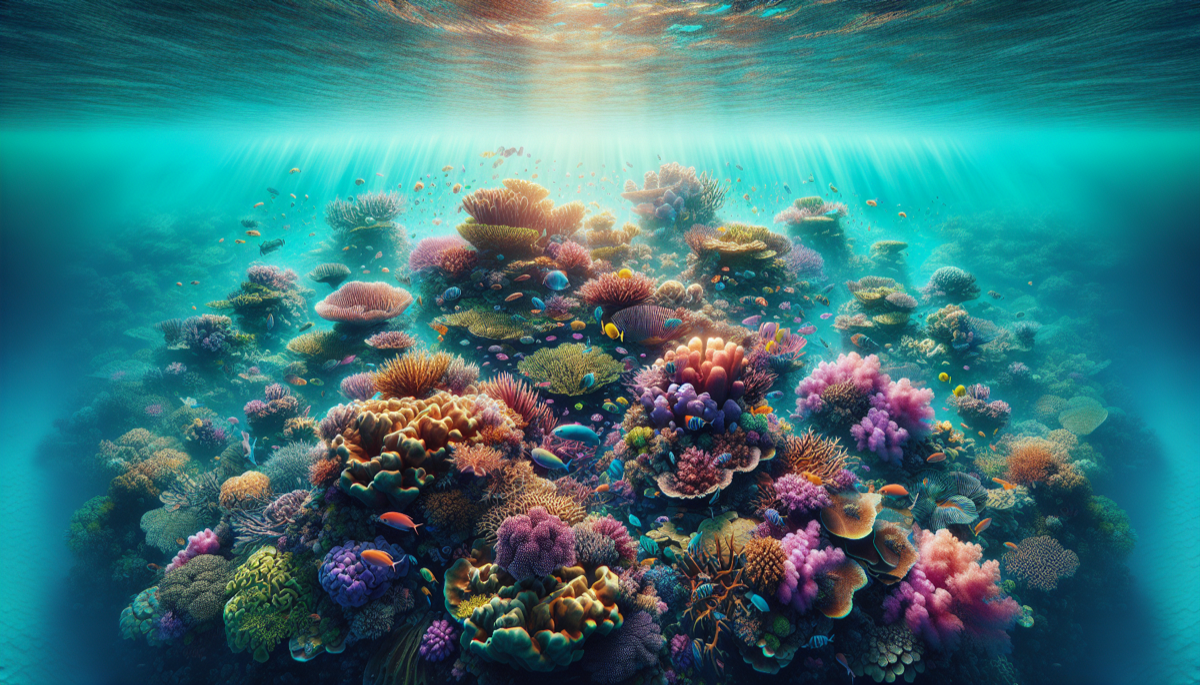
Best time: Activity- and site-specific: compare current reef health, marine forecast, wildlife timing, operator route, heat, cyclone, stinger, and accessibility conditions
The Great Barrier Reef is a vast, multi-region marine park and World Heritage Area along Queensland, not one interchangeable Cairns excursion. A credible trip begins by choosing a gateway, exact reef or island site, activity, operator, swimming or diving threshold, and current condition. Cairns and Port Douglas support many northern day-boat and liveaboard routes; Townsville, the Whitsundays, and southern gateways lead to different reefs, islands, journey times, wildlife possibilities, and sea conditions. Snorkelling, certified diving, introductory diving, glass-bottom boats, pontoons, island stays, sailing, and scenic flights also have different access and safety requirements. Reef health cannot be reduced to a single “pristine” or “destroyed” label. The Reef Authority reports survey results by region and reef, with bleaching, cyclone damage, disease, flood-plume effects, and crown-of-thorns activity varying across time and place. Visitors should read the latest update, ask an operator which named sites it currently uses and why, and accept substitutions or cancellation when conditions require them. Marine turtles, reef fish, corals, sharks, rays, seabirds, whales, dolphins, and dugongs occur within the wider system, but no ticket guarantees a species. Zoning, permits, responsible boating, wildlife distance, no feeding or pursuit, and avoiding contact with coral apply to independent and commercial visits. A Daintree or Wet Tropics extension can add rainforest ecology and possible cassowary observation, but it is a separate land itinerary with crocodile, stinger, road, weather, and park-alert planning.
Choose the exact reef, island, and operator departure before booking flights. Cairns, Townsville, Proserpine, Hamilton Island, Mackay, Rockhampton, and Gladstone serve different routes and are not interchangeable.
Nearest airport: Route-dependent: Cairns (CNS), Townsville (TSV), Proserpine/Whitsunday Coast (PPP), Hamilton Island (HTI), Mackay (MKY), Rockhampton (ROK), Gladstone (GLT), Bundaberg (BDB), or another verified gateway
Dry season: Drier months can bring lower humidity to some gateways, but wind, swell, visibility, water temperature, wildlife, stingers, and reef condition remain site- and date-specific. “Dry season” is not a guarantee of calm water or healthy coral.
Wet season: Warmer and wetter conditions can bring heat, storms, flood plumes, marine stingers, and tropical-cyclone disruption while still allowing suitable days. Use current Reef Authority, park, operator, and Bureau advice rather than treating the period as uniformly closed.
Temperature: Queensland spans a long coast and several reef regions. Check the gateway forecast, coastal-waters warning, water conditions, UV, heat, rain, cyclone information, and the operator's actual site immediately before travel.
Verify the commercial operator, relevant permits, vessel and passenger limits, flotation and emergency equipment, staff qualifications, lookout and head-count systems, medical screening, oxygen and first aid for the activity, accessibility, stinger controls, child rules, weather threshold, and evacuation plan. Follow zoning and wildlife instructions; never touch, stand on, collect, feed, chase, surround, ride, or block marine life or coral. Check current marine warnings and do not enter northern coastal water or approach its edge where crocodile advice prohibits it.
Tipping: Ask whether service is included and how the operator handles gratuities. Tip only for professional service, never for touching coral, feeding or pursuing wildlife, ignoring zoning, exceeding passenger limits, or pressuring a guide to enter unsafe water.
Local transport: Select the exact reef or island before the gateway. Cairns and Port Douglas, Townsville and Magnetic Island, Airlie Beach and the Whitsundays, Mackay, Rockhampton, Gladstone, Bundaberg, and southern reef departures involve different airports, road transfers, ports, ferries, boats, baggage rules, sea time, and weather exposure. Obtain every connection in writing.
Country guides connect this destination with other habitats, species, planning considerations, and responsible-viewing advice.
Habitat guides explain the viewing conditions and conservation pressures shared with similar ecosystems elsewhere.
These editorial guides explain the activity format, physical conditions, animal-welfare questions, and operator checks to make before booking.

A whale shark swim is usually a boat-based snorkelling encounter in a place where seasonal feeding or movement makes sightings possible. The animal…
Read the responsible guide →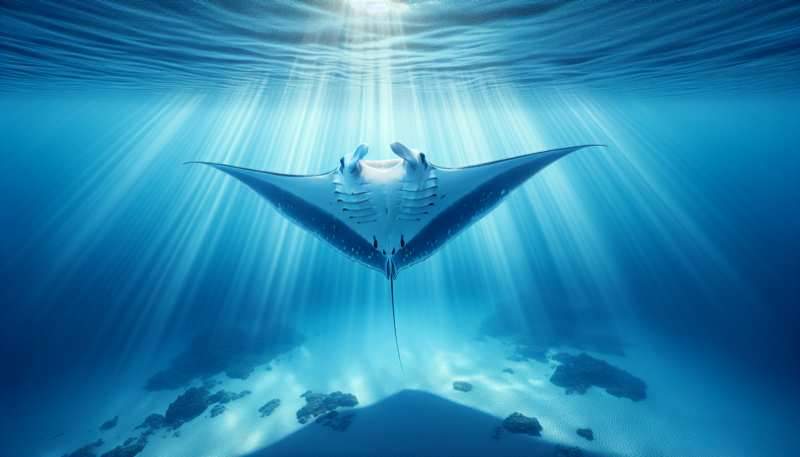
Manta encounters take several distinct forms: snorkelling beside a natural feeding aggregation, observing a cleaning station while scuba diving,…
Read the responsible guide →Go deeper on itineraries, seasonal decisions, trip costs, photography, and responsible ways to experience wildlife in this region.
Compare Kangaroo Island, Ningaloo, the Great Barrier Reef, Daintree, Kakadu, and Maria Island by wildlife, access, season, safety, and trip fit.
Read guide →Current Viator listings matched to this destination. Confirm the itinerary, operator, recent reviews, availability, and cancellation terms before booking.


Build your complete trip with our free trip builder. We'll help you find flights, hotels, and tours.
Build Your Trip →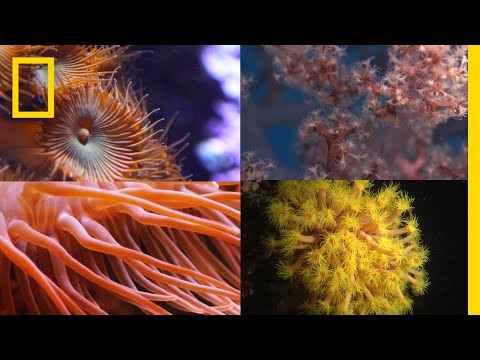
The planning window currently listed for Great Barrier Reef is Activity- and site-specific: compare current reef health, marine forecast, wildlife timing, operator route, heat, cyclone, stinger, and accessibility conditions. Use it as a starting point, not a sighting promise: weather, animal movement, access, and local rules can change. Check current conditions with the relevant park or protected-area authority before booking.
Build a current total for transport, entry fees or permits, guiding, accommodation, meals, insurance, equipment, and taxes. Prices and currencies change too often for a generic daily figure to be dependable. Compare dated quotes with the same inclusions and confirm official fees and cancellation terms before paying.
Our current route note is: Choose the exact reef, island, and operator departure before booking flights. Cairns, Townsville, Proserpine, Hamilton Island, Mackay, Rockhampton, and Gladstone serve different routes and are not interchangeable. Verify operating schedules, border or entry requirements, road and seasonal access, baggage limits, and transfers with the relevant authorities and providers for your travel dates.
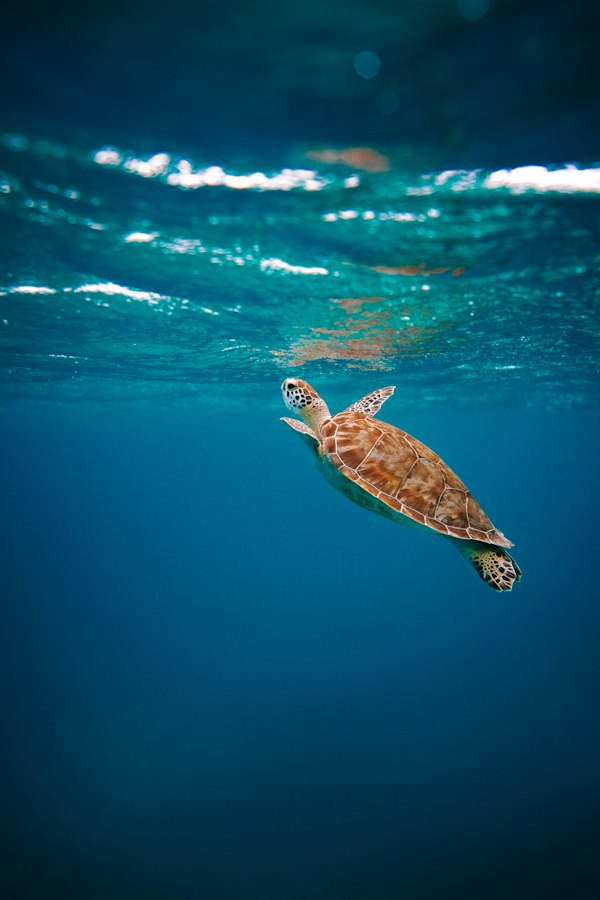
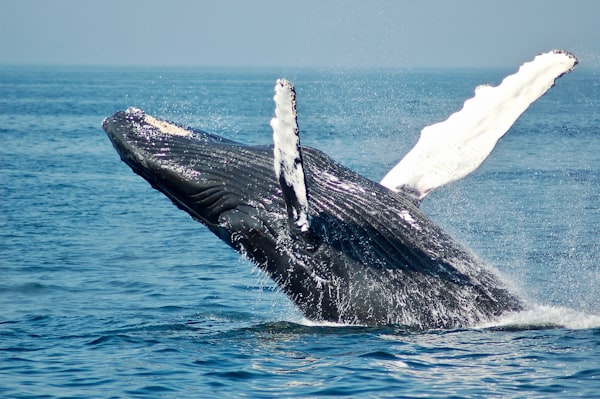
This guide connects Great Barrier Reef, Australia, with Manta Ray, Green Sea Turtle, Humpback Whale. The list is a planning aid rather than a complete inventory or guarantee. Ask a current local authority or responsible operator which species and public areas are realistic for your dates.
Use legal public access and follow the current instructions of park staff, guides, and local communities. Keep a safe distance, never feed, call, chase, or block wildlife, and do not ask for sensitive nesting, den, or release locations. Choose operators that explain group size, viewing rules, community benefit, and what happens when animals move away.